In October 2024, the Unite for Girls’ Empowerment forum highlighted a pressing health issue facing women in Tajikistan — widespread anemia caused in part by the consumption of unfortified wheat flour. Experts warned that a lack of essential vitamins and minerals, particularly during pregnancy and breastfeeding, puts women’s health at serious risk.
One in three women affected
According to the Ministry of Health and Social Protection of the Population (MoHSPP), 33.2% of women aged 15–49 in Tajikistan are affected by anemia as of 2025. The highest rates are recorded in the Khatlon province, where limited access to diverse nutrition and healthcare services exacerbates the problem.
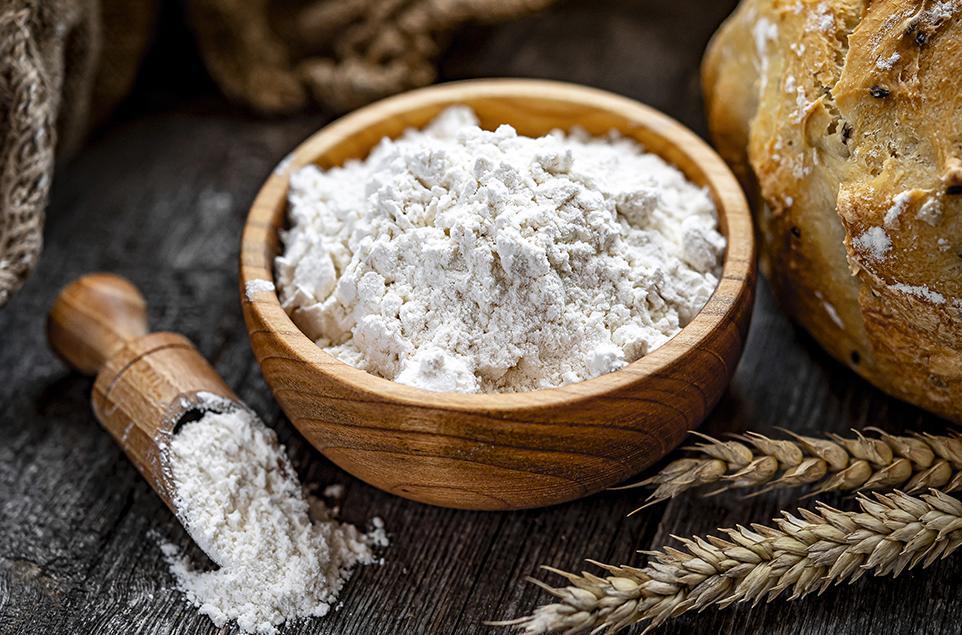
Scientific studies have shown that fortifying wheat flour can reduce anemia prevalence by up to 27%. Experts say this makes flour fortification one of the most cost-effective and accessible public health interventions.
Government action underway
In response, Tajikistan has taken legislative steps to address the issue. A 2019 law mandates the production of fortified food products. Initially, the focus is on enriching first-grade and premium wheat flour with essential nutrients like vitamins B9 and B12, as well as iron and zinc — all of which play key roles in preventing anemia and neural tube defects.
Because flour loses many of its natural nutrients during processing, fortification is seen as a necessary step to maintain public health.
Implementation begins
Under the national program to combat micronutrient deficiencies (2022–2027), regulatory frameworks and technical guidelines have been put in place. To date, 80 specialists from 45 flour mills have been trained and certified in flour fortification techniques.
With support from development partners, equipment for industrial-scale fortification has already been installed at key government-run flour mills. The first phase of fortified flour production is expected to begin later this year.