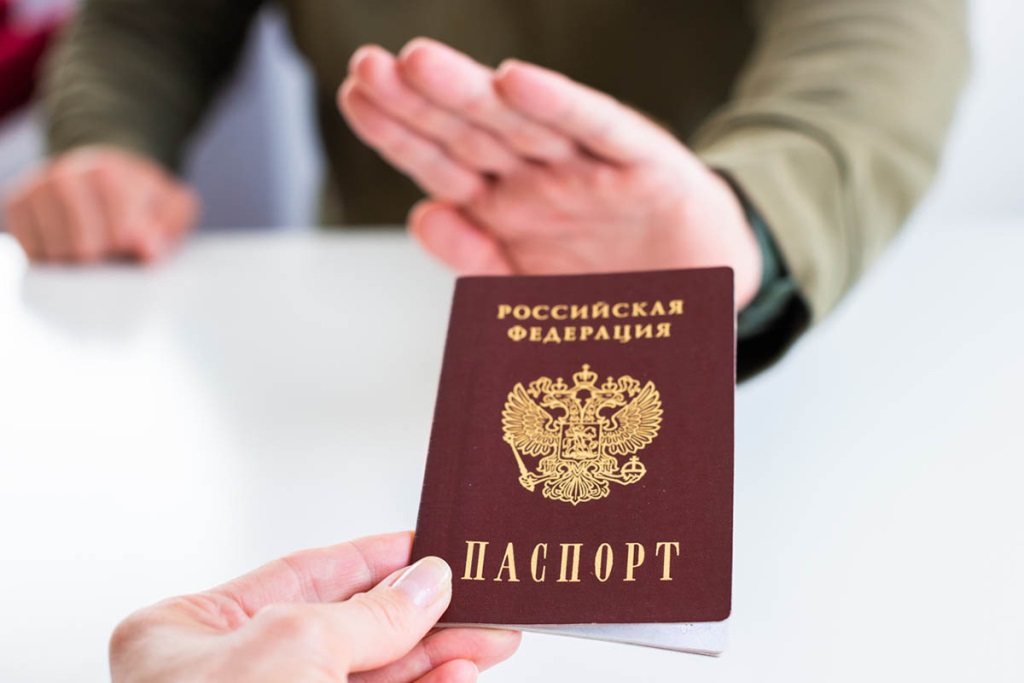
Once seen as a pathway to better jobs and legal security, Russian citizenship is no longer in high demand among Tajik labor migrants. Growing fears of forced military conscription and worsening treatment by Russian authorities have led many to abandon plans to obtain Russian passports.
The shift is especially pronounced since the onset of the war in Ukraine, which triggered an aggressive mobilization campaign targeting Central Asian migrants—often lured with promises of expedited citizenship. However, the risks have outweighed the benefits for many.
“This is not my war”
Akmal Sobirov, a Tajik migrant in Moscow, was just days away from applying for Russian citizenship after receiving permanent residency in 2022. But when he arrived at the migration office, an official sarcastically remarked that he’d soon be “defending his new homeland” and encouraged him to sign a contract with the Russian Ministry of Defense to speed up the process.
A former army officer, Sobirov realized that with citizenship, he’d likely be sent to the frontlines. “I don’t want to fight in a war that isn’t mine,” he said. He left without submitting his application and returned home, abandoning his citizenship plans altogether.
Citizenship requests drop 3.5 times
Russian Interior Ministry data confirms the trend: the number of foreigners acquiring Russian citizenship has plummeted. From around 750,000 new citizens in 2021, the figure fell to just 209,000 in 2024—a drop of over 70%, despite simplified procedures for Ukrainians and other foreign nationals.
While Russia stopped disclosing citizenship data by country after 2023, earlier statistics show that Tajiks were among the most active applicants, comprising 45% of all Central Asian nationals who became Russian citizens.
“We’ll always be strangers”
Beyond fear of military service, rising xenophobia, police abuse, and arbitrary revocations of citizenship are also driving people away. Sherzod Farhod, another former applicant, described how one colleague lost his citizenship for failing to register for military service, while another was deported without explanation.
“No matter what, you’re always treated as an outsider,” said Farhod, who has since returned to Tajikistan. “Even if I have to go elsewhere, I won’t return to Russia.”
Post-retirement dreams derailed
Fathullo Saburov, a retired Tajik who hoped to receive a Russian pension after naturalization, is now reconsidering. He spent significant funds to start the citizenship process, only to find that new regulations have made pension eligibility for “new citizens” increasingly uncertain.
“I’m not sure it’s worth continuing,” he said. “Maybe I should just give up on it.”
Experts point to a broader shift
Tajik migration expert Shuhrat Latifi identifies three key reasons for the sharp decline in applications: 1) the risk of forced military recruitment; 2) harsh treatment by Russian authorities (particularly security forces); and 3) restrictive new laws targeting naturalized citizens.
He also notes an uptick in citizenship denials, especially for applicants from Central Asia. Yet despite the challenges, Latifi says many Tajiks still pursue Russian passports due to economic necessity.
“People are still drawn by the chance to find better-paying jobs in Russia,” he explained.
A changing trend
Before the war in Ukraine, over 830,000 Tajik citizens had obtained Russian citizenship. Analysts believe that number could have surpassed one million if not for recent developments.
According to the last publicly available Interior Ministry data from 2022, more than 173,000 Tajiks were granted Russian citizenship that year. In contrast, only 209,000 foreign nationals from all countries received it in 2024.
These figures reflect a broader trend: Russian citizenship is no longer seen as the golden ticket it once was. For many Tajiks, the Russian passport has lost its appeal—overshadowed by war, fear, and a growing sense of alienation.