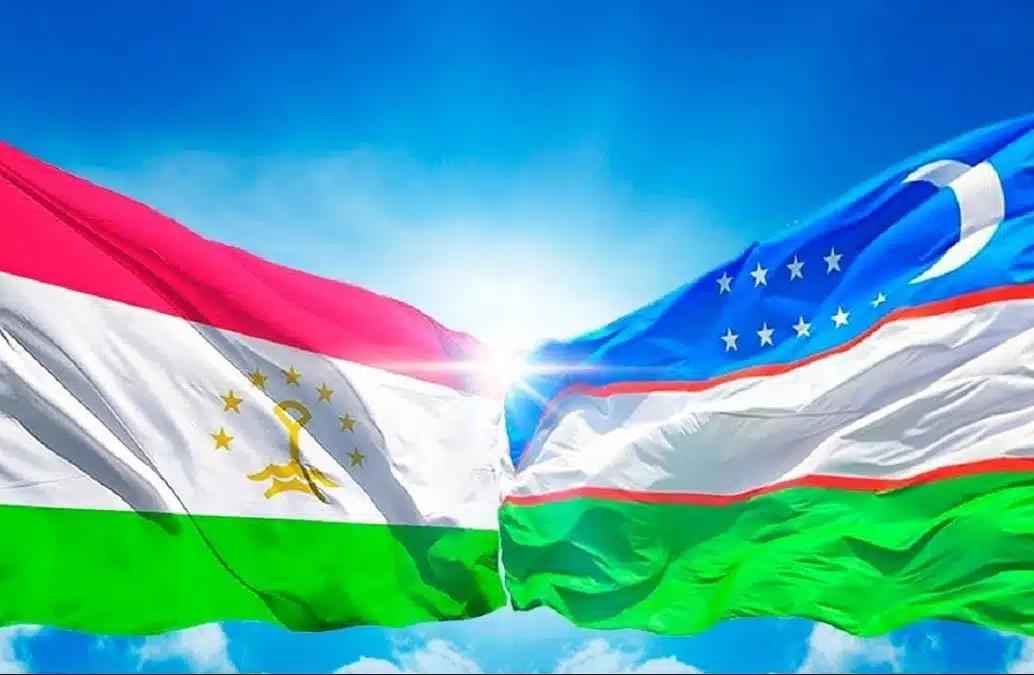
Tajikistan’s business footprint in Uzbekistan continues to grow steadily, with 357 enterprises operating in the country by mid-2025, according to Uzbekistan’s National Committee on Statistics. This marks a notable rise from 303 companies at the beginning of 2024.
Of these, 89 are joint ventures, while 268 are fully owned by Tajik investors. Tajikistan now ranks seventh among foreign investors in Uzbekistan, accounting for around 2% of all foreign-funded businesses in the country.
As of July 1, 2025, Uzbekistan hosts 16,685 active foreign-capital companies—20% more than a year ago.
Tajik capital is spread across multiple sectors in Uzbekistan. In the industrial sphere, Tajik businesses are building agro-processing plants, particularly in border areas such as Denau. Investment is also flowing into mining and metallurgy, including geological exploration.
The energy sector is another area of growing cooperation. Tajikistan supplies electricity to Uzbekistan and is partnering on hydropower projects in the Zarafshon River basin. New distribution hubs are also being developed near border regions.
Tajik companies are active in logistics and infrastructure development, participating in the modernization of border checkpoints such as Oybek-Fotehabad and Andarkhon. These businesses also use Uzbekistan’s transport corridors to export goods to CIS countries and the European Union.
Agriculture and textiles remain important fields of collaboration, with ongoing projects in cotton processing, silk production, and textile cooperatives. In the electronics sector, Tajik investment supports the manufacturing and assembly of household appliances, including initiatives like “Artel Avesto Electronics,” with a focus on engineering and technical design.
Obid Hakimov, Director of Uzbekistan’s Center for Economic Research and Reforms, stated that Tajikistan is among the country’s top 10 strategic partners. He highlighted key areas for further development: the creation of industrial clusters, advancement of hydropower projects, launch of a trilateral Uzbekistan–Tajikistan–China logistics corridor, and expanded trade flows.
Currently, over 70 Uzbek-invested companies operate in Tajikistan, reflecting strong mutual interest and a solid foundation for continued economic cooperation.