From July 1 to July 18, the OSCE Programme Office in Dushanbe organized the first-ever Summer School of Journalism (School) for 20 aspiring journalism students and young media professionals from across Tajikistan. The three-week intensive training aimed to strengthen their foundational reporting skills and prepare the next generation of journalists for a rapidly evolving media environment.
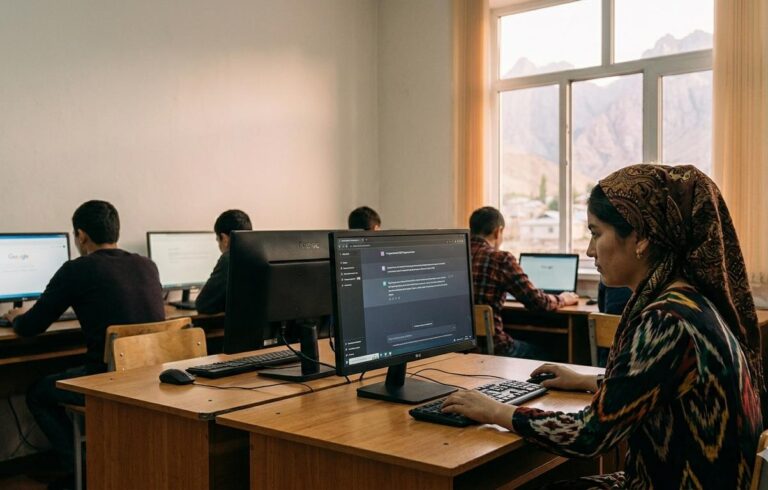
Participants from Gorno-Badakhshan Autonomous Region (GBAO), Khatlon and Sughd provinces, and Dushanbe engaged in a dynamic curriculum that combined theory with practical experience with the sessions covering journalism ethics, fact-checking, multimedia storytelling, and the responsible use of artificial intelligence. The School also offered young journalists a deeper dive into specialized fields such as human rights, children’s rights, and environmental and economic reporting.
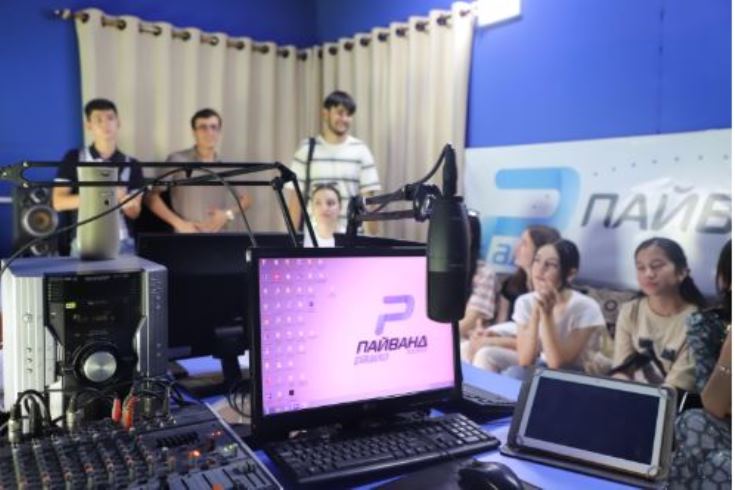
Led by seasoned media professionals from Tajikistan and abroad, the program fostered journalistic networks and included hands-on field visits to local media outlets such as SM-1 TV, Payvand Radio, and Sogdiyskaya Pravda newspaper in Khujand, giving participants a first-hand look at newsroom operations.
“This was a great opportunity to sharpen my skills and experience, and the role of a real journalist. I learned how to express my thoughts clearly, conduct interviews, and create engaging content,” said Bilol Kireyev, a young blogger.
Fellow participant Safina Mirova, a journalism student, added: “The Summer School was more than just training. We built friendships, explored real media spaces, and gained the confidence to tell stories that matter.”
The School was made possible through collaboration of the Office with the EU Delegation to Tajikistan, UNICEF, the embassies of Germany, France, and the United Kingdom, and the Turkish International Cooperation Agency (TIKA), which represented a shared commitment to promoting media freedom, professional standards, and youth empowerment in Tajikistan.
This initiative complements the OSCE’s broader work in media development, including its ongoing partnership with the Ministry of Education to develop high-quality university journalism curricula and promote media freedom in accordance with the National Strategy for Human Rights – 2038.