The government of Tajikistan has set an ambitious plan to significantly increase primary aluminum production over the next three years. As one of the key export commodities of the country, aluminum is expected to see notable growth in the coming years.
According to the Macroeconomic Indicators Forecast for 2026-2028, approved by the government, primary aluminum production is projected to reach 131,000 tons in 2026—an increase of 21.1% compared to the forecast for 2025. In 2027, production is expected to rise to 157,000 tons (a 19.9% increase), and in 2028, it should reach 188,000 tons, marking a 20% growth.
In 2024, Tajikistan’s Ministry of Industry and New Technologies reported a production of 82,200 tons of primary aluminum, reflecting a 23.3% increase from 2023, which saw 67,000 tons produced. In monetary terms, the growth in aluminum production last year amounted to 230.2 million somonis (over $21 million at last year’s exchange rate), representing a 47.3% increase. The total value of the produced aluminum was 716.4 million somonis (US$65 million).
Export figures also saw a significant boost. In 2024, over 71,000 tons of primary aluminum were exported—an increase of nearly 37% compared to the previous year. This surge in exports generated more than US$180 million in revenue. However, primary aluminum’s share in Tajikistan’s overall exports in 2024 remained modest at just 9.2%.
Domestically, local enterprises last year processed approximately 18,900 tons of primary aluminum, a 22.5% increase (around 3,500 tons) compared to 2023.
Looking ahead, the production of primary aluminum is expected to rise to 108,000 tons in 2025. Production had previously fallen from 420,000 tons in 2007 to 103,000 tons in 2017. The 2025 target is close to the level achieved in 2019 (101,000 tons). The pandemic years (2020-2021) saw a significant decline in production, with output nearly halved.
This rapid increase in aluminum production is a key part of Tajikistan's broader economic strategy to strengthen its position in global markets and boost national revenues from its primary industries.
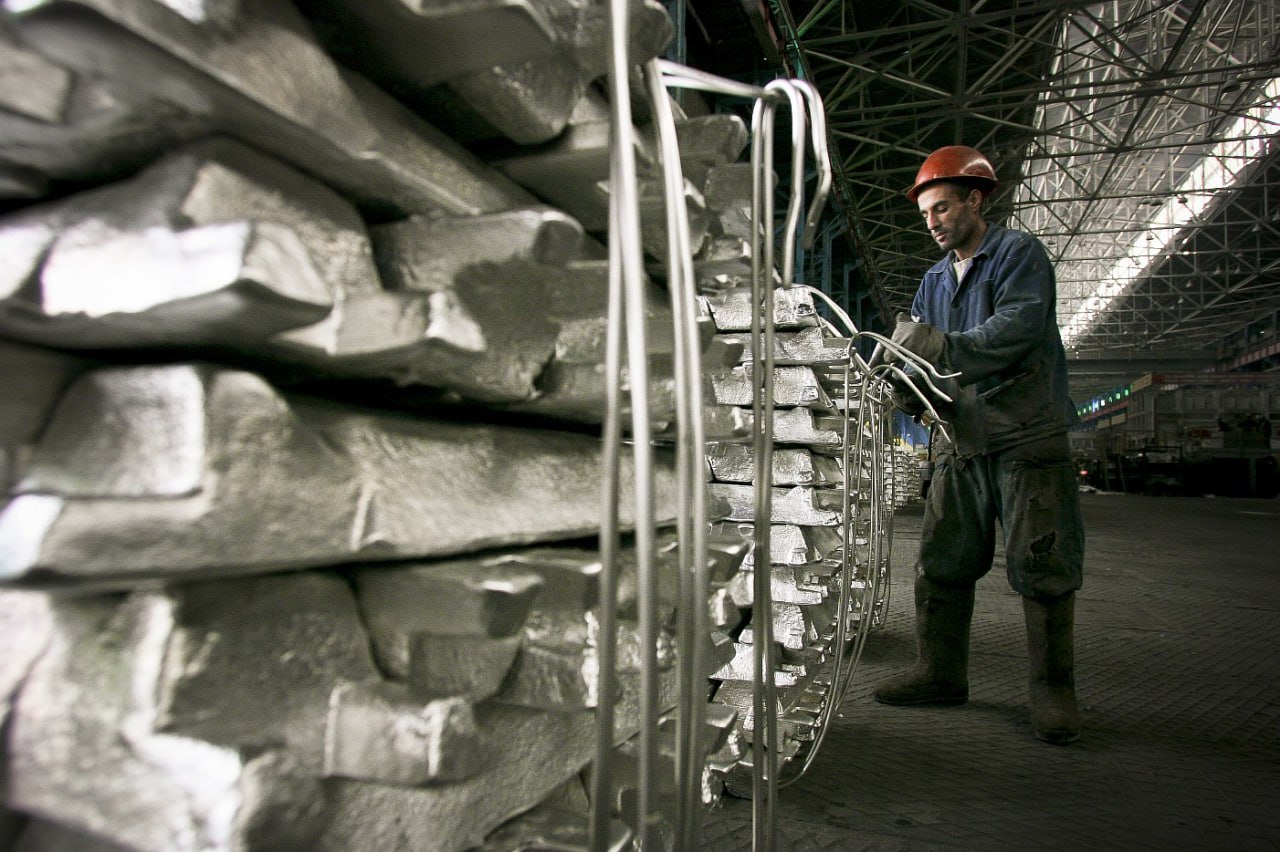
The Tajik Aluminum Company (TALCO) is one of the ten largest aluminum smelters in the world and the only aluminum producing plant in Central Asia. TALCO is wholly owned by the Tajik government. Tajikistan does not mine alumina but imports the raw material through tolling arrangements.
Construction of the Tajik aluminum plant (TadAZ) began in 1972, and the first pouring of aluminum took place on March 31, 1975. The Tajik aluminum smelter has a rated capacity of 517,000 tons of primary aluminum per year.
On April 3, 2007, TadAZ was officially renamed to TALCO – Tajik Aluminum Company.