Tajikistan’s Hydrometeorology Agency (Hydromet) has issued a warning about heightened risks of glacier avalanches and deteriorating air quality in several regions of the country from July 25 to 28.
According to the agency, glacier avalanches may occur in the western areas of the Gorno-Badakhshan Autonomous Region (GBAO), as well as in the mountainous and foothill regions of Sughd province and districts subordinate to the center (RRP).
A glacier avalanche, or icefall, refers to the rapid movement of ice and snow breaking away from a mountain glacier or icy slope. These events typically occur due to glacier instability brought on by climate change. Factors such as rising temperatures, glacial retreat, thinning ice layers, and shifting temperature patterns all contribute to the likelihood of ice collapse.
Glacier avalanches can vary significantly in scale—from small ice falls on steep slopes to massive, catastrophic collapses involving large sections of a glacier.
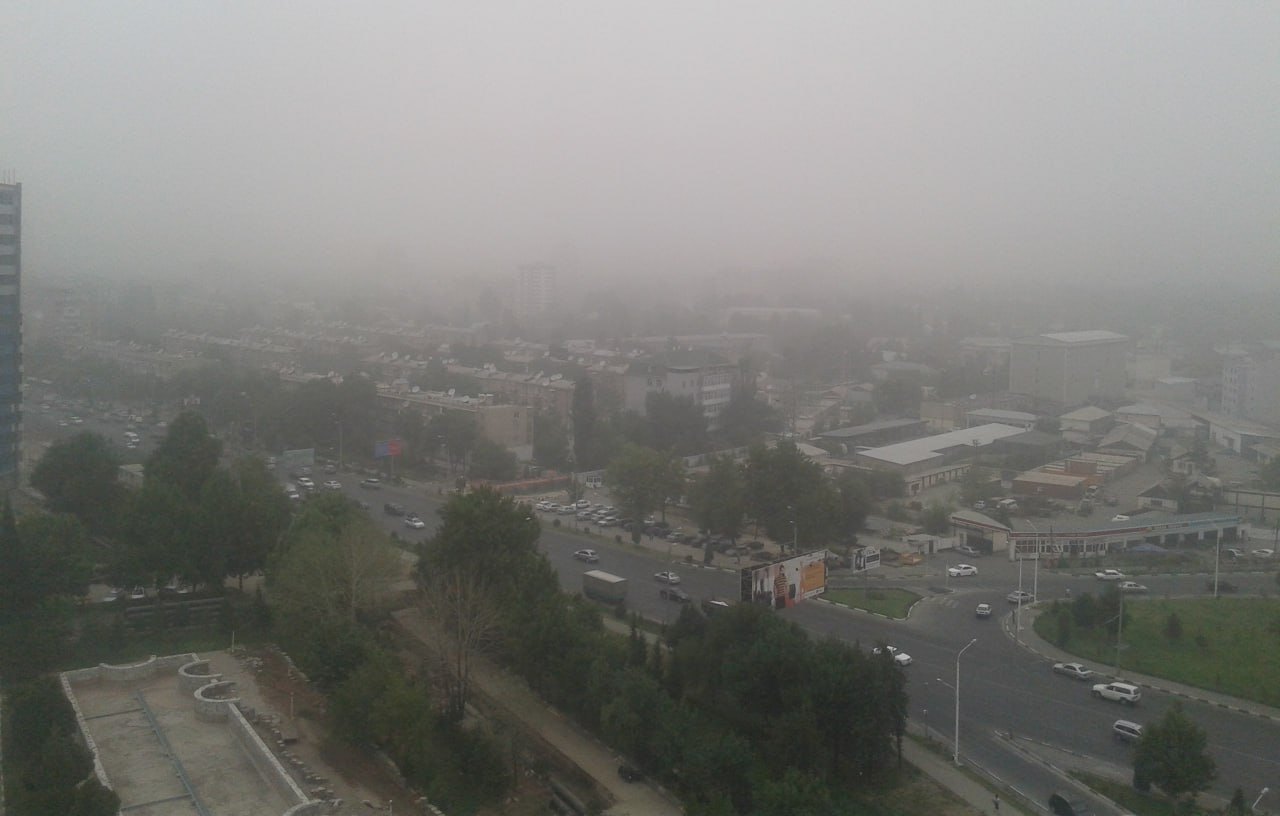
During the same period, strong winds ranging from 12–17 to 17–22 meters per second are expected to carry dust and particulate matter into the atmosphere in cities and districts of Khatlon province, districts subordinate to the center, and the capital, Dushanbe. This will lead to increased concentrations of airborne particles, including PM10 and PM2.5, which are known for their harmful health effects.
Hydromet reports that the dust pollution is expected to peak on July 27.
Earlier forecasts had already predicted unusually hot and dry weather across Tajikistan throughout July, with daytime temperatures reaching up to 46°C in some southern regions, especially in Khatlon.
Experts note a dramatic rise in both the frequency and intensity of dust and sandstorms in Tajikistan over the past three decades. In the early 1990s, the country recorded only two to three such events annually. Today, that number has surged to between 35 and 45 episodes per year.
Air pollution continues to take a heavy toll on public health and the economy. According to a World Bank study, PM2.5-related mortality in Tajikistan stands at 78 deaths per 100,000 people—the second-highest rate in Central Asia.