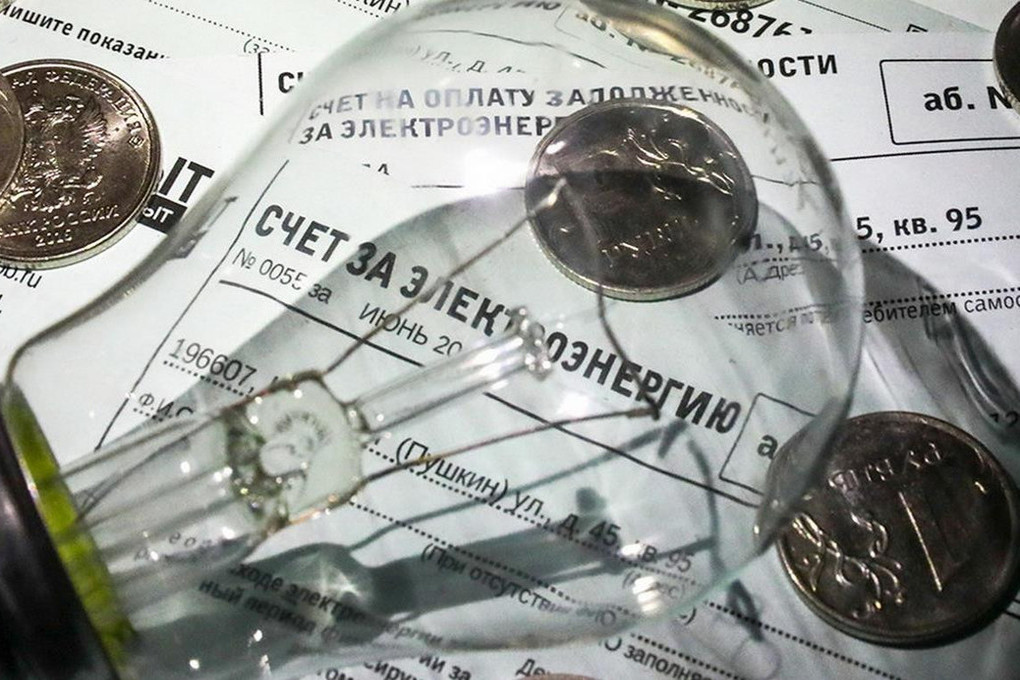
Tajikistan's national power distribution company, OJSC Distribution Electric Networks, claims that residential customers’ electricity debt has been gradually decreasing since the company’s establishment in 2021.
As of July 1, 2025, residential customers owed approximately 1.7 billion somonis, a reduction of 40.3 million somonis compared to the beginning of the year, according to figures presented by the company at a July 30 news conference in Dushanbe.
Company officials attribute the decline to a series of reforms and technical upgrades in the energy sector, including the introduction of a billing system, relocating electric meters outside residential buildings, and SMS notifications to alert consumers about outstanding payments. Stricter legal penalties for meter tampering and non-payment have also played a role.
However, the data raises questions. Previously published statistics by the company indicate that household electricity debt has actually increased by 73 million somonis over the past year—rising from 1.626 billion somonis in July 2024 to around 1.699 billion somonis by the same date this year.
Officials explained that historical data may still reflect legacy debt, primarily due to earlier miscalculations of electricity usage. In the past, disputes over meter readings often led to non-payment, with many residents refusing to pay bills they believed were incorrect.
Currently, households account for over 38% of total national electricity debt. Officials note that residential users are the country’s largest electricity consumers, responsible for 50% of supply—rising to 70% during the winter months.
The debt debate
Despite the government's optimistic narrative, many Tajik citizens are skeptical. They question how debt continues to accumulate when late-paying consumers are regularly disconnected from the grid.
The state energy company Barqi Tojik previously claimed that most of the household debt stems from the 1990s. Yet the energy sector’s own statistics show that household debt grew from 1 billion somonis in early 2019 to 1.5 billion in 2023, and has now reached nearly 1.7 billion somonis in mid-2025.
Some insiders have pointed to the existence of so-called “untouchables”—elite households allegedly exempt from enforcement or meter checks. While company representatives did not confirm this at the recent press briefing, they notably declined to deny it.