Tajik government approves major education plan and legal reforms at cabinet meeting

President Emomali Rahmon, who is also Head of the Government,  chaired a cabinet meeting on July 31 to address critical developments in the education sector and approve a series of draft laws and national programs, according to the presidential press service. The meeting opened with a report from Minister of Education and Science Rahim Saidzoda […]

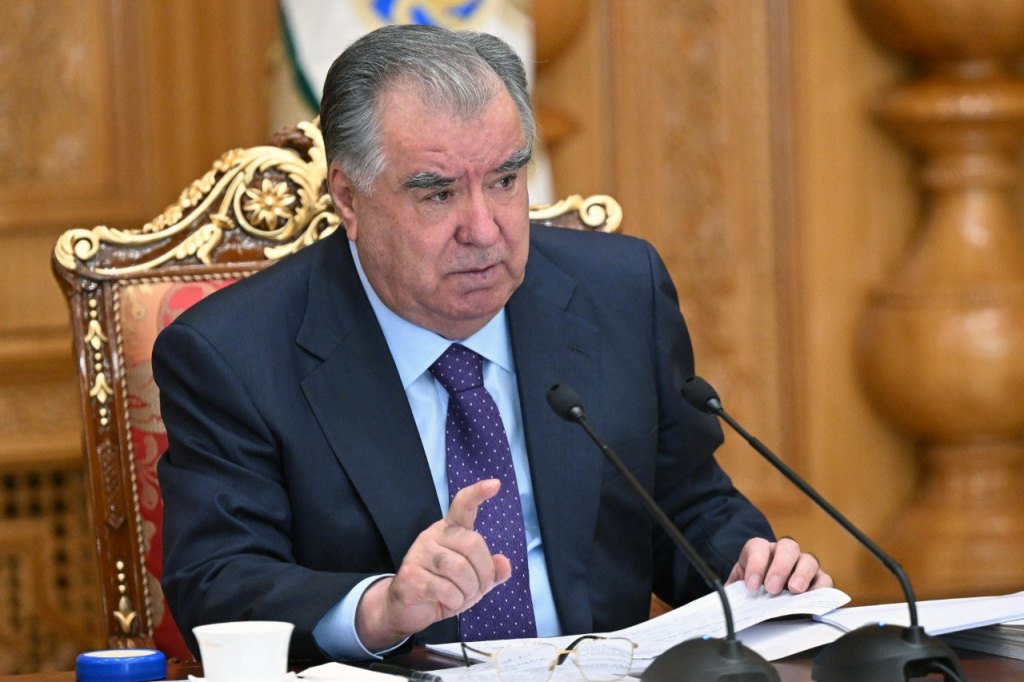
President Emomali Rahmon, who is also Head of the Government,  chaired a cabinet meeting on July 31 to address critical developments in the education sector and approve a series of draft laws and national programs, according to the presidential press service.
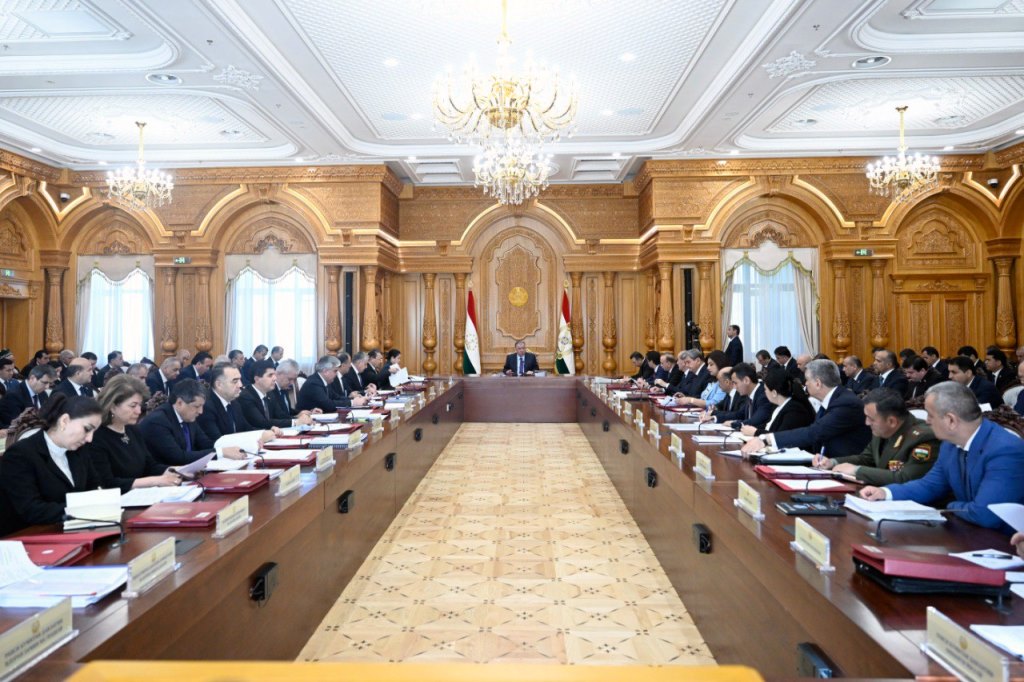
The meeting opened with a report from Minister of Education and Science Rahim Saidzoda on the 2025–2027 Action Plan for the ongoing State Program for the Development of Educational Institutions in Khatlon Province. The plan aims to tackle overcrowding in schools, replace deteriorating infrastructure, and improve overall learning conditions.
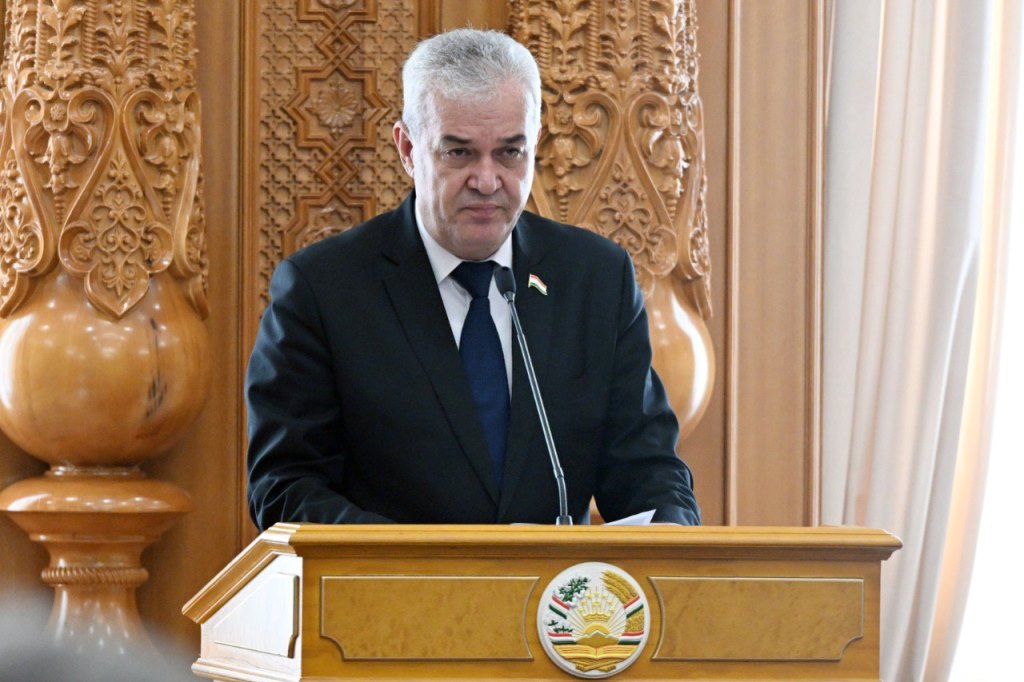
Under the new initiative, the government plans to construct 165 educational facilities, creating over 53,000 new student seats at an estimated cost of nearly 958 million somonis.  The project was formally approved by government’s decree.

President Rahmon emphasized the need for rigorous oversight, instructing relevant agencies to ensure timely implementation and to submit annual progress reports.  

He also called for an accelerated shift to digital education management and broader adoption of e-government systems across all sectors.

In legislative developments, the cabinet approved and submitted several draft laws to the lower house of parliament, the Majlisi Namoyandagon.  These include amendments to the Code of Administrative Offenses, the Law on Education, and the Law on Military Conscription, as well as a new draft Law “On the Status of Teachers.”  The latter seeks to elevate the role of educators, improve working conditions, and expand benefits.
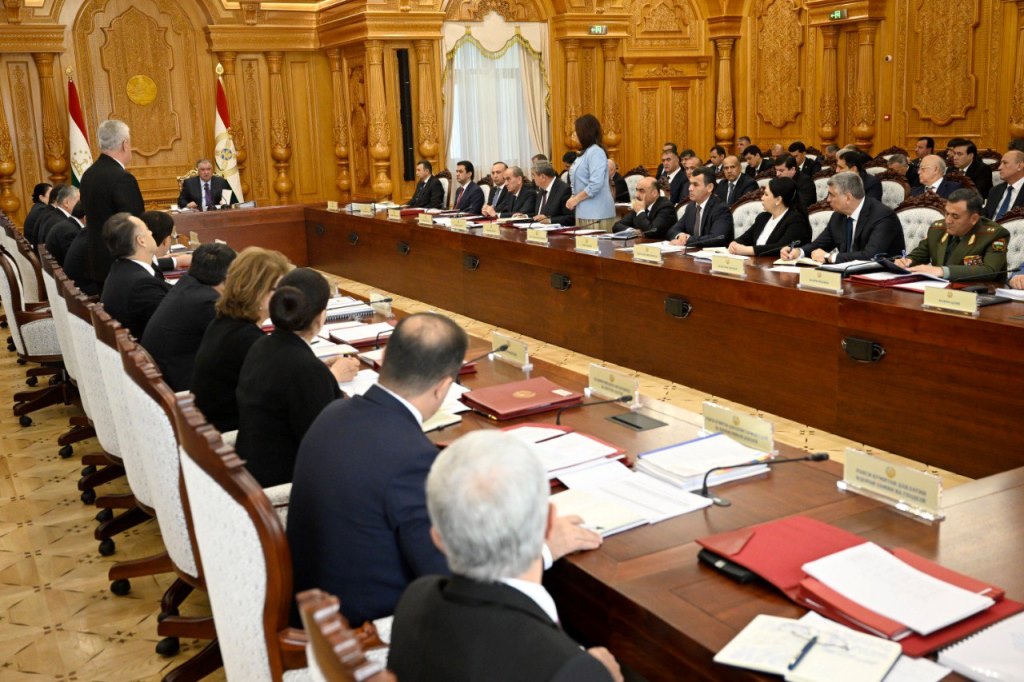
Additionally, cabinet members reviewed and adopted programs focused on food security (2026–2030) and youth training for key economic sectors (2025–2029).

Concluding the session, President Rahmon issued directives for thorough preparations for the upcoming academic year, the 2025–2026 autumn-winter season, and national celebrations marking the 35th anniversary of Tajikistan’s independence.

Join us on social media!

Article translations:

Related Article

Tenisi
Оби зулол
Оби зулол

Most Read

Коммерсбонк Точикистон

Recent Articles

RZD announces the restoration of passenger services between Moscow and Dushanbe

Direct rail services between the capitals of Russia and Tajikistan were suspended in March 2020 due to the COVID-19 pandemic.

#AP30/Stories. “Selam! Heller nichek?” How Tatars live today in Sughd province

On the 30th anniversary of "Asia-Plus," we continue to publish reports that remain relevant even after years. This story was told in 2021, and since then, little has changed in the life of the Tatar community in Tajikistan.

15,000 cameras, drones, and robots: how technology monitors pilgrims in Mecca and Medina

During Hajj 2026, Mecca and Medina were under unprecedented digital control.

Another child in Dushanbe removed from family and sent to boarding school

The Ministry of Internal Affairs reports that the parents did not pay adequate attention to the child.

Emomali Rahmon instructs to address issues in seed production following criticism of the industry

Issues have been noted with certification, seed quality, and the material and technical base of the industry.

Water, climate, and a $130 billion deficit: seven key outcomes of the Water Conference in Dushanbe

At the forum, countries and international organizations discussed new mechanisms for cooperation, investments, and technologies that are essential for addressing the global water crisis.

Eskhata Bank introduces a new generation children’s wallet

"Eshkata Bank" has created a full-fledged digital platform that helps children aged 7 to 16 learn how to manage money.