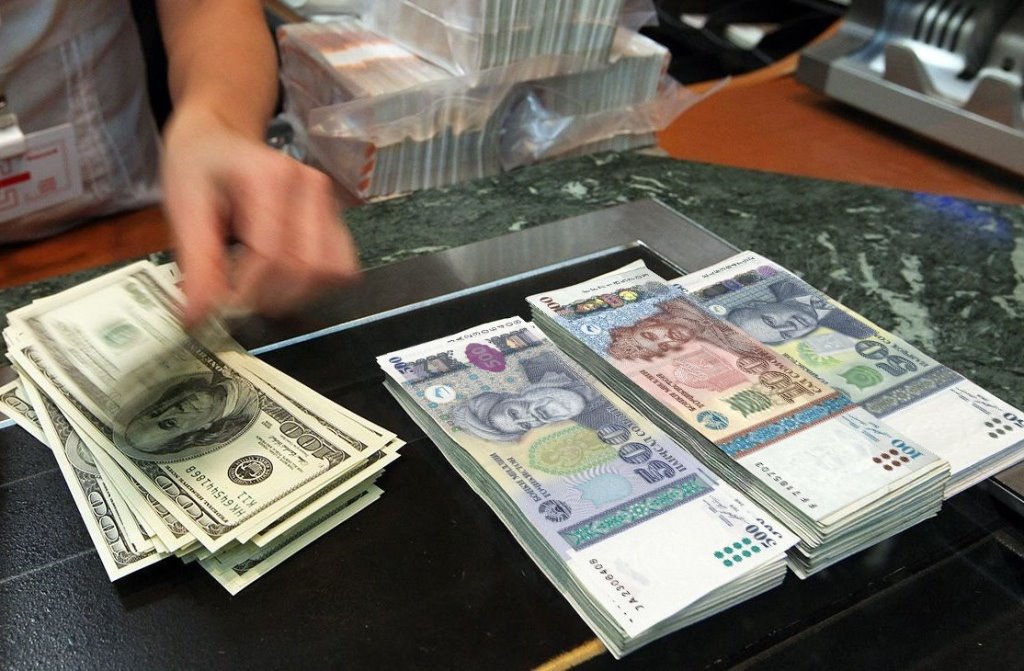
Tajikistan’s national currency, the somoni, has appreciated significantly against the US dollar over the first six months of this, strengthening by 9.4%, according to the National Bank of Tajikistan (NBT). This marks a sharp acceleration compared to the same period last year, when the somoni rose by only 2.7% against the greenback.
The NBT attributes the rise to a combination of external and internal factors amid global economic turbulence. “During this period, the official exchange rates of most national currencies of Tajikistan’s main trading partners have shifted significantly,” an official source within the financial regulators told Asia-Plus in an interview.
For comparison, the Russian ruble appreciated 22.8% against the US dollar over the same six-month period. The Belarusian ruble gained 14.6%, the Uzbek sum rose 2.1%, the Kazakh tenge 0.6%, and the Chinese yuan 0.4%.
Meanwhile, some currencies weakened: the Turkish lira fell 12.6% against the dollar, and the Kyrgyz som dropped 0.5%.
NBT analysts cite increased foreign currency inflows, global economic developments, and changes in monetary policy among major central banks as key external drivers of the somoni’s appreciation.
They particularly emphasized the impact of the Russian ruble’s performance, which has been influenced by energy market fluctuations, trade disputes, and financial instability across global and regional markets.
Among domestic factors, the NBT highlights changes in demand for foreign currency within the local market and the efficiency of the banking system in meeting the needs of both legal entities and individuals.
The central bank also noted that the influence of these external and internal factors is subject to seasonal fluctuations, which in turn affect the exchange rate dynamics of the somoni at different times of the year.
According to the “Main Guidelines of Monetary Policy of the Republic of Tajikistan for 2025 and the Medium-Term Period,” the NBT follows a managed floating exchange rate regime. This means the exchange rate is not fixed and is allowed to fluctuate based on market conditions, although the central bank may intervene in exceptional cases when necessary.
The official exchange rate of the somoni against foreign currencies is determined by market supply and demand in the domestic currency market. Interventions by the regulator are rare and only occur when there is a justified need to stabilize the market.