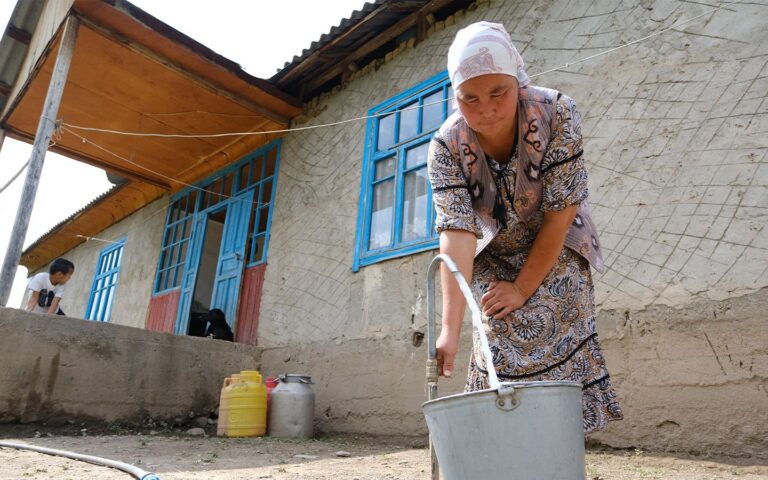
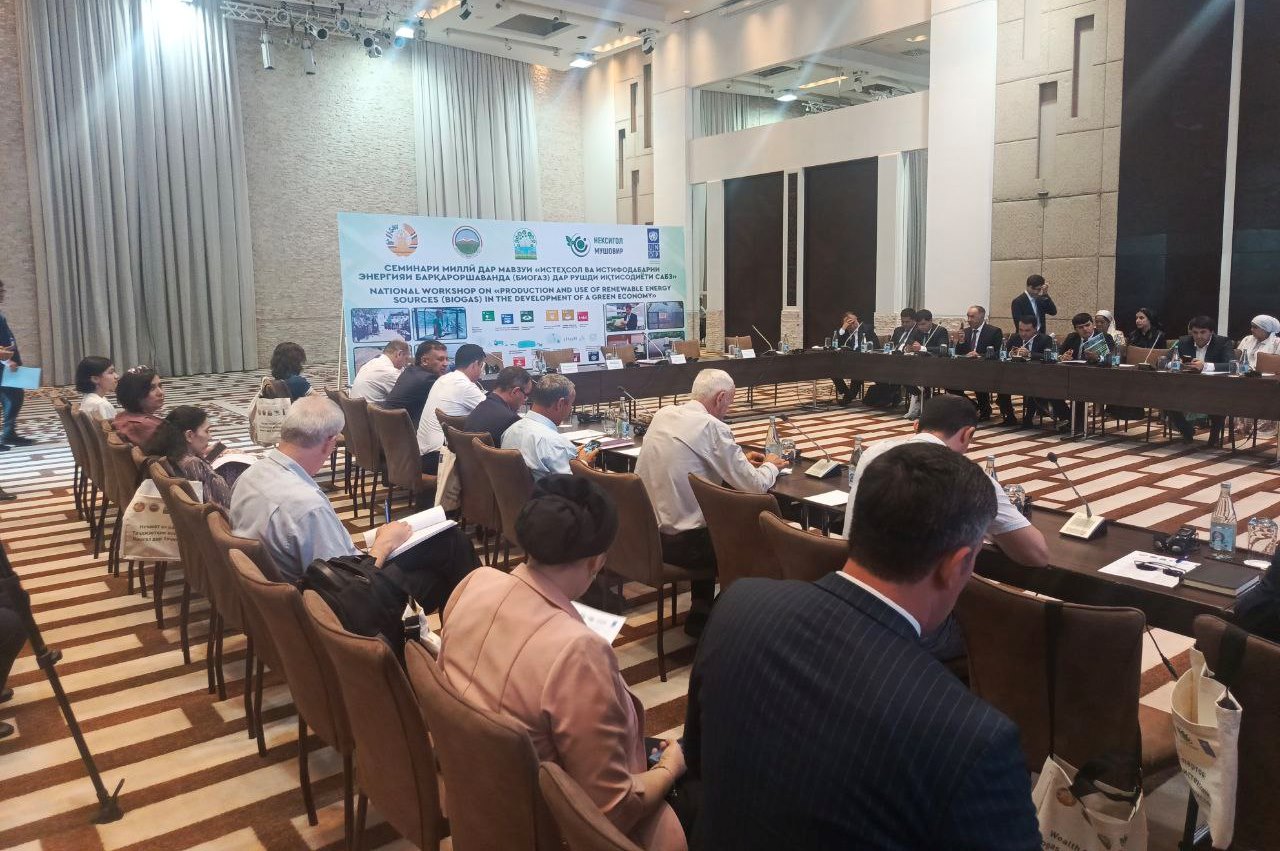
In rural Tajikistan, an increasing number of households are switching from firewood and dung to clean, sustainable energy in the form of biogas. The shift was highlighted during a national seminar on biogas production and usage technologies held in Dushanbe on July 31.
According to UN Development Programme (UNDP) consultants, biogas systems not only provide energy but also represent an investment in health, the environment, rural economies, and the future of women in agriculture. “Biogas technology is reshaping daily life in villages—especially for women,” they noted.
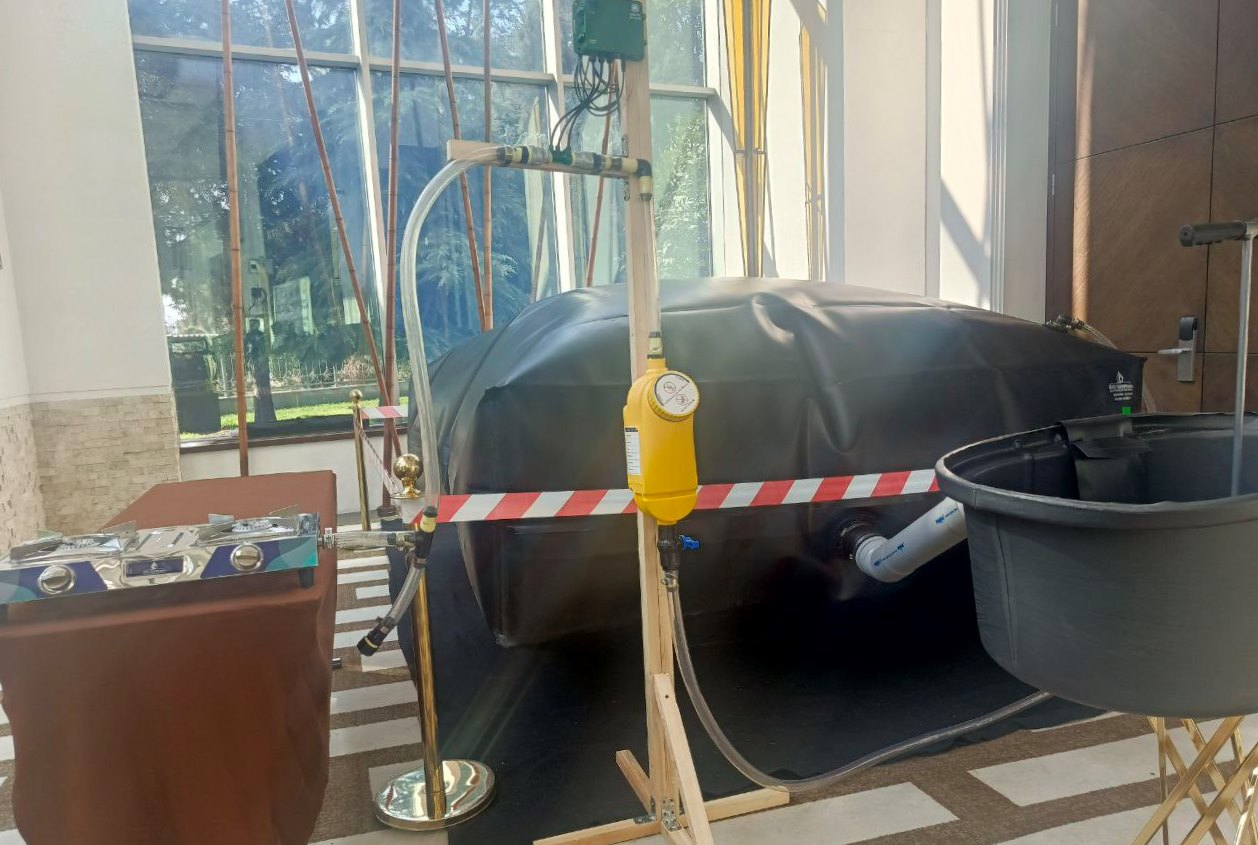
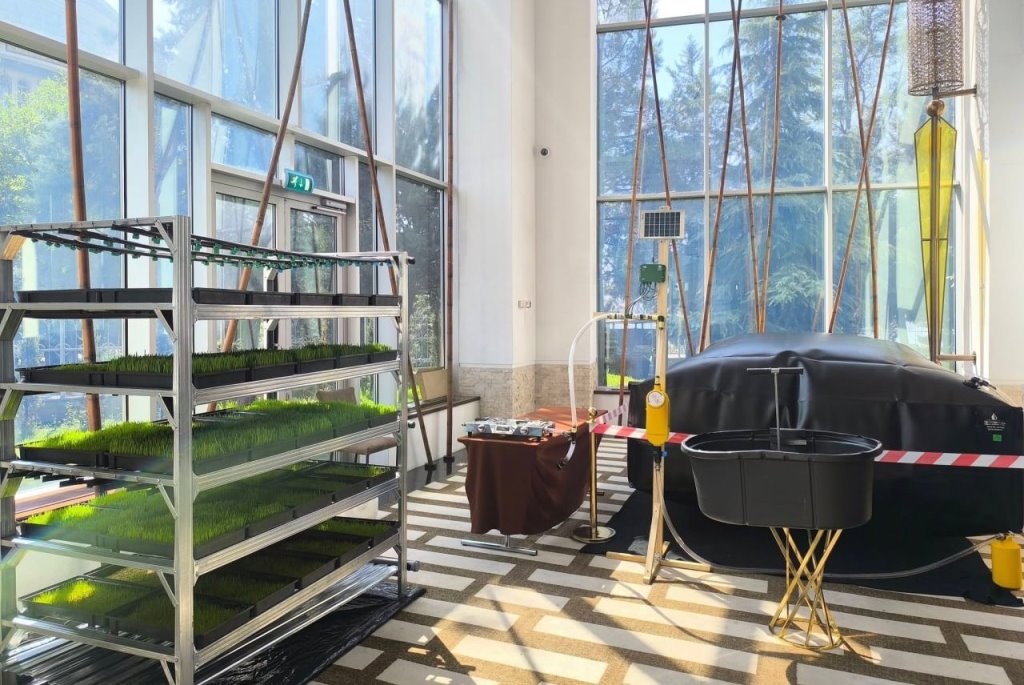
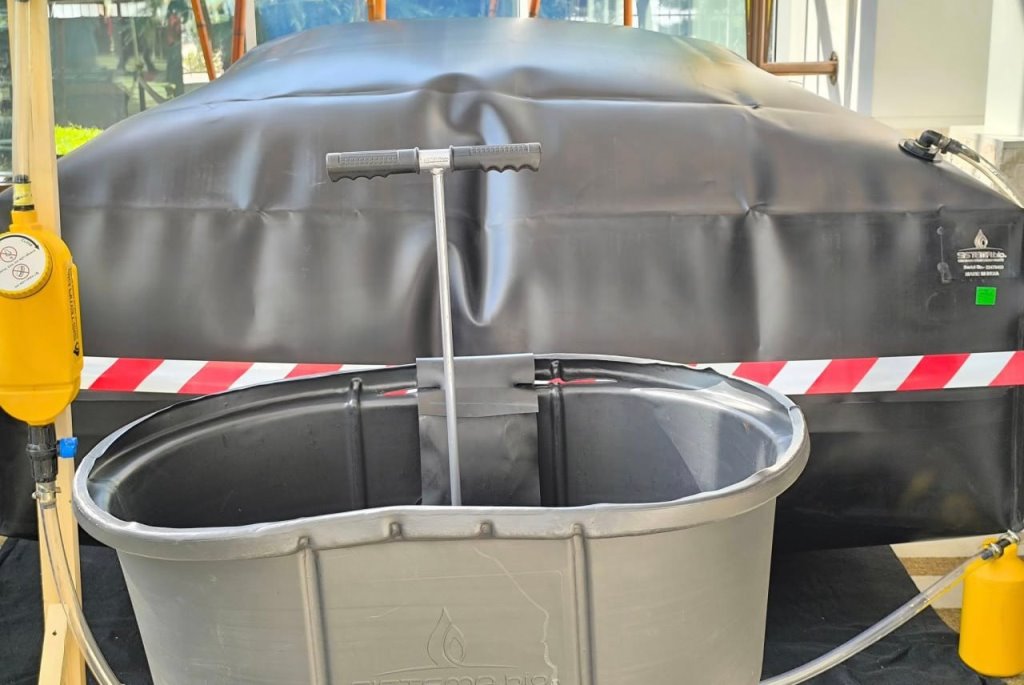
Producing biogas requires just a few cows and a simple daily routine: organic waste is loaded into a biodigester, where it decomposes anaerobically, producing methane. The resulting gas is then used for cooking and heating, replacing traditional fuels.
This basic yet effective solution addresses one of the most pressing rural health threats: indoor air pollution caused by burning wood and dung. Women and children, who spend the most time near the hearth, now breathe cleaner air.
Empowering rural women through clean energy
Since July 2024, UNDP has been implementing the project “Empowering Rural Women through Access to Renewable Energy via Biogas Reactors.” It covers communities in the Districts of Republican Subordination (Varzob, Hisor, Roudaki) and Khatlon Province (Hamadoni, Shamsiddin-Shohin, Abdurahmoni-Jomi, Farkhor, Kulob, Jayhun, Vose, and Danghara).
To date, 37 biogas systems have been installed in local households through the initiative.
Beyond improving the environment, the project also lightens women’s daily workload—eliminating the need to spend hours collecting fuel. This frees up time for education, childcare, or income-generating activities.
Biogas pays off: annual household savings exceed 20,000 somonis
Experts estimate that a single rural household using a biogas system gains substantial annual benefits. Families save 2,639 somoni on fuel and 3,978 somoni in labor costs from no longer having to collect firewood or dung. Cleaner indoor air leads to lower medical expenses, saving another 478 somoni.
Additionally, the biodigester produces organic fertilizer, generating about 5,235 somoni in added value—either by enhancing home gardens or being sold. Thanks to the heat generated by biogas, greenhouse farming becomes feasible, yielding an extra 9,562 somoni in income.
In total, households see an annual benefit of 21,892 somoni. After maintenance costs, net profit reaches 20,541 somoni—an impactful figure for rural communities, where every somoni makes a difference.
The byproduct of the biodigester also enriches soil fertility, reducing the need for chemical fertilizers and boosting crop yields.
Biogas: more than just energy
The seminar’s main takeaway: biogas systems are more than a source of energy—they’re a strategic investment in public health, economic development, environmental protection, and women’s empowerment in rural Tajikistan.
Currently, biogas systems are not available for open sale in Tajikistan. However, the NGO "Neksigol Mushovir," in partnership with UNDP, is working to install units for selected households as part of the ongoing project. The equipment is manufactured in India.
Tajikistan’s Ministry of Agriculture has expressed interest in the technology, and Deputy Minister Nigina Anvari and India’s Ambassador to Tajikistan, Rajesh Uike, confirmed at the seminar that bilateral cooperation in this field is underway. India may eventually begin mass exports of biogas equipment to Tajikistan.