Over 434 hectares of forests burned in Tajikistan amid heat and negligence

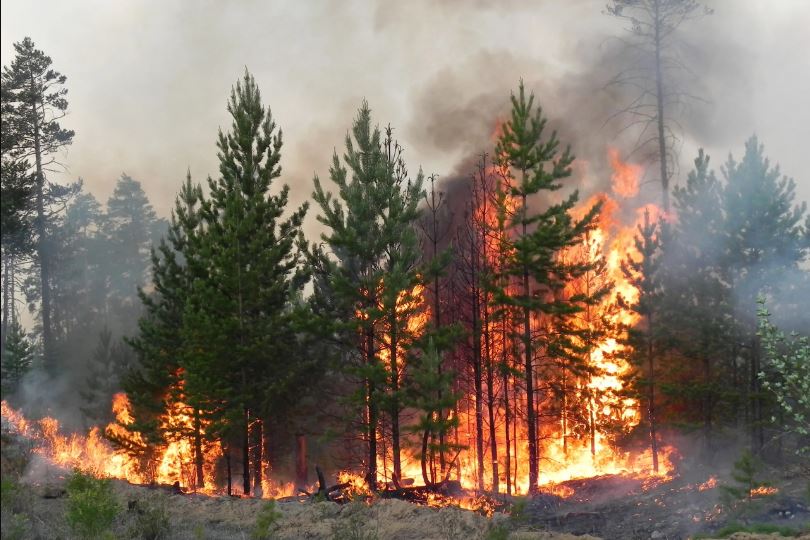
More than 434 hectares of forest land have been scorched by wildfires across nine regions of Tajikistan this year, according to the Agency for Forestry.  Speaking at a news conference in Dushanbe on August 1, officials cited abnormal heat and negligence by visitors as the primary causes of the fires. Bakhtiyor Obloyorzoda, head of the […]

Asia-Plus

More than 434 hectares of forest land have been scorched by wildfires across nine regions of Tajikistan this year, according to the Agency for Forestry.  Speaking at a news conference in Dushanbe on August 1, officials cited abnormal heat and negligence by visitors as the primary causes of the fires.

Bakhtiyor Obloyorzoda, head of the Agency’s Forestry Department, stated that the affected area is significantly larger than in previous years.  Of the total land damaged, 145.8 hectares lie outside the Agency’s official jurisdiction.

“All fire outbreaks have been brought under control, and agency specialists are currently assessing the total damage,” Obloyorzoda confirmed.

The wildfires mostly occurred in July and, according to official data, were extinguished within one to two days. However, social media users who posted photos and videos from affected areas claimed that some fires lasted over four days in certain regions.


Climate change and access challenges

Deputy Director of the Forestry Agency Davlatali Sharifzoda emphasized that climate change is contributing to the rising number of wildfires. He also pointed to limited access as a challenge in fighting fires.

“There are no roads to some areas, fire-fighting equipment can't reach them, and our technical resources are underdeveloped,” he said.

Despite these constraints, fires have been successfully extinguished, thanks in part to the civic engagement of local residents, whom officials praised for their quick response and assistance.

Tajikistan’s fire-prone season runs annually from April 15 to November 15, during which the majority of wildfires are reported. The agency reminded all institutions operating on forest land to adhere to fire safety regulations outlined in the country's Forestry Code.

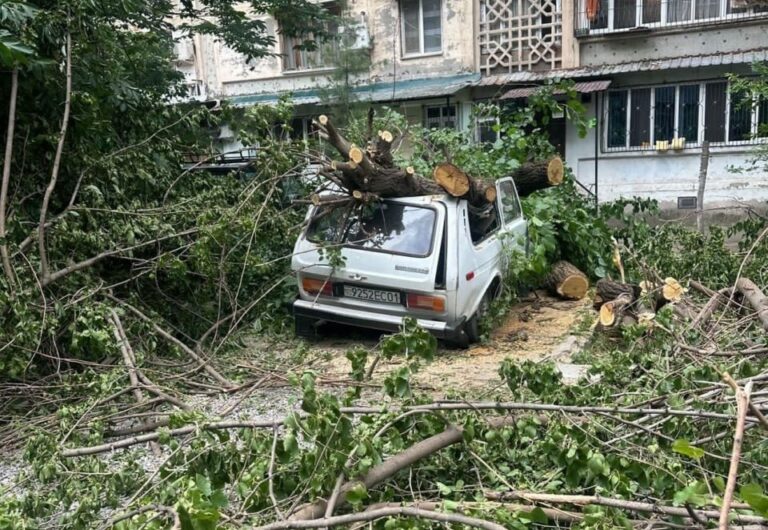
Asia-Plus users have continued to share real-time images and videos from affected areas, particularly highlighting recent fires in Sughd province.

Join us on social media!

Article translations:

Related Article

Оби зулол
Оби зулол

Most Read

Акика Алиф

Recent Articles

Donald Trump arrives in Beijing

Trump will spend three days in China.

In Tajikistan, a unique surgery was performed for the first time on a child with an extremely rare pathology

Tajik and Russian surgeons successfully performed the most complex reconstruction of the bladder and abdominal wall for a child with recurrent exstrophy.

The ministry of health states that hantavirus does not threaten Tajikistan

Cases of infection with this virus were detected on board the cruise liner Hondius near the Canary Islands.

Tajikistan lags behind other Central Asian countries in number of chain hotels – study

The Republic remains a niche market with a limited number of quality hotels.

Climate risks threaten food security in Central Asia – FAO

Land degradation reduces agricultural productivity. The loss of biodiversity weakens the ecosystems that farmers, livestock breeders, and rural communities depend on.

Potential or illusion? Why the world overlooks Tajikistan’s mineral wealth

The republic may indeed possess significant reserves of rare metals, but there is a catch...

The case of ousted Kyrgyz security boss classified and moves to court

The former head of the GKNB is charged with violent seizure of power and abuse of official position.

Trump states that Iran’s nuclear program is a higher priority than U.S. citizens’ economic issues

Fluctuations in energy prices led to record inflation in the United States in April, the highest in the past three years.

Foot-and-mouth disease, plague, and flu: Central Asia threatened by transboundary animal diseases

FAO urges Central Asian countries to strengthen coordination and epidemiological surveillance.