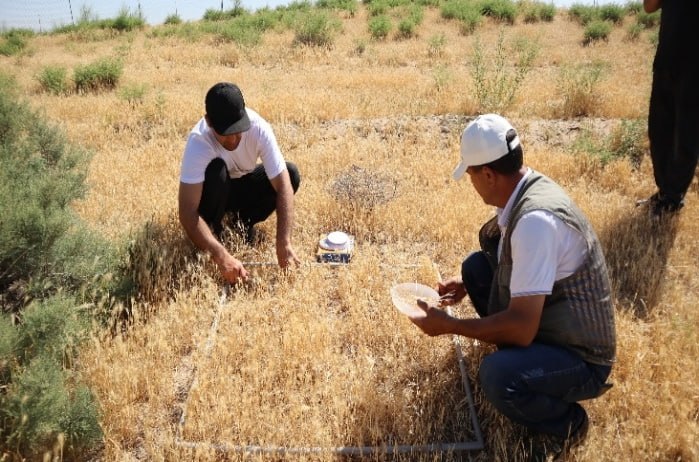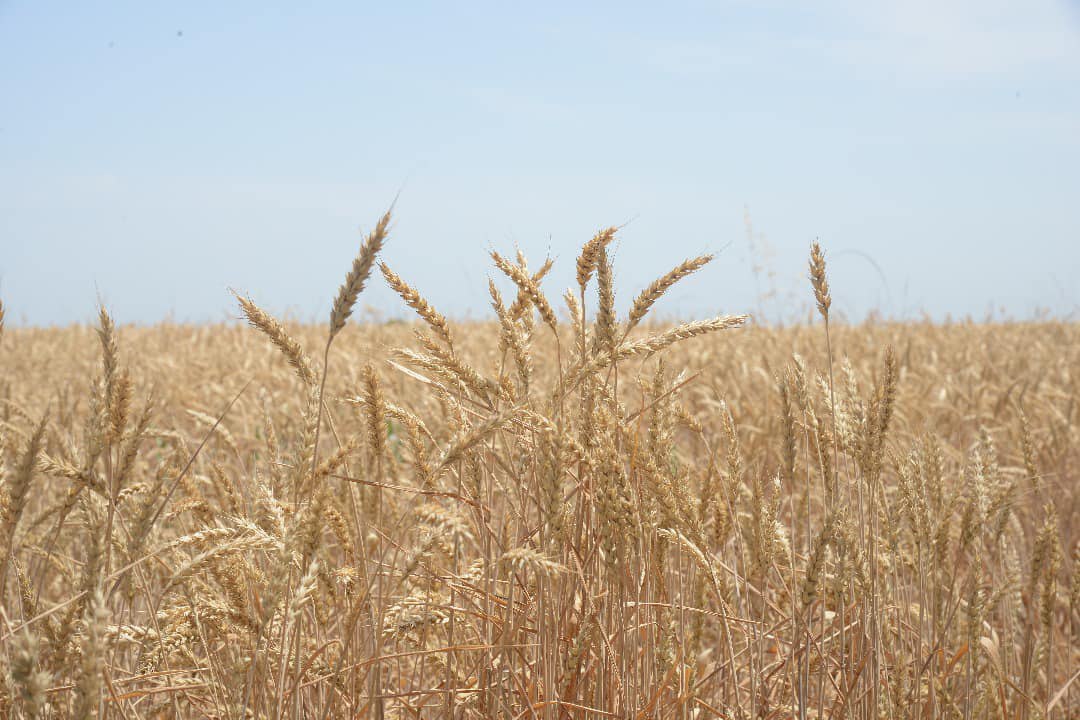
Tajikistan has harvested more than 550,000 tons of wheat since the beginning of the 2025 grain season, according to the Ministry of Agriculture. As of July 25, wheat was reportedly collected from approximately 164,000 hectares.
The total wheat planting area this year reached 197,825 hectares, with an average yield of 3.44 tons per hectare. A total of 1,078 combines were involved in the harvest.
The overall grain harvest, including all cereals, amounted to around 670,000 tons, with an average yield of 3.04 tons per hectare — slightly below the 685,000 tons recorded by July 1, 2024.
Steady growth forecast for grain sector
The agriculture sector is expected to see consistent growth in grain production over the next three years. From 2026 to 2028, production is projected to increase by an average of 2.5% annually, driven by the expansion of farmland, adoption of modern farming technologies, and increased government support for farmers.
Forecasts suggest total grain production will reach 1.919 million tons in 2026, 1.967 million tons in 2027, and 2.016 million tons by 2028.
Wheat, as a strategically important crop, is expected to grow at an even faster pace. Output is projected at 930,000 tons in 2026 (+2.7% year-on-year), 957,000 tons in 2027 (+2.9%), and 986,000 tons by 2028 (+3.1%).
Imports rise despite domestic production gains
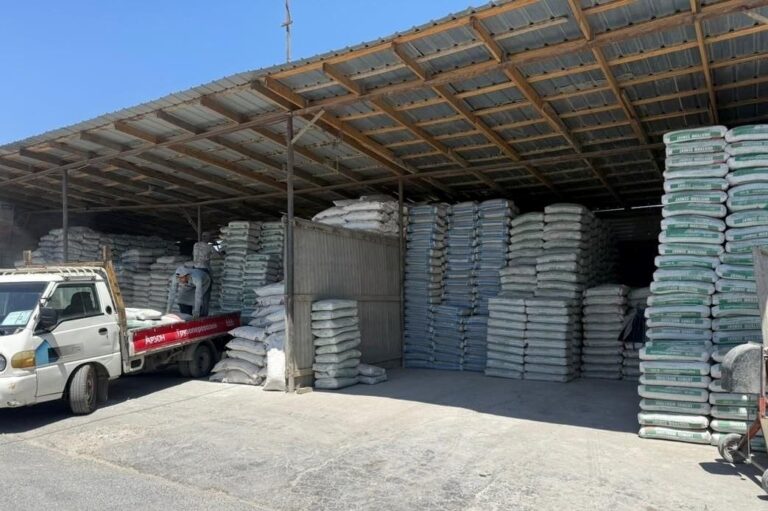
Despite the steady rise in local wheat production, domestic demand continues to outstrip supply. This has sustained Tajikistan’s reliance on wheat imports, which are expected to grow moderately in the coming years.
In 2026, wheat imports are projected at 1.156 million tons (+5.7%), increasing to 1.227 million tons in 2027 (+6.1%) and 1.308 million tons by 2028 (+6.6%). The rise is largely due to increasing consumption in the food industry and among households, creating a stable need for foreign raw materials.
At the same time, wheat flour imports are expected to decline as domestic processing improves. Thanks to expanded milling capacity, flour imports will likely fall to 59,000 tons in 2026 (–7%), 56,000 tons in 2027 (–5.6%), and 51,000 tons by 2028 (–9.1%).