Central Asia has made remarkable strides in fighting hunger, achieving one of the world’s sharpest declines in undernourishment over the past two decades, according to a new report by the UN’s Food and Agriculture Organization (FAO).
Between 2005 and 2024, the proportion of undernourished people in Central Asia dropped from 13.1% to just 2.8%. This translates to a reduction in the number of food-insecure individuals from 7.8 million to 2.3 million — a fivefold improvement.
The report credits the region’s success to food security policies and post-pandemic economic recovery, despite a temporary setback during the COVID-19 pandemic, when undernourishment briefly rose to 2.5 million people.
Globally, progress has been slower: undernourishment declined from 12% in 2005 to 8.2% in 2024.
Cost of a healthy diet still too high for many
In 2024, the average cost of a healthy diet in Central Asia was US$3.78 per person per day (in purchasing power parity terms), lower than the global average of $4.46. Despite this, the cost remains unaffordable for many low-income households — particularly in rural Tajikistan, where income levels are below the minimum required for balanced nutrition.
While the cost of a healthy diet has gradually increased from US$3.10 in 2019 to US$3.81 in 2023, 2024 saw a slight decrease — the first in five years — suggesting price stabilization or improvements in agricultural and logistics policies.
Still, around 14% of the region’s population — or 11.5 million people — cannot afford a healthy diet. This marks a decline from 19% in 2020 and 15.6% in 2023, making Central Asia one of the few regions showing steady improvement.
Child nutrition improves, but adult obesity and anemia remain a concern
FAO data shows sustained progress in child health across Central Asia over the past decade.
- Stunting among children under five was cut in half, from 14.8% in 2012 to 7.4% in 2024.
- Wasting (acute malnutrition) fell from 3.8% to 2.1%.
- Childhood overweight also declined from 7.7% to 6.4%, despite the region’s shift toward more urbanized lifestyles.
However, anemia among women of reproductive age remains persistently high — 32% in 2024, nearly unchanged from 2012. This points to ongoing deficiencies in iron and essential nutrients, particularly affecting pregnant women.
Meanwhile, adult obesity has risen alarmingly — from 18.8% to 25.1% over the past decade. The report links this to lower physical activity, poor dietary choices, and growing reliance on ultra-processed foods.
Protecting vulnerable communities
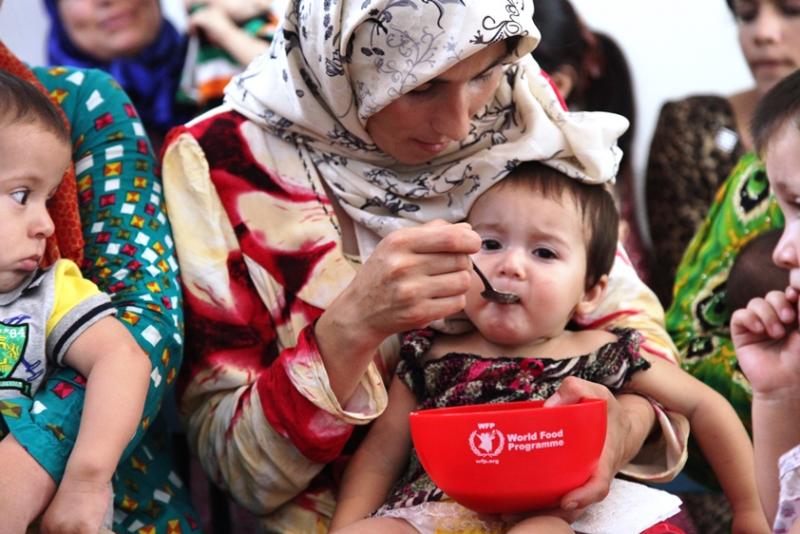
Following the onset of the war in Ukraine and export restrictions from Russia and Kazakhstan, Central Asia saw sharp increases in food prices — especially for wheat, cooking oil, and sugar. In response, many households cut back on meat, dairy, and fresh vegetables, turning instead to cheaper carbohydrates — a shift that disproportionately harmed children and pregnant women.
To address these risks, FAO recommends targeted subsidies for essential foods, maintaining strategic reserves, expanding social safety nets, and improving school meal programs. Additional support is needed in remote and mountainous areas, where aid delivery remains inconsistent.
Global hunger still a major challenge
Worldwide, about 673 million people — or 8.2% of the global population — faced hunger in 2024, a slight improvement from 8.5% in 2023. Still, the UN warns that without stronger action, up to 512 million people could remain chronically undernourished by 2030, jeopardizing the Sustainable Development Goal of “Zero Hunger.”
The report calls for coordinated international efforts to tackle the root causes of food insecurity and strengthen global food systems.