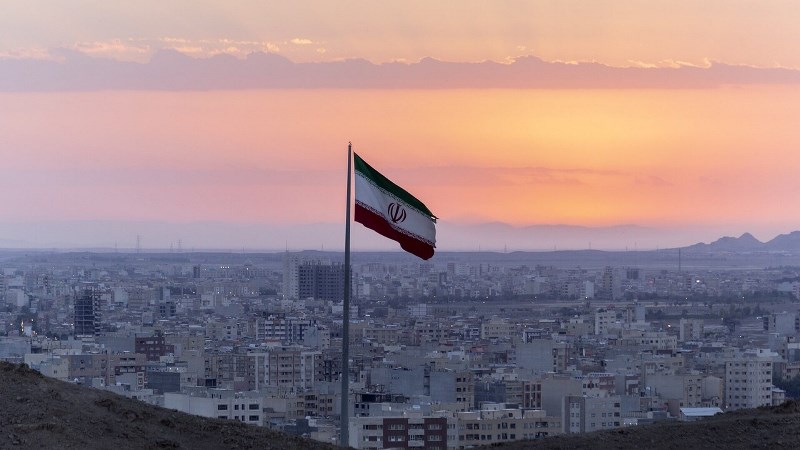
Iranian authorities have ordered the closure of government offices and banks in Tehran and 15 provinces on Wednesday, August 6, due to an ongoing extreme heatwave. The decision comes in response to water shortages and an overloaded power grid, Deutsche Welle reported on August 5.
Despite the closures, private companies, medical facilities, and select bank branches will continue operations.
The heatwave, which began in mid-July, is expected to persist for at least another five days. Southern Iran has been hit hardest — in Abadan, temperatures exceeded +50°C (122°F) on August 3.
Currently, Iran produces 62,000 megawatts of electricity per hour, while peak demand can reach up to 80,000 megawatts. This gap has led the government to implement scheduled power outages, cutting electricity for 2–4 hours every other day.
The capital, Tehran, has seen protests outside the state-owned electricity company Tavanir, as power cuts disrupt daily life. According to Shargh newspaper, some factories are operating without electricity four days a week, causing industrial output to fall to levels last seen during the COVID-19 pandemic in 2020.
The country is also grappling with its worst drought in decades, local media report.
It is to be noted that Iran has implemented similar shutdowns during the summers of 2023, 2024, and July 2025.
Thus, Iranian media reports said in late July last year that banks and other public institutions were closed in order to protect people’s health and conserve energy. Working hours of public institutions and banks were reduced to half as well. According to IRNA, extreme heat reportedly hit Iran in July last year, sending temperatures to high levels including above 40° Celsius in the capital Tehran. The hot weather is forecast to continue through the next four days.
271 people with symptoms of heat stroke visited medical centers in person, and 72 cases called the emergency department. Some 37 patients were taken to medical centers by emergency teams and 35 others were treated on the spot, he added.
Europe swelters under record-breaking heat
Meanwhile, Western Europe has also been gripped by a historic heatwave. In late June, the Spanish town of El Granado recorded a blistering +46°C, setting a new all-time June high.
In the UK and Germany, temperatures consistently remained above +30°C, while France battled wildfires. In Paris, temperatures soared to +35°C and higher.
June 2025 has been declared the hottest June on record in Western Europe, marking the third consecutive year of record-breaking temperatures. According to government data, the heat claimed the lives of 2,300 people across 12 European cities, with the highest death tolls reported in Milan, Paris, and Barcelona.