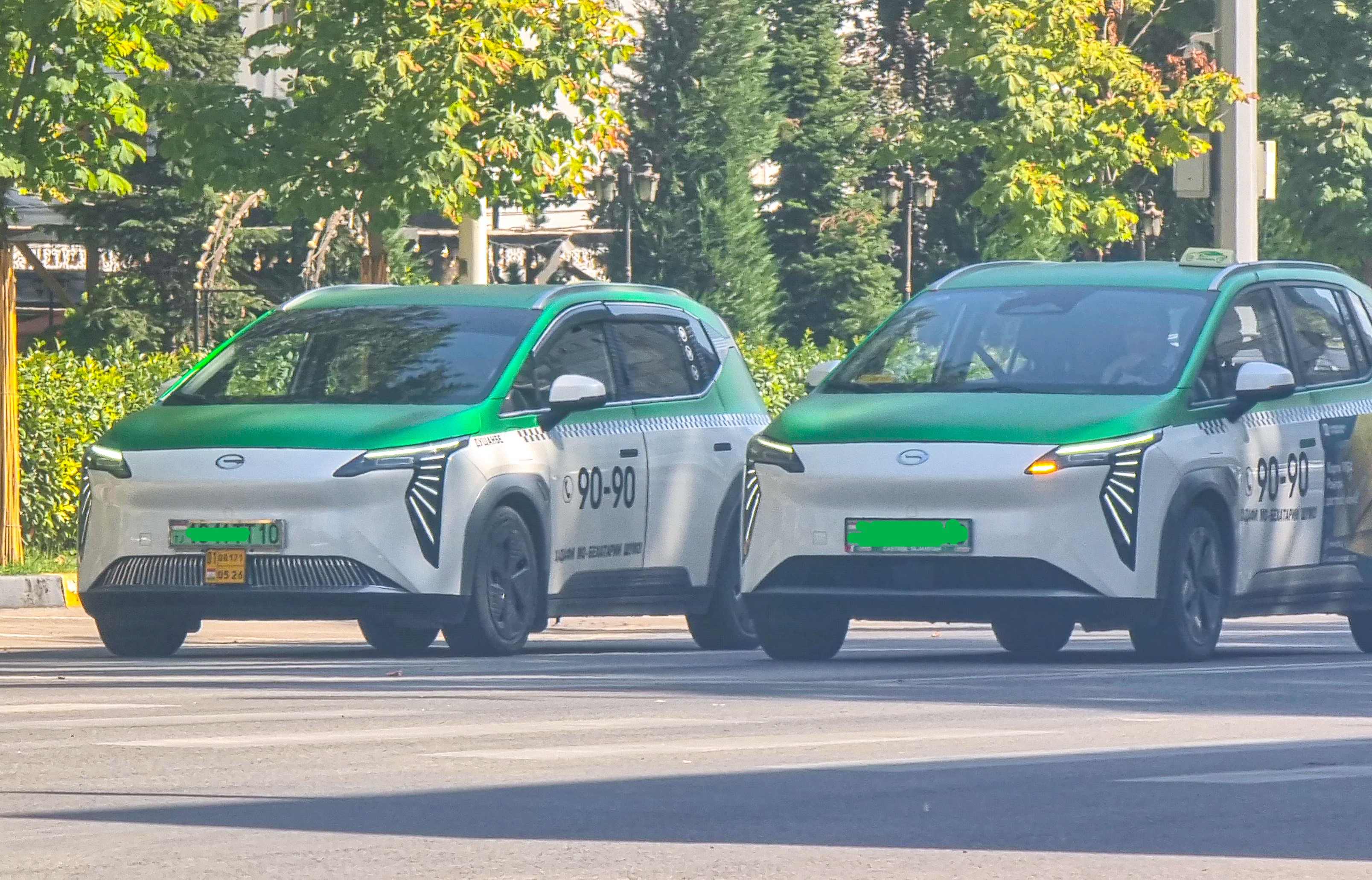
In the streets of Dushanbe, taxi vehicles can now be spotted with two types of license plates: green and yellow. The Traffic Police of Tajikistan have explained the reasoning behind the introduction of these dual plates for taxis.
In an interview with Asia-Plus, Mirali Abdurahmonzoda, head of the Tajikistan Traffic Police, clarified the role of the yellow plates. According to Abdurahmonzoda, the green plate is issued during the vehicle registration process, while the yellow plate serves to identify the legitimacy of taxi operations.
“The yellow plate is used to differentiate legal taxi drivers from those working illegally,” Abdurahmonzoda explained. He noted that many illegal taxis, often operating outside the capital, arrive in Dushanbe from other cities and districts.
“Only 12,000 taxis are officially authorized to operate in Dushanbe. However, some unauthorized taxis continue to create problems on the roads. The yellow plates are a tool to help us ensure that only these 12,000 legal taxis are operating in the city. Any additional vehicles will be promptly removed from the system,” he added.
Abdurahmonzoda also mentioned that the decision to install additional plates is made by the mayor of Dushanbe. All 12,000 taxis from four official companies operating in the capital are required to display the yellow plates.
A representative from the Traffic Police further explained that the agency distributes these additional plates to the taxi companies, which, in turn, distribute them for free to the drivers.
This measure was introduced following a decision by the Dushanbe city government in June to grant passenger transport rights to only four companies—Eco Taxi, Olucha, Koviyon, and Safo-Taxi—with each company permitted to operate a fleet of 3,000 vehicles, totaling 12,000 taxis. Previously, there were 12 companies operating in the city, with a combined fleet of 4,300 vehicles.
Under the new system, taxi drivers from the aforementioned companies are not allowed to operate outside of Dushanbe.
However, some drivers have voiced concerns about the actions of Traffic Police officers, claiming that their license plates are being removed, which hinders their ability to work. Some taxi drivers have also expressed frustration over financial pressures, stating they purchased their vehicles on credit and are required to make monthly payments.
Currently, drivers are also complaining that their companies are demanding daily payments of 100 somonis for services and passenger searches. Nevertheless, the taxi companies have denied these allegations.