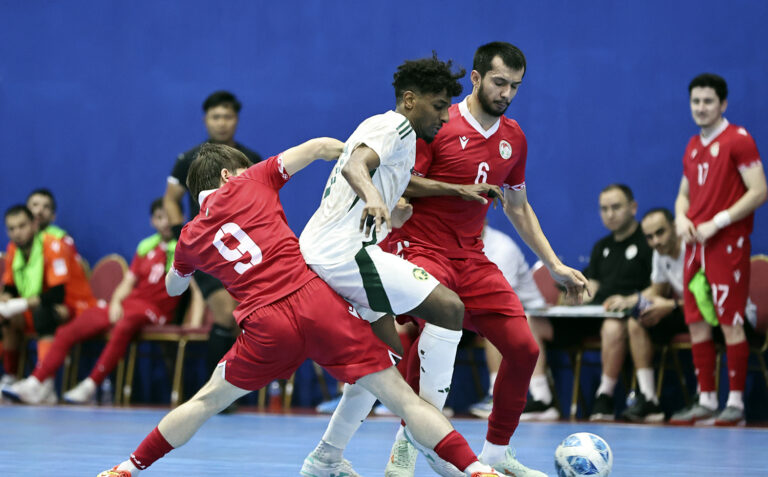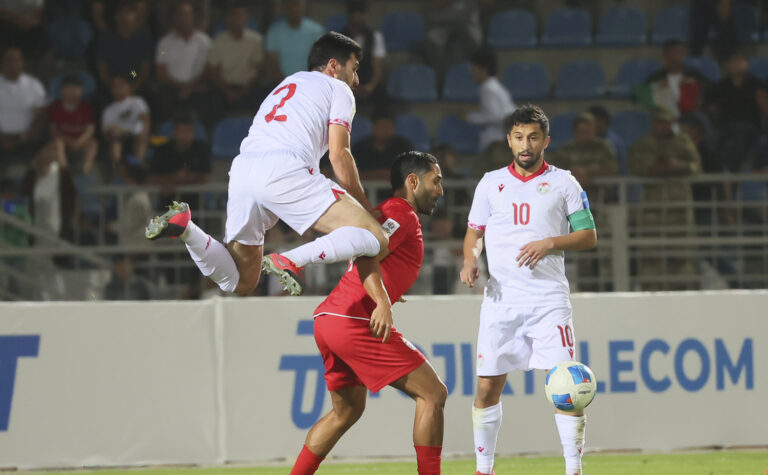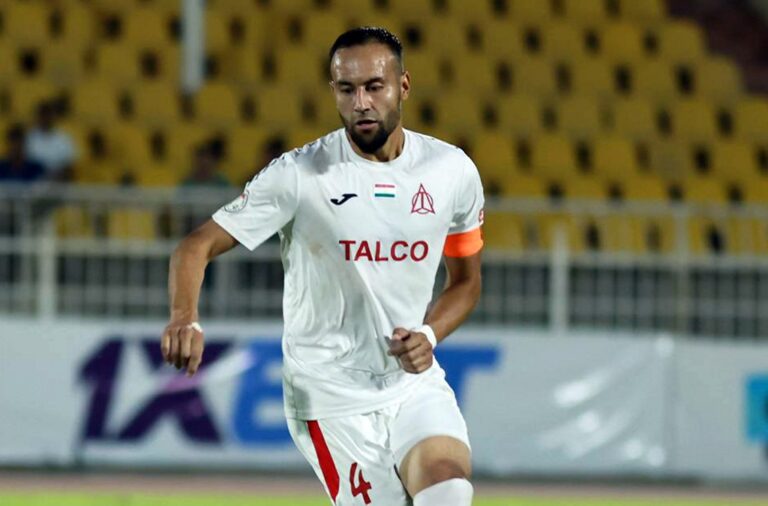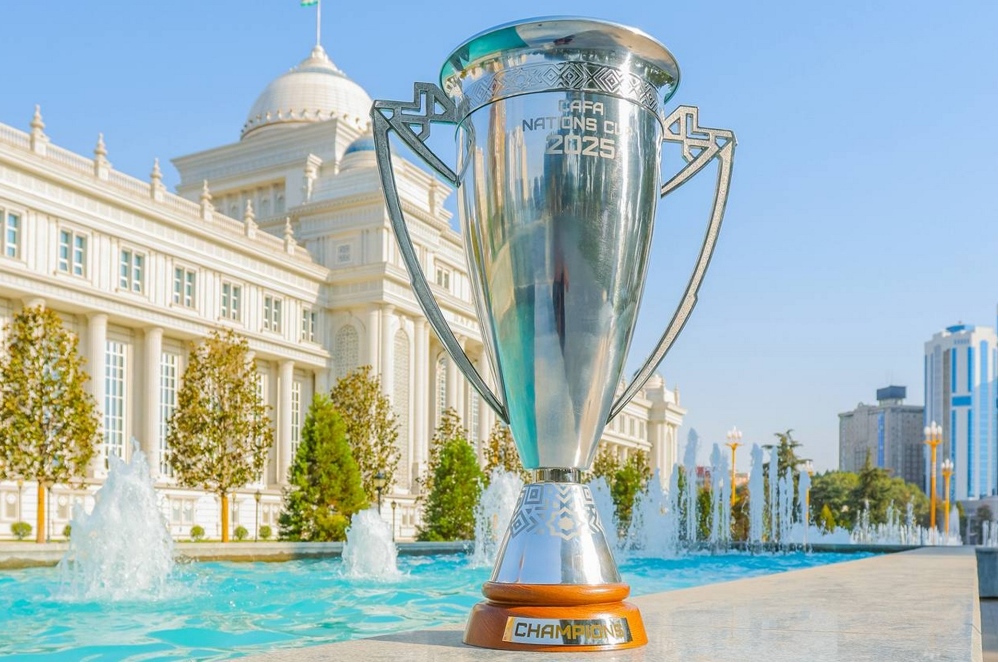
The Cafa Nations Cup 2025 brought together the national teams of Central and South Asia, but the difference between them is enormous.
The total cost of the tournament's sections is 127.35 million euros, but the distribution of this amount is impossible as a last resort: there are clear favorites and outsider teams.
Uzbekistan is the main favorite of the tournament
The national team of Uzbekistan is the most expensive participant of the tournament, its composition is estimated at 67.48 million euros. The team is gaining a strong core of players playing in European clubs, and is considered the main contender for victory.
Uzbekistan's top players: Abdukodir Khusanov – 35.0 million euros, Abbosbek Fayzullayev – 8.0 million euros; Eldor Shomurodov – 5.0 million euros; Oston Urunov – 2.0 million euros; Otabek Shukurov – 1.8 million euros.
Iran is a stable contender for the title
Iran ranks second in terms of cost – 26.0 million euros. The team is distinguished by its experience and regular performances at the World Championships and the Asian Cup.
Iran's most expensive football players: Mehdi Taremi – 3.5 million euros; Hussein Kanaani – 1.8 million euros; Saman Goddos – 1.5 million euros; Alireza Jahanbakhsh – 1.5 million euros; Amirhossein Hosseinzade – 1.5 million euros.
Oman is a strong middle peasant
The third place is occupied by the national team of Oman with a value of 9.95 million euros. The team combines experienced players and young talents, relying on fast attacking football.
Oman's leaders: Muhsen Al–Ghassani – 1.0 million euros; Essam Al–Subhi – 500 thousand euros; Dahman – 500 thousand euros.
Tajikistan is the team of the future
The Tajik national team is estimated at 7.93 million euros and relies on its own students and foreign players. The team had already proven its potential, but it only remained to confirm it.
The most expensive players in Tajikistan: Rustamikimov – 1.5 million euros; Parviz Umarboev – 600 thousand euros; Zoir Juraboev – 600 thousand euros; Ehsan Panjshanbeh – 600 thousand euros; Alisher Jalilov – 500 thousand euros.
Kyrgyzstan – betting on discipline
The cost of a football player is 6.65 million euros. The team is known for its organized play and ability to surprise any opponent.
Key players of the Kyrgyz national team: Joel Kojo – 600 thousand euros; Gulzhigit Alykulov – 600 thousand euros; Tamirlan Kozubayev – 450 thousand euros; Christian Braunman – 450 thousand euros.
India is betting on competitiveness
The Indian national team is estimated at 5.38 million euros and focuses on teamwork. Despite the modest cost, the team showed its mettle by beating Tajikistan in the first round.
The most expensive football players in India: lallinzuala chhante – 350 thousand euros; Sandesh zhingan – 300 thousand euros; Suresh Singh – 300 thousand euros; Anwar Ali – 300 thousand euros.
Turkmenistan is a stable but undervalued participant
The cost of the team is 2.53 million euros. The Turkmen national team is known for its tenacity and always plays above expectations.
The leaders of Turkmenistan: Altymurad annagulyev – 200 thousand euros; guichmyrat annagulyev-175 thousand euros; Abdi Byashimov-175 thousand euros.
Afghanistan is the main outsider
The Afghan national team closes the ranking with a value of 210 thousand euros. The only player with a noticeable market price is Rahmat Akbari – 150 thousand euros.
The difference in cost is impressive
Interesting facts:
– Uzbekistan is more than 320 times more expensive than Afghanistan;
– The combined cost of Uzbekistan and Iran (93.5 million euros) exceeds the total price of the other six national teams.
Tajikistan and Kyrgyzstan occupy the middle of the ranking and have the potential for growth, especially with young players playing abroad.
Let's add that the CAFA Nations Cup 2025 is not only a competition for the cup, but also a talent fair. A successful performance can significantly increase the transfer value of players, and for many players this tournament will be a step towards moving to other championships.