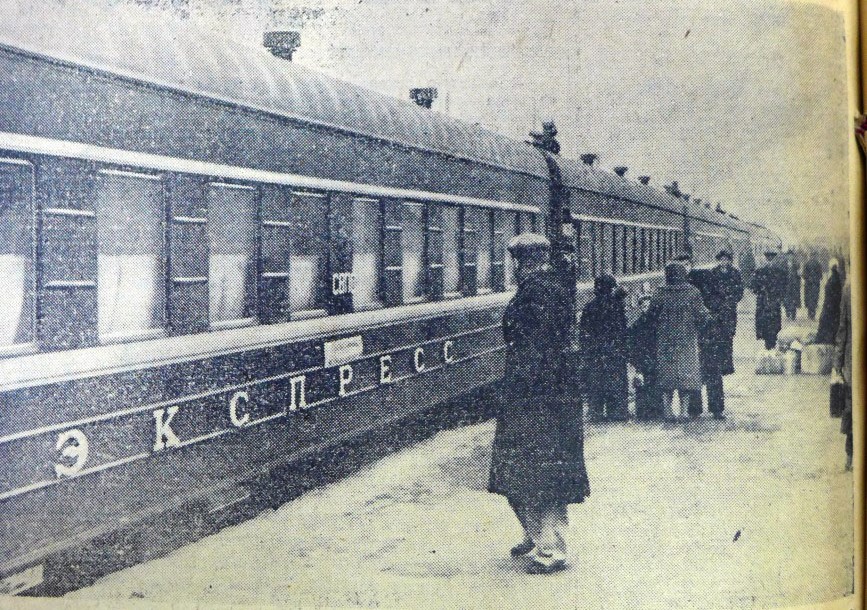
For Tajikistan, the issue of quickly overcoming space in the 20-30s of the last century became of paramount importance. Because the lack of communication routes, transport corridors, and complete lack of roads hindered the development of the republic.
In November 1925, the authorities decided to build a railway and appealed to the Chairman of the Government of the USSR Valerian Kuibyshev with a request to allocate the necessary funds.
On April 16, 1926, it was decided to build a broad-gauge Termez-Dushanbe railway with a total length of 225 kilometers. The funds – 14 million rubles in gold – for its construction were allocated from the union budget. An order was issued for the complete and uninterrupted provision of all materials for the construction of the railway.
Engineering and technical personnel for the construction of the road were sent from Moscow and Leningrad.
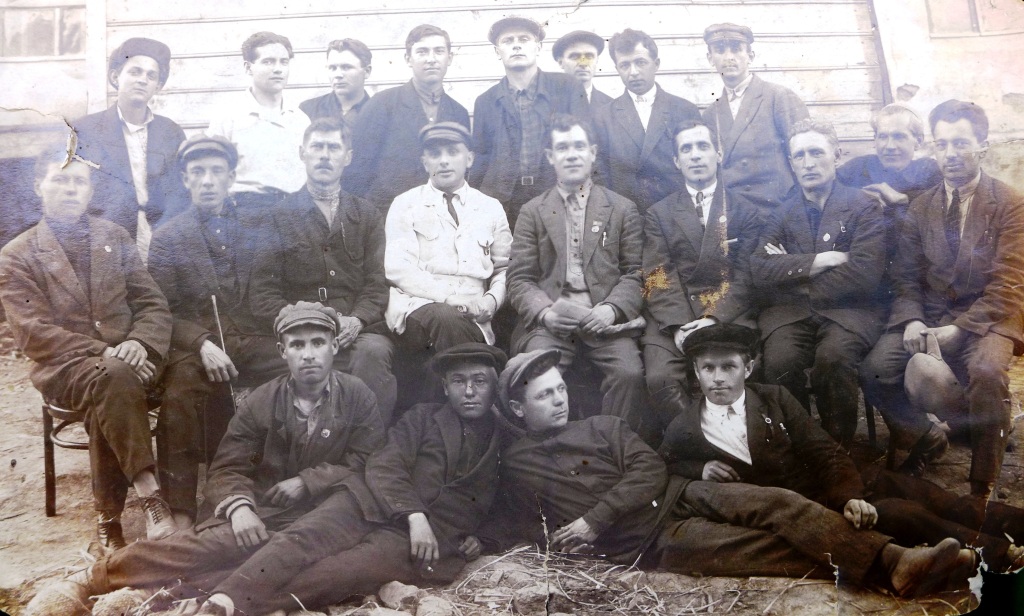
The entire construction process was carried out manually. Armed with shovels, crutch hammers and wrenches, the builders laid the railway track. From Denau to Dushanbe, before erecting the capital embankment, the builders constructed a temporary railway track from… reeds, laid rails on it and used such a shaky canvas to deliver soil from afar for the capital embankment.
The project of the entire road was ready three years after the start of work – in the autumn of 1928. Before the final draft was drawn up, there was a separate draft for each site.
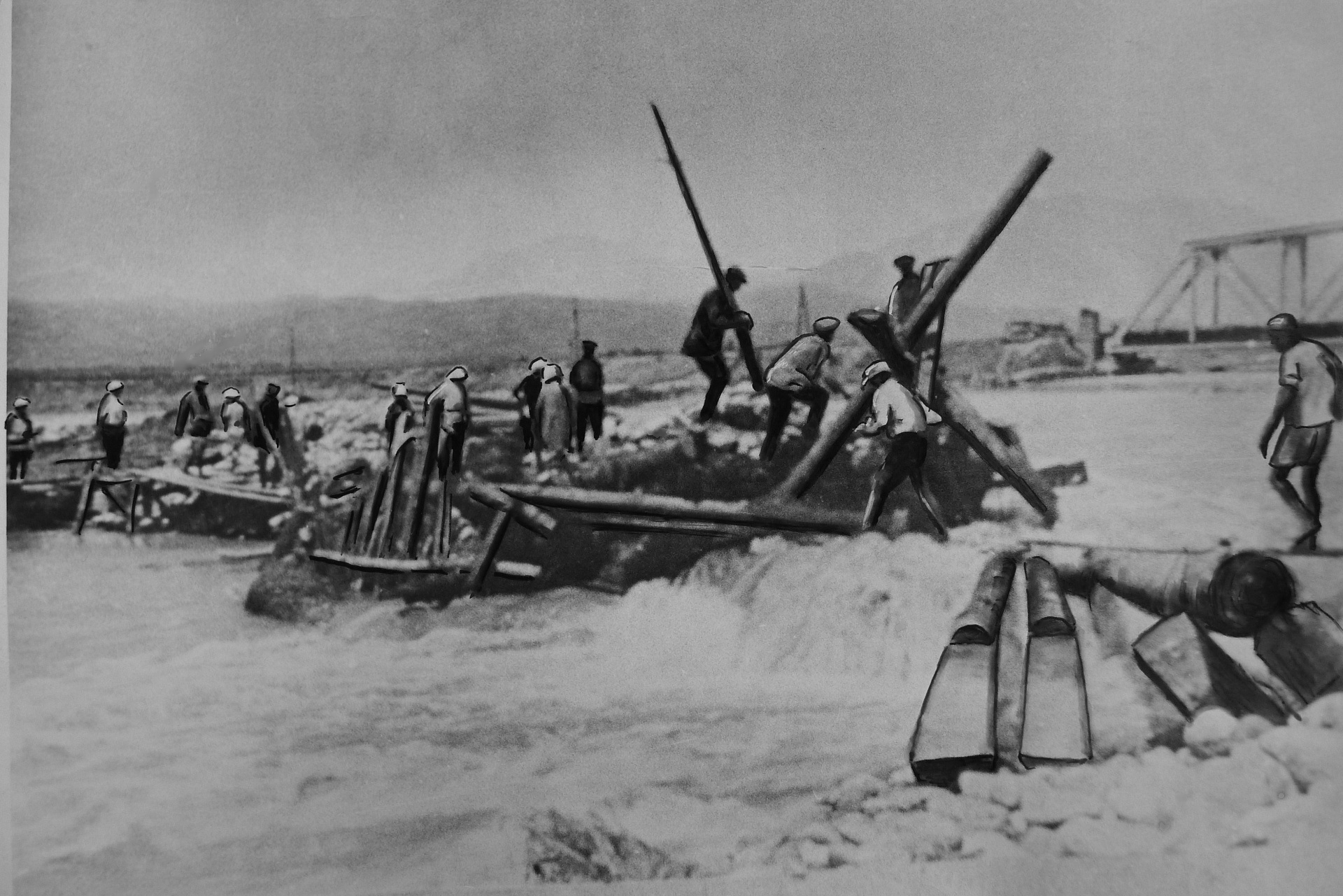
Paradoxically, the last surveys of the route were carried out already when the railway bridges were built. The railway line had to be brought to the bridges, instead of building bridges where the line ran.
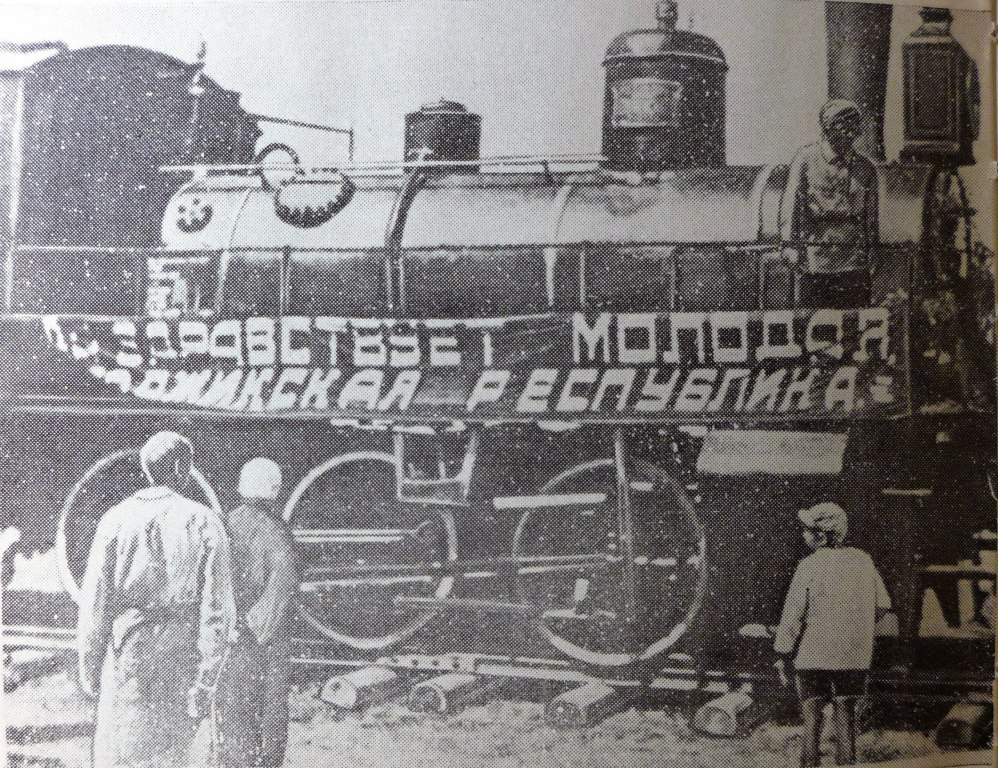
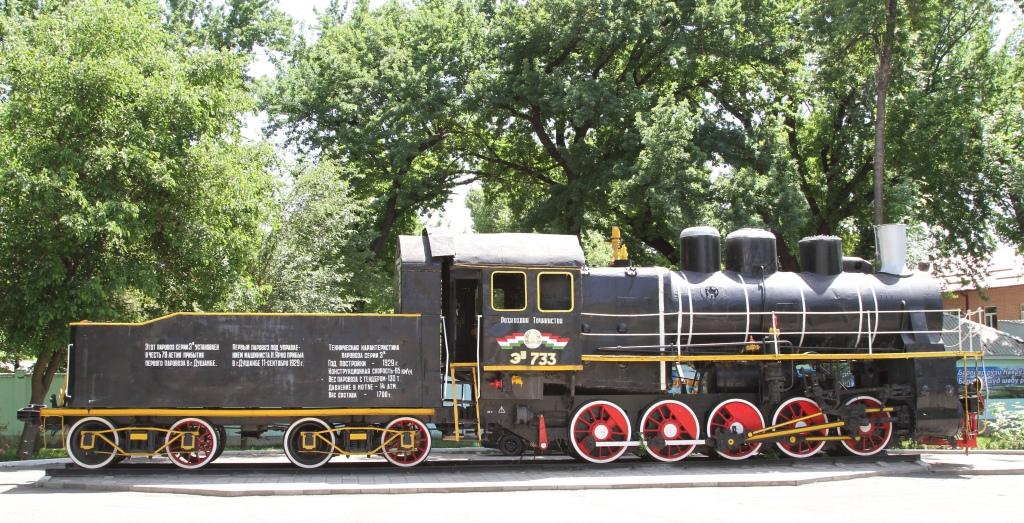
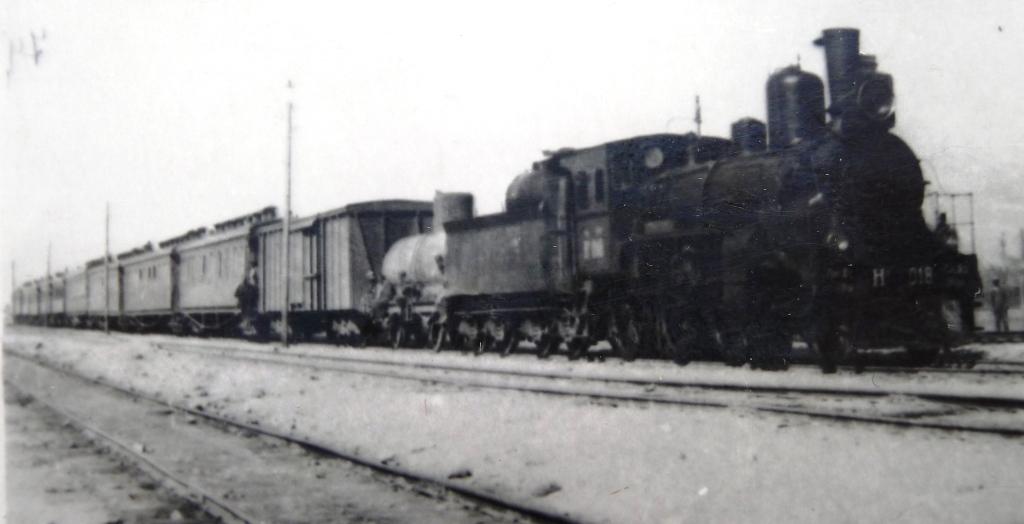
On September 10, 1929, the railway line was brought to Dushanbe. There was no station back then. The builders simply stuck the flag in the ground at the site of the future railway station. And in the same year, the first train arrived in Dushanbe.
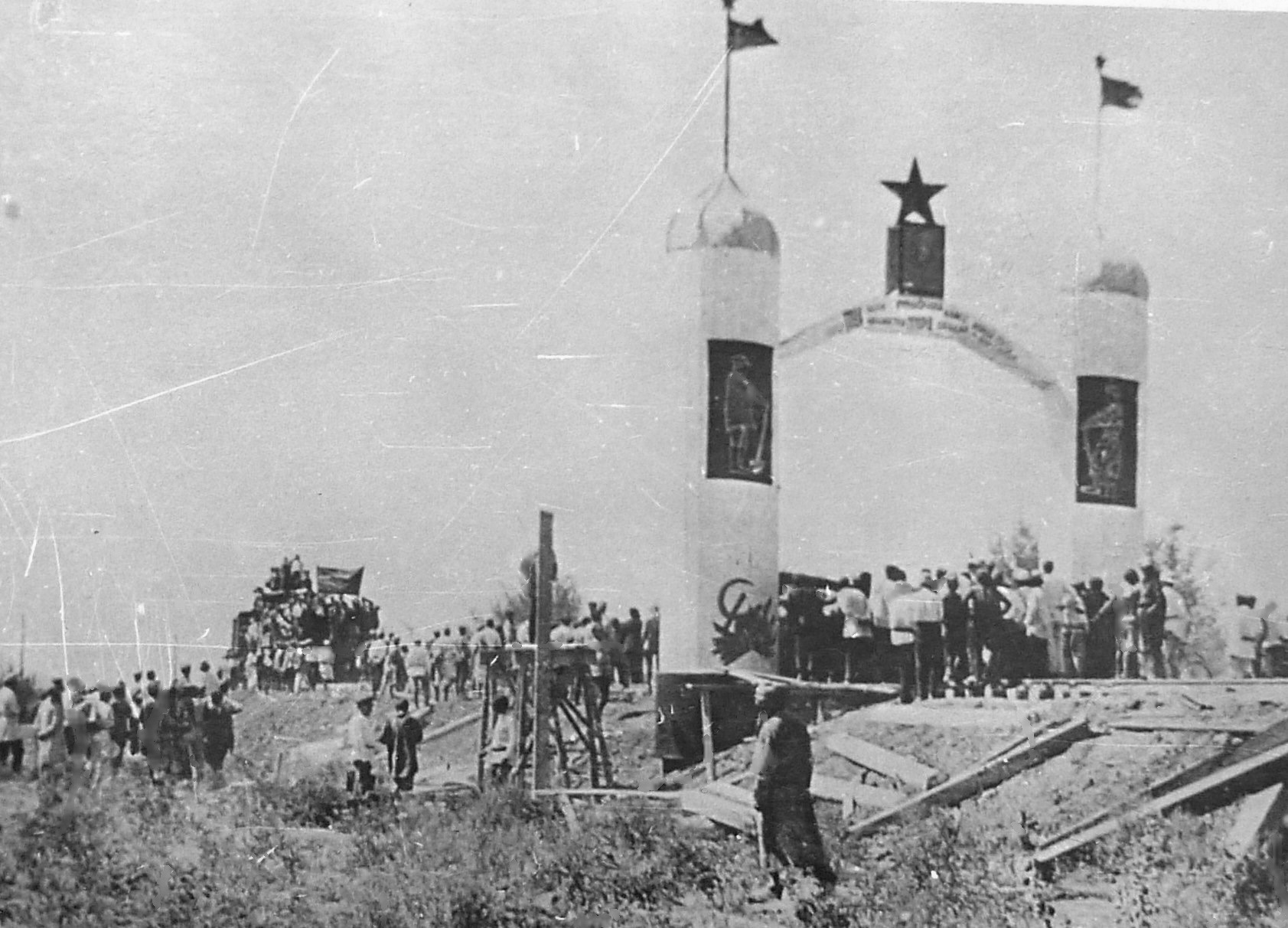
After the arrival of the train in Dushanbe and the establishment of railway communication with Tajikistan, construction work to strengthen the roadbed and replace temporary structures with permanent ones along the railway route continued until 1935.
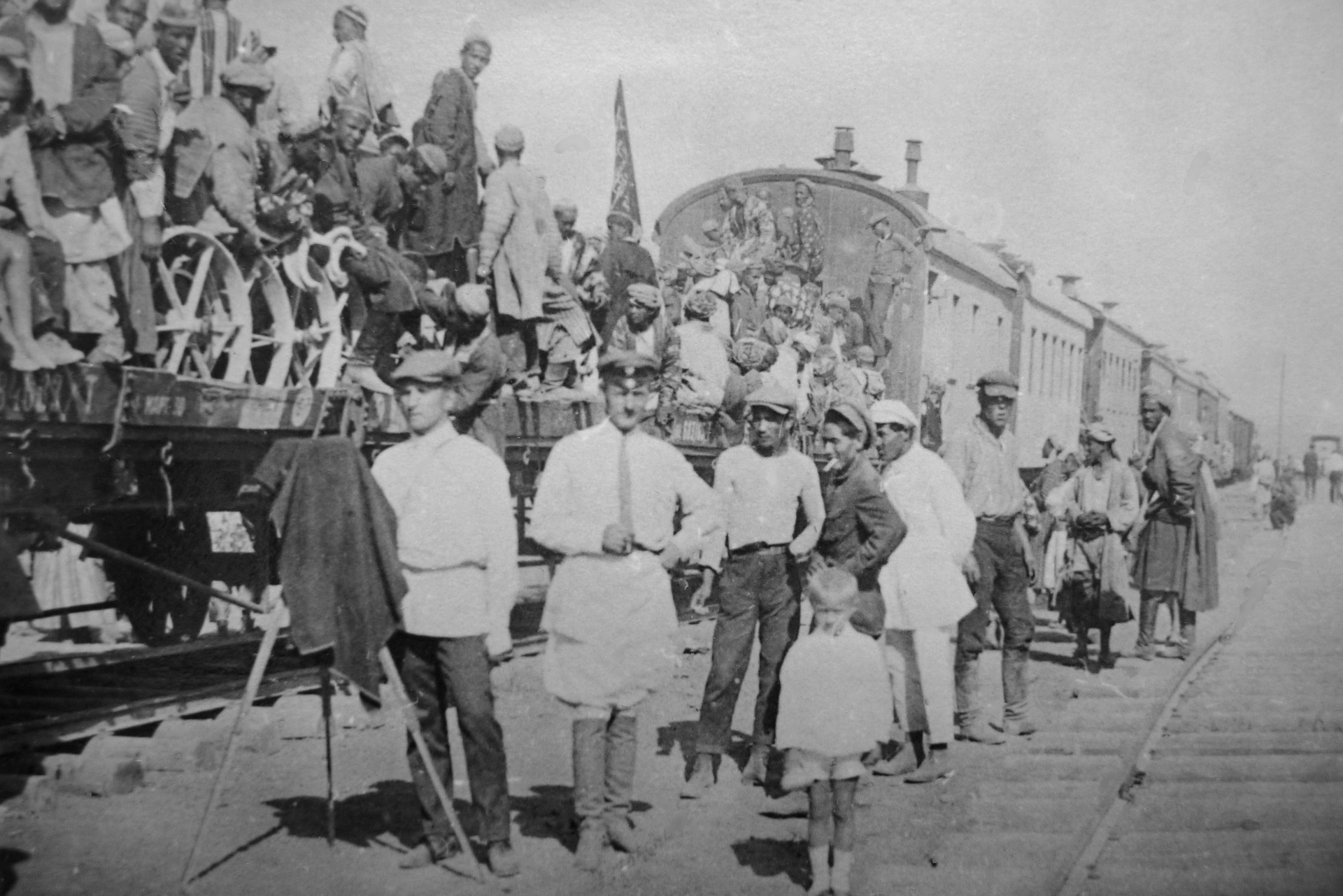
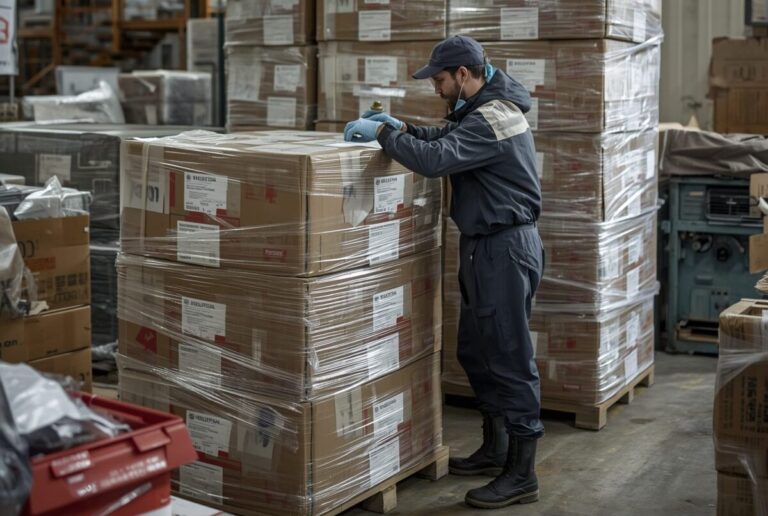
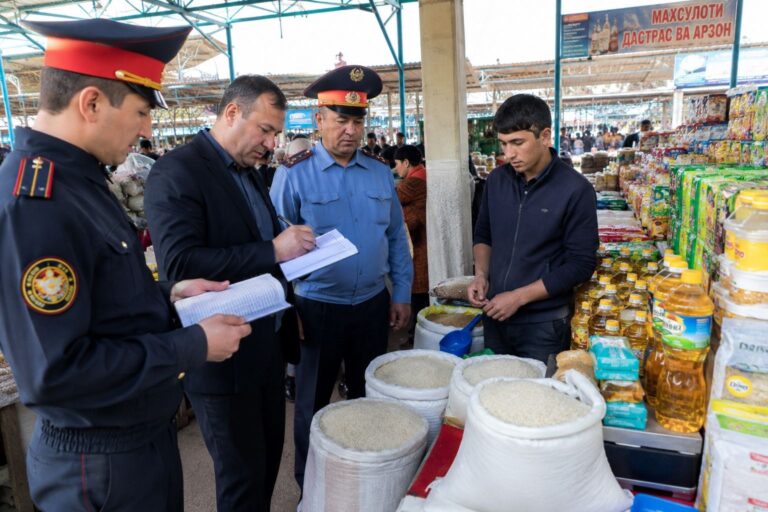
The completion of the railway line to Dushanbe allowed for the movement of a huge flow of goods to the republic for industrial construction, agriculture and trade.