Tajikistan joins global WE Finance Code to support women entrepreneurs

Tajikistan has officially joined the Women Entrepreneurs Finance Code (WE Finance Code), a global initiative launched under the auspices of the European Bank for Reconstruction and Development (EBRD), according to press release issued by the EBRD.  The ceremonial signing marked a milestone in advancing women’s economic empowerment in the country. The initiative aligns with Tajikistan’s […]

Asia-Plus

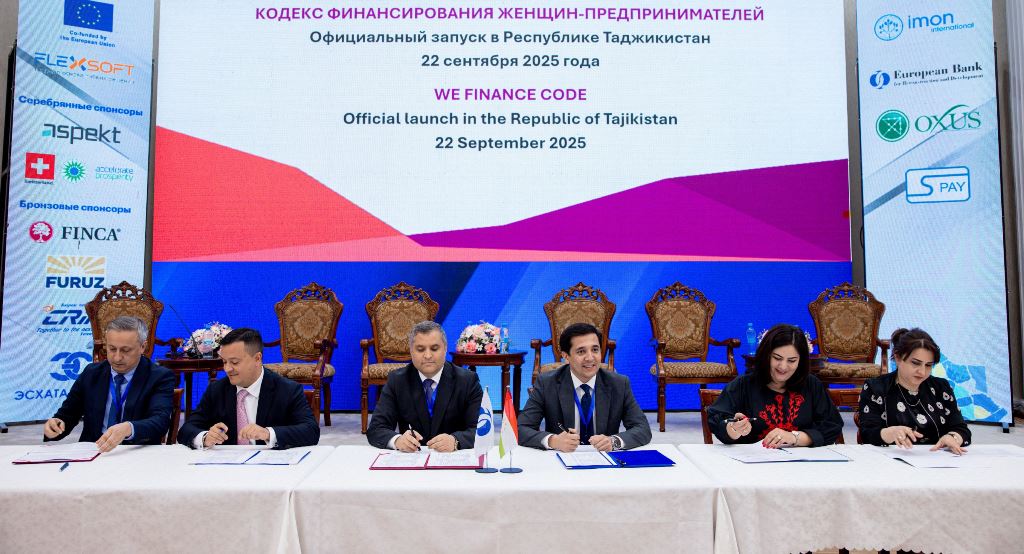
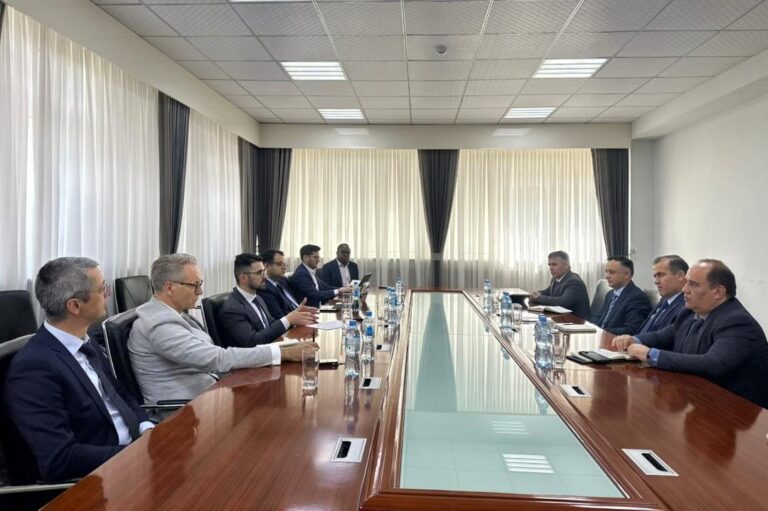
Tajikistan has officially joined the Women Entrepreneurs Finance Code (WE Finance Code), a global initiative launched under the auspices of the European Bank for Reconstruction and Development (EBRD), according to press release issued by the EBRD.  The ceremonial signing marked a milestone in advancing women’s economic empowerment in the country.

The initiative aligns with Tajikistan’s State Program for Supporting and Developing Women’s Entrepreneurship through 2027. National partners of the WE Finance Code include the Agency on Statistics and the National Bank of Tajikistan.
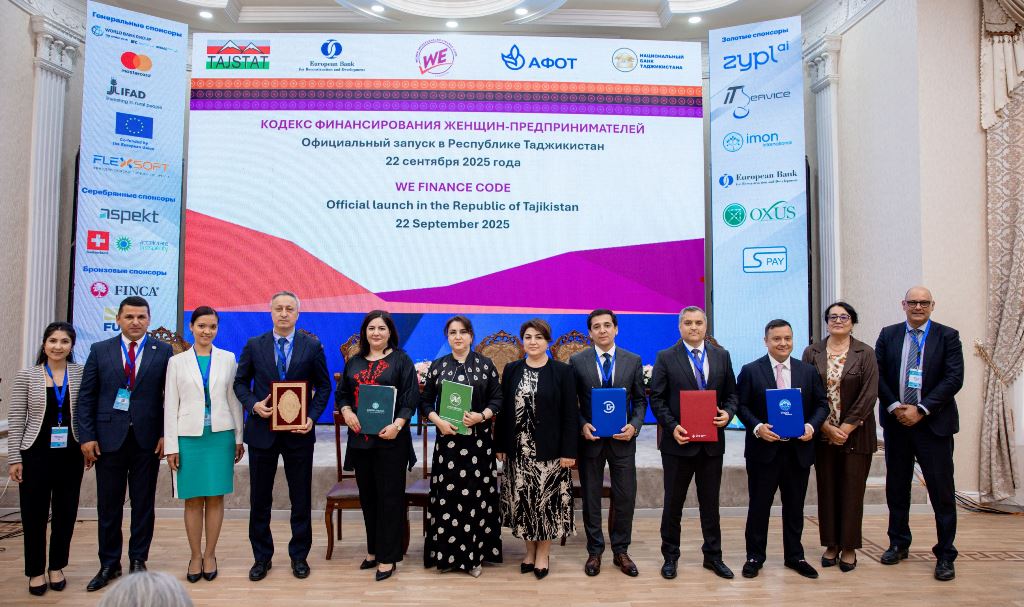
As part of the ceremony, six leading financial institutions in Tajikistan – Amonatbonk, Bank Arvand, Eskhata Bank, IMON International, Investment and Credit Bank of Tajikistan, and Humo Bank – became the country’s first official signatories.  By joining the Code, they committed to expanding access to finance and creating a more enabling environment for women-led businesses.
A key feature of the initiative is the launch of an Analytical Information Platform (AIP), designed to support evidence-based decision-making for policymakers, financial institutions, and development partners.  The platform consolidates gender-disaggregated data from the Agency on Statistics, the National Bank, the Tax Committee, and credit bureaus, covering business ownership, regional and sectoral distribution, as well as credit, collateral, and deposit indicators.

The platform will be hosted by the Agency for Statistics, with technical support from the EBRD, and its functionality will be gradually expanded to provide comprehensive tools for both government and the business community.
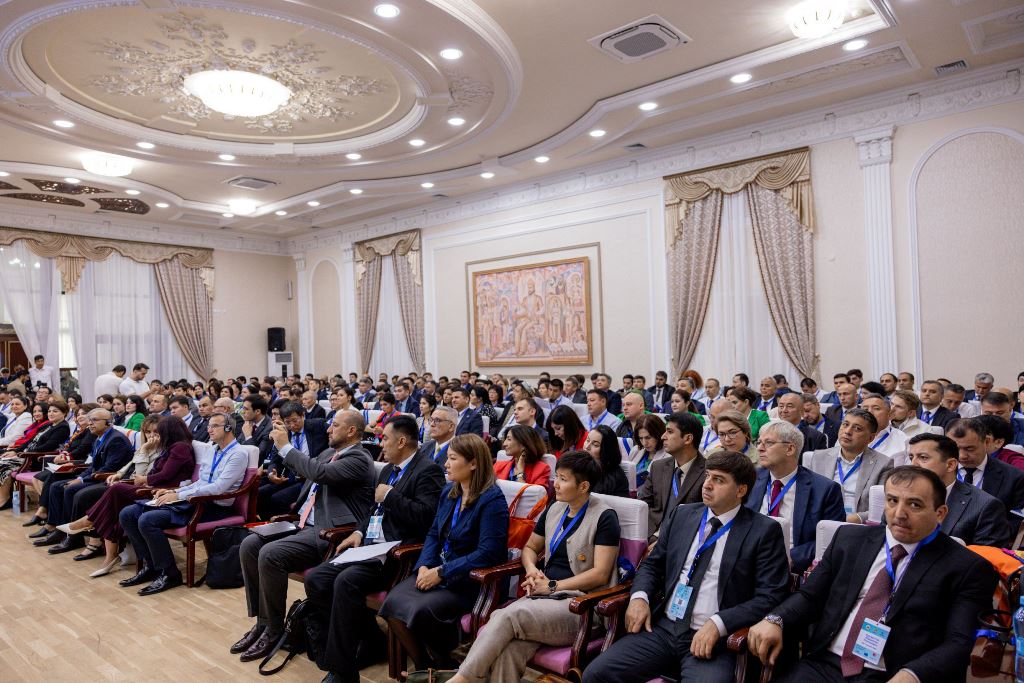
The WE Finance Code brings together 14 countries and 8 international development organizations, working collectively to improve women’s access to finance, strengthen the capacity of financial institutions, and promote the exchange of best practices worldwide.
Join us on social media!

Article translations:

Related Article

Оби зулол
Оби зулол

Most Read

Recent Articles

India’s blockchain push and lessons for the global south

The Indian Government has started pushing aggressively its agenda of embracing blockchain technology, and the same has received a new lease of life with...

India’s blockchain push and lessons for the global south

The Indian Government has started pushing aggressively its agenda...

25 Years in Touch: On Generation Change, “Digital” and “Invisible” Work

In its 25th anniversary year, "MegaFon Tajikistan" summarizes its...

The number of entrepreneurs in Tajikistan increases by 4.3%

The number of entrepreneurs operating under a patent is increasing the fastest.

Trump announces “very good” talks with Iran and the possibility of a quick agreement. Tehran did not comment on this

The President of the United States claims that Tehran has agreed to the US demand to abandon the development of nuclear weapons.

Police report the discovery of the remains of a man who had been missing since December 2025

A friend of the murdered person has been detained on suspicion of particularly brutal murder.

Residents of a settlement in Sughd: “Afghan refugees have disappeared from the Dehmoy jamoat”

Earlier, a citizen of Afghanistan was detained on charges of murdering a resident of Khujand.

In Russia, it was proposed to revoke residence permits and temporary residence permits from migrants who do not work for more than two months

During January-March 2026, 90% more residence permits were revoked from migrants in the country compared to the same period last year.

From reach to influence: why advertising no longer works by old rules discussed in Dushanbe

Market research forces a complete reconsideration of the advertising budget allocation strategy.