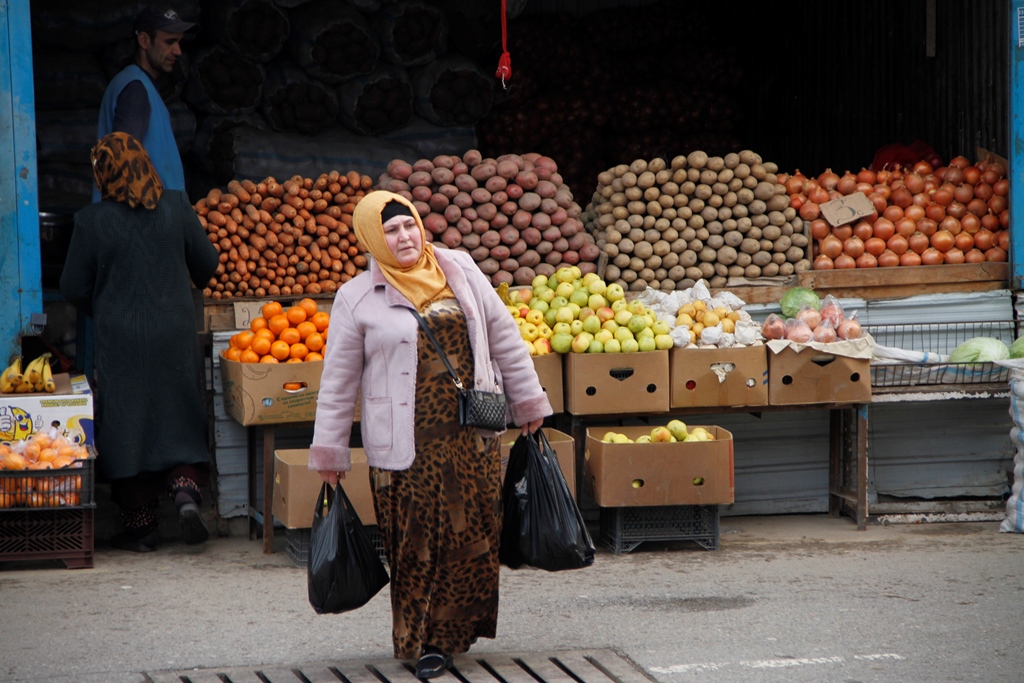
Around 8% of Tajikistan’s population is currently grappling with hunger and food insecurity. Despite nearly half of the country's workforce being engaged in agriculture, ensuring sustainable access to food remains a critical challenge for national development.
This issue was highlighted during a press briefing in Dushanbe, held on October 3 to mark the 80th anniversary of the founding of the United Nations Food and Agriculture Organization (FAO).
According to FAO estimates, two decades ago, over 30% of Tajikistan's population suffered from chronic undernourishment. The main challenges were linked to outdated irrigation infrastructure, low crop yields, and limited access to markets.
By 2015, the level of food insecurity dropped to 20-22% of the population, thanks to investment in agriculture, programs supporting farmers, and international climate adaptation initiatives. However, rural households remained vulnerable due to low incomes, dependence on labor migration, and food price volatility.
Despite significant progress, Tajikistan still faces a range of pressing issues, and the FAO continues to play an active role in addressing them. The organization supports projects focused on sustainable agriculture, the creation of seed banks, conservation of plant genetic resources, the implementation of water-saving technologies, pastureland management, and enhancing the resilience of rural communities to climate change. Additionally, initiatives are underway to digitize agriculture and train farmers in modern agribusiness practices.
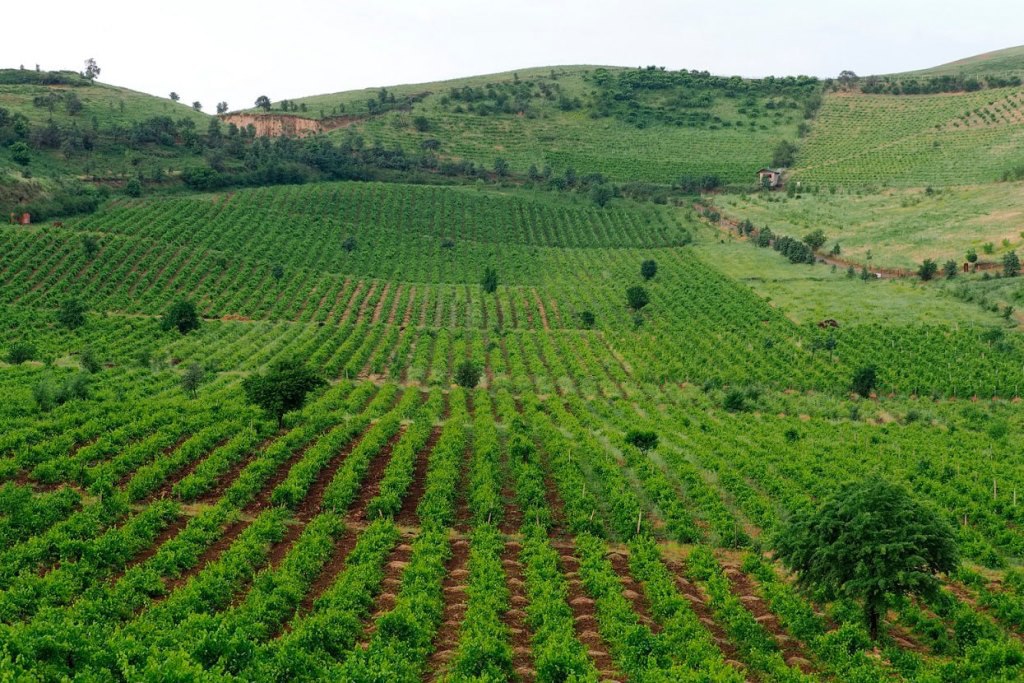
During the briefing, short films were presented, showcasing sustainable agriculture initiatives. Among them was the "Almosi Valley," a globally important agricultural heritage system (GIAHS), as well as FAO projects in Tajikistan focused on seed bank creation, sustainable farming, and climate adaptation measures.
One standout project was the "Digital Villages" initiative, implemented in the Hisor Valley. In the village of Lolazor, where residents traditionally engage in viticulture and livestock farming, digital tools are now being used for weather monitoring, pastureland management, and promoting local products. This initiative could serve as a model for other regions in the country.
Participants emphasized that the collaboration between the government, private sector, and international partners will be key to strengthening food systems, reducing the vulnerability of rural areas, and ensuring equal access to quality nutrition for all citizens of Tajikistan.