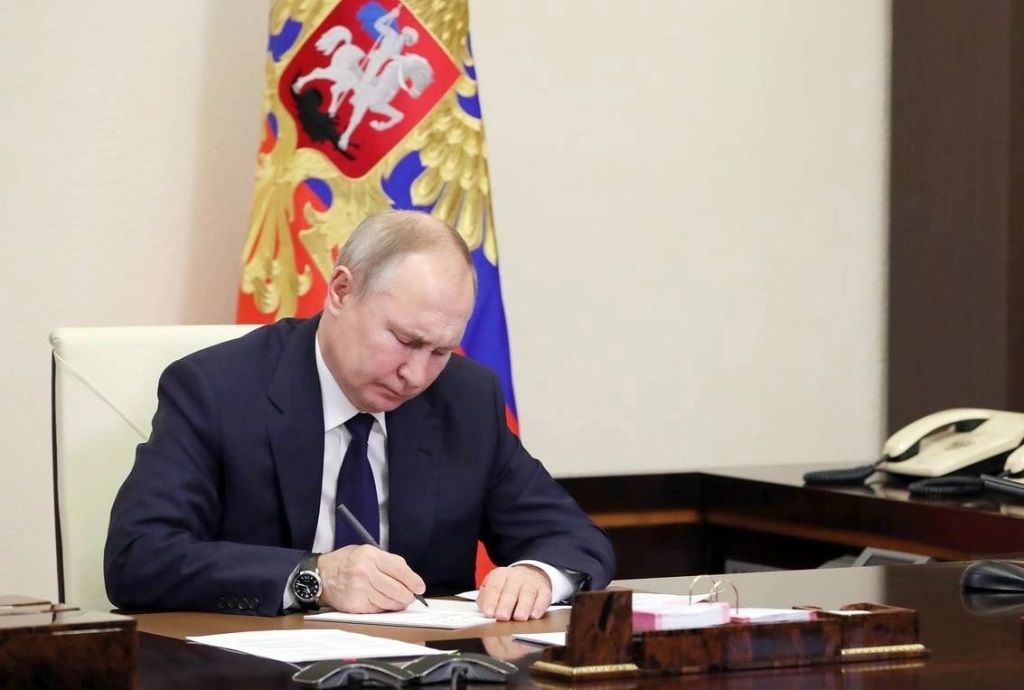
Russian President Vladimir Putin has officially approved the State Migration Policy Concept of the Russian Federation for 2026–2030, replacing the previous framework that was in effect from 2019 to 2025. The new document, published on the official legal acts website, outlines the country’s updated goals and strategies for managing migration over the next five years.
The Concept emphasizes a balance approach to migration — aiming to meet demographic needs, labor market demands, national security concerns, and social integration challenges simultaneously.
Key priorities: integration, security, and shared values
The updated policy reflects years of accumulated experience in regulating the entry, residence, and legal status of foreign nationals in Russia. It also incorporates refined procedures for temporary asylum and citizenship acquisition.
One of the core messages of the new Concept is that migrants should not only adapt but also embrace traditional Russian values, actively contribute to society, and seek long-term residency.
Among the new policy measures:
- Promoting Shared Values: Russia aims to increase the proportion of migrants who recognize and accept the country’s cultural, historical, and spiritual values.
- Education for Migrant Children: Special focus is placed on ensuring that children of migrants attend school and are not left outside the education system.
- Restrictions for Non-Working Family Members: New rules will limit the stay of migrants' family members who neither work nor study, unless they are engaged in adaptation programs or socially beneficial activities.
- Preventing Ethnic Enclaves: Authorities seek to counter the formation of mono-ethnic neighborhoods, which they say could lead to social isolation and conflict.
- Digitalization and Biometrics: The policy envisions wider use of information technology and biometric data in migration monitoring and management, aiming to improve transparency and efficiency.
- Reducing Illegal Migration and Crime: A key target is to significantly cut the number of undocumented foreigners in Russia and reduce crime rates involving migrants by 2030.
- Attracting International Students: The document supports increasing the number of foreign students at Russian universities as part of a broader humanitarian and intellectual exchange strategy.
- Easier Path to Citizenship: Migrants who have legally integrated, demonstrated language proficiency, and have no criminal background will benefit from a simplified citizenship process.
- Strengthening International Cooperation: Russia plans to boost migration cooperation, particularly with CIS countries and neighboring states, focusing on joint planning, data exchange, and combating illegal migration.
The new Concept marks a shift toward cultural integration and stricter regulatory control, positioning migration not just as a labor issue, but a matter of national security and social cohesion.