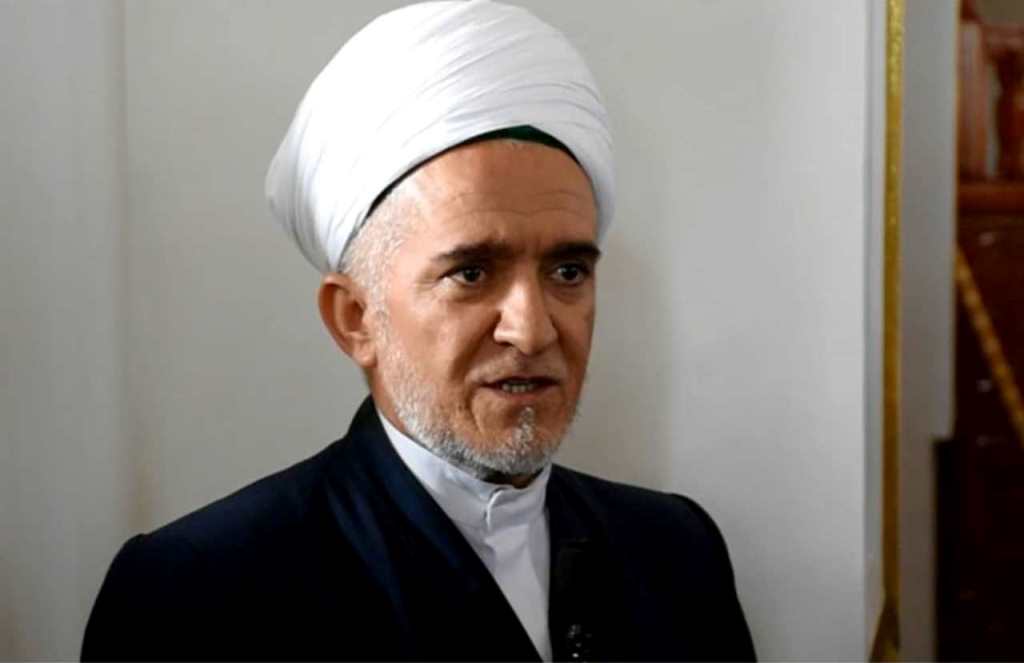
The Chairman of the Council of Ulema (Shuroi Ulamo) of Tajikistan, Saidmukarram Abduqodirzoda, has voiced concern over the growing popularity of cosmetic procedures and tattoos among Tajik citizens, calling such practices “haram” (forbidden in Islam).
A video of the mufti’s speech was published on October 19 on the official YouTube channel of the Islamic Center of Tajikistan.
In a comment to Asia-Plus, Abduqodirzoda confirmed that he addressed the topic “during a live broadcast on October 15 and again during the Friday prayer on October 17 at the central mosque of the country.”
In his sermon, Abduqodirzoda sharply criticized lip and facial injections — commonly referred to as “Botox” — describing them as a sinful imitation of foreign trends.
“Many girls follow others’ examples and inject their lips without thinking about the consequences,” he said. “This is something new and nameless — let cultural scholars and linguists come up with a term for it.”
The mufti warned that such actions would have consequences in the afterlife.
“One will have to answer for these shameful acts after death. The sin is the same for those who perform the injections and those who receive them,” he said.
Abduqodirzoda also condemned cosmetic surgery, such as changing the shape of the nose or face, stressing that the human body is a divine trust, not personal property to alter at will.
“Your body is entrusted to you — it doesn’t mean you have the right to cut your ears or reshape your nose, unless there are medical reasons, and that’s a different matter,” he explained.
He urged people to accept the way they were created, emphasizing that human appearance is determined by divine will.
“Your parents had no pen or paper to design your height, nose, or eyes — no one chose their appearance. You were created in the best form. Now strive to perfect your behavior,” the mufti said.
The religious leader has previously spoken out against sorcery and fortune-telling, warning that those who turn to such practices “become unbelievers, and their marriage is considered invalid.”