Tajikistan's agriculture sector has posted significant growth over the first nine months of 2025, with a notable surge in cotton production and a downturn in silk output, according to official data released by the Agency for Statistics under the President of Tajikistan.
Over the same nine-month period, gross agricultural product from all categories of farms reportedly was 58.68 billion somonis (in current prices), marking an 8.1 percent increase compared to the same period last year, including crop growing products – 42.78 billion somonis (up7.5%), and animal husbandry – 15.9 billion somonis (up 9.8%).
Khatlon and Sughd provinces have emerged as the main contributors to the sector’s growth.
A bumper year for cotton and fruits
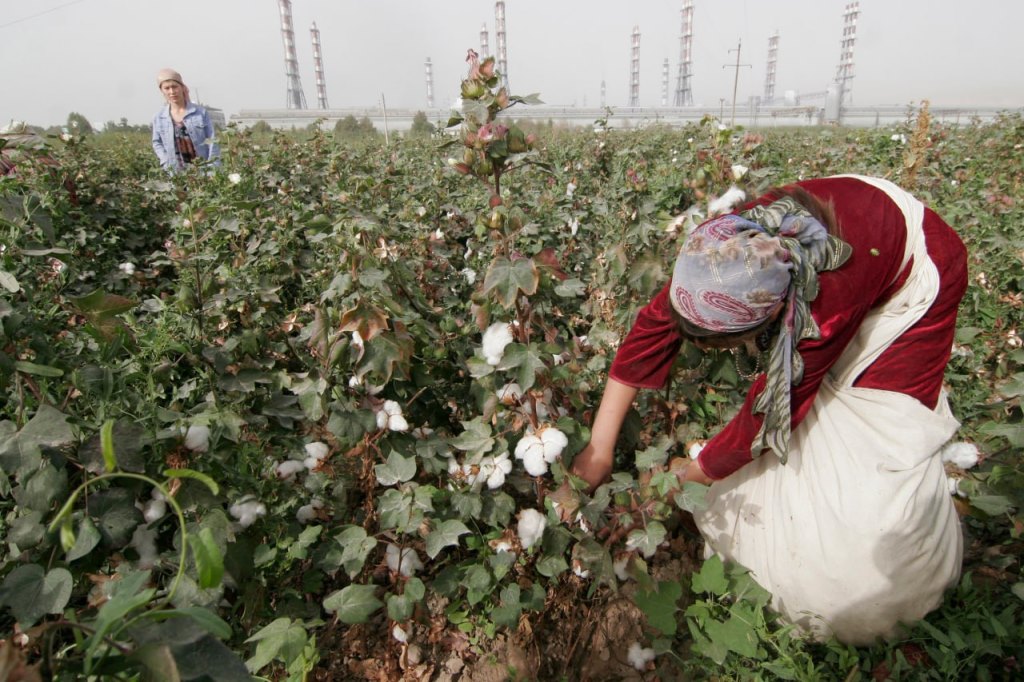
Cotton was the clear standout, with production soaring 2.4 times to 247,500 tons, positioning the crop as a key driver of agricultural performance. Grape yields also impressed, rising 28.2% to 251,700 tons.
Apple production followed closely, increasing nearly 29% to 192,900 tons, while apricots hit 321,500 tons, up 24.2%. Apricots remain among Tajikistan’s most exported fruits, particularly from Sughd and Khatlon provinces.
In livestock, egg production exceeded 1 billion pieces (approximately 57,000 tons), up 15.9% from January-September last year. This growth was especially pronounced in Sughd, where the number of poultry farms has risen.
Overall, the country also saw gains in fruit production (+16.4%), meat from large and small livestock (+10.6%), and forage crops (+8.9%).
Setbacks for silk, wheat, and other crops
Despite the overall growth, not all agricultural sectors fared well. Silkworm cocoon production dropped sharply to 233.4 tons, just 64.6% of last year’s output. Experts attribute the decline to adverse weather and a reduction in land allocated for mulberry tree cultivation, which is essential for silkworm farming.
Onion production also suffered a major hit, falling by 26.9% to 588,300 tons. Farmers reportedly shifted away from onions in favor of more profitable crops. Similarly, honey production declined by 12.3% to 3,700 tons, with beekeepers citing extreme heat and drought as detrimental to hive conditions.
Wheat yields were down as well, falling 11.4% to 767,700 tons. The decline was primarily due to water shortages and lower productivity in certain regions. Overall grain production totaled 1.41 million tons, marking a 6.4% decrease compared to 2024.
Other minor declines were recorded in potatoes production (–4.4%) and vegetables (–3.6%).
It’s worth noting that the harvest season in Tajikistan is still ongoing. Final figures for 2025 may be adjusted as more data becomes available by year-end.