Developing countries around the world will need up to $310 billion annually by 2035 to manage the mounting impacts of climate change, according to a new report from the United Nations Environment Programme (UNEP). Among the regions, most at risk is Central Asia.
The report highlights that warming in Central Asia is occurring at a faster rate than the global average. The region—which includes Tajikistan, Kyrgyzstan, Kazakhstan, Uzbekistan, and Turkmenistan—is facing severe challenges such as accelerated glacier melt, land degradation, prolonged droughts, and water scarcity. These issues threaten food security and energy stability across the region.
UNEP classifies Central Asia as a high climate-risk zone. More than 70% of the population in Tajikistan and Kyrgyzstan relies on agriculture that depends on mountain rivers fed by shrinking glaciers. Over the past few decades, glacier volume in these areas has decreased by more than 30%.
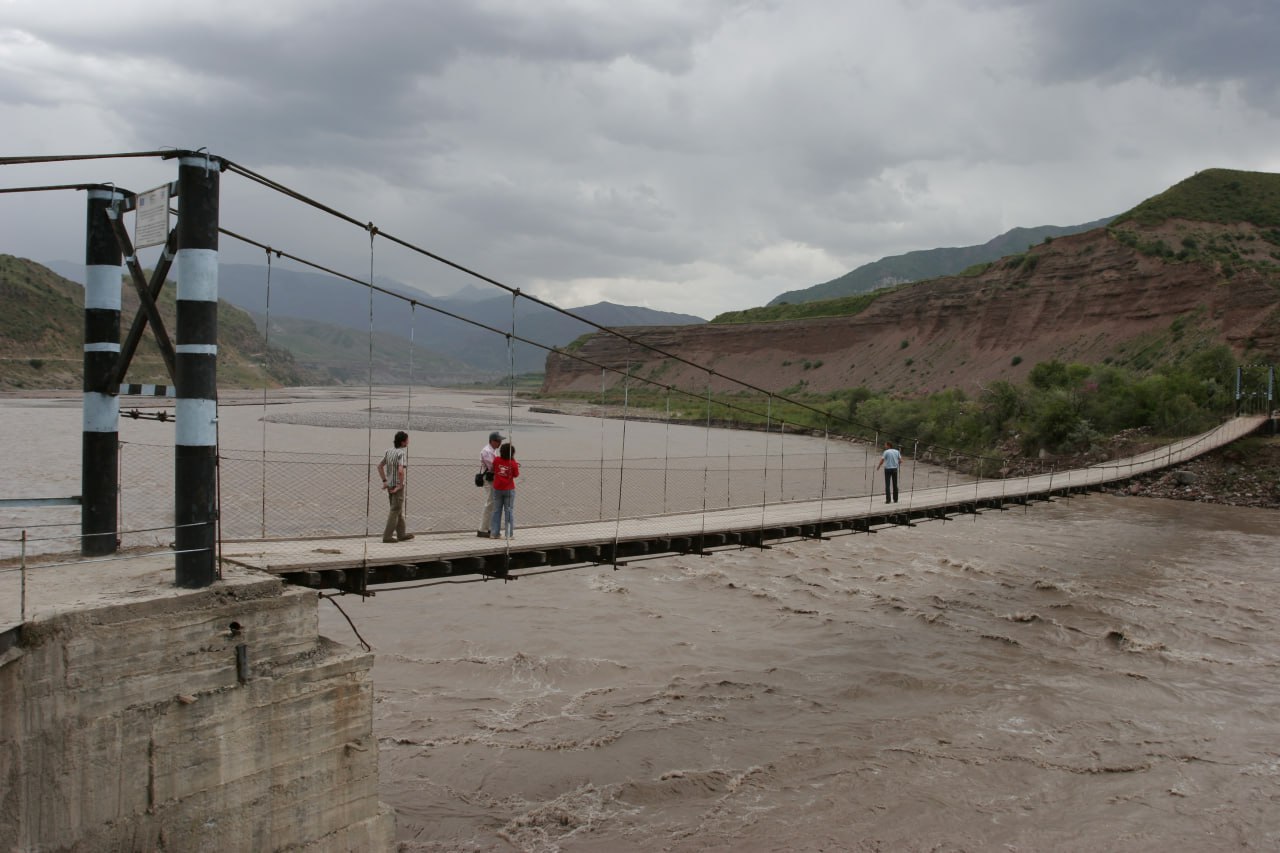
The changing flow patterns of the Amu Darya and Syr Darya rivers pose a serious threat not only to agriculture but also to hydropower generation—an essential energy source for Tajikistan and Kyrgyzstan.
According to UNEP estimates, developing countries in Europe and Central Asia will require about $51 billion annually for climate adaptation alone. However, current levels of international climate finance cover only a fraction of those needs.
Tajikistan, for example, estimates its total climate-related financial needs (both adaptation and mitigation) at $8 billion by 2030, and $17 billion by 2050. In Uzbekistan, modernization of irrigation and water management infrastructure alone is projected to cost nearly $10 billion by 2030.
UNEP is urging Central Asian countries to accelerate the update of their national adaptation plans—many of which have not been revised in over a decade. The agency also calls for increased investment in irrigation systems, flood protection, early warning mechanisms, and enhanced regional cooperation on managing the Amu Darya and Syr Darya river basins.
“If we don’t start investing in adaptation now, we’ll face growing costs every year,” said UNEP Executive Director Inger Andersen.