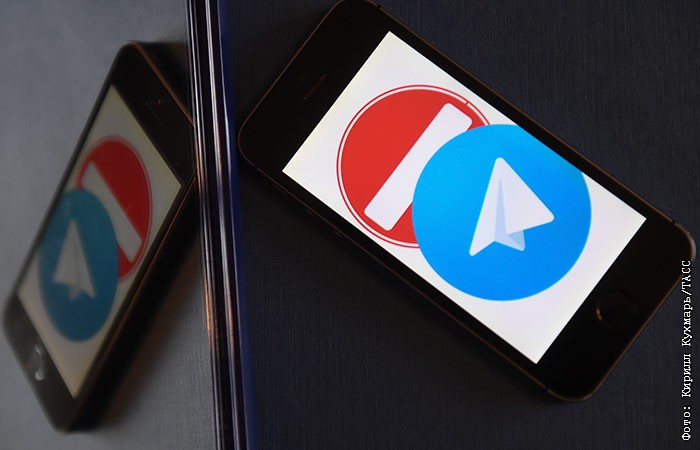
New restrictions in Russia are making it difficult—or in some cases impossible—for users to register new accounts on popular messaging apps Telegram and WhatsApp, according to reports from several independent media outlets, including Durov’s Code and Na Svyazi.
Russian mobile operators have reportedly been instructed to block SMS messages and voice calls used by these apps to send verification codes required for account registration and login. As a result, many new users are now unable to complete the registration process.
While users of major telecom providers are still receiving SMS codes from Telegram, Beeline customers have reported that such messages are no longer arriving—suggesting operators may have already started implementing the restrictions. Beeline and T2 declined to comment, while MTS and Megafon did not respond to media inquiries.
According to Durov’s Code, Telegram has started testing an alternative login method for Russian users. The app now allows existing users to send verification codes to others, with each phone number permitted to send up to 100 such messages per month—an effort to partially mitigate the new limitations.
Disruptions began back in August, when Russia’s internet regulator Roskomnadzor started restricting Telegram and WhatsApp functionality. Initially, voice and video calls were affected, but now the apps have become increasingly unstable, and for some users, they are completely inaccessible.
These developments could pose serious challenges for thousands of Tajik migrant workers in Russia, who rely heavily on messaging apps to stay in touch with family, run small businesses, and access critical information. It remains unclear how widespread the new restrictions are and whether reliable workarounds will be available.