Tajikistan has adopted amendments to its Criminal Code introducing penalties for the illegal use of electricity to mine virtual assets and cryptocurrencies. Offenders now face fines ranging from 15,000 to 75,000 somonis or imprisonment for two to eight years.
The amendments were approved by the Majlisi Namoyandagon (Tajikistan’s lower chamber of parliament) on December 3. A new article — 253(2), titled “Illegal Use of Electricity for the Production of Virtual Assets” — has been added to the Criminal Code, comprising three levels of offenses.
Under the first provision, individuals illegally connecting to the power grid for mining face fines from 200 to 500 calculation units (15,000 to 37,500 somonis).
The second provision stipulates harsher penalties for crimes committed by a group in large-scale operations, with fines from 500 to 1,000 units (37,500 to 75,000 somonis) or prison terms ranging from two to five years.
The third part imposes prison sentences of five to eight years for illegal electricity use in especially large amounts by an organized group.
Presenting the bill to lawmakers, Tajikistan’s Prosecutor-General, Habibullo Vohidzoda, stressed that illegal mining farms in various regions have already led to electricity shortages and enabled the commission of other crimes.

According to Vohidzoda, illegal mining not only causes power shortages but also leads to electricity theft, financial losses to the state, money laundering, and other crimes. He highlighted numerous cases in which equipment used for cryptocurrency mining was illegally connected to power grids, creating artificial shortages and electricity supply disruptions in certain districts.
Vohidzoda had previously voiced concern over the rising number of electricity theft-related offenses. Speaking at a news conference in Dushanbe, Vohidzoda said in August that over the first six months of this year alone, authorities uncovered and recovered 32 million somonis (US$2.9 million) in damages linked to unauthorized electricity use for installing and running mining equipment.
High energy consumption and new fines
MP Shuhrat Ghanizoda explained that crypto miners use hardware with extremely high energy demands — such as ASIC devices, which can consume up to 3.5–6 kWh. Large mining farms often connect thousands of these devices to Tajikistan’s power grid, frequently bypassing meters and regulatory systems.
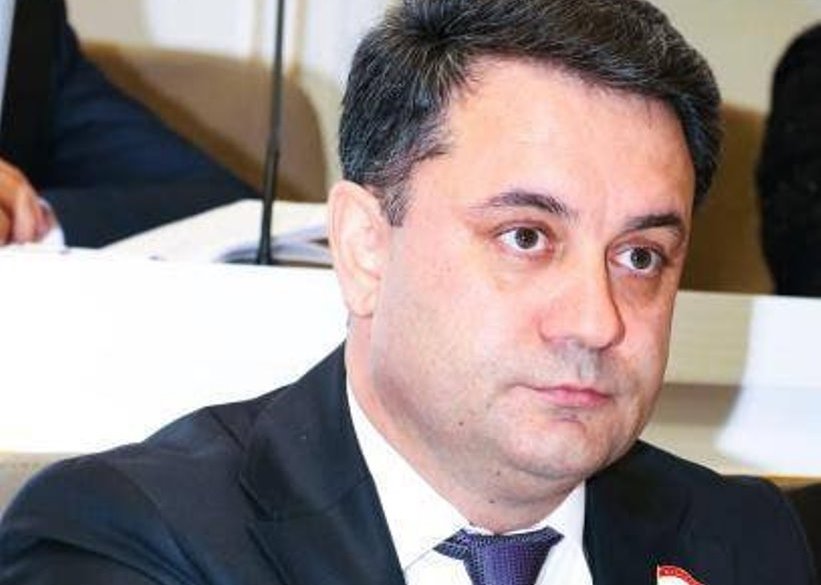
According to him, the goal of the amendments is also to prevent tax evasion, illegal activity involving digital assets, and to enhance oversight of energy consumption.
The law will come into effect after being signed by the president and officially published. Earlier in 2025, Tajikistan had already increased penalties for the illegal use of electricity: fines now range from 27,000 to 90,000 somonis, with prison sentences of 3 to 10 years.
This legal tightening comes amid annual electricity rationing during the fall and winter. This year, restrictions have become particularly severe — with residents in some regions receiving power for only 2 to 4 hours per day, according to observations.
It should be noted that cryptocurrency is neither legal nor illegal in Tajikistan. Cryptocurrency is still fairly controversial, and no formal regulation has been enacted by the government. However, authorities routinely shut down illegal mining farms in private homes and enterprises.