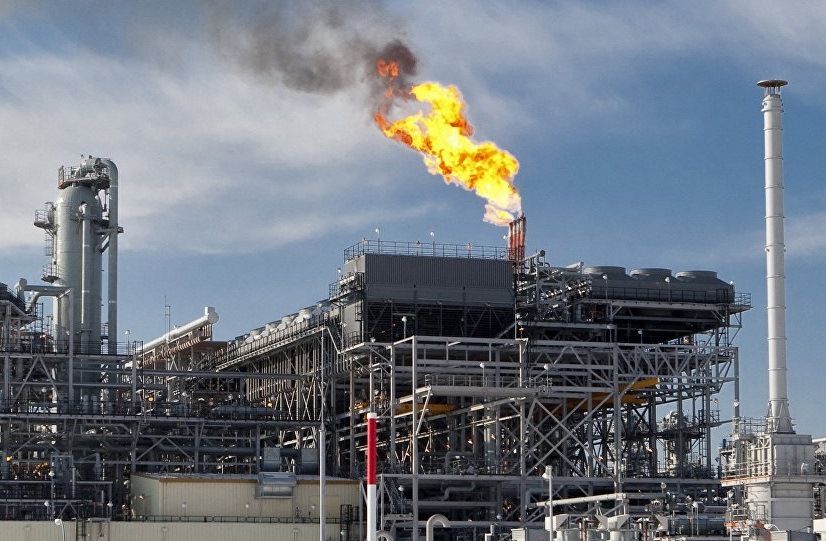
The idea of creating a "Central Asian Gas Ring," proposed by Kazakh energy expert Askar Ismailov, has received broad support at the Central Asia Oil & Gas International Forum held in Tashkent in early November this year. The project envisions integrating the national gas transportation systems of the region’s five countries into a unified infrastructure — similar to the existing Unified Power Grid of Central Asia.
According to Ismailov, such a network would help balance seasonal gas supplies, reduce the risk of energy crises like the blackout in Tashkent two years ago, and ensure uninterrupted gas deliveries to Kyrgyzstan and Tajikistan. “A shared infrastructure can become a guarantor of stability for all of Central Asia,” he noted.
Valerie Ducrot, Head of the Global Gas Centre, called the initiative “a new architecture of energy cooperation” with the potential to attract international investment and enhance regional energy security.
Researchers from SpecialEurasia also emphasized the project's short-term potential to stabilize supply chains, improve regional connectivity, and boost investment appeal.
For Turkmenistan, Kazakhstan, and Uzbekistan, the project offers new export opportunities, while for Kyrgyzstan and Tajikistan it promises reliable supplies and integration into a broader energy network.
The proposal includes the modernization and construction of pipelines spanning 3,000–3,500 kilometers. Ismailov estimates the required investment at $4–5 billion: 30–40% for new infrastructure, and the rest for upgrading existing pipelines and compressor stations.
All Central Asian countries — except Turkmenistan — are net importers of natural gas.
Being a net importer of natural gas means a country brings in more gas from other nations than it sends out, resulting in a deficit where imports (gas bought from abroad) outweigh exports (gas sold abroad) for that specific energy commodity. This makes the country reliant on foreign supplies, potentially impacting energy security and pricing, and is calculated by subtracting exported gas volume from imported gas volume.
Turkmenistan, with the region’s largest reserves (up to 11.3 trillion m³ according to U.S. estimates), exports gas to China, Iran, and Turkey.
Kazakhstan has become a net importer since 2023 and may face a deficit of 10 billion m³ by 2030. Uzbekistan also struggles with supply shortfalls, especially in winter.
Kyrgyzstan and Tajikistan remain almost entirely dependent on imports.
Despite technical and political complexities, experts believe the Gas Ring project could become a critical step toward energy sovereignty and regional stability.