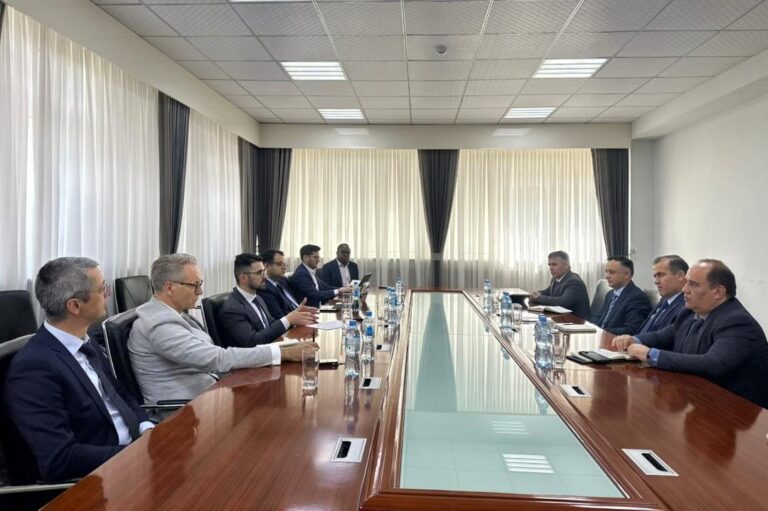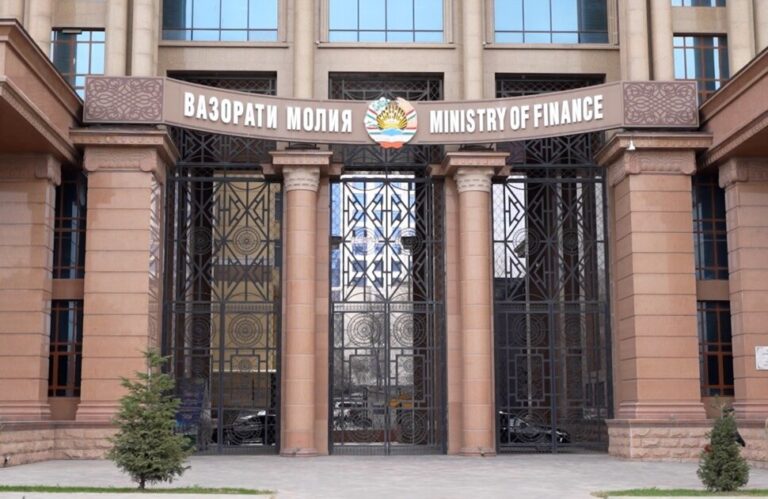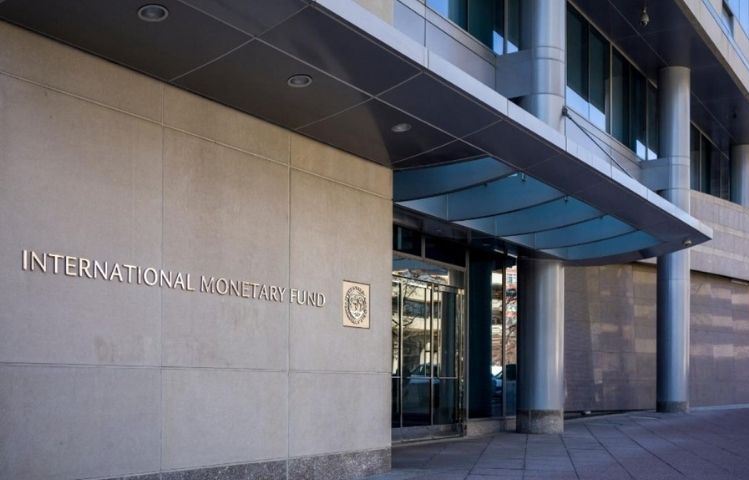
The International Monetary Fund (IMF) Executive Board has positively assessed Tajikistan’s economic progress in its third review under the Policy Coordination Instrument (PCI). The PCI program, launched in February 2024, aims to maintain macroeconomic stability and stimulate growth through structural reforms.. The program, launched in February 2024, aims to maintain macroeconomic stability and promote growth through structural reforms.
In its statement following the third review, the IMF says Tajikistan’s GDP grew by 8.2% in the first three quarters of this year, while inflation remained low at 2.8%. The significant volume of remittances contributed to the growth of foreign reserves, and fiscal discipline helped reduce the national debt.
IMF analysts forecast a 6% growth rate for Tajikistan’s economy in 2026. However, they also noted potential risks stemming from the external economic environment, particularly the slowdown in growth in countries that host Tajikistan’s labor migrants. The IMF also predicted that the current account might transition into a slight deficit in the future, though reserves are expected to remain stable.
To strengthen economic resilience, the IMF recommends that the Tajik government continue with structural reforms, including improving governance, transparency, and job creation. Strengthening financial oversight and enhancing the effectiveness of public spending, particularly on social sector projects and infrastructure, are also key areas for improvement.
The IMF statement highlighted Tajikistan’s significant progress in tax policy in 2025, as well as improved payment discipline in the energy sector. However, the IMF stressed the importance of continuing reforms aimed at improving tax collection and reducing losses in the electricity sector to sustain further development.
Overall, the IMF advises Tajikistan to maintain its efforts to enhance the country's economic situation.
What is PCI?
The Policy Coordination Instrument (PCI) is a mechanism developed by the IMF to help countries implement economic reforms and achieve macroeconomic stability. It provides governments with the opportunity to enter into an agreement with the IMF that focuses on improving macroeconomic policies and structural reforms aimed at sustainable economic growth.
Unlike traditional IMF lending programs, PCI does not involve financial assistance but includes regular assessments of progress and recommendations from the IMF. Countries using the PCI agree to meet specific economic goals and reforms to improve financial management, strengthen macroeconomic stability, and create conditions for more inclusive and sustainable growth.
This tool is especially suitable for countries that do not require urgent financial support but wish to strengthen their economy and improve their financial policies with the help of expert recommendations and monitoring from the IMF.