Roughly one-fifth of all land in Central Asia, including Tajikistan, is classified as degraded. According to the latest UN Environment Programme (UNEP) report, Global Environment Outlook 7 (GEO-7), the figure stood at 20.2% in 2015 and 20.3% in 2019, indicating little to no progress in recent years.
Globally, land degradation affected 11.3% of land in 2015 and increased to 15.5% in 2019, highlighting the severity of the issue both regionally and worldwide.
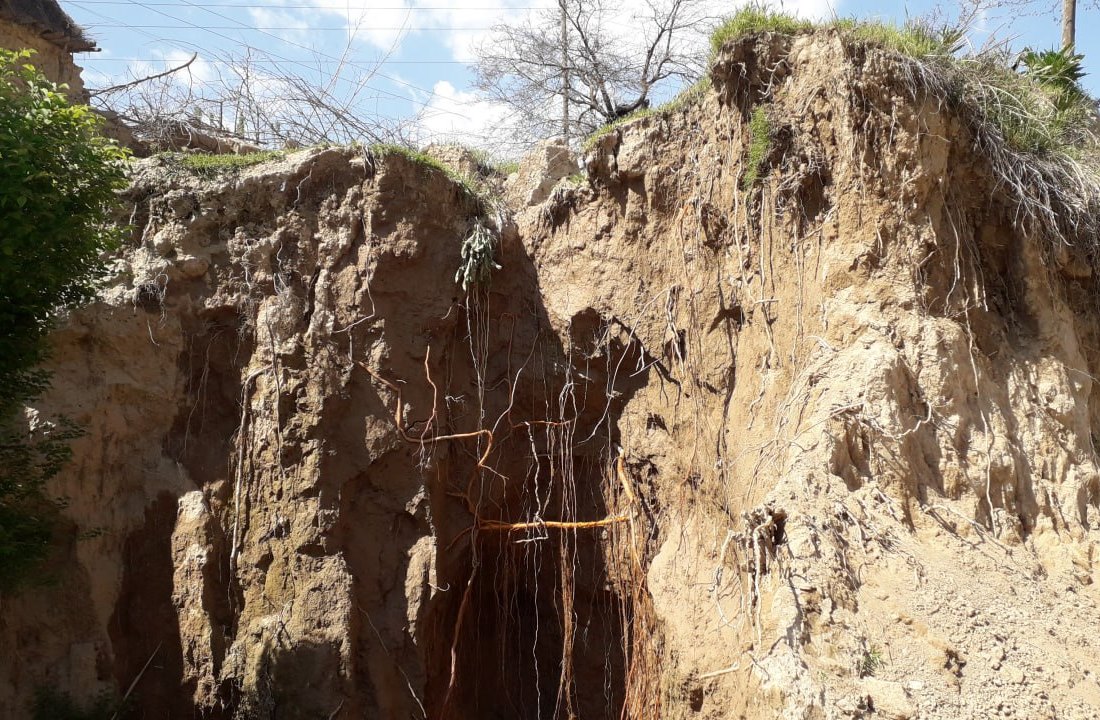
The report attributes land degradation to a combination of factors, including unsustainable land use and farming practices, environmental pollution, deforestation, and land cover changes. Key processes driving degradation include aridification, vegetation loss, water and wind erosion, soil salinization, and a decline in organic carbon stocks.
In Tajikistan, more than 20% of land is already considered degraded and approximately 70% is at risk of degradation. Soil erosion, salinization, and nutrient depletion are reducing crop yields, increasing farmers’ dependence on fertilizers and external resources. Water scarcity and growing climate risks further undermine rural livelihoods.
The issue is closely tied to the sustainability of agriculture and pasturelands in Tajikistan, as well as to food security. Declining soil quality leads to lower productivity and greater vulnerability to climate extremes. GEO-7 also notes that progress toward Sustainable Development Goal 15.3 ("Land Degradation Neutrality") is measured through changes in land cover, productivity, and carbon stocks.
Previous reports have shown that land degradation in Central Asia is already causing direct economic losses. According to World Bank soil degradation expert Asferachu Abate, the region loses around 4% of its GDP annually due to this issue. Between 20%–40% of soils in the region are affected by degradation to varying degrees.
Key drivers include unsustainable agricultural practices, expansion of farmland, inefficient irrigation (leading to salinization), overgrazing, and deforestation. Climate change further intensifies degradation through desertification and erosion.
The RESILAND CA+ project in Tajikistan (“Restoring Sustainable Landscapes”) emphasizes the need for a systemic approach to combat land degradation — including protection of smallholder land rights (especially for women), investment in irrigation and drainage, adoption of soil improvement technologies, and economic incentives for sustainable agricultural practices.