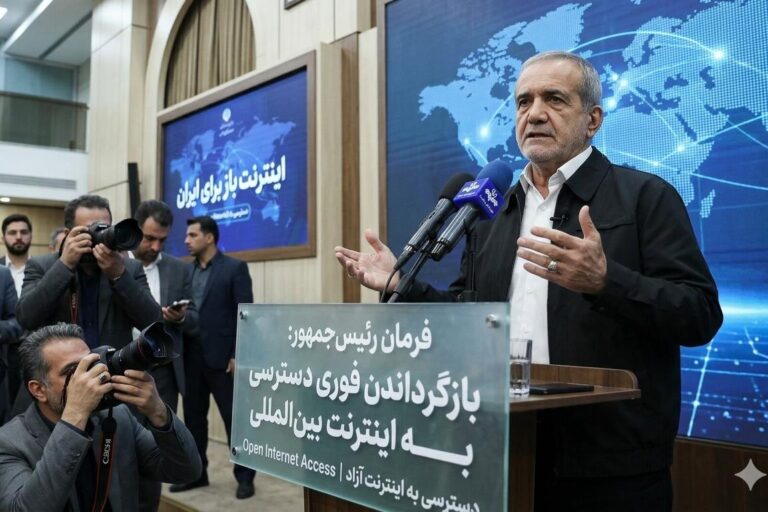
In Iran, where street protests have been ongoing for the 12th day, sparked by the collapse of the national currency, the rial, the authorities have fully restricted internet access, reports Deutsche Welle.
The British organization NetBlocks stated that the country is experiencing an "almost complete nationwide internet blackout."
According to IT company Cloudflare, on January 8, internet traffic in Iran fell by about 90%. It is believed that only government officials and security forces still have access to the internet, according to dpa.
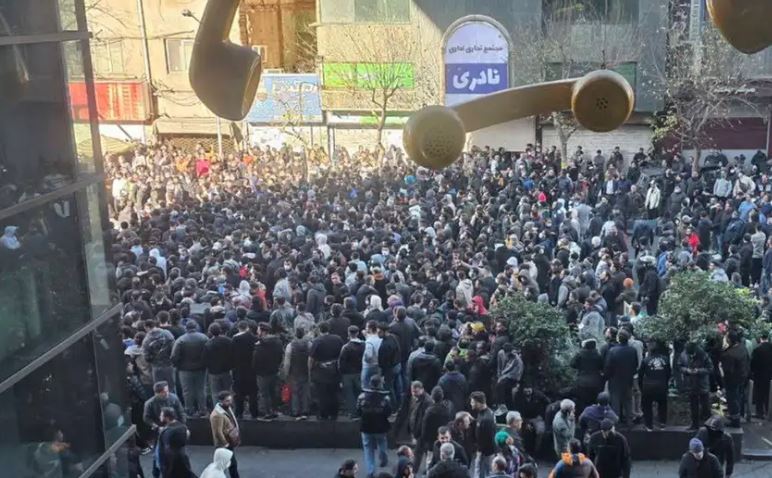
On Thursday, January 8, protestors blocked one of Tehran’s main roads—Ayatollah Kashani Boulevard. Videos posted on social media show large crowds of demonstrators and vehicles honking in support. In response, security forces used tear gas against the protesters, some of whom were masked, according to witnesses.
Activists shared footage showing burning police cars in Tehran. There are also reports of widespread protests in Mashhad, Kermanshah, and other major cities. According to the U.S. agency HRANA, the protests have spread to 111 cities and towns across Iran, as reported by the BBC's Russian Service.
The protests began on December 28, triggered by the collapse of the national currency and soaring inflation. In late December, the rial fell to a historic low, and in October, the World Bank reported 64.2% food inflation in Iran—the worst in the region, second only to South Sudan.
The initial protests began at Tehran’s main market, where shop owners closed their stores in protest against hyperinflation and sharp price fluctuations. Iranian authorities acknowledged the economic issues but attributed them to "the enemies of the country."
According to the Iran Human Rights (IHR) organization, at least 45 people have been killed since the protests began, including eight minors.
Earlier, Iranian authorities reported 21 deaths, including security personnel.
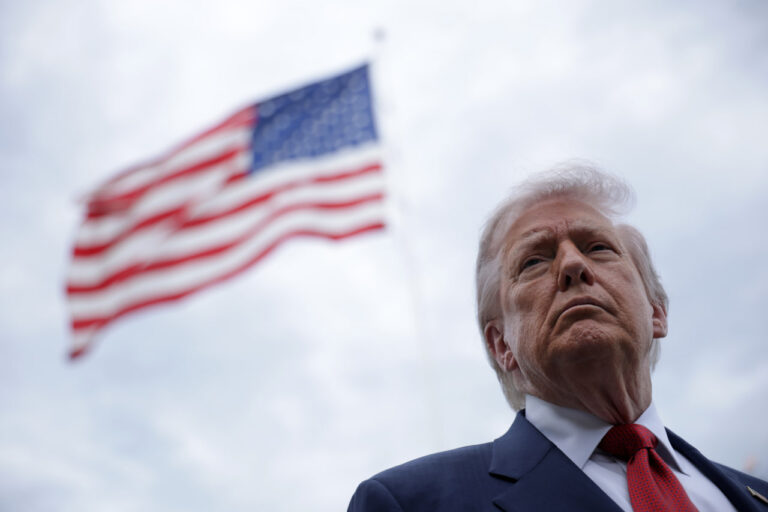
On January 2, U.S. President Donald Trump warned that the United States would intervene if Iranian authorities began opening fire on peaceful demonstrators protesting against the economic crisis and high inflation.