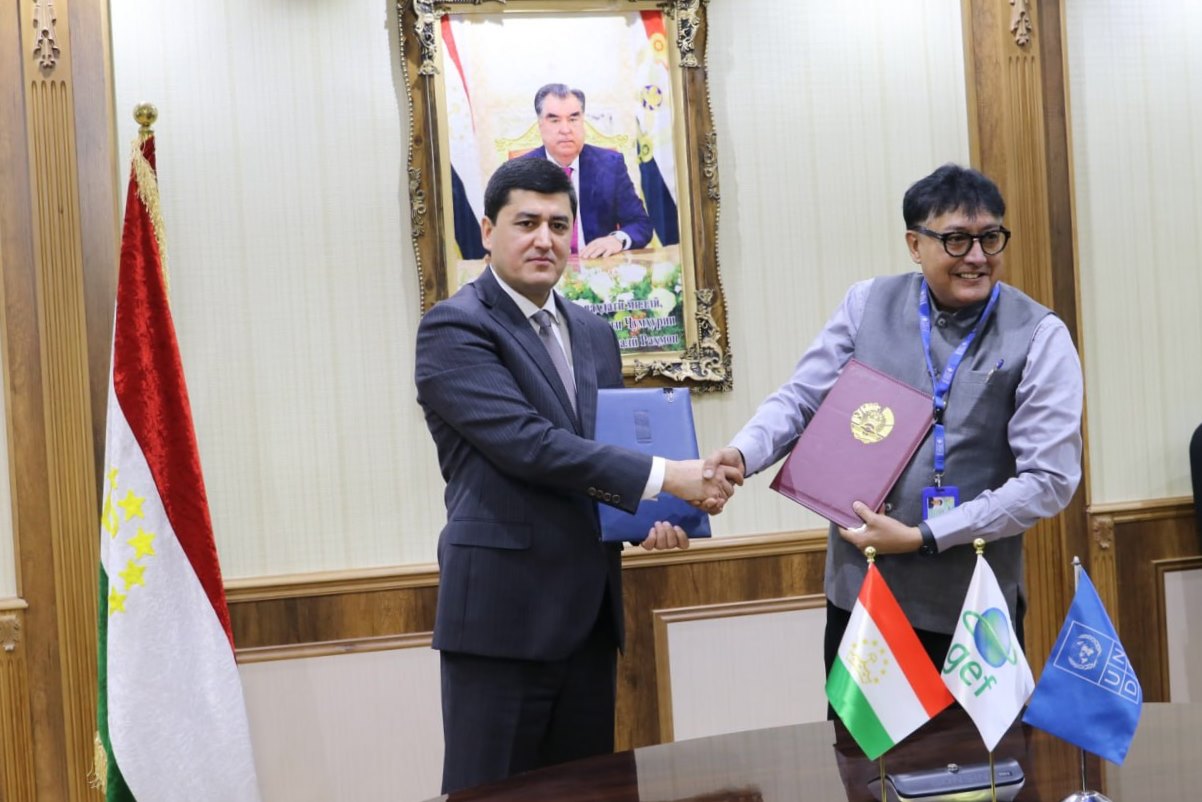
An agreement aimed at the gradual reduction of hydrofluorocarbons—substances harmful to the climate—has been signed in Dushanbe. The document was signed by the Committee for Environmental Protection under the Government of Tajikistan and the United Nations Development Programme (UNDP) on Jnuary 12, the Committee’s press service reported.
The agreement provides for the implementation of the project “Integrated Program for the Reduction of Hydrofluorocarbons and Sustainable Cooling in Tajikistan.” The project is financed by the Global Environment Facility and is designed to help the country fulfill its international climate commitments under the Kigali Amendment to the Montreal Protocol.
The main goal of the initiative is to reduce the use of hydrofluorocarbons by 70 percent by 2029.
Hydrofluorocarbons are synthetic organic compounds containing fluorine and hydrogen atoms. They are widely used in refrigerators, air conditioners, and other cooling equipment, but are among the most potent greenhouse gases and have a significant negative impact on the global climate.
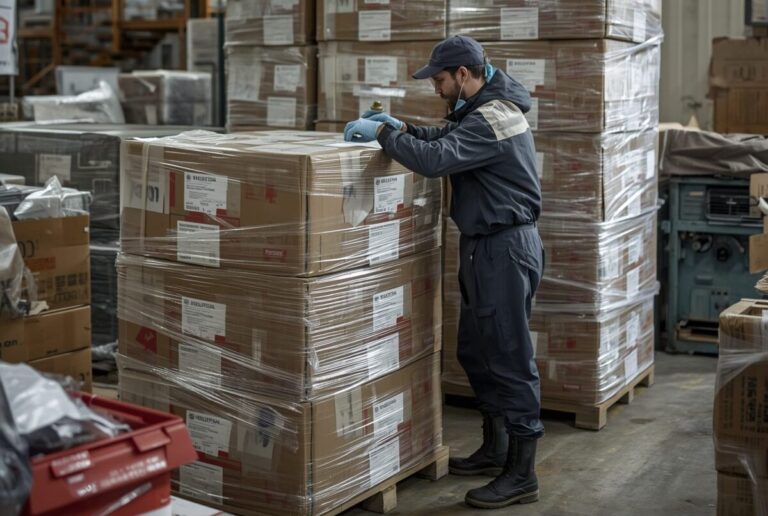
The project provides for a phased strengthening of controls over the import of hydrofluorocarbons and equipment containing them, improvement of refrigerant management throughout their entire life cycle, and a reduction in harmful emissions into the atmosphere. Special attention will be given to the transition to modern, energy-efficient, and environmentally friendly cooling technologies.
The implementation of the project is expected to significantly reduce greenhouse gas emissions, improve energy efficiency, promote the development of green technologies, and strengthen Tajikistan’s climate resilience. The initiative also aligns with the priorities of the country’s National Development Strategy until 2030 and the Sustainable Development Goals.
It should be recalled that on June 30, 2022, Tajikistan became the 136th country to ratify the Kigali Amendment to the Montreal Protocol, thereby committing to the phased reduction of hydrofluorocarbons.