


Education in Tajikistan is officially considered free. Public schools do not charge tuition fees, kindergartens receive state support, and universities offer government-funded places. In reality, however, educating children often becomes one of the largest expenses for families. Many parents do not fully realize how much they actually spend on their children’s education.
A family example
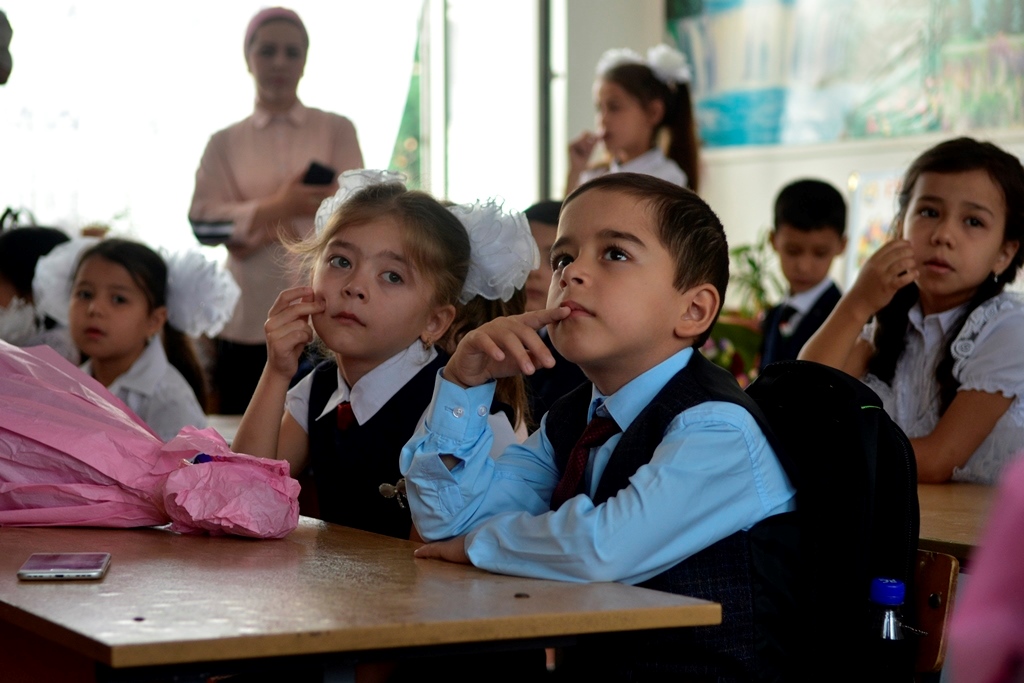
In the Homidov family (name changed), both parents work. They have three children: two school students—one attending a regular public school and the other a state lyceum—while the youngest goes to kindergarten.
The family keeps detailed records of their household expenses, allowing them to see the real cost of education.
Kindergarten: the first financial step
When a child starts attending a public kindergarten, parents usually expect moderate costs. However, monthly fees, contributions for supplies, celebrations, and stationery gradually add up.
The youngest child attends a departmental kindergarten where the monthly fee is 400 somoni.
Annual expenses include:
· 400 somoni per month for meals and mandatory payments
· around 500 somoni per year for clothes, celebrations, and stationery
This totals 400 × 12 = 4,800 somoni
Total: about 5,300 somoni per year.
Private kindergartens are significantly more expensive, costing 1,500–2,000 somoni per month, or 18,000–24,000 somoni annually.
School: “free” does not mean no costs
Although schooling is officially free, the start of each academic year often requires significant spending on uniforms, shoes, backpacks, and school supplies.
Minimum expenses per child amount to around 1,000 somoni per year, but costs increase in higher grades due to additional lessons and preparation for university entrance exams.
In the Homidov family:
First child (regular school):
· 1,500 somoni — uniform and supplies
· 800 somoni — extracurricular activities and school contributions
Total: 2,300 somoni per year.
Second child (state lyceum):
· 2,300 somoni — basic school expenses
· 2,700 somoni — additional lessons
Total: 5,000 somoni per year.
Overall, the family spends about 7,300 somoni per year on schooling for two children.
Including kindergarten expenses, the total annual education cost reaches around 12,200 somoni, excluding private tutoring.
Family income and spending
The Homidov family earns about 8,000 somoni per month. Of this, approximately 2,200 somoni per month goes toward their children’s education.
Family expense categories
· Clothing and other expenses: 9,600 somoni — 10%
· Education: 26,672 somoni — 28%
· Food: 42,000 somoni — 44%
· Utilities and housing services: 8,400 somoni — 9%
· Transport: 7,200 somoni — 7%
With an annual income of 96,000 somoni, the family spends about 94,000 somoni, leaving only around 2,000 somoni in savings per year—less than 2% of their budget.
Any increase in prices or unexpected expenses could easily push the family into a budget deficit.
Hidden costs
These figures include only the most basic expenses. In reality, education also involves hidden costs such as:
· internet for online learning
· laptops or smartphones
· medical certificates
· participation in competitions
· additional courses and tutoring
Many families do not systematically track these costs, which significantly increases the real price of education.
Why financial planning matters
Experts note that financial literacy is not only about using banking services or loans—it also involves planning household finances.
If families understand in advance that education requires significant investment, they can start saving earlier, better manage their income, and avoid excessive debt.
From kindergarten to university graduation, education represents not only years of study but also years of financial decisions. The more informed those decisions are, the more financially stable a family can become.