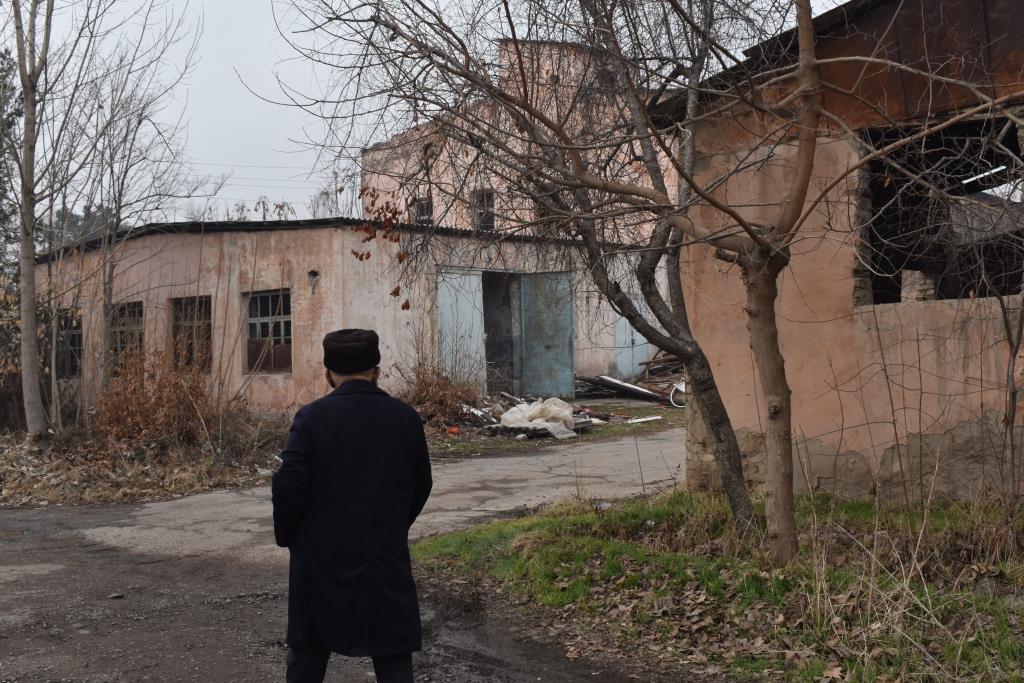
The Hisor Training and Production Facility for the Blind, once a key employer for people with visual impairments, has fallen into severe disrepair. The enterprise, around which the “Hayoti Nav” settlement was built, has effectively ceased operations, while its property and infrastructure have deteriorated.
 ИЗОБРАЖЕНИЕ
The facility was established in the 1970s and operated under the Soviet social welfare system, employing between 170 and 400 people. After the collapse of the Soviet Union, it was shifted to a self-financing model. Supplies of raw materials stopped, and production gradually came to a halt.
Local residents claim that in the years that followed, the facility’s assets were looted, while parts of its land and buildings were leased out. As a result, workshops have been destroyed, equipment has disappeared, and the overall территории has significantly shrunk.
 ИЗОБРАЖЕНИЕ
The facility’s director, Isrofil Sodiqov, denies these allegations, stating that by the time he returned to his post in 2020, the enterprise had already been devastated.
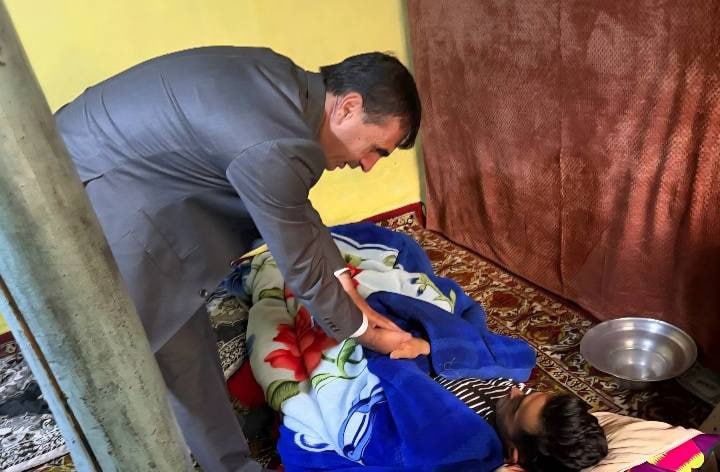
Today, the former production site consists of abandoned buildings and ruined infrastructure. Residents say that many visually impaired people, having lost their jobs, now face severe social hardship and are forced to survive on minimal benefits.
 ИЗОБРАЖЕНИЕ
Residents of the settlement have repeatedly appealed to various government bodies, but, according to them, no effective response has followed. Authorities cite the enterprise’s independent status as the reason for inaction.
“We want the president to come here and see the situation with his own eyes,” residents say, expressing hope for intervention at the highest level.
 ИЗОБРАЖЕНИЕ
The facility’s management, in turn, points to a lack of funds even to maintain basic staff, emphasizing that restoring production is impossible without external support. Attracting investors and benefactors is seen as a potential solution.
The story of the Hisor facility reflects a broader issue: after losing state support, an enterprise that once played a vital social role has been unable to adapt to new economic realities. Its former workers continue to hope that the facility will resume operations, allowing them to regain employment and a sense of purpose.