Home Blog Page 32

Russian companies to present digital solutions for Tajikistan

0

A business mission of Russian companies dedicated to digital transformation will be held in Dushanbe from April 7 to 10, 2026. The event, titled "Russia-Tajikistan: Together Shaping the Digital Future," will focus on cybersecurity, the implementation of digital services across various industries, and the development of infrastructure for digital solutions.

The business mission will provide a platform to discuss the most pressing issues of digital transformation, including electronic health records, the creation of "digital universities," and the growth of e-sports and e-commerce in Tajikistan.

Over the four days of the mission, participants will engage in roundtables, meetings with government officials, visits to the IT-Park in Dushanbe, and the signing of memorandums and agreements. The culmination will be a roundtable on the introduction of advanced IT solutions in government and Tajikistan's economy, where the first cooperation agreements will be signed.

Mahmoud Davlatov, Chairman of the Tajikistan Digital Development Association, noted: "Tajikistan is actively moving towards digital transformation, and it is crucial for us to rely on best practices and proven technologies. We are confident that Russian IT solutions, known for their reliability, will make an important contribution to the development of our digital future."

The event's agenda includes a tour of the IT-Park in Dushanbe and introductions to resident companies on the first day, followed by an evening city tour.

On the second day, there will be a business breakfast with partners, a roundtable on Russian experiences in digital technologies for government and economy, and the signing of memorandums and agreements.

On the third day, participants will meet with representatives from the Ministry of Industry and New Technologies and the Communications Service, followed by individual B2B and B2G meetings.

The business mission is organized by the Russia-Tajikistan Business Council, VIPFORUM, the Tajik-Russian Business Council, and the Tajikistan Digital Development Association, with support from Russia’s Ministry of Economic Development, Ministry of Digital Development, and the Innovation and Digital Technologies Agency of the President of Tajikistan.

Tajikistan and Kyrgyzstan: economic ties grow, but challenges remain

0

A year ago, Tajikistan and Kyrgyzstan signed a State Border Agreement, which led to the reopening of the border and the full restoration of trade and economic ties. What has changed since then?

The agreement was signed on March 13, 2025, during the state visit of Tajikistan's President Emomali Rahmon to Kyrgyzstan. A key topic of discussions was the restoration of trade and economic cooperation. Both sides signed agreements on the development of industry, energy, and agriculture, opening new opportunities for growth.

“Our countries have significant potential for joint development. We agreed to expand economic cooperation and achieve mutual trade growth to $500 million in the coming years,” said the President of Tajikistan after the talks.

Kyrgyz President Sadyr Japarov emphasized that “creating favorable business conditions in both Kyrgyzstan and Tajikistan will lead to the creation of new jobs, infrastructure development, and the strengthening of trade and economic ties.”

The joint statement from the presidents noted that economic cooperation between Tajikistan and Kyrgyzstan not only benefits both countries but also contributes to the overall development of the region. The signed agreements lay the foundation for further growth, and the strengthening of trade links and infrastructure opens new opportunities for entrepreneurs and investors.

The border of Tajikistan and Kyrgyzstan had been the scene of unrest repeatedly since the collapse of the former Soviet Union.   Border talks between Tajikistan and Kyrgyzstan began in 2002.  Unresolved border issues have led to tensions for the past 30 years. Tensions between Tajikistan and Kyrgyzstan had remained high until recently, owing to a border dispute, as well as other issues involving irrigation, smuggling, and illegal border crossings. This dispute led to clashes between the two countries.  Kyrgyzstan unilaterally closed the border with Tajikistan in spring 2021 after an armed conflict along a disputed segment of the border left 36 Kyrgyz nationals, including two children.


Sharp growth in the bilateral trade

In 2025, the trade turnover between Tajikistan and Kyrgyzstan reached over $33.1 million, a significant increase compared to 2024. According to Tajikistan’s agency for statistics, a two-way trade between the countries grew 2.7 times over the last year, from $12.2 million in 2024. In 2025, Tajikistan exported goods worth more than $8.6 million to Kyrgyzstan, including table grapes, cotton products, and electricity.

Imports from Kyrgyzstan exceeded $24.5 million, with major goods including lignite (brown coal), oil and oil products, as well as pasta, bottles, flacons, and other products.

In 2020, trade turnover between the two countries stood at $37 million. However, the trade volume decreased to $11.6 million in 2023 due to the border closure, marking a more than threefold decline. For the past four years, the bilateral trade between the countries was maintained through third countries (Kazakhstan, Uzbekistan).

Before the border closures, there were border markets where people from both countries could buy and sell goods. For example, residents of the two countries traded on Tuesdays in the Kyrgyz village of Arka in Batken region, and on Sundays in the village of Khistevarz in the Tajik Sughd province. After the border was reopened, authorities from both sides promised to resume trade at these points, but this has not happened yet.

Overall, Tajikistan and Kyrgyzstan, both lacking significant oil and gas resources and developing at a similar economic level with close economic structures, mainly export raw materials and import finished goods. Therefore, trade turnover between the two countries has always been limited.


Transit trade

The suspension of transit cargo transportation through Kyrgyzstan had a significant impact on Tajikistan’s economy. Prior to the border closure, part of the goods from/to China and Kazakhstan — key trading partners of Tajikistan — were transported through Kyrgyzstan.

Since the signing of the border agreement, several border crossing points (BCPs) have been reopened. Specifically, on March 13, 2025, the “Kyzyl-Bel — Guliiston” and “Kayragach — Madaniyat” crossings, which had been closed for nearly four years, resumed operation.

The restoration of border crossings allowed a gradual return of some cargo flows to their previous routes. In July of last year, during a state visit to Tajikistan, Kyrgyz President Sadyr Japarov stated that Kyrgyzstan is ready to help facilitate Tajik exports to the markets of the Eurasian Economic Union, acting as a strategic transit corridor.


Investment

Mutual investment between the two countries has historically been very low, even during warmer relations. This can be explained by the fact that both countries have limited investment opportunities and are direct competitors in attracting investments from wealthier countries.

Since 2022, there has been no recorded influx of investments between the two countries. Before that, Kyrgyz investment in Tajikistan was minimal. In 2021, Kyrgyz investments amounted to about $550,000, with $390,000 being direct investments.

By the end of 2021, Kyrgyzstan’s accumulated investments in Tajikistan’s economy reached over $2.2 million, with approximately $1.9 million being direct investments. There is no available data on Tajik investments in Kyrgyzstan.


What’s next?

Despite the noticeable growth in trade, economic relations between Tajikistan and Kyrgyzstan remain relatively limited. The current trade turnover is still much lower than the target countries aim to achieve in the coming years.

The signing of the State Border Agreement was an important political step that removed one of the major barriers to economic cooperation. However, for significant trade growth, other factors are needed — development of transport infrastructure, expansion of border trade, and the launch of joint economic projects.

Experts note that with a favorable political environment and the restoration of logistics routes, trade turnover between the two countries may gradually increase. However, to achieve the stated goal of $500 million, much deeper economic integration will be required.

Tajik law enforcement authorities announce the arrest of seven members of two drug trafficking rings

0

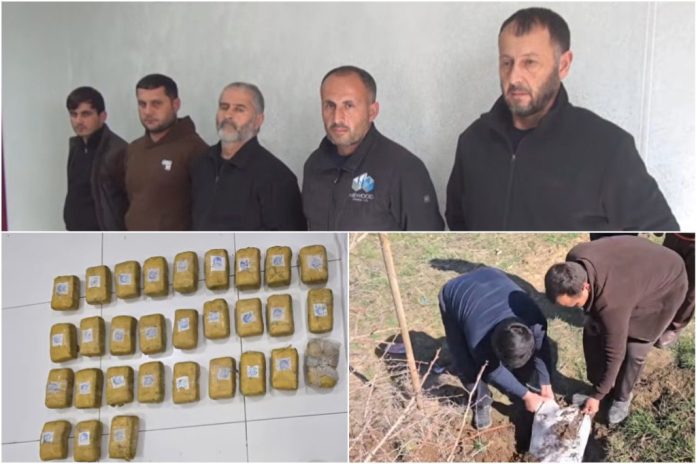
The law enforcement authorities in Tajikistan have announced the arrest of seven individuals who are allegedly members of two transnational drug trafficking groups. They are suspected of smuggling approximately 100 kilograms of drugs, including hashish, opium, and methamphetamine from Afghanistan into Tajikistan.

According to the Tajik Ministry of Internal Affairs, the drugs, smuggled from Afghanistan, were intended for sale both within the country and for export abroad. The criminal operation was reportedly well-organized, with the narcotics being distributed in Dushanbe and the Rasht district (Rasht Valley in eastern Tajikistan).


Arrests and group leaders

The Ministry of Internal Affairs identified 39-year-old Gholibjon Ghaniyev, a resident of the Mir-Sayyid-Hamadoni district in Khatlon province, as the leader of the group. Ghaniyev had previously been sentenced to seven years in prison for drug trafficking.

Other arrested individuals include 52-year-olds Mahmadroib Asrorov and Hakimjon Mahmadjonov from the Rasht district, as well as the 31-year-old Firouz Mirzoyev and the 41-year-old Mukhtor Rajabov from the Mir-Sayyid-Ali-Hamadoni district. All of them had previously been convicted for drug-related offenses and served prison sentences.


Drugs and smuggling methods

Investigators discovered that the arrested individuals were receiving drugs via an Afghan national named Yusuf, who delivered packages containing hashish, opium, and methamphetamine. These substances were hidden in various locations in the capital and surrounding areas, with plans for further export.

"In November 2025, they received 80 packages of drugs through the Afghan national. Part of the narcotics was hidden in the Mir-Sayyid-Ali-Hamadoni and Shohmansour districts," the Ministry of Internal Affairs reported. In videos released by authorities, Gholibjon Ghanie0yv admits to participating in drug trafficking, although the circumstances under which the confession was obtained remain unclear.


Other arrests and drug trafficking

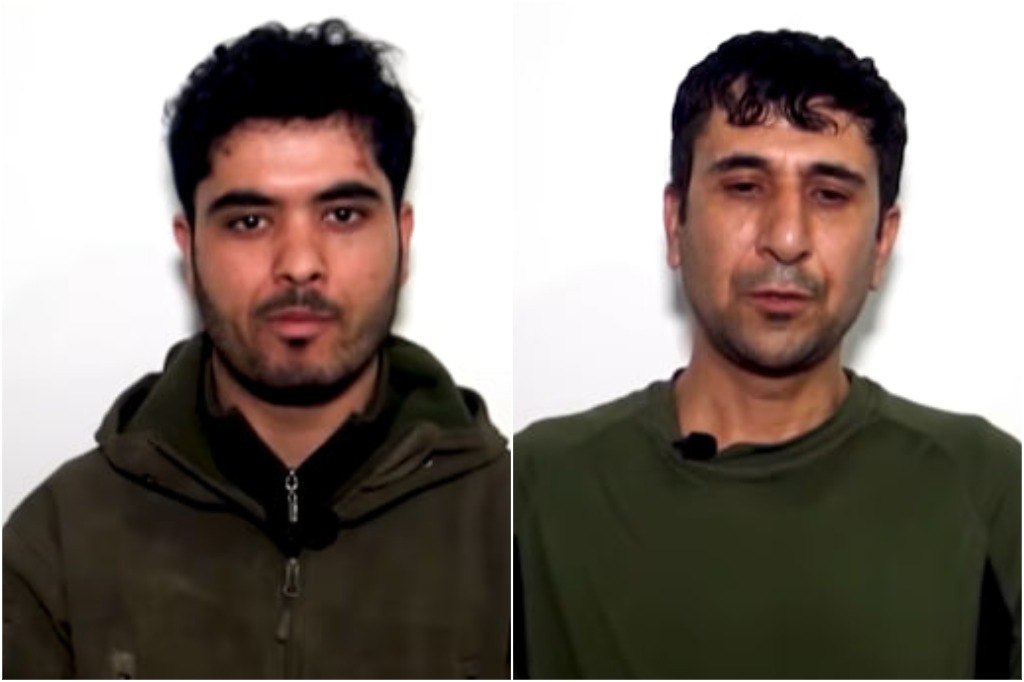
Additionally, the State Committee for National Security (SCNS) of Tajikistan recently announced the arrest of two smugglers, one of whom is a citizen of Afghanistan.

Authorities reportedly seized 20 kilograms of drugs from the suspects. Oyatullo Odinayev, a Tajik citizen, and Mubaraksho Shaidullo, an Afghan national, had been collaborating since 2023, regularly engaging in drug smuggling across Tajikistan.

"In February 2026, Odinayev and Shaidullo acquired 20 packages of hashish and transported them to the city of Vahdat for sale," the report stated. Both suspects have confessed to their crimes, although the conditions under which the confessions were made are not specified.


Criminal charges

The arrested individuals are currently under investigation under Article 200, Part 4, Subparagraph "e" of the Criminal Code of Tajikistan, which deals with the illegal trafficking of narcotics or psychotropic substances in especially large quantities. This offense carries a prison sentence of 12 to 20 years.


Tajik veteran diplomats weigh in on Us-Israel war on Iran’s war and regional tensions

0

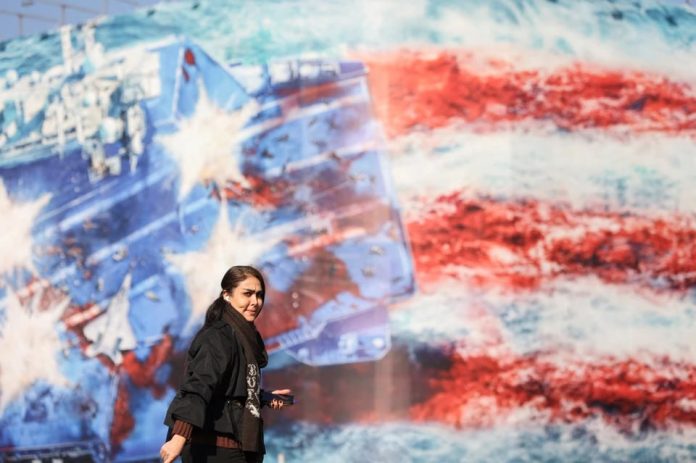
As tensions continue to rise in the Middle East, two former Tajik diplomats have shared their views on the ongoing conflict in Iran, its underlying causes, and the broader implications for the region.


“Negotiations without mutual concessions won't yield results”

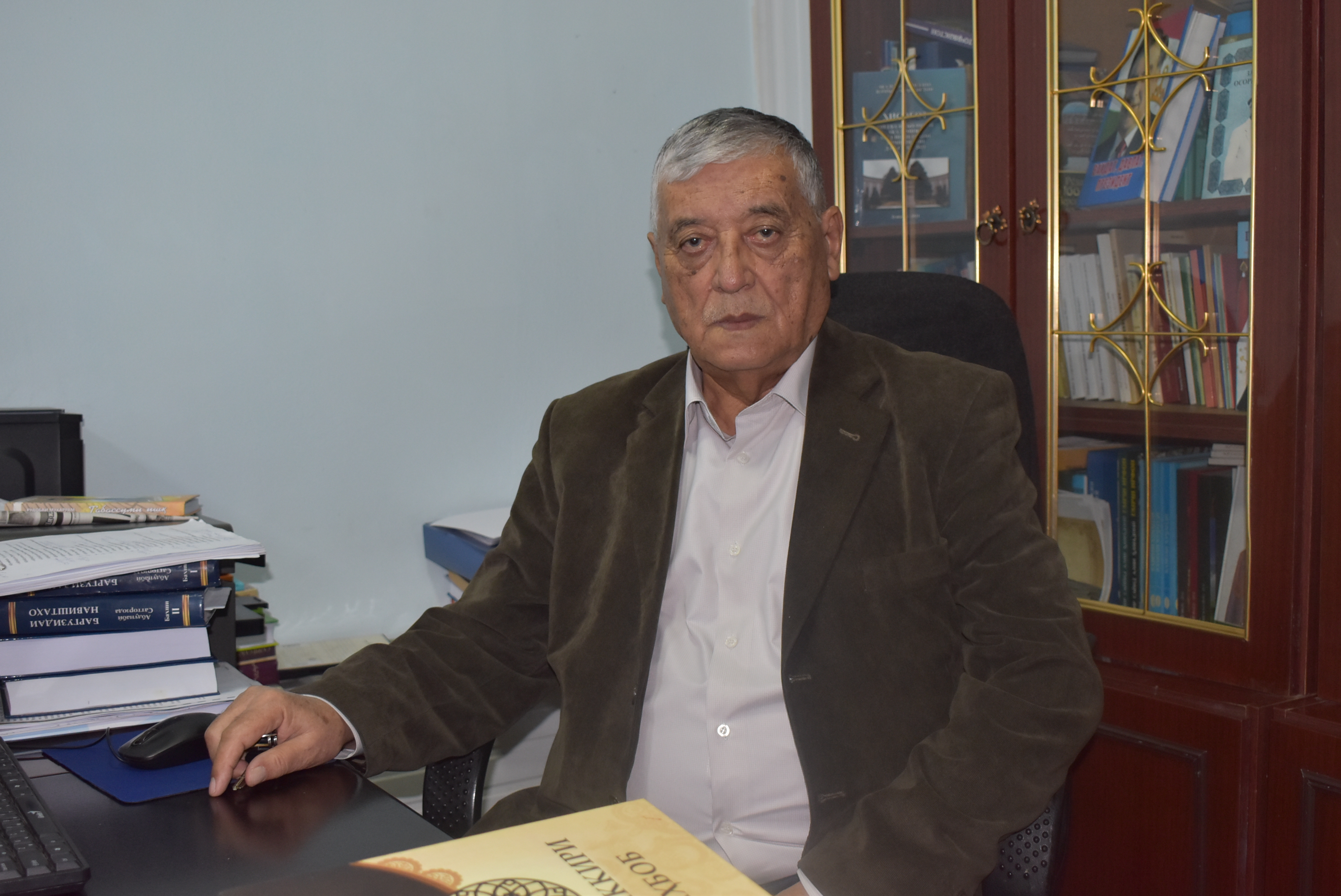
Abdunabi Sattorzoda, a former deputy foreign minister of Tajikistan and seasoned diplomat with experience negotiating with both Iranian and U.S. officials, believes the main reason for the failure of U.S.-Iran negotiations lies in the fundamentally opposing positions of the two sides.

"They hold diametrically opposed positions and are not ready to compromise," Sattorzoda said. He noted that international diplomacy has shown that talks without mutual concessions rarely succeed.

Sattorzoda criticized the U.S. demand for Iran to fully abandon its nuclear program, arguing that this demand runs counter to Tehran's national interests. He explained that such a move would strip Iran of its right to use uranium peacefully for energy production and national security.

He added that, while Iran had been optimistic about reaching an agreement regarding its right to enrich uranium for peaceful purposes and the potential lifting of sanctions, this hope was shattered by a sudden military attack on Iranian territory.

"An analysis of the negotiations over the past two years, including the most recent discussions between the U.S. and Iran before the attack, shows that for Washington, they were just a way to buy time and create more favorable military conditions to strike Iran," said Sattorzoda.

He also pointed to Israel's role in escalating the conflict, highlighting that Prime Minister Benjamin Netanyahu had been adamantly pushing for U.S. involvement in the war with Iran. "He repeatedly visited the U.S. and met with President Donald Trump with this goal in mind," Sattorzoda noted.

When asked whether war could be a solution to the conflict, Sattorzoda responded, "The use of force will not bring results. This has been proven by the 12-day war and the ongoing conflict, which continues to intensify. The military and political defeat of Israel and the U.S., who rely on their military might, is evident, and I am convinced of this."

He emphasized that the only path to resolving the conflict is through negotiations and a peaceful agreement. "There is no other way because continuing a war that spreads across more territories and countries every day is extremely dangerous," he concluded.


“Trump made a big mistake”

Another Tajik diplomat, who has worked in the Middle East for many years and wished to remain anonymous, analyzed the U.S. and Israeli aggression against Iran through what he referred to as "four bitter truths."

1.     The goal is the creation of a ‘Greater Israel’ — According to the diplomat, Iran’s nuclear program was merely an excuse for the attack, despite the fact that it was known to be peaceful. Several years ago, Iran's Supreme Leader issued a fatwa banning the development of nuclear weapons. “The real goal is the realization of Israel's project to weaken neighboring states and fulfill the biblical idea of a ‘Greater Israel’ from the Nile to the Euphrates. To this end, Israel, with the support of the U.S., has already contributed to the destruction or destabilization of several Arab states: Iraq, Libya, Syria, and Yemen,” the diplomat stated. He also emphasized that Iran is different from these countries due to its thousands of years of history, culture, and strong sense of national identity.

2.     Why U.S. bases in the Persian Gulf — The diplomat argued that U.S. military bases in the Persian Gulf were not primarily established to protect these countries, but rather to safeguard Israel, promote U.S. interests, and maintain control over the region. “Most likely, a significant portion of the expenses for these bases is borne by the host countries. However, recent events have shown that these bases are not guarantees of security, but rather sources of risk. Before the attack, the U.S. evacuated its military personnel and left the Arab states to face possible retaliatory strikes from Iran alone,” he remarked.

3.     Will the U.S. Leave the Region? — The diplomat stated that Iran had warned even before the war began that an attack on the country could lead to a massive regional conflict and threaten U.S. presence and interests in the Middle East. “I think Trump made a big mistake by listening to Netanyahu’s advice. This could hurt his political future, weaken the U.S.'s position in the region, and even lead to the threat of impeachment in Congress,” he said.

4.     All countries in the region are in danger — The diplomat believes that the U.S. and Israel are the primary culprits behind the conflicts and divisions between Middle Eastern states. "They will never allow the creation of an independent Palestinian state. Their goal is to fully absorb Palestinian territory, and their ambitions won’t stop there," he concluded.

The perspectives of these two diplomats shed light on the complex geopolitical dynamics surrounding the Iran conflict and its broader regional impact. As the situation continues to evolve, many countries in the region are bracing for the potential consequences of this ongoing crisis.

Major shareholder in Alif Capital Holdings invests USD 2 million in zypl.ai

0

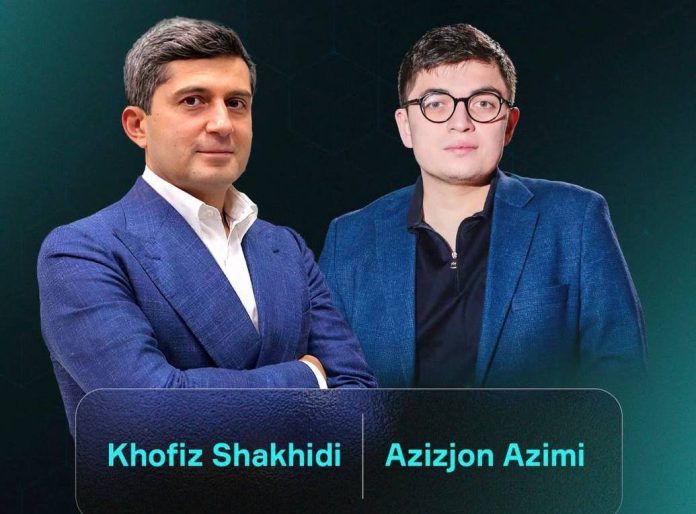
zypl.ai, an innovative artificial intelligence company specializing in synthetic data for decision-making in financial services, yesterday announced a significant investment of $2 million, bringing its valuation to $80 million. The investment was made by Khofiz Shakhidi, a prominent investor in financial services, marking a major milestone in zypl’s growth and expanding global footprint.

Mr. Shakhidi, a major shareholder in Alif Capital Holdings, a leading fintech firm with operations in Uzbekistan, Tajikistan, and Pakistan, is a Monaco-based entrepreneur with a strong background in venture capital, private investment, and financial services. He is a director of Jefferson Capital Ltd. and began his professional career in London’s banking sector. In 2000, he joined Crédit Agricole Indosuez, and in 2002, he became a director of BSI Bank. He held executive positions at several financial institutions prior to setting up a private investment portfolio. 

The strategic investment highlights the growing recognition of zypl.ai as a leader in the generative AI space, particularly in synthetic data, financial modeling, and AI decision-making. Mr. Shakhidi expressed confidence in zypl’s potential, stating, "We are proud to support zypl’s rapid growth as a category-defining company applying synthetic data for financial AI modeling. We believe in the multitude of synergies between zypl’s proprietary AI stack and Alif’s global growth as a challenger digital bank across markets."

zypl.ai has developed zGAN, an advanced generative AI model designed to optimize performance by generating outlier synthetic data, which is crucial for AI applications in volatile macroeconomic environments. The zGAN model is integrated into Lucid, zypl's no-code AI platform that enables financial institutions to autonomously build and deploy AI models for credit scoring, fraud detection, collections, marketing, and other financial services.

Launched at Stanford University, zypl.ai now serves over 60 financial institutions across 20 markets globally. The company’s investors include Prosus Ventures, Carbide Ventures, and Plug & Play, underscoring its potential to disrupt the financial services sector with its cutting-edge AI technology.

Russia suspends funding for Tajik-Russian Slavic University over rector appointment dispute

0

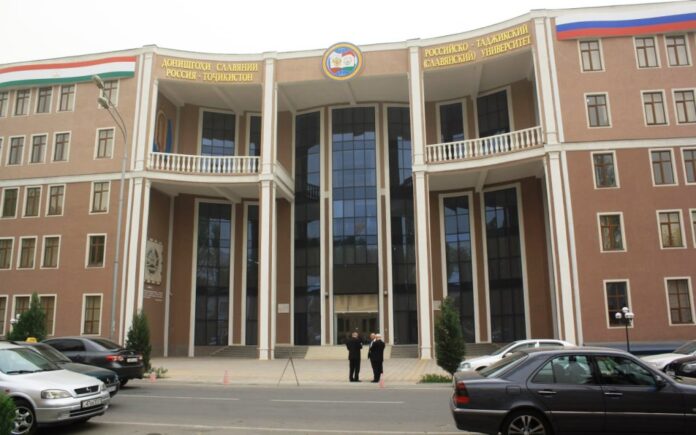
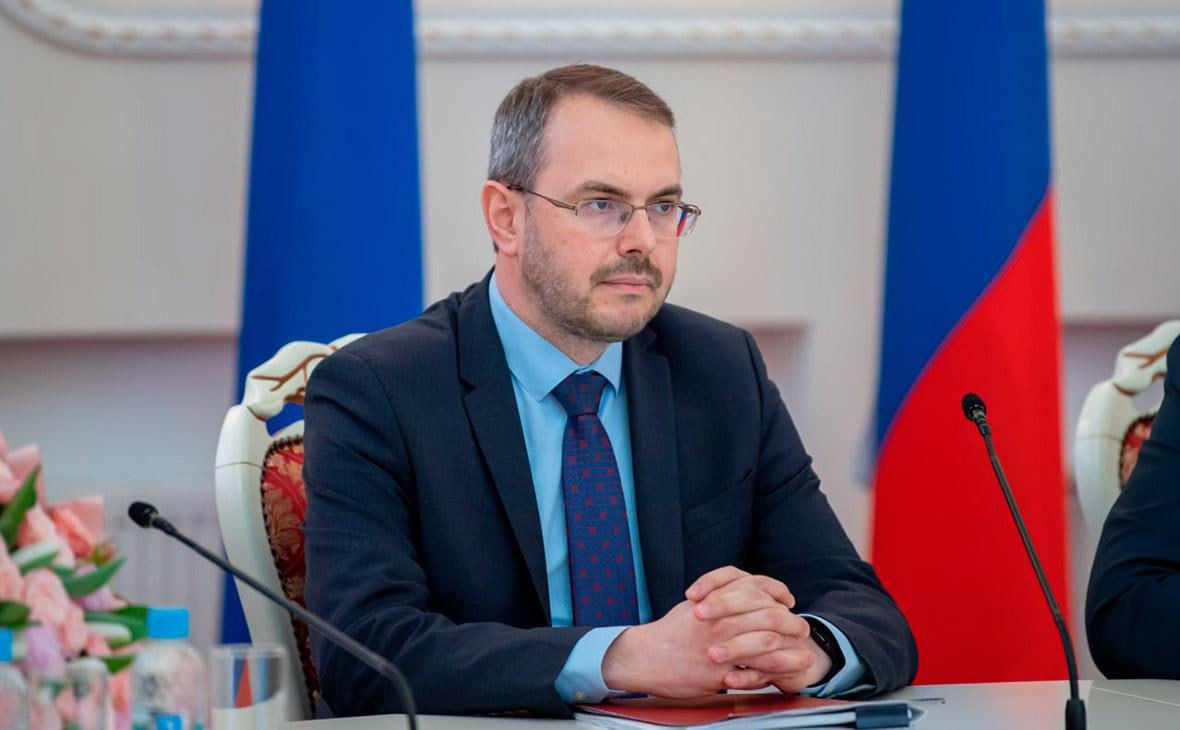
Russia has temporarily suspended funding for the Tajik-Russian Slavic University (RTSU) due to a dispute over the appointment of a new rector without prior consultation with Russian authorities, according to Konstantin Mogilevsky, Deputy Minister of Science and Higher Education of Russia.

Mogilevsky explained that the suspension followed the appointment of Ilhomiddin Ibrohimzoda as the new rector in November 2025, a decision that was not agreed upon by Russia. This move has raised concerns, as it goes against the terms of an existing intergovernmental agreement, which stipulates that rector appointments must be approved by both Russia and Tajikistan.

"The intergovernmental agreement that we follow requires that the rector be selected from candidates who are agreed upon with Russia," Mogilevsky said in an interview with Sputnik Radio. "However, the latest appointment was made without our consultation, and we cannot accept this decision."

He emphasized that the issue was not with the new rector personally but with the violation of established legal procedures. As a result, Russia has temporarily halted funding for the university, although salaries for staff will still be paid. "We will continue to pay wages, but we are awaiting a resolution before approving other expenses," Mogilevsky noted.

Mogilevsky further stressed that Russia expects Tajikistan to rectify the situation by suggesting a list of candidates for approval.


Tajik education ministry's response

In response to Russia's concerns, the Ministry of Education and Science of Tajikistan confirmed that the issue is being addressed and would be resolved soon. Khurshed Mavlonov, the ministry’s press secretary, told Asia-Plus that the approval of Ilhomiddin Ibrohimzoda as rector is still under review.

"The issue of agreeing on the new rector is being considered. The salaries of the university's staff have not been suspended, and the work of RTSU continues as usual," Mavlonov stated.


A key educational institution

RTSU is a joint educational institution operated by both Russia and Tajikistan under an intergovernmental agreement. It is one of the main centers for education in the Russian language in Tajikistan and is regarded as an important tool for promoting Russia’s soft power in the region.

Experts argue that the university plays a key role in strengthening bilateral ties and fostering Russian influence in Tajikistan. Despite the current dispute, the university’s ongoing operation underscores its strategic importance in the region.

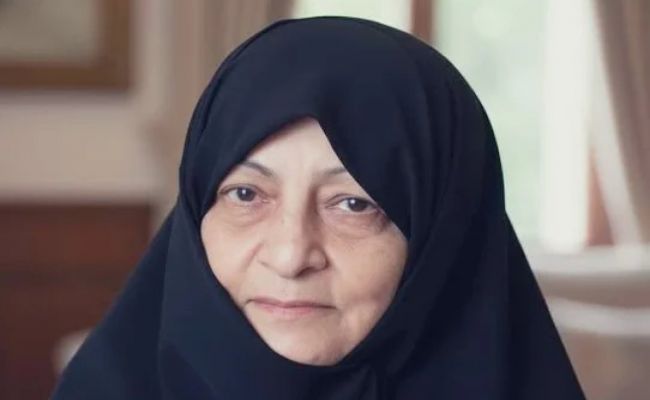
Mansoureh Khojasteh Bagherzadeh, widow of former Iranian Supreme Leader, confirmed alive

0

Iranian state-run media, Fars News Agency (FNA), has confirmed that Mansoureh Khojasteh Bagherzadeh, the widow of former Supreme Leader Ali Khamenei, is alive. This confirmation comes in contrast to earlier reports suggesting she died in the same February 28 airstrike that killed her husband.

Initial widespread reports of her death were circulated following the airstrike, with many media outlets and officials claiming that she had perished alongside Khamenei.

However, on March 12, FNA issued a correction, stating that the reports had been erroneous.

“We report that the spouse of the Supreme Leader, who was believed to have died as a martyr, is alive. Initial reports on this matter were mistaken,” the agency said in its statement.

The correction brings clarity to the situation, resolving confusion that had spread across various news outlets in the aftermath of the airstrike.

Mansoureh Khojasteh Bagherzadeh was born into a religious family in Mashhad in 1947. She married Khamenei in 1964, and the couple had six children together. Despite her husband's prominent political role, she maintained a largely private public profile throughout her life.

Her father, Mohammad Esmaeil Khojasteh Bagherzadeh, was a well-known businessman in Mashhad, and her brother, Hassan Khojaste Bagherzadeh, held a significant position as the former deputy director of the Islamic Republic of Iran Broadcasting (IRIB).

Throughout Khamenei's tenure as president and later as supreme leader, Mansoureh Khojasteh Bagherzadeh had a limited public role. She refrained from expressing political positions and kept a low profile. Official statements about her from Khamenei's website referred to her as a "patient spouse."

Although she avoided public political engagements, Bagherzadeh occasionally appeared at meetings and ceremonies, demonstrating her support for the families of deceased military personnel and officials.  

Parricide in Devashtich district: man sentenced to 19 years in prison

0

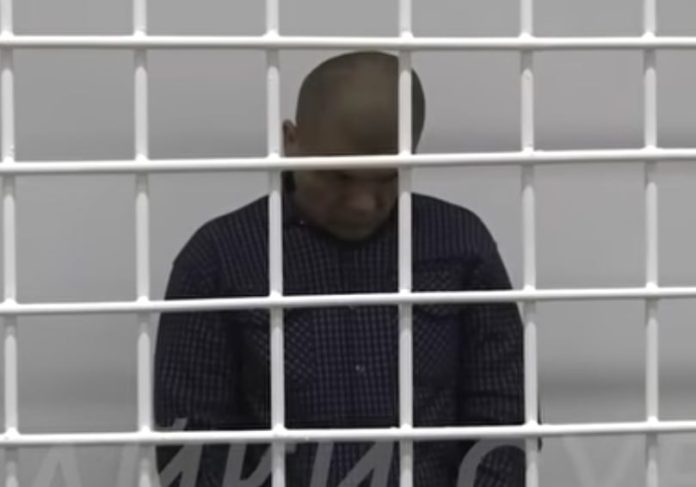
A 28-year-old man from the Devashtich district of the Sughd province has been sentenced to 19 years in prison for the murder of his 62-year-old father, according to a report from the program "Miliitsiya Soobshchayet" (Police Report).

The incident occurred on August 14, 2025, around 7:00 PM at the family home in the village of Mujuni, Devashtich district. A conflict broke out between Jumaboy Sattorqulov and his father Asrorqul Sattorqulov, who was intoxicated at the time.

During the argument, Jumaboy struck his father with a wooden chair and an agricultural tool with five prongs, inflicting severe, life-threatening injuries.

According to the investigation, the father died approximately five hours later from heavy bleeding.

To cover up the crime, Jumaboy Sattorqulov attempted to stage his father's death as a natural one, claiming it was caused by a fall while intoxicated. Initially, the villagers accepted the death as natural and buried the man.

However, later, following a tip-off, local police and prosecutors conducted an exhumation. A forensic examination revealed that the cause of death was the injuries sustained during the beating.

The court found Sattorqulov guilty under Article 104, Part 2, Items "v" and "e" of Tajikistan’s Criminal Code, and sentenced him to 19 years in prison. The exact date of the verdict was not specified.

No comments have been provided by the convicted man's family or him regarding the court's decision.

In recent years, there have been occasional reports in Tajikistan’s media about killings between close relatives. For example, in December of the previous year, a 40-year-old man was arrested in the Ishkashim district of GBAO for the murder of his 69-year-old father. In October, a 34-year-old man from the Sughd’s Bobojon-Ghafourov district was arrested for allegedly beating and killing his 67-year-old father.

Why India is going to be the Uncontested Global Leader of Orange Economy?

0

With PM Narendra Modi recently highlighting India's remarkable growth in the orange economy during his address at the Visit Bharat Young Leaders Dialogue 2026 on January 12, 2026, it has become the latest buzzword. So, what is this Orange Economy, and does it really hold that much potential for India?

The Orange economy refers to that part of the economy that is driven by creativity, culture, and ideas. It includes all the activities where people use their imagination and creativity to produce goods and services that have value. This can include industries such as movies, music, art, fashion, design, advertising, publishing, and even video games. Unlike traditional sectors that focus on physical products like food or machinery, the orange economy is based on creative expression and intellectual property. It is important because it not only generates income and employment, especially for young people, but also helps preserve and promote cultural identity.

Named after the vibrant color orange to symbolize energy and originality, and popularized by Colombia and organizations like UNESCO, this sector contributes around 3% to global GDP and empowers entrepreneurs, especially young people, by adding culture to technology for inclusive development.

Over the last few decades, India's Orange economy is growing by many folds including everyday areas like films and TV shows (Bollywood and OTT platforms), music and digital content creation (social media applications), gaming and animation (called AVGC), fashion and graphic design, live events such as concerts and theatre, advertising, handicrafts, publishing books, and software for creative tech. These sectors are growing fast thanks to cheap internet, smartphones, 5G, and young creators making videos, games, and art that now has a global audience. The Indian Government is boosting them with Budget 2026 plans like skill labs in schools for animation and gaming jobs, aiming to create millions of opportunities for youth in media, entertainment, and cultural exports.

Interestingly, it currently adds about 2-3% to the India's GDP, roughly around 30 billion USD (Rs 2.5 lakh crore approx) from sectors like media and entertainment as of 2024 data available. It is already creating millions of jobs for youth, boosting exports through global hits in commercial films and OTT shows, and is growing fast at rates over 7% yearly.

India's Orange economy has massive upcoming potential, projected to grow from around $30 billion today to $50 billion by 2029, that could create 10 million jobs. In the next decade, it will boom as a global export powerhouse for content, VFX, and cultural IP, AI personalization, low cost-technology, and government pushes. Young Indians, with over 650 million under 35, are accelerating this through the influencer economy where creators are earning billions via YouTube, Instagram reels, and short-form videos, growing as fast as at 18% CAR to $4 billion by 2026, and turning hobbies into careers. Youngsters are blending local culture with global trends, and are drawing ad money while building startups in emerging areas such as digital design and virtual reality.

The world can learn from India's Orange economy by adopting its model of blending rich cultural heritage, like cinema storytelling, handicrafts, and festivals, with modern tech such as AI to empower young creators from small towns to go global. This was seen in events like WAVES 2025 that drew 90+ countries. For collaboration, global firms should partner with Indian talent via platforms like Create in India Challenge and WAVES Bazaar, co-producing content in AVGC, films, and digital media. They could invest in joint skill labs and IP hubs. They could also tap influencers for cross-border marketing, where India's 650 million youth drive $4 billion in creator earnings by leveraging cheap data for viral reels and exports.

In this context, India provides three important lessons from its Orange Economy for the world.

First, it shows the value of developing skills early by teaching animation and design in schools, which helps nurture creativity at the grassroots level without relying on large factories. Second, simplifying copyright rules, as India has done, makes it easier to turn creative ideas into long-lasting products and also strengthens cultural influence, with Indian films reaching audiences in more than 100 countries. Third, encouraging digital inclusion through e-commerce and global platforms helps local artists and artisans connect directly with buyers around the world.

India and Indians have long had a natural inclination towards economic fluidity that centers on creativity. Crafts like pottery, weaving, and sculpture flourished in early civilizations like the Indus Valley Civilization, showing how creativity was tied to daily life. It is perhaps time; India globalizes its creative tendencies and takes the world with it as it thrives.

15 defendants in Crocus City Hall terror attack sentenced to life imprisonment

0

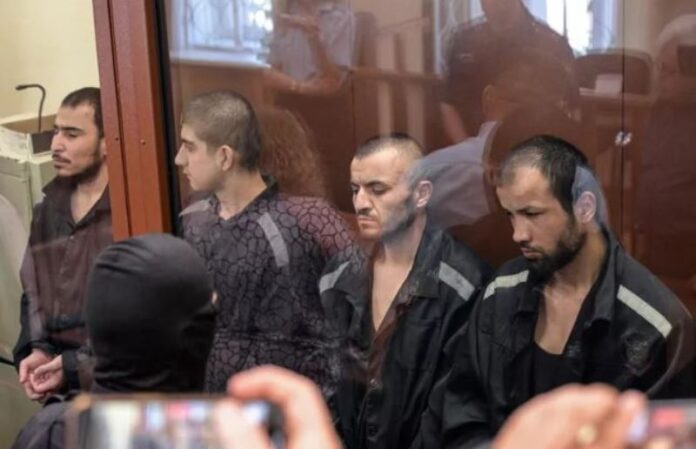
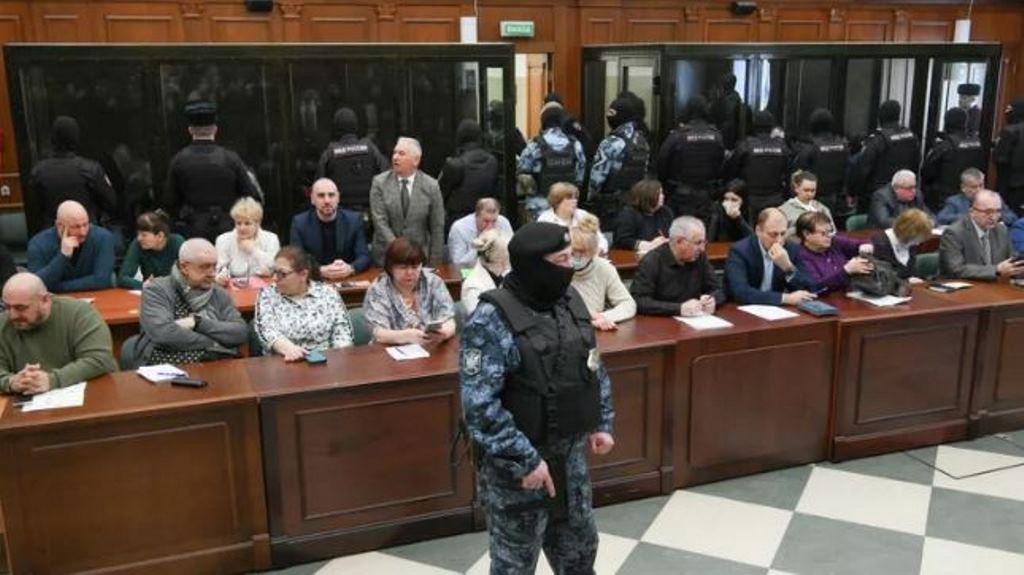
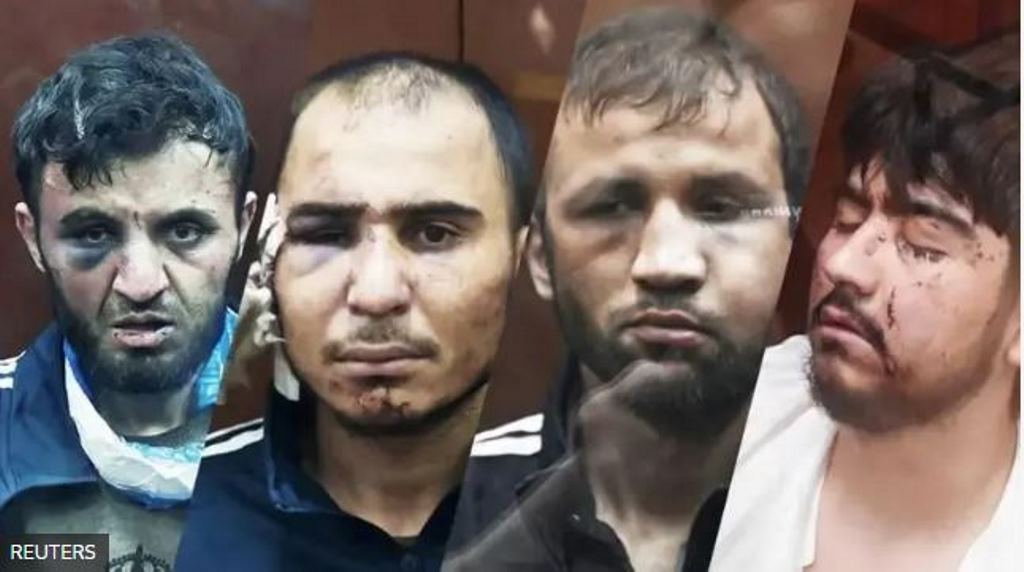
Faridoun Shamsiddin, Muhammadsobir Fayzov, Dalerjon Mirzoyev, and Saidakram Rajabalizoda have been sentenced to life in prison for their involvement in the terrorist attack at Crocus City Hall on March 22, 2024.

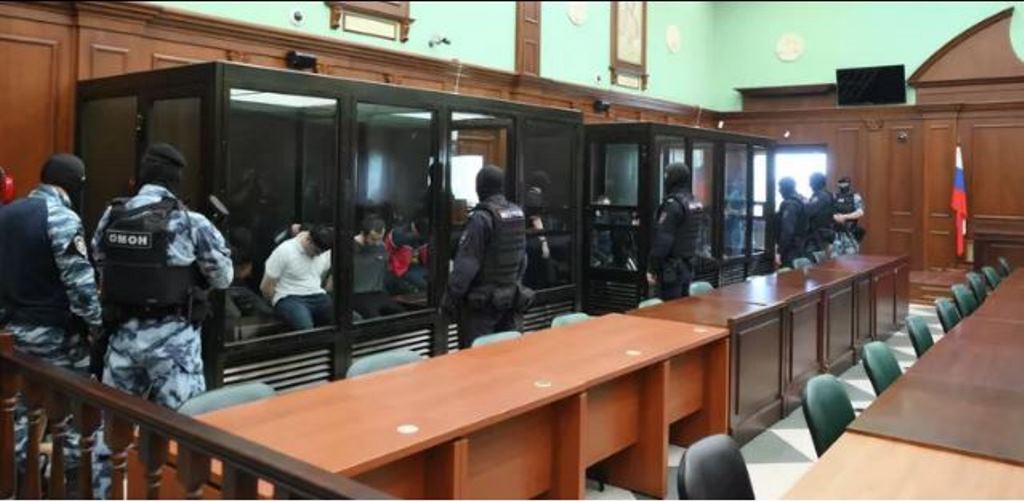
The Moscow Second Western District Military Court issued verdicts against the defendants involved in the attack on the venue.

The terrorist attack occurred in the Crocus City Hall on March 22, 2024.  It resulted in the deaths of 149 people and left more than 550 injured.  The four attackers—Tajik nationals Muhammadsobir Faizov, Dalerjon Mirzoyev, Saidakram Rajabalizoda, and Faridoun Shamsiddin—attempted to flee but were apprehended in Bryansk region and brought to Moscow.

In addition to the direct perpetrators, 11 accomplices, including Umedjon Soliyev, Mustaqim Soliyev, Shahromjon Gadoyev, Zubaydullo Ismoilov, Hussein Homidov, Muhammad Sharifzoda, Yaqubjoni Yusufzoda, Nazrimad Lutfulloi, Jumakhon Qurbonov, Hussein Medov, and Jabrayil Aushev, were also sentenced to life. Fines ranging from 800,000 to 2.7 million rubles were imposed on the accomplices.

Four others received sentences ranging from 19 to 22 years.

The court confirmed the involvement of the four primary attackers — Dalerjon Mirzoyev, Saidakram Rajabalizoda, Faridoun Shamsiddin, and Muhammadsobir Fayzov — with the terrorist group "Islamic State – Khorasan Province." The Islamic State claimed responsibility for the attack, labeling it an "act of retribution" against the "infidels."


Closed trial

The trial proceedings were closed to the public. While more than 100 journalists attended the initial hearings, prosecutors requested to shut down the public process, citing threats of "demonstrative terror acts" planned by the defendants' accomplices.

As a result, the public was unable to hear testimonies, see evidence, or access court documents during the six-month trial, and only comments from the victims' lawyers and official statements from the investigation were reported.


Who admitted guilt?

The trial began on August 4, 2025, and on the first day, three of the four accused perpetrators — Fayzov, Mirzoyev, and Shamsiddin — fully confessed to their guilt, expressed regret, and apologized to the victims. The fourth attacker, Rajabalizoda, refused to recognize himself as a terrorist.

Isroil Islomov and his sons, along with Zubaydullo Ismoilov, who was previously convicted in Tajikistan for calls to violent regime change, denied any involvement in aiding the attackers. Other defendants partially admitted their guilt but denied involvement in terrorism-related activities.


Who were the accomplices?

The investigation presented the remaining 15 defendants as accomplices. Two individuals, Hussein Medov and Jabrayil Aushev from Ingushetia, allegedly converted deactivated firearms into working weapons, which were then used in the Crocus attack.

Five other defendants — Shahromjon Gadoyev, Zubaydullo Ismoilov, Hussein Homidov, and brothers Umedjon and Mustaqim Soliyev — delivered weapons and ammunition to the attackers. Four individuals — Yaqubjon Yusufzoda, Nazrimad Lutfulloi, Jumakhon Qurbonov, and Muhammad Sharifzoda — transferred funds for the attack's preparation.

Alisher Qasimov rented housing to the main accused, and the Islomov family (Dilovar, his brother Aminjon, and their father Isroil) sold them the Renault car used in the escape attempt. Some accomplices partially confessed to their involvement. Qasimov received a jail term of 22½ years, while the Islomov family members were sentenced to 19 years and 11 months each.

Interestingly, Qasimov and the Islomov family voluntarily turned themselves in to the police days before the attack, yet were later accused of aiding the terrorists. Before the verdict, all accused were already listed as terrorists.