Home Blog Page 33

Low interest in investment in Tajikistan: high risks and limited knowledge are key barriers

0

Experts explain that the low level of interest in investing in Tajikistan’s economy is primarily due to the high risks of losing investments. Economists emphasize that investments are a crucial factor in the development of both individual businesses and the economy as a whole. In Tajikistan's legislation, investments are defined as capital expenditures in both tangible and intangible assets. The most significant investments are those in fixed capital, which serve as the foundation for the growth of any economy.

Investments in fixed capital include expenditures on the construction and reconstruction of buildings and infrastructure, the development of equipment, technologies, and intellectual property. According to official data, in 2025, the total volume of investments in fixed capital amounted to more than 28.7 billion somoni (approximately $3 billion), reflecting a 23% increase compared to 2024. Despite the growth in capital investments, Tajikistan still lags behind its neighbors in this area, which demonstrates significant potential for further investment growth.

Economists underline the importance of the share of capital investments in GDP as an indicator of large-scale investment programs. In Tajikistan, this figure is 15.8%, placing the country in the middle tier among its neighbors. However, Tajikistan significantly lags behind other regional countries in terms of capital investment per capita.


Capital investments in Central Asian countries in 2025

Country

Capital investments (in USD)

  GDP ratio (%)

  Per capita (in USD)

Tajikistan

               3 billion

       15.8%

           280

Kazakhstan

             45.2 billion

       15%

         2205

Kyrgyzstan

               4.3 billion

       19%

           581

Turkmenistan

               5.1 billion

         7%

           664

Uzbekistan

             48.7 billion

       32%

         1300

Source: National statistical agencies of the region’s countries


Almost half of capital investments (46.2% in 2025) are financed by the state budget, highlighting the underdeveloped private sector and the insufficient role of private investments. Unfortunately, the share of public capital in investments has been growing—from 39.9% in 2023 to 43.6% in 2024. Private investments account for about 40%, and foreign investments make up only 14.3%. This is not enough for a developing economy, where attracting foreign funds is essential for accelerating growth and introducing new technologies.


ASIA-PLUS

Structure of capital investments by ownership types for January-December 2025

Capital Investments: 28,736.0 million somoni

Ownership Type

Total nvestments (in million somoni)

   Share of ownership Types (%)

   Percentage of total (January-  December 2025)

State

13,280.5 million

46.2%

43.6%

Private

11,306.3 million

39.3%

39.3%

Joint

49.8 million

0.2%

0.2%

Foreign

4,099.4 million

14.3%

19.2%

Source: Calculated based on the total ownership types, with investment statistics from the state and foreign sources as of January-December 2025.


Thus, despite the growth in capital investments, Tajikistan's economic development requires an increase in private and foreign investments. While government investments are important, their volume and direction should be justified. In a market economy, government investments should serve to address market failures, stimulate the economy, and solve socially significant problems, rather than replace market mechanisms.


Why aren't people investing?

Meanwhile, the share of the population in Tajikistan’s capital investments remains below 5%, indicating insufficient public involvement in economic development and limiting opportunities for improving citizens' quality of life. This reduces the prospects for long-term sustainable growth.

Respondents in the Asia-Plus social media survey indicated that the main reason for low interest in investments is the "high risk of losing savings" (53%). Other factors mentioned include "financial and economic uncertainty" (17%), "lack of knowledge and experience," "low returns on investments," and "lack of funds" (9-10% of respondents).

Survey results show that increasing investment interest in Tajikistan requires solving several key issues, including improving financial literacy, developing the capital and securities markets, and creating a more stable and transparent economic environment.

Equally important is the creation of a stable and predictable business environment and reducing the informal economy's share, which, according to international financial institutions, accounts for about 40% of the total economy. As a result, a significant volume of financial flows, including investments, occurs in the informal sector, hindering economic development and the strengthening of the budget.


Foreign investors face multiple challenges

Foreign investors operating in Tajikistan face several challenges:

·         Legislative instability: Frequent changes in tax and investment laws create uncertainty and increase risks.

·         Weak infrastructure: Underdeveloped transport and energy networks complicate logistics and raise operating costs.

·         Market opacity: Lack of sufficient information about companies and markets makes it difficult to conduct due diligence and assess risks.

·         Bureaucracy: Complex and lengthy administrative procedures hinder obtaining necessary permits and licenses.

·         Legal risks: Insufficient protection of property rights and complex dispute resolution processes increase risks.

Socio-economic instability: Potential political and social risks, including labor disputes and economic crises, may negatively affect business.


"There is Money, but no trust, knowledge, or experience"

Financial analyst Abbos Nazaraliyev explains that Tajikistan's investment market has unique characteristics. The main investors are the state and local institutional investors (banks, large corporations, funds, insurance companies, etc.).

"We have three main categories of investors: the state, foreign investors, and local institutional/individual investors (including corporations). Investment targets in the country are predominantly focused on construction and, to a lesser extent, industry and mining," he said.

He noted that private companies in Tajikistan, aside from residential and commercial construction, do not participate in large infrastructure projects. The state, in collaboration with international financial development institutions, must handle these projects.

"There may be many reasons for this, from high investment risks in sectors other than residential construction to the lack of developed financial instruments in the securities market, such as ‘blue-chip’ assets in the national economy. In other countries, private companies typically build and manage large industrial and infrastructure projects through public-private partnerships (PPP), earning income from established tariffs," Nazaraliev added.

The analyst disagrees with the notion that the local population does not have sufficient income to invest. He pointed out that potential investments are often held in banks in savings accounts and term deposits.

According to the National Bank of Tajikistan, the total balance of deposits as of January 1, 2026, amounted to 33.9 billion somoni (about $3.6 billion), an increase of 32.8% compared to the same period in 2025. The average interest rate on term deposits in national currency was 12.05% annually. Banks primarily use these funds for business lending. The average interest rate on loans in national currency in 2025 was 22.6%.

The expert believes that these funds could partially be directed to finance small and medium-sized businesses directly, without the need for bank intermediation. Thus, the population could receive the margin (the difference between deposit and loan rates) that banks currently benefit from. Unfortunately, the local investment market is very limited.

"In general, the investment market in Tajikistan, even without considering large companies and international transactions, is significant. However, local companies may lack sufficient information and understanding of local capital market opportunities," the analyst concluded.


Expert recommendations to stimulate investment

To address the existing barriers and increase public participation in investment activities, Asia-Plus has compiled a set of recommendations based on expert proposals:

·         Reducing investment risks

o    Creating insurance mechanisms: The government or financial institutions could introduce deposit and investment insurance programs to alleviate concerns about losing savings.

o    Transparency and investor protection: Increasing transparency in financial operations and establishing strong regulatory mechanisms can boost confidence in investment instruments.

o    Political and risk protection mechanisms: Strengthening investment protection from political and other risks.


·         Educational programs

o    Organizing courses, seminars, and training for the public on basic financial literacy, investing, and risk management can help individuals better understand how investments work and how to minimize risks.

o    Developing and distributing educational materials: Creating accessible materials, such as video tutorials and infographics, on the benefits and risks of different types of investments.


·         Stabilizing the Economic Environment:

o    Developing sustainable economic policies: The government must aim to create a stable macroeconomic environment to help citizens feel more confident about the future and reduce fears of economic uncertainty.

o    Encouraging long-term investments: Creating conditions for more stable and attractive long-term investments, such as those in infrastructure or government bonds.

o    Improving Trust in Financial Institutions:

o    Developing an ombudsman institution: Establishing an independent institution to resolve disputes between investors and financial institutions.

o    Regular audits and report publications: Ensuring regular oversight and transparency in the operations of financial organizations can strengthen public trust.

·         Increasing investment returns

o    Subsidies and tax incentives for investors: Offering tax incentives or subsidies could make investments more attractive and compensate for low returns.

o    Developing new investment products: The government and private companies could offer new, more profitable, and secure investment products.


·         Expanding capital accessibility

o    Developing microfinance and crowdfunding: Supporting and developing microfinance institutions and crowdfunding platforms can give individuals access to capital for investment.

o    Creating special investment funds: The government could create funds that co-finance citizens' investment projects, reducing their financial burden and risk.


·         Developing the securities market

o    Allowing institutional investors to increase investment size: Institutional investors should be able to increase their investments in the capital structure of local issuers listed on the Central Asian Stock Exchange (CASE).

o    Introducing venture investments and private equity funds: Legislation should include concepts like venture capital, venture investors, and derivatives (options, forwards, futures, etc.).


·         Communication and information support

o    Public campaigns to promote investment: Mass media campaigns to raise awareness of investment opportunities and their benefits.

o    Consultation services: Setting up free advisory centers where citizens can receive guidance on selecting investment products and understanding associated risks.


Conclusion

In order to make investments more accessible and secure, conditions need to be created for their protection, information accessibility should be improved, and financial instruments developed. This will help people invest, improve their financial position, and strengthen Tajikistan’s economy.
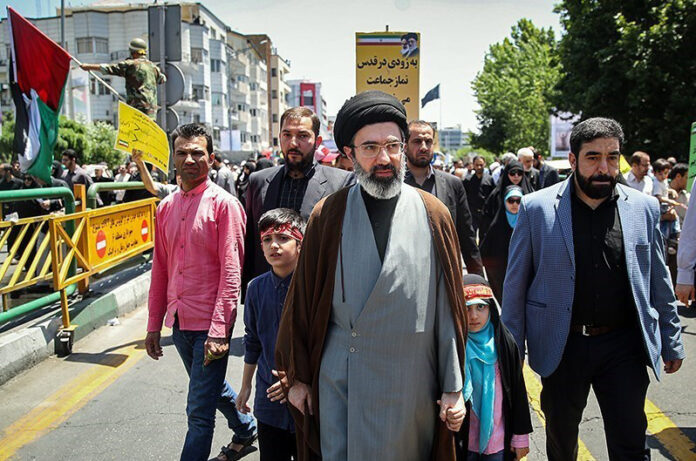

 

New Iranian leader wounded early in the war; remains out of public view

0

Three days after being declared Iran’s new supreme leader following the death of his father, Mojtaba Khamenei has not been seen in public, nor has he issued any official statements.

Western media outlets report that while officials have confirmed Khamenei’s leg injuries, the exact circumstances and extent of his injuries remain unclear.

According to The New York Times, one of the reasons for Khamenei's absence is the heightened security concerns, as any public communication could potentially reveal his location, putting him in further danger. Three anonymous Iranian officials revealed that Khamenei, 56, was injured on the opening day of the ongoing attack by Israel and the United States.

The officials mentioned that Khamenei had suffered injuries, particularly to his legs, but was alert and staying at a highly secure location with limited communication. Despite his injuries, Khamenei's situation remains closely guarded by the Iranian government.

Israeli military officials, speaking to The New York Times on condition of anonymity, confirmed that Israel’s intelligence suggests Khamenei sustained leg injuries during the attack on February 28, prior to his formal designation as the new supreme leader on March 8.

Reuters cited a senior Israeli official as saying that Israel’s defense establishment assesses that Khamenei was lightly wounded during the joint Israeli-U.S. airstrike campaign against Iran, which could explain his continued absence from the public eye.

In an interview with the Italian newspaper Corriere della Sera, Esmail Baghaei, a spokesman for the Ministry of Foreign Affairs of Iran, confirmed the information regarding the health of the country’s new Supreme Leader, Mojtaba Khamenei.

Responding to a question about Khamenei’s health, Baghaei stated, “He is injured, but he feels well. I don’t know when he will give his first speech.”

He also added that three or four candidates were considered for the position of Supreme Leader, but the majority of the members of the Assembly of Experts chose Khamenei according to the Iranian Constitution.

According to Baghaei, this shows that the system in the country is not governed by one individual, but by a collective body.

As the situation unfolds, Khamenei’s whereabouts and health remain a subject of intense scrutiny, with both Iranian and international officials maintaining a veil of secrecy surrounding his current condition. 

Tajikistan showcases its tourism potential at MITT-2026 in Moscow

0

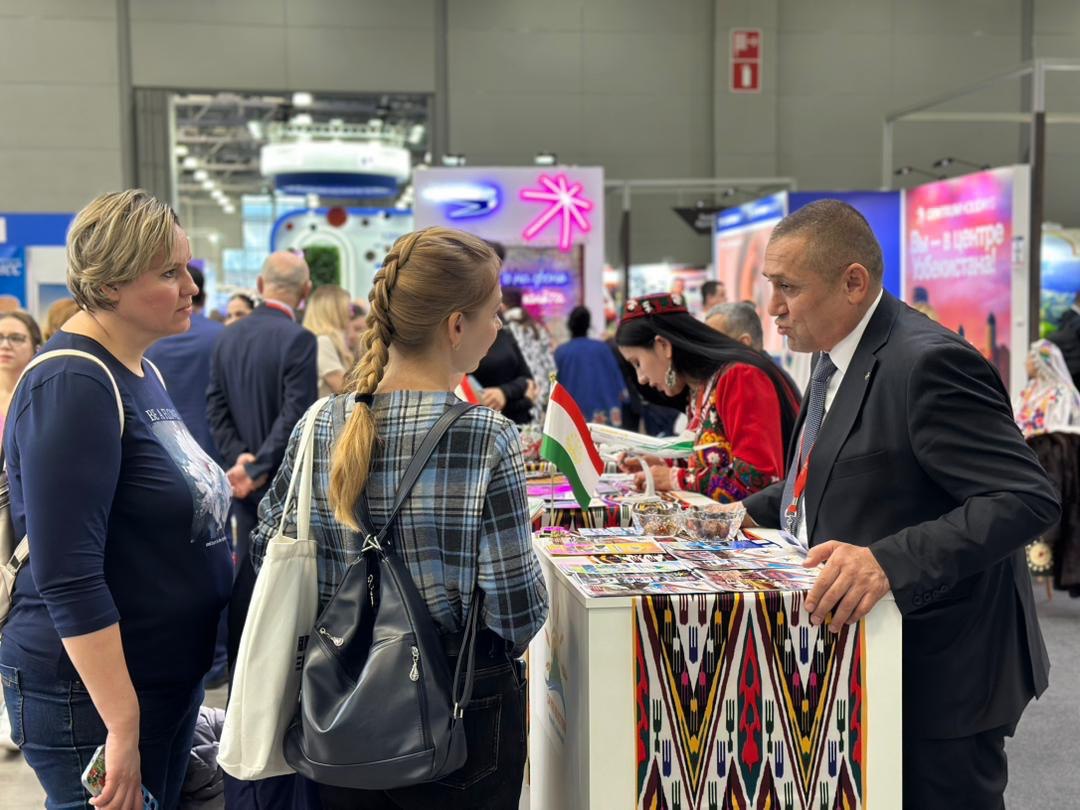
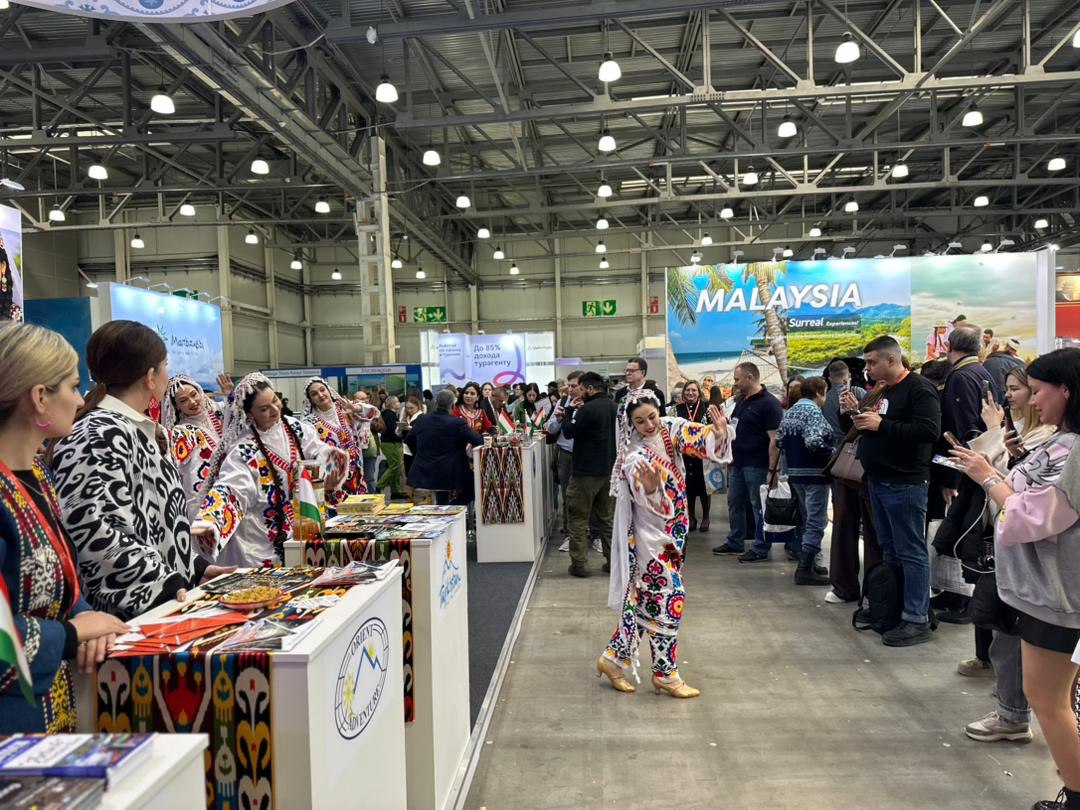
Tajikistan is highlighting its extensive tourism opportunities at the ongoing MITT-2026, the major International Travel and Hospitality Industry Exhibition in Moscow. This event, one of the leading industry platforms in the Russian market, has attracted attention from experts, travel companies, and agents from around the world.

At the Tajikistan national stand, organized by the Committee for Tourism Development under the Government of Tajikistan and the country’s Embassy in Moscow, a wide range of the country’s tourism resources were presented.

Visitors had the opportunity to explore Tajikistan’s unique nature, historical and cultural heritage, and folk crafts. Special attention was given to the development of mountain, ecological, cultural, and gastronomic tourism.

The exhibition also served as a platform for negotiations and meetings with representatives of leading Russian and international travel companies and tour operators, aiming to expand cooperation and attract more tourists to Tajikistan.

Thanks to the support of the embassy, working meetings and presentations were organized to strengthen bilateral ties between Tajikistan and the Russian Federation.

According to official statistics, over 296,000 Russians visited Tajikistan in 2025, a 56% increase compared to the previous year. This reflects the growing interest in the country as a tourist destination.

"Participation in MITT-2026 helps promote Tajikistan on the international stage, strengthens cooperation with foreign partners, and expands tourist flows into the country. The Committee for Tourism Development will continue its efforts to promote Tajikistan’s tourism brand in international markets, intensifying global cooperation," noted an official source within Tajikistan’s Tourism Development Committee 


Tens of thousands of children and adolescents in Tajikistan suffer from obesity, according to World Obesity Atlas

0

Approximately 12,000 children aged 5–9 years and 20,000 adolescents aged 10–19 years in Tajikistan are affected by overweight or obesity, according to the new World Obesity Atlas 2026 report. The report warns that the consequences of obesity can manifest at an early age.

Researchers estimate that among children and adolescents in Tajikistan with a high body mass index, about 2,000 may show signs of hypertension, approximately 1,000 have elevated blood glucose levels, about 3,000 have high triglycerides, and around 6,000 are affected by fatty liver disease (MASLD).

The report highlights several factors contributing to the rising rates of obesity among children. One key factor is diet. On average, children aged 6–10 years consume about 50–100 ml of sugary drinks per day, increasing the risk of excessive weight gain.

Breastfeeding also plays a significant role. The rate of incomplete breastfeeding among infants aged 1–5 months stands at around 71.3%, which may influence the risk of obesity later in life. Additionally, maternal health is a contributing factor. Around 23% of women aged 15–49 in Tajikistan are overweight, and the prevalence of diabetes stands at about 1.5%. Experts note that maternal health and early childhood nutrition significantly impact the risk of obesity in children.


Central Asia: a growing trend

The trends in Central Asia are largely similar. The study shows that Kazakhstan has higher rates of childhood obesity, while Uzbekistan also has a noticeable proportion of young children with excess weight. Kyrgyzstan and Turkmenistan currently report more moderate levels of obesity, but experts note a gradual increase in these countries as well.

A key factor identified by researchers is the changing dietary patterns, including increased consumption of sugar, sugary drinks, and ultra-processed foods. These changes are linked to urbanization, lifestyle changes, and the availability of high-calorie foods.


Global trend: obesity is growing faster

According to the World Obesity Atlas, childhood obesity is rising across nearly all regions of the world. Currently, about 177 million children and adolescents aged 5–19 are living with obesity, and by 2040, this number could increase to 228 million.

Globally, approximately 419 million children have excess weight, and by 2040, this number may exceed 500 million, meaning one in every four children on the planet will have a high body mass index. The greatest increase is seen in middle-income countries, where most of the world's children live.

Experts warn that childhood obesity often persists into adulthood, significantly raising the risk of serious diseases such as diabetes, cardiovascular diseases, and liver diseases. In some cases, signs of these conditions may appear in adolescence.


Expert recommendations

The report's authors recommend that governments take more active steps to implement preventive measures. Among the most effective measures are limiting the marketing of unhealthy foods to children, developing school healthy eating programs, increasing physical activity, promoting breastfeeding, and regular health monitoring of children.

Experts stress that addressing obesity requires comprehensive solutions, ranging from changes in food policies to healthcare reforms. However, the report notes that in many countries, including those in Central Asia, preventive measures have yet to be implemented effectively, and monitoring childhood obesity remains limited.

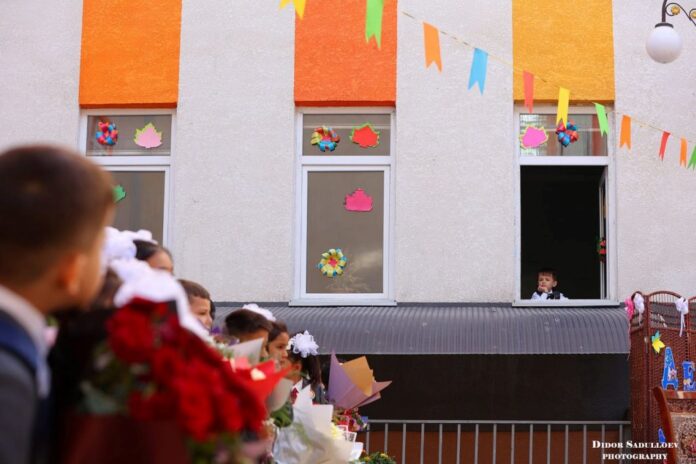
Tajikistan’s shift to a 12-year education system reveals a key issue: 180,000 school places needed

0

Tajikistan's transition to a 12-year education system has revealed a significant challenge: the country’s schools are lacking approximately 180,000 student places. Deputy Minister of Education and Science, Ravshan Karimzoda, highlighted the shortage as one of the main issues with this shift. According to him, there are around 250,000 six-year-old children in the country, but schools can currently accommodate only about 66,000 students of that age.

Preliminary calculations suggest that, with the full implementation of the 12-year system, 184,640 children may face a shortage of places. This represents 73.7% of all six-year-olds, while the schools in the country are only able to accommodate about 26% of them.

Karimzoda made these comments during a roundtable discussion held on February 26, organized by the Majlisi Namoyandagon (Tajikistan’s lower chamber of parliament) Committee on Science, Education, Culture, and Youth Policy. The topic of the meeting was “The Importance of Transitioning to a 12-Year Education System: Aligning with Global Standards.”


A complex system with greater opportunities

In addition to the issue of student places, Karimzoda pointed out the need to prepare more teachers, strengthen teacher retraining programs, provide students with textbooks, revise educational standards, develop new curricula, and create additional classrooms. All of this requires a gradual transition that includes strengthening infrastructure, staffing, and financial support.

Deputy Chair of the Majlisi Namoyandagon, Ms. Mavsouma Muini, emphasized that the transition to a 12-year system is necessary to align the education system with global standards, start education at age six, and reduce the workload on both students and teachers. She noted that in 1992, based on a declaration from the Council of Europe, around 150 countries supported the transition to a 12-year education system, and now this system is in place in more than 180 countries.

The Chair of the Majlisi Namoyandagon Committee on Science, Education, and Culture, Ms. Barno Saidvalizoda, added that the new system would offer more opportunities for those who wish to continue their education abroad. "Today, many of our citizens who go abroad for studies continue their education in the 12th grade," she said. According to her, in 32 countries, education starts at age 5, in 129 countries at age 6, and in 23 countries at age 7. Additionally, 25 countries have a 13-year education system starting at age six.


A reform discussed for over a decade

Last year, the Education Development Institute at the "Asia-Plus" Academy of Education reported that the Ministry of Education and Science plans to fully transition to the 12-year education system by the 2029-2030 academic year. Under this plan, enrollment in the first grade will begin at age six, and compulsory education will last until the 10th grade.

Initially, the experimental phase of the transition was scheduled to begin in the 2023-2024 academic year, but the project was delayed due to a number of issues. The exact nature of these problems has not been disclosed.

The need for a 12-year education system was raised by Tajikistan’s President, Emomali Rahmon, in his addresses to parliament in 2009 and 2011. Later, in his 2015 address, he stated that schools must be equipped with teachers before transitioning to the new system.

In 2017, the then-Minister of Education, Nouriddin Said, announced that Tajikistan's schools would begin the shift to the 12-year system starting in 2020, and the process would be gradual. A year ago, Deputy Minister of Education Ziyodullo Abdulzoda stated in an interview with Omuzgor weekly that school education in Tajikistan would become 12 years by 2030.

Tajikistan’s ministry of transport calls for increased readiness due to severe weather conditions

0

The Ministry of Transport of Tajikistan has urged all road enterprises to be on high alert and drivers to exercise caution due to the challenging weather conditions in the country.

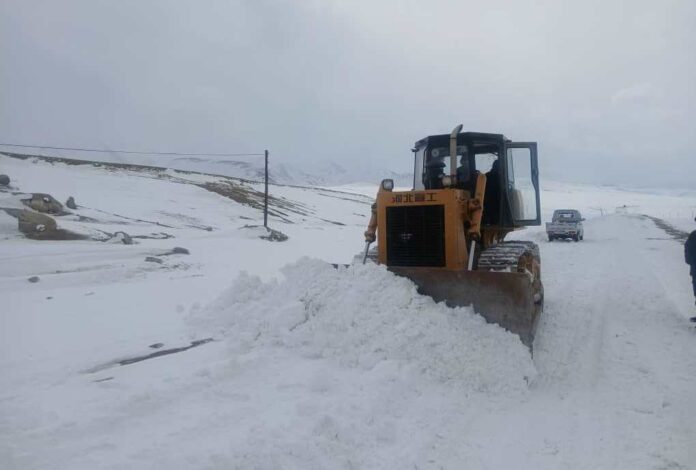
According to a statement referencing the Hydrometeorology Center (Hydromet), Tajikistan is expected to experience new precipitation, including snowfall in mountainous areas, by the end of March. It is forecasted that snow cover in some regions could reach up to 30 cm, and river water levels are also expected to rise. This could lead to the risk of landslides, mudflows, and avalanches along international highways.

The Ministry of Transport notes that, following recent heavy rainfall, mudflows and avalanches have already occurred in the Gorno-Badakhshan Autonomous Region (GBAO) and the Rasht Valley. These natural disasters have affected several critical roadways in the country.

Avalanches and mudflows have been recorded in GBAO, particularly on the 661st kilometer of the Dushanbe-Khorog-Kulma highway in the Shugnan district and the 33rd kilometer of the Rushan-Bartang road. These incidents caused temporary disruptions to traffic. Mudflows have also been reported in the villages of Alichur and Mamadzoir in the Murgab district, as well as in the villages of Khostav and Saghirdasht in the Darvoz district.

Additionally, heavy rainfall has led to avalanches and mudflows in the Rasht Valley, especially in the districts of Nourabad, Sangvor, and Lakhsh. Between February and March, more than 30 avalanches of various sizes were recorded on the international highway Vahdat-Rasht-Lakhsh-Kyrgyz border  and the Labidjar-Sangvor-Qalaikhumb road.

The Ministry of Transport emphasizes that the severe weather has caused damage to road surfaces and infrastructure. In some areas, traffic was temporarily halted. However, road maintenance services have quickly responded to the aftermath. Roads have been cleared of snow, stones, and debris, and damaged sections are being repaired. Currently, traffic has been fully restored on all affected routes.

Three civilian ships attacked in the Strait of Hormuz. UN Security Council calls on Iran to cease attacks on third countries

0

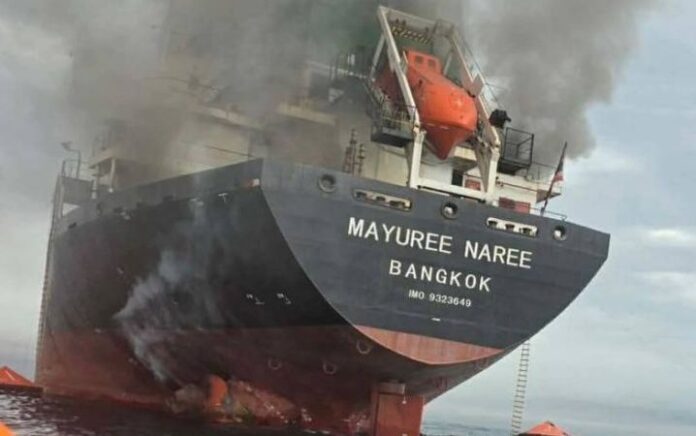
On March 11, several civilian vessels were attacked in the Persian Gulf, including the Strait of Hormuz. DW reports that according to a report from the UK Maritime Trade Operations (UKMTO), three cargo ships were struck by "unidentified projectiles," one of which caught fire.

The Thai Navy confirmed that the burning vessel was the Thai bulk carrier Mayuree Naree, which was hit by a missile in the Strait of Hormuz. All 20 crew members were evacuated by Omani naval forces, with three members reported missing.

Other ships affected by the attacks include the Japanese-flagged container ship One Majesty and the Marshall Islands-flagged bulk carrier Star Gwyneth.

The Iranian Revolutionary Guard Corps (IRGC) acknowledged its involvement in the missile strikes on the Express Rome (Liberia) and the Mayuree Naree after the vessels reportedly ignored warnings. However, Iran denied responsibility for the attacks on the other two ships.

IRGC naval commander Alireza Tangsiri emphasized that passing through the Strait of Hormuz requires Iran's permission.

Additionally, reports indicate that Iran mined the Strait of Hormuz ahead of the attacks. In retaliation, the United States launched strikes on 16 Iranian boats used for mining operations, a move confirmed by U.S. President Donald Trump.

The Strait of Hormuz, a crucial artery for oil transportation from the Middle East, has essentially been closed to civilian vessels since the outbreak of the war. Since February 28, only one tanker has managed to avoid Iranian attacks. The disruption of shipping in the Strait has led to significant spikes in fuel prices.


International response and intervention

In response to the blockade of the Strait, the International Energy Agency (IEA) announced on March 11 a unanimous decision to release 400 million barrels of oil from the reserves of member countries. The IEA, which includes 32 countries from Europe and North America, as well as Japan, South Korea, Australia, New Zealand, Israel, Turkey, and several others, has taken this action in an effort to stabilize global oil markets.

IEA Executive Director Fatih Birol commented, “The scale of the problems we are facing in the oil market is unprecedented, and I am pleased that IEA member countries have responded with urgent, unparalleled measures.”

This marks the sixth joint intervention by the IEA. Previous similar measures were taken in 1991, 2005, 2011, and twice in 2022. The 400 million barrels represent about one-third of the total reserves of IEA member countries. As noted by the BBC, the world consumes 400 million barrels in about four days, while under normal conditions, this amount of oil would pass through the Strait of Hormuz in 20 days.

UN Security Council Resolution

Meanwhile, the UN Security Council adopted a resolution calling on Iran to cease its attacks on third countries. The document, proposed by Bahrain on behalf of the member states of the Gulf Cooperation Council (GCC), was approved by 13 votes, with Russia and China abstaining.

The resolution also condemns any actions or threats by Iran aimed at closing or obstructing international shipping through the Strait of Hormuz. Notably, the resolution does not mention U.S. and Israeli strikes on Iran.

Somoni under pressure: how currency exchange rates have changed since the start of the U.S.-Israel war on Iran

0

The exchange rates of major foreign currencies in Tajikistan have notably changed following the start of the U.S.-Israel war on Iran. The US dollar has strengthened against the Tajik national currency, the somoni, while the euro and Russian ruble have experienced slight declines.

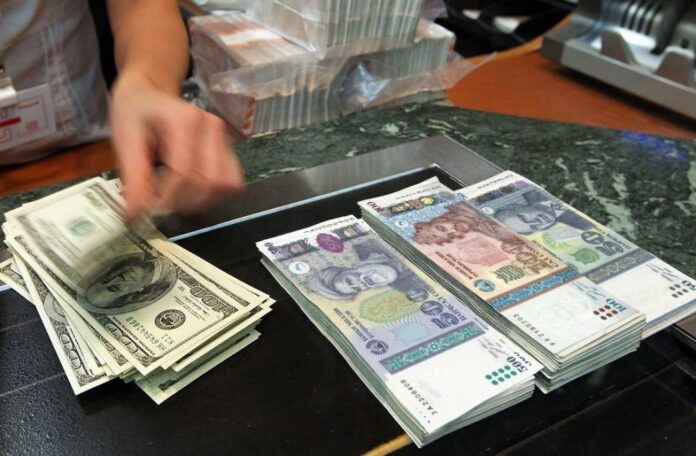
According to the National Bank of Tajikistan, as of March 11, the official exchange rates are as follows: 1.00 USD = 9.6010 somoni, 1 euro = 11.1784 somoni, and 1 ruble = 0.1216 somoni.

Since the outbreak of the war on February 28, the US dollar has risen from 9.5109 to 9.6010 somoni, increasing by about 0.9%.

In contrast, the euro has slightly decreased, from 11.2248 to 11.1784 somoni (a drop of around 0.4%). The Russian ruble has also weakened, falling from 0.1232 to 0.1216 somoni, or approximately 1.3%.

Economists note that during geopolitical crises, the dollar traditionally strengthens, as it is considered one of the world’s primary reserve currencies.


Dynamics since the beginning of 2026

Comparing the current exchange rates to those on December 31, 2025, it is clear that the somoni has weakened against all three currencies in the first months of the year. The US dollar has increased from 9.2513 to 9.6010 somoni, a rise of about 3.8%. The euro has risen from 10.8916 to 11.1784 somoni, an increase of approximately 2.6%. The Russian ruble has strengthened from 0.1181 to 0.1216 somoni, about a 3.0% rise.


Why do exchange rates change?

Experts attribute the fluctuations in exchange rates to several factors.

First and foremost is geopolitical instability. The military conflict in Iran has heightened tensions on international markets, driving up demand for the dollar as a "safe haven" currency.

Another factor is Tajikistan's high dependence on external economic processes, particularly its ties with Russia. A significant portion of remittances from labor migrants comes from Russia, so fluctuations in the ruble’s value directly impact Tajikistan's currency market.

Since the start of Russia's full-scale invasion of Ukraine in February 2022, the Russian ruble has experienced significant volatility. Before the war, the exchange rate was around 75–80 rubles per dollar, but during certain periods, the rate exceeded 100 rubles. In early 2026, the rate remains in the range of 80–90 rubles per dollar.

Additionally, demand for foreign currency typically rises at the beginning of the year due to increased imports, which can also exert additional pressure on the somoni.


What’s next?

Economists believe that the future dynamics of exchange rates will largely depend on developments in the Middle East, as well as the economic conditions in Russia, the US, and the EU. If geopolitical tensions persist, the dollar may continue to strengthen, while the rates of other currencies will fluctuate in line with global market trends.

It is worth noting that in 2025, the somoni strengthened against the dollar and the euro, but slightly weakened against the Russian ruble. The official exchange rate of the somoni to the dollar increased by 15.4% over the year, rising from 10.9355 somoni (for 1 USD) on January 1, 2025, to 9.2470 somoni on the same date in 2026.

The exchange rate of the somoni to the euro grew by 4.6%, from 11.3828 somoni (for 1 euro) to 10.8578 somoni.

In Tajikistan, the Children’s Ombudsman Has Changed

0

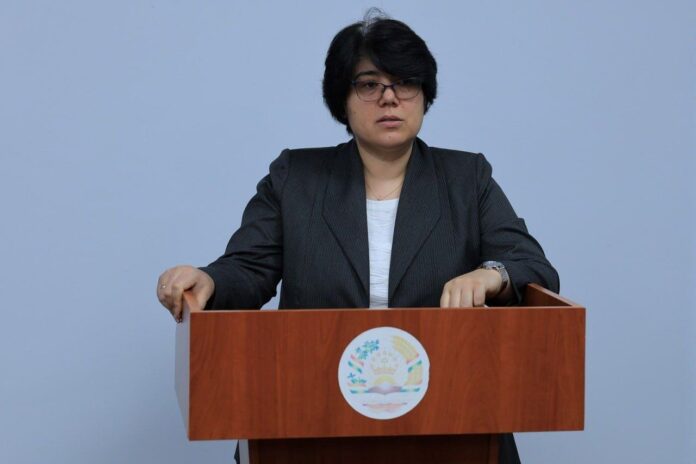
The Parliament of Tajikistan has dismissed Ms. Mijgona Bobojonzoda from her position as the Commissioner for Children’s Rights in the Republic.  She has been replaced by Ms. Nigora Muqimi.

The president’s proposal to appoint Muqimi was approved during a session of the Majlisi Namoyandagon (Tajikistan’s lower chamber of parliament) that took place on March 11, the chamber’s official website says.

The reasons for Bobojonzoda’s dismissal have not been disclosed. She had served as the children's ombudsman since 2021.

Nigora Muqimi, who takes over the role, had previously served as the head of the Anticorruption Department within the Agency for State Financial Control and Combating Corruption under the President of Tajikistan.

Muqimi graduated from the Faculty of Law of the National University of Tajikistan and began her career in the anticorruption agency in 2010, holding various positions within the agency.

The position of the Children’s Ombudsman was established in Tajikistan in 2016 with the mission of safeguarding children's rights and freedoms. The ombudsman is appointed for a five-year term and cannot serve more than two consecutive terms. The first person to hold this position was Ms. Rajabmo Habibullozoda, who served until 2021.