Home Blog Page 34

China’s shift to RESs poses threat to traditional natural gas producers

0

China’s rapid shift toward renewable energy sources (RESs) poses a threat to traditional natural gas producers like Russia, Turkmenistan, and Kazakhstan. However, Uzbekistan, which is also quickly expanding its renewable energy sector, may stand to benefit, Eurasianet reports, citing a report by BloombergNEF titled "Supply Chains in the Energy Transition Era."

China leads the world in clean energy production, controlling over 70% of global capacity in all categories of clean energy generation, excluding hydrogen electrolyzers. In 2024, 76% of global investments in the renewable energy sector were directed to Chinese factories producing solar panels, batteries, and wind turbines.

Furthermore, China has seen explosive growth in clean energy generation, particularly from solar power plants. Energy consumption in China is rising, with around 80% of this growth being covered by renewable energy.

“By 2030, the total installed clean energy generation capacity is expected to reach 2,461 GW, double the 2022 figure, with solar power capacity tripling,” the Ember analytical center, which specializes in renewable energy transition issues, reports.

“As many developed economies prioritize protectionism through tariffs, developing markets are capturing a growing share of supply from mainland China,” the BloombergNEF study concludes.

However, fossil fuels still account for approximately 62% of China’s energy consumption. This share is expected to decrease in the coming years due to the slowdown of China’s economy, growth in renewable energy production, and President Xi Jinping’s commitment to achieving carbon neutrality by 2060, according to Eurasianet.

These shifts in China’s energy policy have likely influenced recent decisions regarding Russia and Central Asia. China, long considered the world’s largest driver of gas demand, is now shifting its priorities toward RESs. This shift likely explains the recent rejection of the Russian mega-project to build a gas pipeline to China through Kazakhstan, as well as Beijing’s reluctance to approve the "Power of Siberia 2" pipeline. 

How is Tajikistan’s oldest woman doing?

0

A year ago, Asia-Plus published a report on the oldest woman in Tajikistan, Basimo Turayeva, who was 120 years old at the time. She shared that she had 7 children and around 210 grandchildren, great-grandchildren, and great-great-grandchildren. In honor of Mother’s Day, we decided to check on her health a year later.

Mirzoali Gadoyev, Basimo Turayeva’s son, told Asia-Plus that her health is still good, but she has become a bit forgetful.

“My mother lives surrounded by her children and grandchildren in Dushanbe. She doesn’t complain about her health, only she has become a little forgetful, and her hearing has worsened. She sits by the stove, watches TV, and occasionally goes outside. To keep her from feeling lonely, we visit her or take her to other relatives,” he said.

According to him, despite her age, Basimo Turayeva does not take any medications and relies on herbal remedies. “She eats light foods like porridge, atola, shirchoy ( a traditional, creamy Tajik breakfast beverage (and light meal) made by simmering black tea, water, and milk), and loves fruits and dried fruits. She has a good appetite and takes care of her health. She speaks well and still tells her grandchildren stories about her life,” Gadoyev noted.

According to the documents, Basimo Turayeva was born on May 6, 1904, in the village of Chashmai Bedak in the Khovaling district, and in two months, she will celebrate her 122nd birthday.

She says the secret to her longevity is not taking medications and following a healthy diet. Last year, she said she has never taken pills.

According to the Social Insurance and Pension Agency of Tajikistan, as of February 2026, there are 239 people over the age of 100 living in the country. The average life expectancy in Tajikistan is 76.6 years. 

Tajikistan shifts to self-sufficiency in HIV treatment drugs

0

Tajikistan is no longer experiencing a shortage of HIV treatment drugs, despite reductions in international aid programs. This was confirmed by Ramshed Kholnazarov, Deputy Director of the Republican Center for the Prevention and Control of AIDS, who emphasized that the country continues to provide essential medications and medical services to people living with HIV.

Since 2025, the government has begun financing the procurement of antiretroviral drugs from the national budget in response to cuts in international aid, including USAID programs. Previously, the Global Fund fully funded the purchase of HIV drugs. In 2025, the government allocated funds for drug procurement, as well as for HIV prevention, diagnosis, and social support, including medications for opportunistic infections, diagnostic tests, and milk formula for children.

“Tajikistan has made a strategic decision to gradually transition to self-sufficiency in the procurement of HIV treatment drugs,” Kholnazarov stated, adding that the country plans to increase funding by 10-20% annually.


HIV and hepatitis C treatment plans

In 2025, Tajikistan submitted an application to the Global Fund for drug procurement to support patients in the second half of 2026 and the first half of 2027. The application was approved, and procurement will begin soon. Additionally, under the current Global Fund grant, treatment for hepatitis C among people living with HIV is set to begin in March 2025, with 1,000 patients receiving treatment.

Kholnazarov also noted that food support for people living with HIV is no longer financed by donor organizations. However, the government provides a monthly food allowance for children with HIV.


12,000 people receiving HIV treatment

Currently, more than 12,000 people are receiving HIV treatment in Tajikistan. The country has 67 AIDS centers, 15 clinics in Dushanbe, and 36 primary healthcare facilities across the republic providing HIV treatment.

Tajikistan has also been conducting HIV rapid testing, with preliminary results, and patients are referred for further testing, with the final diagnosis confirmed after three stages of examination.


U.S. aid to Tajikistan via USAID

Since 1992, Tajikistan has received over $2 billion in aid through USAID, including substantial funding for HIV/AIDS efforts. In 2024, USAID allocated $58.5 million to Tajikistan. However, the reduction in funding could affect future progress in HIV prevention and treatment.

According to UNAIDS, the global fight against HIV has made significant progress, reducing mortality by 50% since 2010. However, cuts in international funding risk undoing these gains, potentially leading to more infections and deaths.


Funding cuts could undermine progress in the fight against HIV

The global fight against HIV achieved historic results in 2024, with mortality rates halved compared to 2010, and the number of new cases decreased by 40%. Significant progress was also made in Tajikistan, where HIV-related deaths were reduced by half, mother-to-child transmission was minimized, and access to antiretroviral therapy improved significantly.

These findings were presented in the UNAIDS report "AIDS, Crisis, and the Power of Change", published on July 10, 2025. However, the authors of the report warned that the world risks losing the gains made due to cuts in international funding, including from the U.S. PEPFAR program.

The report noted that if current trends persist, there could be an additional 6 million new HIV cases and 4 million deaths over the next four years. In Tajikistan, more than 60% of HIV programs are funded by international donors.

“Even a 10-20% reduction in funding could undo years of effort,” said Aziza Hamidova, former UNAIDS Country Director in Tajikistan.

Women are unable to enroll in the Islamic Institute of Tajikistan despite claims of equality

0

In Tajikistan, the “Guide for Applicants” published annually by the National Testing Center (NTC) specifies that document submission for enrollment at the Islamic Institute is only available to men. Representatives of the NTC confirmed this, although the rector of the institute claims there is no discrimination against women.

The guide states that “specialties at the Islamic Institute of Tajikistan named after Imam Azam Abu Hanifa Nu’man ibn Thabit can only be chosen by men.”

However, the reasons for the exclusion of women are not disclosed.

Abdulbosit Shodiniyo, the First Deputy Chairman of the NTC, stated at a press conference in January that women have been deprived of the right to apply to the Islamic Institute for several years.

According to him, the enrollment procedure allows only men, and no women have been registered or taken exams in the past few years.

“This policy has been in place for around 4-5 years,” Shodiniyo said, adding that the decision was made in collaboration with "higher authorities." However, he did not specify which authorities were involved.

Meanwhile, the newly appointed rector of the Islamic Institute, Abdualim Akhtamzoda, told a press conference that no women were enrolled in the institute for the 2025-2026 academic year.

However, he noted that 29 women are currently studying in the evening department, having enrolled in previous years.

Akhtamzoda rejected allegations of discrimination and emphasized that “the doors of the institute are always open to everyone.” According to him, anyone who submits an application for admission will be accepted without exceptions.

Former rector, Nusratullo Zokirzoda, also claimed that there were no restrictions on women’s enrollment at the Islamic Institute. However, he could not explain why there are no female students in the full-time department.

Until 2018, when changes were made to the law on freedom of conscience and religious associations in Tajikistan, there were 250 female students at the Islamic Institute. Since then, religious education has only been permitted at state-run institutions, and unofficial religious training is punishable by law.

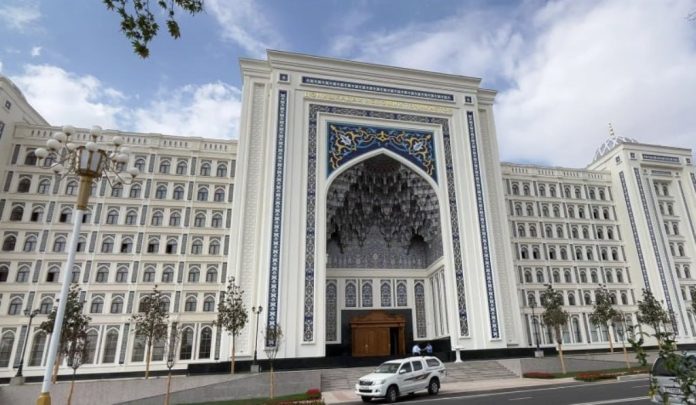
The Islamic Institute of Tajikistan was founded in 1997 and has been under the Ministry of Education and Science since 2007. In 2025, the institute moved into a new large building, which was inaugurated by President Emomali Rahmon.

Zsuzsanna Hargitai: Small Business Is the Key to Job Creation

0

Zsuzsanna Hargitai, Managing Director of the Small Business Finance and Development Department at the European Bank for Reconstruction and Development (EBRD), paid a two-day working visit to Dushanbe, where she met with government officials and representatives of small and medium-sized businesses. Following the visit, she gave an exclusive interview to Asia-Plus.

She notes that small and medium-sized enterprises (SMEs) are not an abstract concept — they are real businesses and real jobs. In Tajikistan, the private sector accounts for a significant share of employment in the economy, while the contribution of SMEs to GDP, according to various estimates, is around one-third of the economy.

This sector provides income for thousands of families, supports regional development and forms the backbone of the domestic market. To understand the potential, it is useful to look at the experience of neighboring countries. For example, in Kazakhstan SMEs employ around 4.4 million people and account for approximately 40 percent of GDP. This clearly demonstrates the role small and medium-sized businesses can play when favorable conditions are created.

Tajikistan also has the potential to strengthen the role of SMEs. With further expansion of access to financing, development of entrepreneurial skills, and continued improvement of the business environment, the contribution of SMEs to economic growth and employment could increase significantly.


“We See Positive Dynamics”

Q. How do you assess the current business climate for SMEs in Tajikistan? What changes in recent years do you consider the most significant?

A. Tajikistan’s private sector is at an important stage of development. Despite economic progress and growing potential, the business environment remains challenging. Access to financing, regulatory barriers, and limited market access continue to restrain business growth.

At the same time, we see positive dynamics. Entrepreneurs are increasingly introducing principles of corporate governance, improving transparency and raising business standards. This is a key step, because sustainable growth begins with professionally managed companies.

SMEs play an important role in diversifying the economy, creating jobs and supporting regional development.

It is also important to highlight the role of the Government of the Republic of Tajikistan. The State Program for the Support and Development of the Private Sector for 2023–2027 demonstrates a commitment to creating a favorable business environment through regulatory simplification, stronger dialogue with entrepreneurs, and institutional development. Consistent implementation of these measures sends a positive signal to investors.

At the EBRD, we view the combination of private sector initiatives and government support as the foundation for further progress. Our goal is to work together with entrepreneurs, financial institutions and authorities to develop a competitive and resilient SME ecosystem that contributes to economic growth and quality job creation.


Q. What key challenges still hinder SME development, and what is critical for overcoming them?

A. The main challenges are well known: access to long-term financing, currency risks, productivity gaps and regulatory barriers. Without sufficient capital, companies cannot invest in modern technologies, attract qualified personnel, implement innovation or build sustainable business models.

Companies led by women and young entrepreneurs often face additional difficulties and stricter lending requirements. In some cases, promising companies lack either the financial resources or the management competencies needed to scale up.

Financing is only one side of the issue. The other is knowledge and skills development, which also requires continuous investment.

Our approach is comprehensive. We work through local partner banks to expand access to financing, including longer-term instruments and risk-sharing mechanisms. At the same time, we provide advisory and training support aimed at improving financial and corporate governance, operational efficiency and market positioning of companies.


“Clear and Stable Rules Are Needed”

Q. What are the EBRD’s priorities in supporting SMEs in Tajikistan in the coming years? How do they fit into the Bank’s overall strategy in Central Asia?

A. Our priorities in Tajikistan align with the Bank’s overall strategy in Central Asia and focus on four key areas.

First, we help small and medium-sized businesses gain greater access to financing by strengthening local banks and financial institutions.

Second, we support increased competitiveness by improving productivity and corporate management practices.

Third, we promote entrepreneurship among women and young people so that economic growth becomes more inclusive and equitable.

Fourth, we help businesses adopt environmentally friendly solutions and modern digital technologies.

For us, green solutions and digitalization are not separate topics but tools that make businesses stronger and more resilient. In Tajikistan, support for SMEs remains one of the main priorities of our work. In the coming years we will continue helping companies strengthen their positions, access financing and better respond to external challenges.

Across the region, our goal is to promote sustainable, diversified economies with a strong private sector and clear market rules.


Q. Strategically speaking, what changes would you like to see in the SME sector over the next 3–5 years with active EBRD support?

A. We would like to see more Tajik companies grow from small businesses into medium-sized enterprises.

When companies grow, they create new jobs, invest more in development and make a more significant contribution to the country’s economy.

It is also important for businesses to operate transparently — maintaining clear financial reporting, following modern management standards and taking environmental and social requirements into account. This helps companies gain the trust of partners and investors and enter new markets.

However, such growth is only possible in a favorable business environment. Clear and stable rules of the game, fair competition and equal access to financing for all enterprises are essential. If these conditions are ensured, Tajik companies will be able to compete not only domestically but also increasingly in international markets.


Q. Which financial instruments provided through local banks have proven most effective in expanding SMEs’ access to finance?

A. In Tajikistan we cooperate with five local banks: Bank Arvand, Iman International Bank, Investment and Credit Bank of Tajikistan, Humo Bank and Eskhata Bank. As of the end of December 2025, the combined share of assets held by our partner institutions accounted for more than 30 percent of the total assets of the banking sector.

We provide partner financial institutions with medium-term credit lines for green economy financing, support for women entrepreneurs and youth in business, trade finance instruments, risk-sharing mechanisms, direct equity investments and extensive technical assistance.

To date, the EBRD has provided partner credit institutions with financing totaling €273 million, of which 51 percent (or €140 million) was allocated to trade finance in the country.

During 33 years of operations in Tajikistan, the Bank has actively supported the development of the financial sector for 26 years, including microfinance. We intend to continue expanding cooperation with existing and new financial institutions, combining financial instruments with technical assistance for the sustainable development of the SME sector.


Consulting, Training and Mentorship

Q. The EBRD is known not only for financing but also for developing companies through advisory and training programs — non-financial services. Why does the Bank invest in these? What results have you already seen in Tajikistan?

A. We understand that financing alone is not enough for sustainable business growth. Money is important, but without a strong management team, a clear financial system and a well-defined strategy, companies struggle to grow and reach a new level. That is why we combine financing with advisory and training programs.

We help companies develop management skills, increase profitability and enter export markets. We work through partner banks that operate even in the most remote regions of the country. This allows us to provide both financing and expert support to a larger number of entrepreneurs.

In Tajikistan, programs such as Women in Business, Youth in Business, Star Venture for startups, Blue Ribbon for corporate governance development, and the international mentoring platform MicroMentor are already operating.

Within the Advice for Small Businesses program, we work both with banks and directly with companies to improve financial management, business processes, marketing and other key areas.

More than 1,000 consulting projects have already been implemented and over 500 events have been held — covering digitalization, green transformation, export support and financial literacy.

Our approach is simple: when financing is combined with skills development, businesses become stronger and more sustainable, banks are more willing to lend, and the economic impact increases.

The results are already visible. Over the past three years:

·         86% of supported companies increased their turnover

·         63% improved productivity

·         12% expanded exports

In addition, 65% of businesses created new jobs — 581 in total.

We are also grateful to our donors. Support from the governments of Switzerland and Japan, the European Union, the Republic of Korea and other partners allows us to expand advisory services, bring international expertise and implement special programs for women, youth and startups.


Startups and Innovation

Q. The Bank actively supports startups in the region. What are the prospects for this program in Tajikistan and how do you assess the potential of the local startup ecosystem?

A. Supporting innovative companies is becoming an increasingly important part of our work in Central Asia. In Tajikistan we see strong potential for startup development, especially among young and technologically oriented entrepreneurs.

The ecosystem is still forming, but it is already showing activity and ambition to grow. Interest is increasing in digital services, IT solutions, fintech, and new approaches in agribusiness and services.

A young population, expanding internet access and digital infrastructure, as well as growing regional connectivity create favorable conditions for the emergence and growth of new companies.

Through the Star Venture program, the EBRD helps promising startups receive mentorship, evaluate their business models and prepare for attracting investment. Currently, we support five such companies in Tajikistan.

Our goal is to strengthen the entrepreneurial environment, improve business skills and help startups access financing. With consistent support and improvements in the business environment, the startup sector could become an important source of new jobs, technological development and economic diversification.


“The Private Sector Can Become a Powerful Driver”

Q. How do you assess the readiness of SMEs for digitalization, automation and the use of artificial intelligence? Which EBRD programs help businesses adapt to the new technological reality?

A. The level of digital readiness among businesses in Tajikistan is gradually increasing. Many companies are still automating basic systems such as accounting. At the same time, interest in automation and digital tools is growing, especially among young entrepreneurs.

The key factor is practical application of technology. Digitalization and artificial intelligence should deliver measurable results by improving productivity, enhancing cost control and strengthening managerial decision-making.

We support digital transformation through advisory services, training programs and various initiatives. In addition, we assist existing companies in integrating digital solutions into their operations.


Q. Which SME sectors in Tajikistan do you consider most promising for scaling up? How could this affect job creation?

A. Agribusiness and agricultural processing continue to have strong potential. Significant opportunities also exist in the services sector, including tourism and hospitality.

In the future, digital and technology-based services could also play a growing role. These sectors are labor-intensive and spread across different regions of the country, which creates conditions for inclusive employment growth.

However, unlocking this potential will require more systematic investment in education and workforce training in digital technologies, IT and artificial intelligence, particularly among young people. With the right development of competencies, this could become a realistic and promising direction for Tajikistan’s long-term development.


Q. More broadly, what is the potential of the SME private sector in driving economic growth if favorable business conditions are created?

A. Yes, absolutely. With continued improvements in the business environment — predictable regulation, fair competition, expanded access to financing and stronger management competencies — the private sector can become a powerful driver of economic diversification, productivity growth and job creation within the country.

At the EBRD, we remain committed to supporting Tajikistan’s private sector through both financial and non-financial instruments and through policy dialogue.

Our goal is clear: to help build a dynamic, resilient and competitive ecosystem capable of ensuring long-term economic growth and prosperity for the country.


Ms. Hargitai Profile

Zsuzsanna Hargitai, a citizen of Hungary, has served as Managing Director of the EBRD’s Small Business Finance and Development Department since June 2024. The department is responsible for supporting SMEs across all countries where the Bank operates.

From 2021 to 2024, she headed the EBRD’s operations in Central Asia, overseeing activities in Kazakhstan, Kyrgyzstan, Mongolia, Tajikistan, Turkmenistan and Uzbekistan.

Hargitai has worked at the EBRD since 1992. During this time, she has led country offices in the Western Balkans, Hungary and Croatia, and held senior positions in strategy, evaluation and EU co-financing. From 2018 to 2021, she served as Regional Director for the Western Balkans.

Lukashenko invites “hardworking Uzbek migrants” to move to Belarus with their families

0

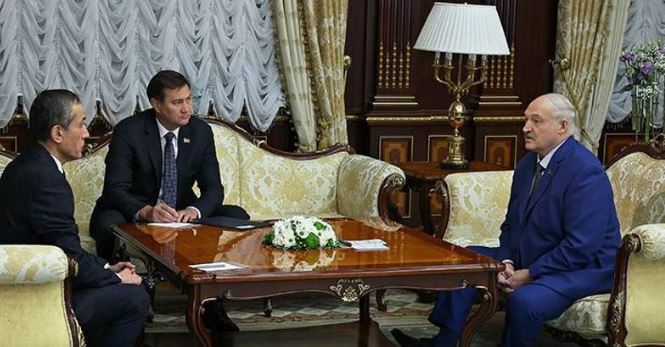
On March 9, Belarusian President Alexander Lukashenko held a meeting with Uzbekistan’s Ambassador to Belarus, Rakhmatulla Nazarov. The talks took place ahead of an upcoming visit by Uzbek President Shavkat Mirziyoyev to Belarus.

The sides discussed the development of bilateral cooperation, including plans to increase a two-way trade between the two countries to $2 billion by 2030.

Cooperation in nuclear energy was also discussed during the meeting. The Belarusian side expressed readiness to share its experience and specialists for the construction of a nuclear power plant in Uzbekistan. According to the Belarusian state-run news agency BelTA, particular interest is focused on the development of the town of Ostrovets, where Belarus’ nuclear power plant is located.

Lukashenko also confirmed that preparations are underway for President Mirziyoyev’s visit to Minsk.

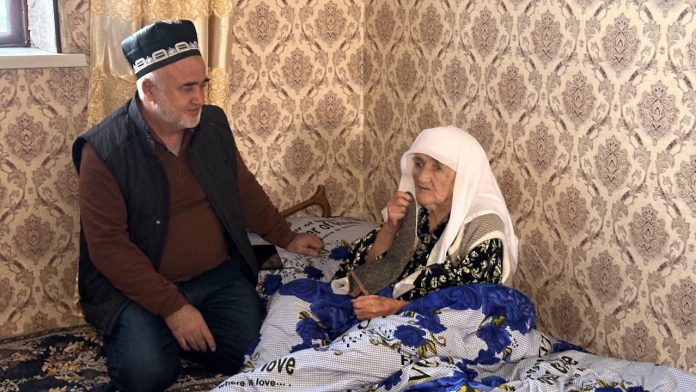
The Belarusian leader additionally addressed the issue of labor migration. He said Belarus is ready to welcome migrant workers from Uzbekistan, especially those who plan to move together with their families.

“Many Uzbeks live in our country and want to live and work here. These are our people. We gladly invite them, especially families. Unfortunately, our population is not growing as fast as yours. Therefore, we are always happy to see hardworking Uzbek people if they decide to come here,” Lukashenko said.

He added that Belarus maintains a strict system for hiring migrant workers: foreigners are invited for specific jobs and provided with the necessary conditions for living and working.

According to Lukashenko, newcomers are given the same opportunities as citizens of Belarus and other countries.

“We hire people for specific jobs and provide all the necessary opportunities — childcare, kindergartens, schools, and higher education for their children. On equal terms with Belarusians, Russians, Ukrainians and others. Please come and compete,” he said.

Lukashenko also noted that during the Great Patriotic War of 1941-1945I many Belarusians found refuge in Uzbekistan.

“Many of our people found shelter in Uzbekistan, where they were treated with humanity. In that sense, we owe you something, although at that time we were living in one country,” he added. 

Iran says more than 15,000 people injured since start of U.S. and Israeli strikes

0

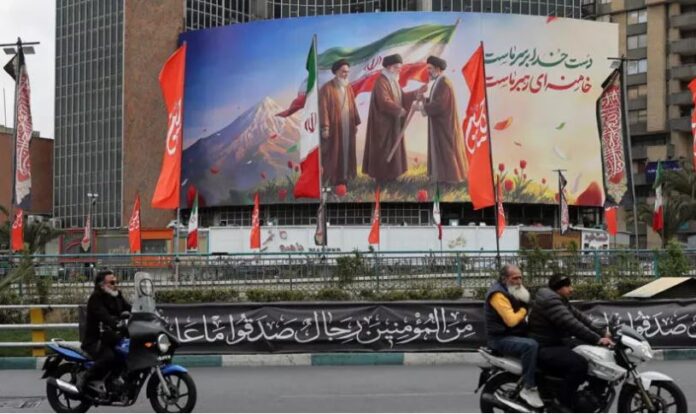
At least 15,000 people have been injured in Iran since the United States and Israel began carrying out strikes on the country on February 28, Iran’s Ministry of Health said.

“Since the beginning of the war imposed on our country by the United States and the Israeli regime, more than 15,000 of our citizens have been injured,” the ministry said in a statement cited by the Iranian news agency Tasnim.

According to the ministry, 12,495 of the injured have received medical treatment and have already been discharged from hospitals. A total of 670 surgeries have been performed, while 1,682 people remain hospitalized.

The Iranian Health Ministry also reported that 132 healthcare facilities and 18 ambulances were damaged as a result of the attacks.

Meanwhile, in Lebanon, which has also been hit by Israeli strikes, the death toll has reached 486.

“The total number of victims of Israeli aggression since March 2 has reached 486 people, with 1,313 others wounded,” Lebanon’s Ministry of Health said in a statement.

At the same time, Reuters, citing sources, reported that about 150 U.S. military personnel have been wounded during the joint U.S.-Israeli operation against Iran.

Earlier, the United States officially reported eight service members killed and 18 wounded.

The United States and Israel began striking targets inside Iran on February 28.

China to finance construction of nine border facilities along Tajikistan–Afghanistan border

0

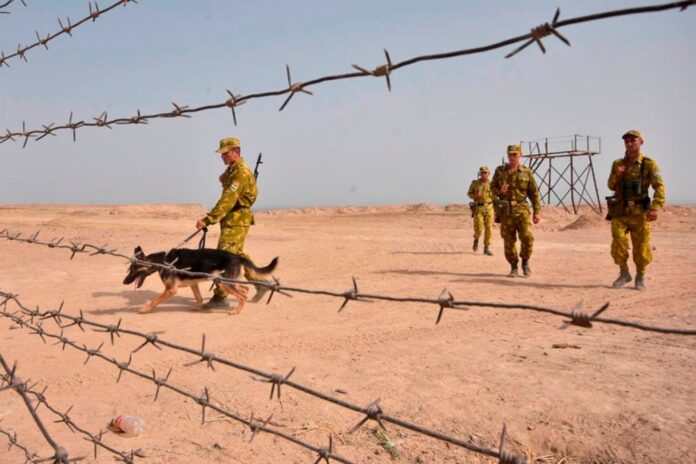
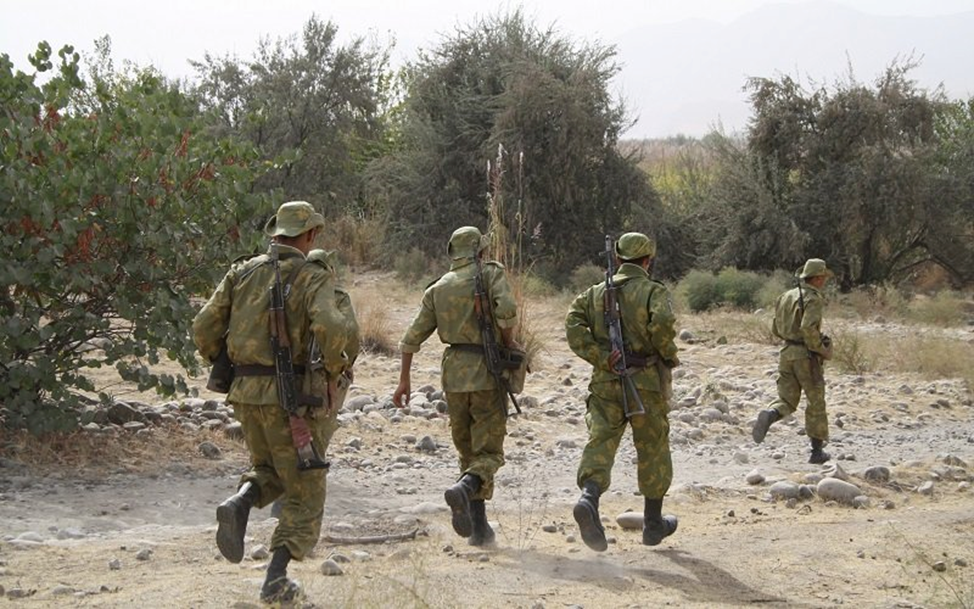
China will finance the construction of nine border facilities in areas of Tajikistan bordering Afghanistan. The total cost of the project exceeds 550 million somoni, and the expenses will be fully covered by the Chinese government. In return, the Tajik side will exempt the project from taxes, customs duties, and other mandatory payments.

The draft agreement was reviewed and approved by the Majlisi Namoyandagon (Tajikistan’s lower chamber of parliament) during a session on March 4.

According to officials, the project aims to strengthen the material and technical capabilities of Tajikistan’s Border Troops.

Murodali Rajabzoda, First Deputy Chairman of the State Committee for National Security (SCNS) of Tajikistan, told lawmakers that the project will be implemented in three stages. He noted that exchange letters required to launch the second stage have already been signed.

According to the documents, the total construction area will cover 17,109 square meters. The cost of the facilities is estimated at around 569 million somoni (about 424.83 million Chinese yuan), which will be provided by the Chinese government as a grant.

“The Tajik side will ensure the project is exempt from taxes, customs duties and other mandatory payments,” Rajabzoda said.

Authorities have not yet specified the exact locations where the facilities will be built or the precise type of border infrastructure planned.


China to provide infrastructure and equipment

Bakhriddin Ziyoi, a member of the Majlisi Namoyandagon Committee on Law and Order, Defense and Security, said the Chinese side will also conduct research and design work and supply equipment and construction materials.

China will send engineers to Tajikistan to install and configure the equipment. Beijing will also provide office and residential furniture as well as computer equipment for the facilities.

The project also includes the construction of access roads, water supply and drainage systems, electricity connections, and other necessary infrastructure.

According to Ziyoi, Chinese funding will begin once all domestic procedures in China are completed.

He added that the exchange letters were approved by the Tajik government in November 2025 and later submitted to parliament after being coordinated with relevant ministries and agencies.

“The documents underwent anti-corruption review, and no factors creating conditions for corruption were identified,” the lawmaker said.

According to the SCNS, during the first phase of the project in 2017–2018, China financed the construction of 12 border facilities in Tajikistan’s border areas with Afghanistan.


Debate over China’s military role

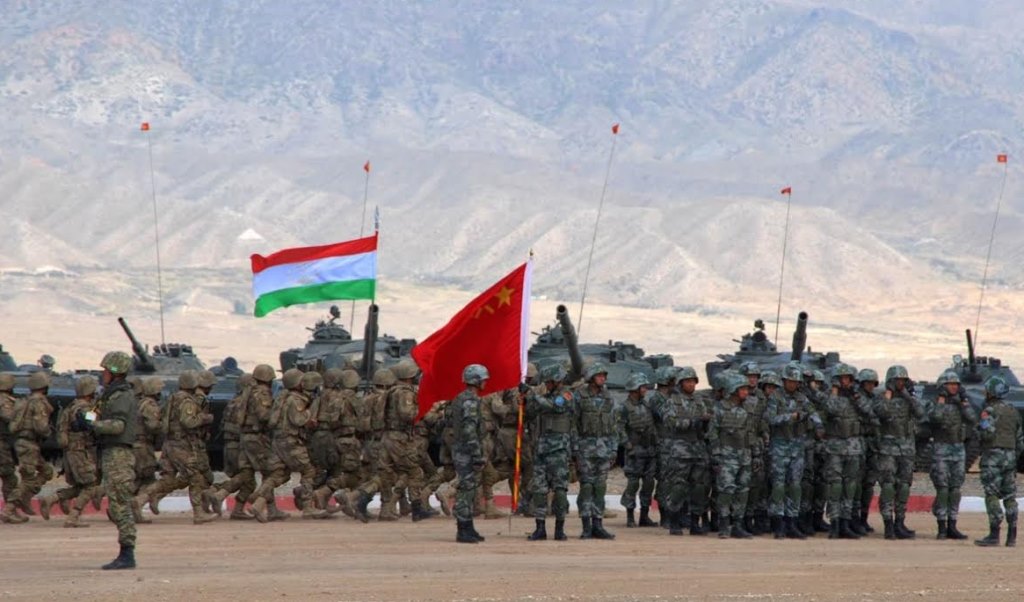
Reports about the construction of a new facility for Tajik security forces funded by China in the Gorno-Badakhshan Autonomous Region (GBAO) previously sparked debate about a potential Chinese military presence in Central Asia.

The issue was raised in Tajikistan’s parliament in October 2021, when lawmakers discussed an agreement between Tajikistan’s Interior Ministry and China’s Ministry of Public Security to build a facility in the Gorno-Badakhshan Autonomous Region.

Later, Tajikistan’s Interior Ministry denied the reports, stating that claims about the construction of a Chinese military base in the country were not true and that such an issue was not on the agenda of bilateral relations.

The topic resurfaced in 2024 after the British newspaper The Telegraph reported that China was allegedly secretly building a military base in Tajikistan amid growing threats from the Taliban, who are in power in Afghanistan.

Tajikistan’s Ministry of Foreign Affairs again rejected the claim, saying there is no Chinese military base in the Gorno-Badakhshan Autonomous Region.


Government survey shows many Tajik families living near poverty line

0

A recent Tajik government report on living standards suggests that many households in the country are living close to the poverty line, reaffirming Tajikistan’s status as the poorest country in Central Asia, according to Eurasianet.

The findings come from a report titled Key Indicators of the Household Budget Survey, which is based on data collected from 3,000 households across the country. The survey analyzes income and spending patterns. Although the report was published in February, the data primarily covers 2024 and includes comparative figures dating back to 2017.

One of the key findings is that household sizes in Tajikistan continue to decline. In 2024, the average household consisted of 5.7 members, compared with 6.4 in 2017. The report also notes that nearly one in seven household members was living and working abroad at some point during 2024.

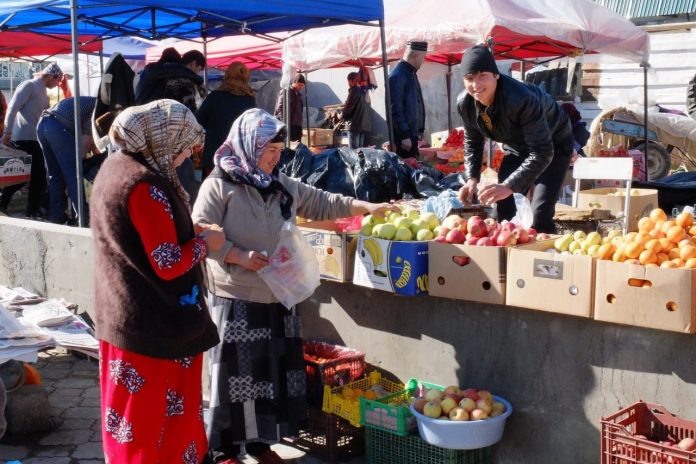
The data further shows that only one in seven members of the average Tajik household holds a paid job within the country, a ratio that has remained largely unchanged since 2017. Average monthly income per household member was estimated at 1,082 somoni—about $99 at the 2024 exchange rate, or roughly $3.30 per day. For an average household, this amounted to about 5,842 somoni per month, or approximately $535.

Tajikistan’s economy remains heavily reliant on remittances from migrant workers. According to the survey, remittances accounted for 36 percent of average monthly household income in 2024, compared with about 40 percent in 2017.

The report also indicates that average monthly spending per person reached 1,110 somoni in 2024 (around $102), slightly exceeding the average monthly income. More than half of household expenditures were spent on food, highlighting the financial pressures faced by many families across the country.

IRGC offers free passage through the Strait of Hormuz to countries expelling U.S. and Israeli ambassadors

0

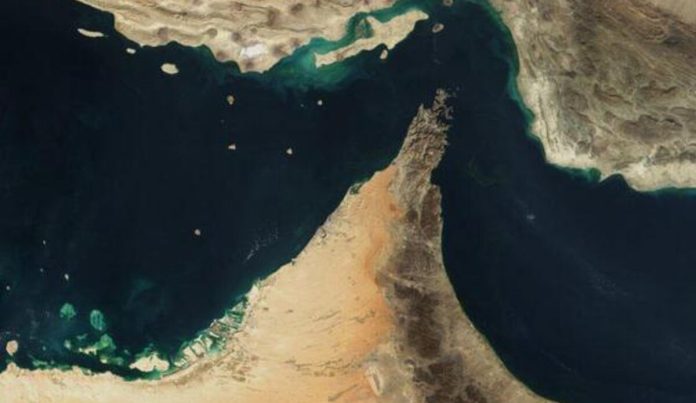
Iran has announced the possibility of free navigation through the Strait of Hormuz for countries that decide to expel American and Israeli diplomats. The statement was made by the Islamic Revolutionary Guard Corps (IRGC).

According to the Iranian agency IRIB, starting Tuesday, March 10, Arab and European countries that expel the ambassadors of the United States and Israel will be able to use the Strait of Hormuz without restrictions. The report was also cited by the outlet Meduza.

At the same time, the IRGC stressed that amid ongoing attacks by the United States, Iran will not allow a single liter of oil to be exported from the region.

Iranian authorities also plan to charge security fees in the Persian Gulf for oil tankers and commercial vessels belonging to U.S. allies. CNN reported this citing a source in the Islamic Republic familiar with the government’s plans.

Earlier, Bloomberg reported, citing informed sources, that Gulf countries had again reduced oil production by between 0.5 and 2.9 million barrels per day depending on the country. The cuts are linked to the near-total halt of shipping through the Strait of Hormuz and the filling of oil storage facilities.

Saudi Arabia has reportedly reduced production by 2–2.5 million barrels per day, the United Arab Emirates by 0.5–0.8 million, Kuwait by around 0.5 million, and Iraq by approximately 2.9 million barrels.

On Tuesday, the IRGC also stated it would continue blocking oil exports from Persian Gulf countries until the United States and Israel stop their attacks on Iran. The force emphasized that it would “not allow a single liter of oil” to leave the region, Reuters reported.


Reports of mining in the strait

Meanwhile, U.S. intelligence has detected signs that Iranian forces may have begun mining the Strait of Hormuz. This was reported by CBS News White House correspondent Jennifer Jacobs, according to Meduza.

According to her, Iran is using small vessels capable of carrying two to three naval mines each.

The exact number of mines in Tehran’s arsenal remains unknown, but various estimates in recent years suggest that Iran may possess between 2,000 and 6,000 mines. Jacobs cited national security reporter Jim LaPorta as the source of these estimates.

U.S. President Donald Trump, commenting on media reports, said that if the information about the mining of the Strait of Hormuz is confirmed, Iran must immediately remove the mines. Otherwise, he warned, the country will face “unprecedented consequences.”

According to the BBC’s Russian Service, U.S. military officials said on Tuesday that several Iranian military vessels had been destroyed near the Strait of Hormuz.

Trump also wrote that American forces had struck ten Iranian boats that were allegedly attempting to deploy naval mines.

“I am pleased to report that over the past few hours we have struck and completely destroyed 10 inactive mine boats and/or ships, and more will follow!” the U.S. president wrote on Truth Social.

Later, Trump edited his previous post about Iran’s alleged attempts to mine the Strait of Hormuz, adding a promise to “brutally” destroy such boats if similar attempts continue.

New wave of strikes

Amid escalating tensions, Israel has launched a new wave of strikes on Tehran and is also attacking the suburbs of Beirut in Lebanon.

Iran responded by launching missiles toward Israel, the BBC’s Russian Service reports. The Israel Defense Forces (IDF) said they carried out strikes on key command centers of Iran’s armed forces.

The Israeli military also stated that alongside strikes on Iran, the IDF began a series of attacks on Beirut, including Hezbollah infrastructure in the Dahieh district.

On the same day, Saudi Arabia’s Ministry of Defense said its air defense forces intercepted seven ballistic missiles during several attacks targeting an airbase and the eastern part of the kingdom.

According to the ministry, six missiles fired toward Prince Sultan Air Base were successfully intercepted and destroyed. In a separate statement on X, the ministry also reported intercepting another missile heading toward the eastern region of the country.

Prince Sultan Air Base is located in Al-Kharj province. On March 1, a U.S. serviceman was wounded there in a missile strike and died a week later.

Saudi forces also reported intercepting seven unmanned aerial vehicles.


When could the war end?

During a briefing at the White House, Donald Trump’s press secretary Karoline Leavitt answered a question about the possible duration of the war with Iran.

According to her, the initial plan assumed that destroying Iran’s missile systems and naval forces, eliminating its nuclear capabilities, and neutralizing Tehran’s proxy groups would take four to six weeks, the BBC’s Russian Service reports.

Leavitt noted that the operation is progressing faster than initially planned, reiterating a statement made by Trump on Monday.

However, she emphasized that the fighting will not end until Iran “fully and unconditionally surrenders — whether or not they publicly acknowledge it.”

According to her, Trump will decide when Iran no longer poses a direct threat.

In response, representatives of Iran’s Islamic Revolutionary Guard Corps stated that it is Iran that will “determine the end of this war.”