Home Blog Page 31

The bilateral trade between Uzbekistan and Tajikistan could grow another 40%, expert says

0

Trade between Uzbekistan and Tajikistan has surged by nearly four times from 2017 to 2025, growing from $238 million to $912 million, according to participants at a recent international conference in Tashkent. Uzbek exports to Tajikistan have increased 3.7 times, while Tajik exports to Uzbekistan have risen over four times.

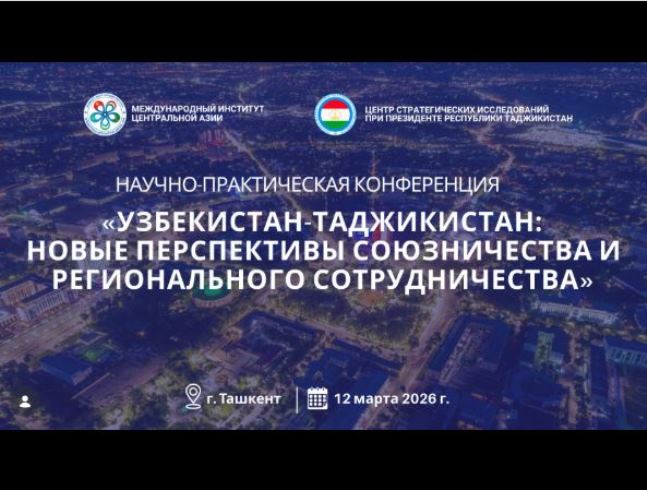
The discussion took place at the international scientific-practical conference "Uzbekistan-Tajikistan: New Perspectives for Alliance and Regional Cooperation," organized by the International Institute of Central Asia and the Center for Strategic Research under the President of Tajikistan. The conference, which took place on March 12, was attended by government officials, diplomats, experts, and academics from both countries.

Khurshed Asadov, Deputy Director of the Center for Economic Research and Reforms (CER), emphasized that a two-way trade between the two nations could increase by an additional 30-40% due to Tajikistan replacing imports from third countries with products from Uzbekistan.

Asadov noted that the development of industrial cooperation, particularly in agriculture, agrologistics, and the improvement of transport infrastructure, would play a vital role in fostering further growth in trade relations between the two nations.

Key topics of discussion at the event included bilateral cooperation across various sectors, such as economy, transport, culture, and education. The primary focus was on deepening trade and economic ties and industrial cooperation.

Akramjon Nematov, First Deputy Director of the Institute for Strategic and Interregional Research under the President of Uzbekistan, proposed the creation of a joint industrial-technological space between the countries. This, he suggested, would reduce dependence on external shocks, replace costly imports, and enhance competitiveness. He also pointed out that joint industrial cooperation could open up opportunities for market access in third countries such as Afghanistan and South Asia.

Nematov further recommended strengthening cooperation in energy, modernizing irrigation systems, and building small hydroelectric power stations to address the challenges posed by climate change. The development of green energy potential, including the construction of solar and wind power plants, along with the digitalization of agriculture in border areas, were also highlighted as key priorities. These efforts would improve water usage and implement precision farming technologies.

According to experts, creating agro-industrial clusters in border regions would significantly boost trade in agricultural products by reducing logistics costs. An important step in diversifying agriculture would be the shift from cotton production to more profitable crops such as nuts, almonds, berries, and greenhouse vegetables.

The conference also discussed the prospects for forming a new model of Uzbek-Tajik relations, based on strategic pragmatism, historical and cultural ties, and long-term developmental goals. Participants emphasized that strengthening bilateral relations would not only benefit the economies of both countries but also contribute to the stability and resilience of the entire Central Asian region.

The conference included three thematic sessions: "Uzbekistan and Tajikistan: Towards New Quality of Allied Partnership," "Prospects for Mutually Beneficial Cooperation in the Fields of Economy, Transport, Education, Science, Culture, and Tourism," and "Strengthening Interaction Between the Two Countries in Multilateral Regional Formats."

Representative of Tajikistan discusses the Role of Eurasian Transport Routes at Global Forum in Baku

0

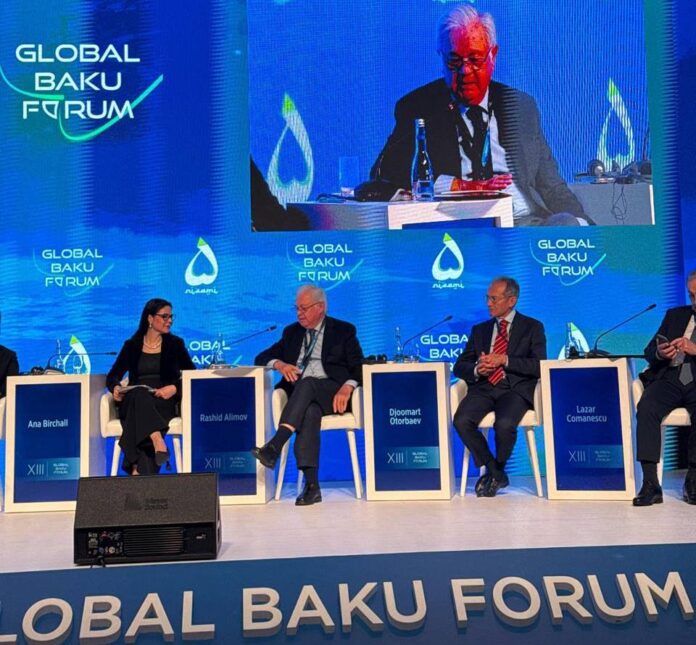
At the XIII Global Baku Forum, held in Azerbaijan’s capital on March 12-14, politicians, scientists, diplomats, and public figures from over 60 countries gathered to discuss a range of global issues. Tajikistan was represented at the event by Rashid Alimov, a professor at the Academy of Public Administration under the President of Tajikistan.

One of the key discussions at the forum focused on the future development of the Middle Corridor Transport Route and the Eurasia Connection Gateway initiative.

In his speech, Alimov presented an analytical perspective on the role of Eurasian transport routes in strengthening economic connectivity across the Eurasian continent.

The Baku Forum program included 12 panel sessions addressing the most pressing contemporary issues, from security and energy concerns to sustainable development, transport connectivity, and technological transformations.

The participants discussed one of the most challenging questions of today’s international agenda: how to overcome global divisions in a world undergoing a deep transitional period. Speakers acknowledged that the modern international system is in a state of strategic uncertainty. The world is no longer unipolar, but true multipolarity has not yet emerged.

According to the forum's speakers, international relations have entered a "transitional era," where fragmentation and growing competition among global powers increasingly define global politics. In this context, finding new forms of cooperation and crisis prevention mechanisms has become even more critical.

A key theme of the discussions was the belief that dialogue remains the only effective tool for conflict resolution and overcoming intergovernmental contradictions. Many participants emphasized the need to strengthen international institutions, build trust, and form pragmatic coalitions capable of addressing the challenges of a rapidly changing world.

The Global Baku Forum has been held in Azerbaijan since 2013. The forum is organized by the Nizami Ganjavi International Center, a non-governmental organization focused on fostering dialogue between cultures, enhancing mutual understanding, and facilitating the search for collective solutions to global problems. 

Financial literacy key to survival for rural Tajik families

0

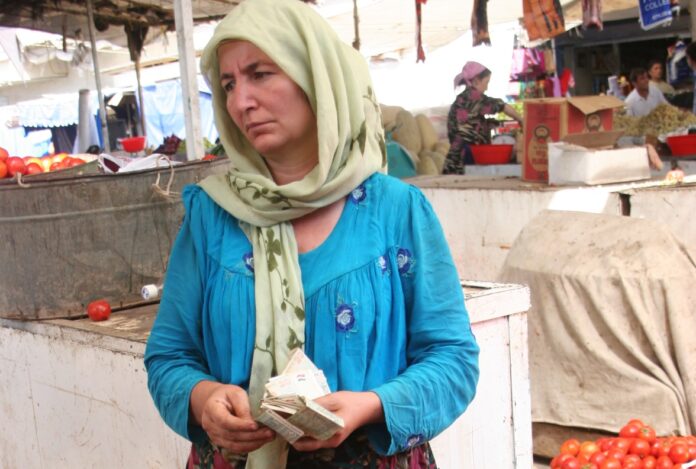
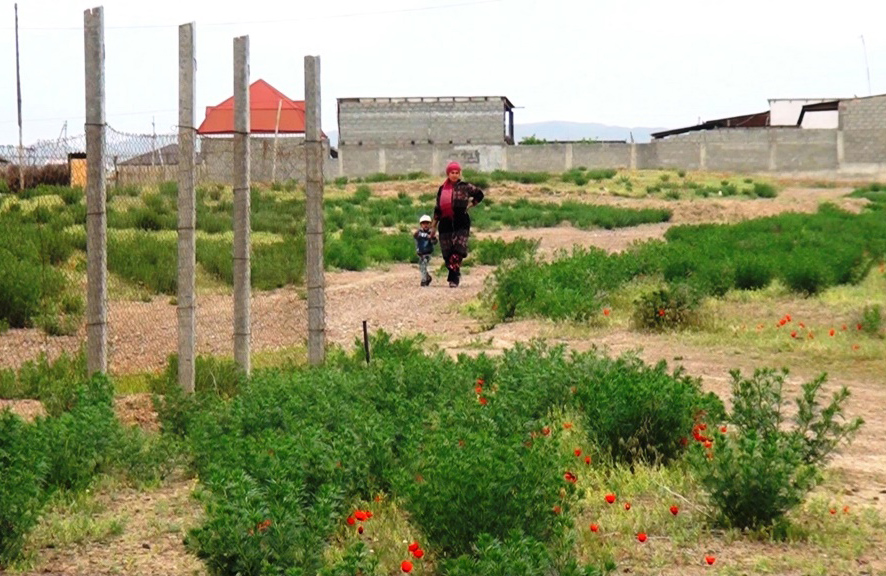
For many rural families in Tajikistan, financial literacy is more than just a useful skill—it's a necessity for survival.

Each morning, Gulandom starts her day with a simple calculation: How much milk will her cow produce today? How many loaves of bread can she bake in the tandoor? And, most importantly, will there be enough money to buy meat for her children this month?

Her household consists of six people: herself, her four children, and her husband, who works in Russia for most of the year. While he is away, the responsibility for managing the household and family budget falls entirely on her shoulders.

Today, Gulandom plans to sell five liters of milk at 6 somoni per liter, earning a total of 30 somoni. However, this amount is far from enough to cover her expenses. Most of the family's income comes from money sent by her husband from Russia, but remittances are often delayed, and daily expenses are constant.

Gulandom’s story is typical for many rural families in Tajikistan, where income is largely reliant on migrant remittances, seasonal labor, and small-scale farming. Most of the family’s money goes toward essential needs like food.


Three sources of Income

Gulandom's primary source of income is her husband's remittances from Russia. From April to November, he sends between 5,000 and 10,000 somoni each month. In the winter, he returns to Tajikistan and looks for seasonal work at the local labor market, the "mardikorbazar." Some months, he finds work; other months, he does not.

While her husband is away, Gulandom is responsible for running the household.

The family owns one cow with a calf. Gulandom sells 4-5 liters of milk each day, generating about 900 somoni a month. After covering the cost of feed, she is left with around 500 somoni.

From spring to fall, she also works for local farmers, doing various tasks like weeding onions, harvesting crops, and collecting grapes. For a full day's work, she earns between 100-150 somoni. If work is available for 15-20 days a month, she can earn around 2,000 somoni. However, such work is only available during the warmer months, and there is no similar work in winter. To make up for the shortfall, she bakes kulchas in the tandoor, and her eldest son sells them at the local market, earning an additional 300-400 somoni per week.

On average, the family earns between 5,000 and 10,000 somoni a month, but income is unstable and dependent on both the season and remittances from Russia.

According to the World Bank, remittances make up more than 30% of Tajikistan’s economy—one of the highest rates in the world. The Tajikistan Statistics Agency reports that, in 2025, families in the country spent over 50% of their income on food, about 570 somoni per person per month.

For a family of six, food costs can reach 3,000-4,000 somoni. Most of this is spent on bread, meat, oil, and vegetables. The rest of the budget is used for clothing, school supplies, transportation, utilities, and communication costs.

Official data indicates that the average monthly income per person in Tajikistan in 2025 was about 1,110 somoni, which is nearly equal to the average family's monthly expenses, leaving little room for savings.


Four threats to family finances

Even when families try to save, unexpected events can devastate their finances. The most immediate threat is illness, as medical bills and medications can cost thousands of somoni. Many families are forced to borrow money in such cases.

Family events, such as weddings, funerals, and other significant gatherings, also drain the budget. Even a modest event can cost several thousand somoni, and attending these events is an important part of maintaining social standing.

This year, Gulandom’s family did not have any weddings or other major events, but other relatives and neighbors did. A family must attend these events, often bringing gifts, which also takes a large portion of the household budget.

Another threat is the loss of assets. If a cow falls ill or is stolen, the family could lose its primary source of income.

In the evenings, Gulandom counts her money again, wondering if it will last until the next transfer, which is still two weeks away. To stretch the budget, she plans to bake more kulchas and cut back on food expenses.


Is budget planning possible?

Economists recommend that, even with limited income, families should keep track of their spending. The simplest method is to divide income into three categories: essential expenses, current purchases, and savings.

While global financial advice often follows the 50/30/20 rule, in Tajikistan, 60-70% of the budget is often spent on food alone.

Experts suggest saving at least a small portion of income—5-10%. Even a reserve of 500-1,000 somoni can serve as a small financial cushion in case of illness or income loss.


U.S. State Department offers $10 million reward for Information on Iran’s new Supreme Leader

0

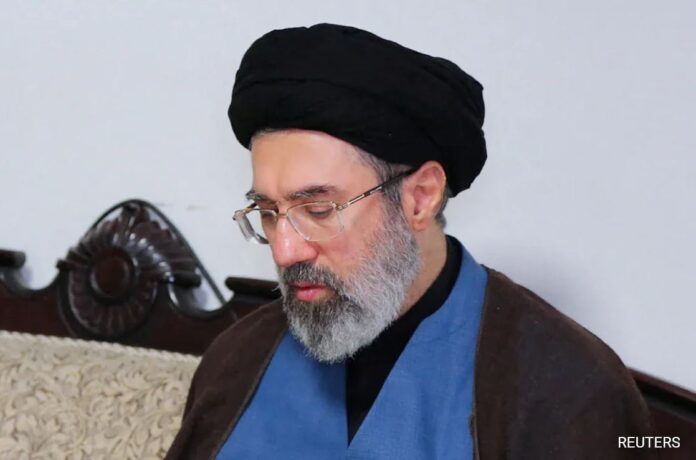
The U.S. State Department has announced a reward of up to $10 million for information leading to the whereabouts of Mojtaba Khamenei, the newly appointed Supreme Leader of Iran, and other key leaders of the Islamic Revolutionary Guard Corps (IRGC).

The reward, part of the "Rewards for Justice" program, was announced in a statement on the program's website, though no specific publication date was mentioned. The news gained significant attention on March 13, according to reports by DW.

Along with Khamenei, nine other senior Iranian figures were added to the list of targets. The individuals named include Ali Asghar Hejazi, head of the Supreme Leader’s office; Ali Larijani, Secretary of Iran’s National Security Council; Yahya Rahim Safavi, senior military advisor; Eskandar Momeni, Minister of the Interior; and Esmail Khatib, Minister of Intelligence.

The list also includes unnamed officials such as the Secretary of the Defense Council, the Supreme Leader’s military advisor, and the commander of the IRGC.

While the maximum reward under the program can reach $25 million, the U.S. has offered a lower reward of up to $10 million for information related to the Iranian leadership. The State Department has also offered safety assistance to informants, including possible relocation. Tips can be submitted via the Tor browser and Signal messaging app.

Mojtaba Khamenei, 56, was named as the new Supreme Leader of Iran on March 9. He is the second son of Ayatollah Ali Khamenei, who was killed in an Israeli-American airstrike on February 28. The strike also killed dozens of high-ranking Iranian officials, including nearly all of the country’s senior military leaders.

Several members of the Khamenei family died in the attack, and it was later confirmed that Mojtaba was injured in the strike.

On March 12, Khamenei made his first public statement as Supreme Leader, vowing to take revenge for those killed in the airstrikes and confirming that the blockade of the Strait of Hormuz would continue.

The address was read by a state television anchor, as Khamenei did not appear on screen. This led to widespread speculation that he may have been seriously injured or possibly killed.

The ASAN model – one of the central pillars of Azerbaijan’s national anticorruption strategy

0

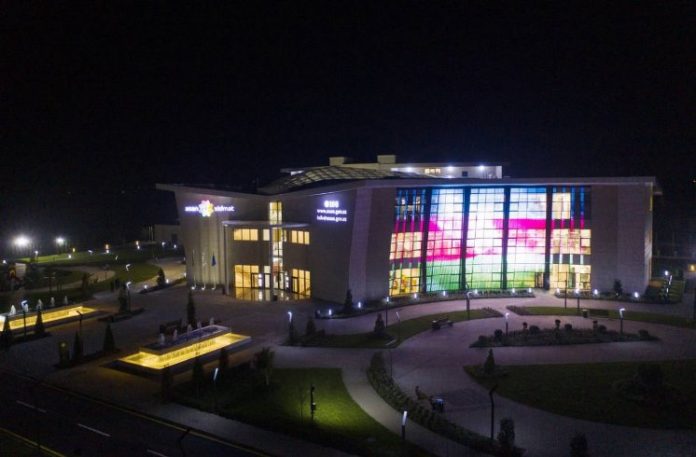
The State Agency for Public Service and Social Innovations under the President of the Republic of Azerbaijan (SAPSSI) and its “ASAN Service” were established in 2012 at the initiative of President Ilham Aliyev as an essential part of comprehensive institutional reforms in public administration of the country.

The “ASAN Service” centers represent a unique one-stop-shop model for facilitating public service delivery, allowing citizens to access over 400 services, offered by 15 public and 30 private organizations, under one roof. Created to maximize citizen satisfaction, the model allows for the transparent, accountable, and efficient provision of public services. Currently, there are 28 “ASAN Service” centers operating throughout the country, which have in total received over 91 million citizen applications and citizen satisfaction rate currently stands at an impressive 99.8%.

The ASAN model has become one of the central pillars of Azerbaijan’s national anti¬corruption strategy. By minimizing direct interaction between citizens and officials and ensuring that all payments are made electronically, ASAN Service has significantly reduced opportunities for bribery and informal payments. Each service process is digitally tracked, service halls are designed with transparent glass walls, and transactions are processed through the ASAN Payment System or online platforms, measures that altogether ensure maximum accountability and transparency.

To ensure efficient management of “ASAN Service” centers and continuous improvement in service delivery, several innovative technological systems such as Electronic Document Flow System, Business Intelligence Reporting System, Human Resources Management System, Monitoring and Evaluation System, ASAN Payment System, and ASAN Appeal System have been developed.

Recognizing that not everyone may have access to traditional “ASAN Service” centers, the SAPSSI has initiated mobile "ASAN Service." Comprising ten specially equipped buses, this fleet operates on a predetermined schedule, delivering essential public services directly to locals residing in distant regions, thus ensuring inclusivity and accessibility for all.

The SAPSSI also operates one of the first dedicated public service radio and television platforms in the region – “ASAN Radio” and “ASAN TV.” These media outlets serve as vital tools for raising public awareness, promoting transparency, and fostering civic engagement.

Besides public service delivery, the SAPSSI takes lead in promoting the startup ecosystem in Azerbaijan. Through the INNOLAND” Incubation and Acceleration Center, the “Innovations Center” LLC under the SAPSSI provides an environment for promoting the development of various startup projects. Since its establishment in November 2018, INNOLAND has become a cornerstone of Azerbaijan’s innovation landscape. Over six years, the center has incubated 88 startups and accelerated 36 promising ventures, hosted 25 co-working residents, fostering collaboration and creativity, organized 36 Demo Days, showcasing startup achievements, facilitated more than 50 Hackathons and over 70 InnoTalks, driving ideation and dialogue. Also, they have delivered 36 Webinars and 11 Product Hunt events, expanding outreach and engaged over 20,000 participants across all events and programs.

Over the years, “ASAN Service” has evolved into a distinctive intellectual product of the Republic of Azerbaijan, attracting significant international interest as a model of innovative public service delivery. To date, the SAPSSI has concluded over 30 MoU and Agreements with various countries and international organizations on the export of ASAN model. In this context, the SAPSSI maintains close partnerships with peer institutions in Romania, Turkiye, Indonesia, Pakistan, Ethiopia, Montenegro, Morocco, Uganda, Uzbekistan, Kyrgyz Republic, the Republic of Kazakhstan, Senegal, the United Arab Emirates, the Republic of Korea, Columbia, Guinea Bisau and etc. Several of these countries – namely Uganda, Uzbekistan, Afghanistan, Indonesia, and Ethiopia – have already adopted and operationalized the “ASAN Service” model to streamline the provision of public services to their citizens.

Currently, more than 200 “ASAN Service” based one-stop-shop centers are under operation in Indonesia and Uzbekistan.

“ASAN Service” has been internationally recognized for its innovative approach to public service delivery, receiving multiple prestigious awards. It is a two-time recipient of United Nations accolades – namely, the 2015 UN Public Service Award and the 2019 UN Special Award for promoting innovation in digital public service delivery. Additionally, at the 10th World Government Summit held in Dubai, “ASAN Service” was honored with the title of “Best Government Service in the World”.

The concept of "ASAN Service," which has established a significant presence in global affairs, has further surged in importance. This is evident in the adoption of two resolutions by the United Nations Human Rights Council in 2018 and 2023 titled " Promoting Human Rights and the Sustainable Development Goals Through Transparent, Accountable, and Efficient Public Services Delivery." These resolutions highlight the significance of models such as “ASAN Service” in upholding human rights and realizing Sustainable Development Goals.

The Electronic Register of Public Services and the ASAN Service Index have been established to measure the quality, accessibility, and transparency of every government service. These tools enable performance assessment based on criteria such as legality, timeliness, citizen satisfaction, and degree of digitalization, thereby creating a continuous feedback loop that prevents bureaucratic abuse and promotes efficiency.

Another significant contribution to the anti-corruption environment is the ASAN Visa system, launched under the Presidential Decree of June 1, 2016, “On simplification of the procedure for issuing electronic visas and establishment of the ASAN Visa system.”

ASAN Visa provides a fully digital, user-friendly platform for foreign citizens to obtain Azerbaijani visas in just a few minutes, without any intermediaries or face-to-face contact with officials. All steps from application and payment to approval are automated and transparent, ensuring equal treatment, data integrity, and elimination of discretionary decision-making. By September 2025, the ASAN Visa system has served over 4 million applicants, becoming an international model for transparent and efficient governance.

The ASAN Appeal system also plays a vital role in strengthening public accountability and institutional integrity. It provides citizens and businesses with an accessible, online mechanism to submit complaints, appeals, or feedback regarding the quality of public services or potential cases of misconduct. All appeals are automatically registered, tracked, and reviewed by relevant authorities within fixed time limits, ensuring that responses are consistent, fair, and verifiable.

Overall, ASAN Service has redefined the relationship between citizens and the state in Azerbaijan by institutionalizing transparency, simplifying administrative processes, and ensuring equal access to public services. ASAN has fostered a culture of accountability, integrity, and citizen-oriented governance that continues to strengthen the national anticorruption environment.


This week in Tajikistan saw a series of notable developments

0

This week in Tajikistan saw a series of notable developments, from weather disruptions to key political and economic events.


Saykhun city construction delayed

The construction of Saykhun, a planned city in Sughd province, has been delayed due to budget constraints, according to local officials. Rajab Ahmadzoda, head of the Sughd province, stated that the project, which started over a decade ago, has stalled as the regional budget cannot cover the significant financial requirements.

The city, designed for 250,000 people, was to be built in the Somgor desert, near Khujand, but infrastructure issues, including water supply and electricity, remain unresolved.


Somon Air resumes flights to Dubai

Tajikistan's Somon Air has resumed flights on the Dushanbe-Dubai route, which had been suspended due to regional tensions in the Middle East. The resumption of services is partly to facilitate the return of Tajik citizens from the region.


Tajik imports face price hikes due to Iran disruptions

Tajik businesses importing goods from Iran have warned of potential price increases due to disruptions in supply chains. The ongoing conflict and export restrictions in Iran have led to logistical issues, particularly affecting food products, building materials, and household goods, according to local entrepreneurs.


Dushanbe City Bank overcomes cyberattack

Dushanbe City Bank faced a DDoS cyberattack, temporarily affecting access to its online services. The bank’s IT team responded swiftly, stabilizing the systems by strengthening traffic filtering and protection measures. Services were fully restored after the brief disruption.


Tajikistan moves to self-fund HIV treatment

Tajikistan is transitioning to self-financing antiretroviral treatment for HIV, with the government gradually taking on more of the financial burden previously covered by international donors. Officials noted that over 13,000 people in the country are living with HIV and receiving treatment, and the shift aims to ensure sustainability and uninterrupted drug supply.


Tajikistan's oldest woman turns 122

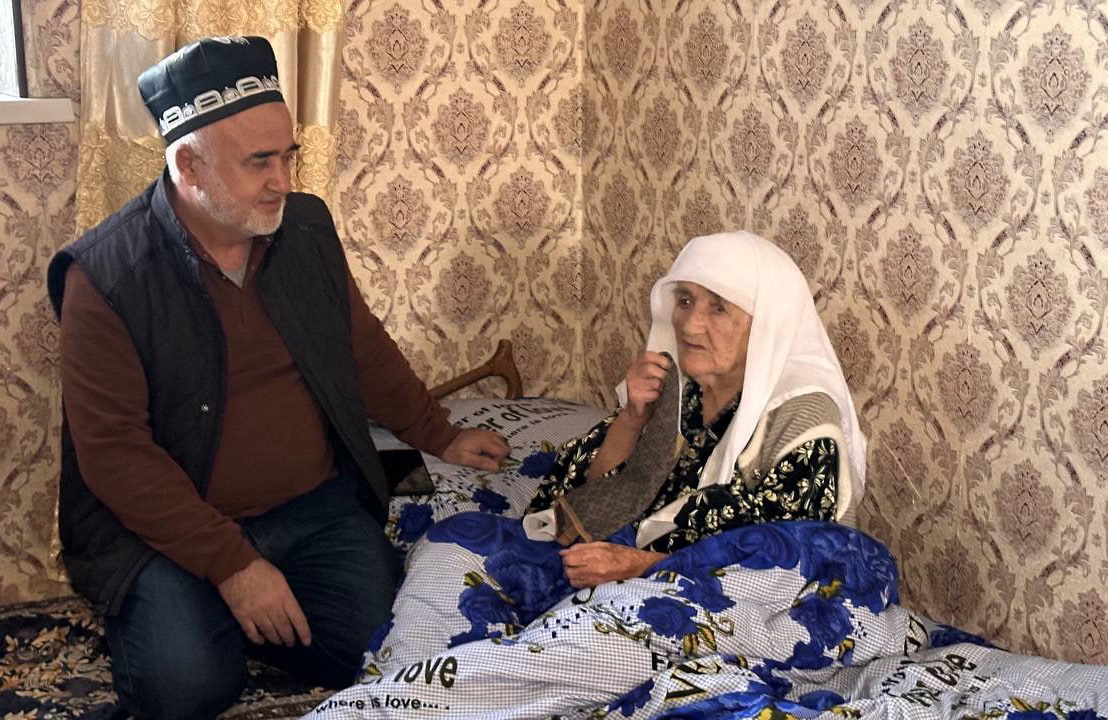
Basimo Turayeva, the oldest living person in Tajikistan, is set to celebrate her 122nd birthday in May.

Living with her family in Dushanbe, Turayeva remains in relatively good health, although she has experienced some age-related hearing and memory issues. She was born in 1904 in the Khovalingsky district.


Russia suspends funding for RTSU

Russia has temporarily suspended funding for the Russian-Tajik Slavonic University (RTSU) due to the appointment of a new rector without prior approval from Moscow. Russian officials have clarified that the issue lies with the procedural violation, not the candidate. While salaries for university staff will continue, other financial support has been halted until the rector issue is resolved.


Tajikistan to establish AI Institute

The Tajik government has announced plans to establish an Institute of Digital Technologies and Artificial Intelligence, along with the Academy of Tourism and an Institute for Global Economics and Diplomacy. The new institutions will be created under the International University of Tourism and Entrepreneurship of Tajikistan, following decrees signed by President Emomali Rahmon.


Crocus City Hall terror attack verdict

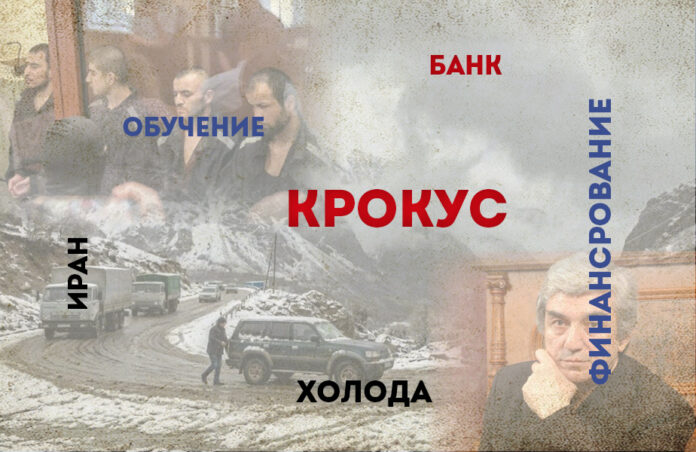
A Moscow court convicted 19 individuals in connection with the terrorist attack at Crocus City Hall.

Fifteen of the accused received life sentences, including the alleged mastermind, while four others were sentenced to prison terms ranging from 19 to 22.5 years for providing logistical support to the terrorists. Separately, a court in Saint Petersburg sentenced a Tajik national to six years for publicly justifying the attack and supporting ISIS.


China to build nine border facilities along the Tajik-Afghan border

China will finance the construction of nine border infrastructure projects along the Tajik-Afghan border, following a bilateral agreement between the two countries. The projects are aimed at strengthening border security and improving infrastructure in Tajikistan’s southern region.


Tajik-Kyrgyz bilateral trade grows, but challenges persist

Trade between Tajikistan and Kyrgyzstan has grown since the signing of a border agreement in March 2025, but experts note that economic ties remain limited. Despite an increase in trade volume, the full potential for cooperation in sectors such as industry, energy, and agriculture has yet to be realized, and further steps are needed to significantly boost bilateral trade.


Tajik composer celebrates 80th birthday

Tajik composer Tolibkhon Shakhidi marked his 80th birthday with a symphonic concert in Moscow’s Tchaikovsky Conservatory, where his compositions were performed by an orchestra from the Bolshoi and Mariinsky theaters, conducted by Valery Gergiev.

Celebrations for Navrouz in Dushanbe: a grand festival at Navrouzgoh complex

0

This year, the Navrouz festivities in Dushanbe will take place at the Navrouzgoh complex, offering a vibrant program for both locals and visitors. The event will feature a grand concert, entertainment programs, an exhibition and sale of traditional handicrafts, delicious food, and much more.

According to the Dushanbe City Hall, the Dushanbe Navrouz Fest will be held on April 4th from 3:00 PM to 10:00 PM at the Navrouzgoh Hippodrome, in an open-air format. The event was officially authorized by the Mayor of Dushanbe.

"The main goal of the event is to create a festive atmosphere and provide a pleasant environment for relaxation and entertainment for the residents of the capital, as well as for guests and tourists. Additionally, the festival aims to present Dushanbe as a modern cultural hub with a wide range of tourism opportunities. It will also contribute to attracting more foreign tourists, promoting the culture of hospitality, and popularizing national traditions and customs," the city’s press release stated.

The event is organized with the support of Dushanbe City Hall and the company Boshorshinos, with coordination handled by the capital's Tourism Development Department.


Foreign performers, quizzes, and fairs

The Dushanbe Navrouz Fest program includes a wide range of cultural and entertainment activities. Highlights include a festive concert featuring famous local artists and foreign performers, a fair with the sale of traditional crafts, a presentation of national dishes and snacks (such as sumalak, pilaf, and more), sweets, and refreshing drinks. Visitors will also have the chance to attend the "Nekee Bikor" flower exhibition to purchase flowers and decorative plants.

The festival’s headliner will be popular Turkmen singer, composer, and arranger KA-RE.

In addition, various entertainment programs will be organized, including sports and intellectual games, workshops, contests, quizzes, circus and theatrical performances, horseback riding, photo zones, children's play areas, and other fun activities.


Ticket information

Entry to the Dushanbe Navrouz Fest is ticketed. Tickets are currently available for purchase on the websites echipta.tj and ticketon.tj, and they will also be available at the festival venue on the day of the event. The cost of a ticket is 30 somoni.

Russia’s power sector in Central Asia faces growing challenges amid financial strain

0

An important revenue stream for Russia in Central Asia appears to be faltering, with increasing financial difficulties threatening the nation’s dominance in the region's power sector.

For years, Russia's state-controlled atomic energy company, Rosatom, and other Kremlin-linked enterprises have played a key role in energy projects across Central Asia. However, mounting evidence suggests that financing these ventures is becoming increasingly difficult, leading to a slowdown in business.

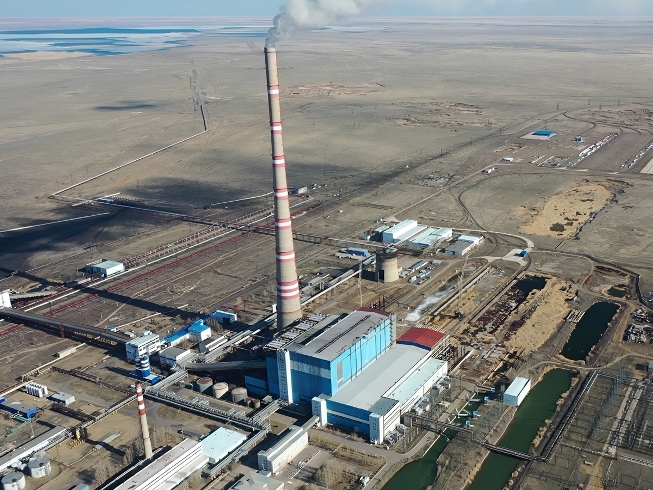
Eurasianet says one of the most notable examples of this shift can be seen in Kazakhstan, where Russian companies have been edged out of key power projects. Initially, Russian firms were slated to complete the next phase of construction at the Ekibastuz GRES-2 power station, one of the country’s largest energy projects. However, after the Kremlin's financing plan fell through, Kazakhstan opted to engage China’s Harbin Electric International instead. The Chinese company agreed to finish the project at a significantly lower cost—almost two-thirds less than the Russian estimate—saving the Kazakh government nearly $500 million.

In addition to the Ekibastuz GRES-2 setback, Russia's financial woes have resulted in the loss of other key contracts in Kazakhstan. In 2025, state-controlled Inter RAO lost contracts to build power plants in the cities of Kokshetau, Semey, and Oskemen. The contracts were subsequently awarded to Chinese companies, further highlighting the shifting dynamic in the region.

Uzbekistan is also showing signs of unease regarding Russia’s ability to fulfill major energy projects. Officials in the Central Asian nation have expressed concerns over Rosatom’s ability to deliver on plans to build nuclear reactors. As a result, Uzbekistan has turned to France’s Framatome to explore potential participation in its nuclear plant construction projects. In a statement issued on March 9, Uzbekistan's energy agency, Uzatom, confirmed discussions with Framatome centered on the introduction of advanced automated technological management systems at nuclear power plants.

As Russia’s financing challenges continue to mount, it remains to be seen whether the country will be able to maintain its foothold in Central Asia’s power sector or whether the region will increasingly turn to Chinese and Western companies for energy infrastructure projects.

Military court in St. Petersburg jails Tajik citizen for justifying terrorist attack at Crocus City Hall

0

The First Western District Military Court in St. Petersburg has sentenced Tajik citizen Qudrat Qurbonov to six years in prison for justifying the terrorist attack at the Crocus City hall online, TASS reported on March 13.

"The court found Qurbonov guilty of committing a crime under Article 205.2 (2) of the Criminal Code of the Russian Federation — public justification of terrorism' and sentenced him to six years in prison, with the first three years to be served in a prison, and the remainder of the sentence in a high-security penal colony," the agency's source said.

According to the case materials, on March 24-25, 2024, the convicted individual posted messages on Telegram justifying the terrorists who attacked visitors at the Crocus City Hall. 

Qurbonov reportedly arrived in Russia for work in August 2025. He later admitted to being a supporter of the Islamic State (IS) terror group, which is banned in Tajikistan and Russia, and expressed his intention to "fight against the infidels" and become a "martyr."

The terrorist attack at the Crocus City Hall in Krasnogorsk, Moscow oblast occurred on March 22, 2024, before a concert by the band "Piknik." Armed individuals stormed the building, opened fire, and set the concert hall on fire. As a result, nearly 150 people were killed, and more than 550 were injured. After the attack, four perpetrators – Tajik citizens Muhammadsobir Faizov, Dalerjon Mirzoyev, Saidakram Rajabalisoda, and Faridoun Shamsiddin – attempted to flee but were found and arrested.

In related news, on March 12, the Western District Military Court in Moscow sentenced 15 individuals involved in the Crocus City Hall attack, including four direct perpetrators of the attack, to life imprisonment, while four others received sentences ranging from 19 to 22 years.


Tajikistan and European companies strengthen collaboration on CASA-1000 project

0

The consortium of HITACHI ENERGY (Sweden) and Cobra Instalaciones y Servicios S.A. (Spain) will complete technical maintenance of converter substations in Tajikistan and Pakistan by May 2028 as part of the regional CASA-1000 power transmission project, according to the Ministry of Energy and Water Resources (MoEWR) of Tajikistan.

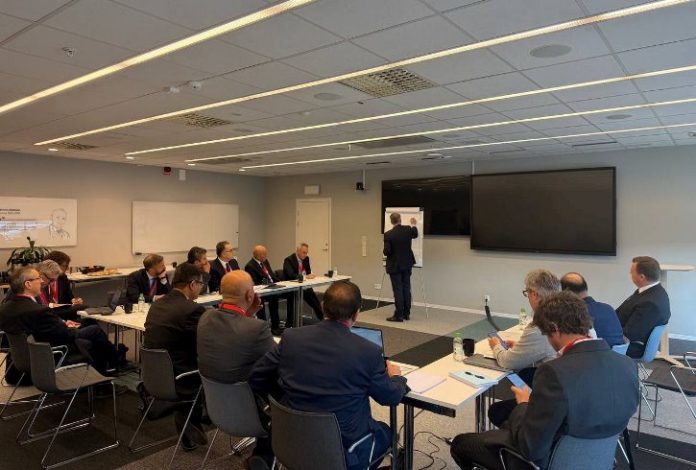
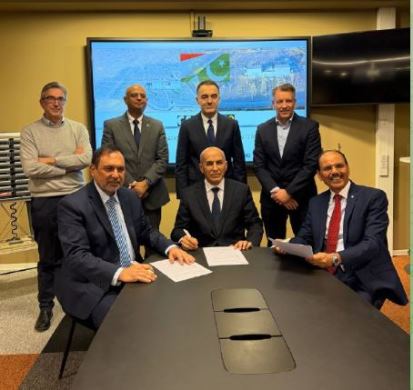
The implementation of the CASA-1000 project was discussed during a high-level meeting, which took place in Ludvika, Sweden on March 10.

The event brought together representatives from the participating countries, as well as the leadership and experts from the contracting companies involved in building two HVDC converter stations in Sangtuda, Tajikistan and in Nowshera, Pakistan, such as HITACHI ENERGY and Cobra Instalaciones y Servicios.

Tajikistan's Minister of Energy and Water Resources, Mr. Daler Juma, who led the Tajik delegation, emphasized the country's commitment to the successful implementation of the CASA-1000 project. This initiative is a key step in the energy integration of the region, contributing to the development of electricity trade, strengthening energy security, and expanding economic cooperation between Central and South Asian countries.

As a result of the talks, the parties agreed that the HITACHI ENERGY and Cobra Instalaciones y Servicios consortium will complete the technical maintenance of the converter substations in Tajikistan and Pakistan by May 2028. This will ensure the stable operation of critical infrastructure and create conditions for the completion of the permanent power transmission line through Afghanistan, which is expected to be completed in 2027.

It is worth noting that three of the four CASA-1000 participant countries — Tajikistan, Kyrgyzstan, and Pakistan — have already completed the construction of their facilities for the project. The DC line through Afghanistan is expected to be finalized in 2027.

The CASA-1000 project, which will allow for the export of excess hydroelectric power from Kyrgyzstan and Tajikistan to Afghanistan and Pakistan, is valued at $1.16 billion. As part of the project, 1,387 km of power lines and two converter substations will be built.

In addition, during his working trip to Sweden, Minister Daler Juma met on March 12 with representatives of Nord Pool, one of Europe's largest electricity market operators. The meeting focused on the operation of modern electricity markets, European experiences in creating free electricity trade, and mechanisms for regulating regional energy markets. Minister Juma highlighted the importance of leveraging international experience, including that of Nord Pool, for the further development of Tajikistan’s energy system and integration into the regional electricity market.

In turn, the representatives of Nord Pool expressed their readiness to exchange experiences, provide consultations, and strengthen cooperation in the development of modern energy markets.