Home Blog Page 42

Trump says U.S. is “knocking the crap” out of Iran, warns ‘big wave’ still to come

0

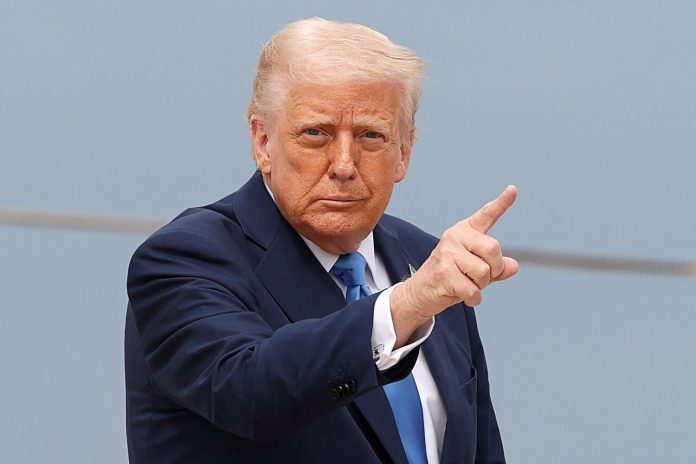
U.S. President Donald Trump said Monday that the American military is intensifying its operations against Iran, warning that a larger phase of action is imminent.

In a nine-minute phone interview with CNN, Trump said the United States is delivering significant blows to Iranian targets but suggested that the most substantial military action has yet to begin.

“We’re knocking the crap out of them,” Trump said. “I think it’s going very well. It’s very powerful. We’ve got the greatest military in the world and we’re using it.”

The president addressed a range of issues during the interview, including the potential duration of the conflict, what he described as unexpected levels of Iranian retaliation, and questions surrounding Iran’s political succession plans.

When asked whether the United States is taking additional steps beyond military action to support the Iranian people in regaining control of their country from the current regime, Trump responded affirmatively.

“We are indeed,” he said, without elaborating. “But right now we want everyone staying inside. It’s not safe out there.”

Trump also cautioned that conditions are likely to deteriorate further.

“We haven’t even started hitting them hard,” he said. “The big wave hasn’t even happened. The big one is coming soon.” 

Tajik air carrier temporarily suspends Dushanbe–Dubai flights

0

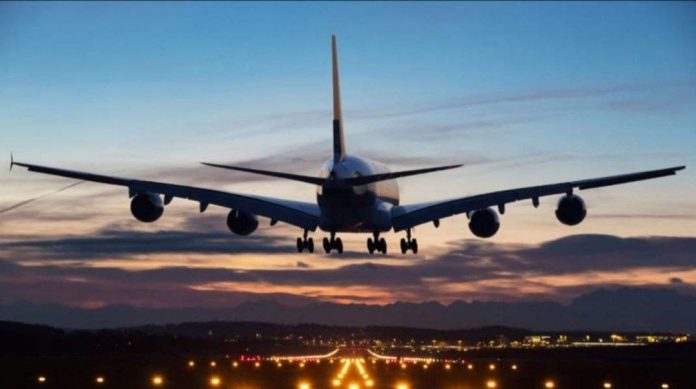
Tajik air carrier, Somon Air, has temporarily suspended flights on the Dushanbe–Dubai–Dushanbe route until March 6, 2026, inclusive, the airline’s press service reported.

The decision was made due to current restrictions on the use of airspace in the Middle East region.

Passengers holding tickets for the affected period are advised to check the status of their flights in advance on the airline’s official website and to contact the call center for additional information.

Consultations are available by phone at +992 44 640 40 49 and +992 44 640 40 50, as well as via WhatsApp at +992 93 777 74 59.

Meanwhile, Meduza, citing TASS, reported yesterday that the first passenger aircraft since the outbreak of the military conflict in the Middle East departed from Dubai International Airport heading to Samarkand.

According to Meduza, TASS, citing a source within air traffic circles, reported that the first passenger aircraft since the outbreak of the military conflict in the Middle East has departed from Dubai International Airport. According to the source, the aircraft is heading to Samarkand, Uzbekistan. The Telegram channel reportedly also said that a flight from Dubai to Dhaka had departed.

Earlier, the emirate’s press service reportedly stated that Dubai’s international airports may resume operations in a limited capacity during the day. At the same time, local authorities advised passengers not to travel to airports until airlines contact them directly to confirm departure times.

A few hours earlier, the first passenger flight in more than two days departed from Abu Dhabi to Moscow’s Sheremetyevo Airport, TASS noted. Several other flights have also left the UAE capital.

Amid escalating tensions and ongoing exchanges of strikes between Iran, the United States, and Israel since February 28, thousands of tourists remain in the Persian Gulf countries, including the United Arab Emirates. In this context, international airlines are canceling or rescheduling flights to and from the region.

Tajikistan’s Foreign Ministry urges citizens to refrain from travel to the Middle East

0

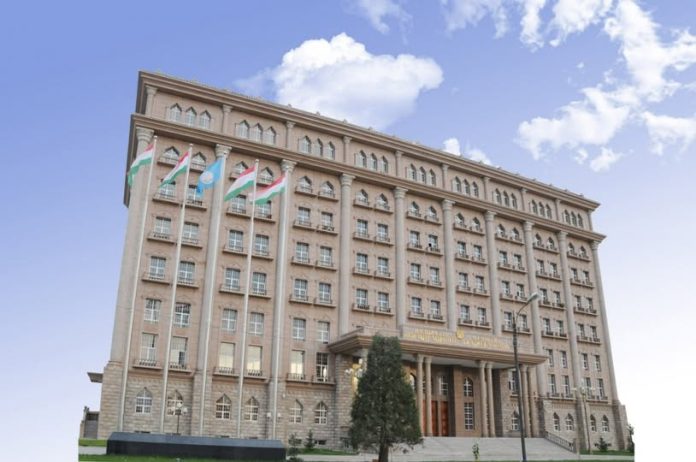
The Ministry of Foreign Affairs of Tajikistan has advised citizens to temporarily refrain from traveling to countries in the Middle East due to the deteriorating and unstable security situation in the region.

The ministry emphasized that until the situation stabilizes, citizens should avoid planning trips to countries in the region.

Tajik nationals currently in Middle Eastern countries are advised to strictly comply with security requirements and instructions issued by local authorities, avoid crowded places and potentially dangerous areas, carry identification documents and communication devices at all times, and closely follow official information and announcements from the diplomatic missions of the Republic of Tajikistan.

The ministry noted that in the event of emergencies or if assistance is required, citizens should contact Tajikistan’s diplomatic missions.


Contacts of diplomatic missions:

Embassy of Tajikistan in Iran

Mobile: +989363253147

WhatsApp: +992918818889


Embassy of Tajikistan in Saudi Arabia and Bahrain

Tel.: (+966 11) 5120333

WhatsApp: +966563417592


Embassy of Tajikistan in the UAE

Tel.: +971 24417950

WhatsApp: +971581531574

Consulate General of Tajikistan in Dubai

Tel.: +971 43945814

WhatsApp: +971585081221


Embassy of Tajikistan in Kuwait and Oman

Tel.: (+965) 25329896

WhatsApp: +96565762307


Embassy of Tajikistan in Qatar

Tel.: +974 44 12 39 06

WhatsApp: +97439902438


Embassy of Tajikistan in Turkmenistan

Tel.: +99391827271

WhatsApp: +9269738322


Embassy of Tajikistan in Azerbaijan

Tel.: +994513484032

WhatsApp: +9943484032


Embassy of Tajikistan in Pakistan

Tel.: (+92518900222)

WhatsApp: +923328686050. 

Ambassador: No Tajik citizens injured in attacks on Iran

0

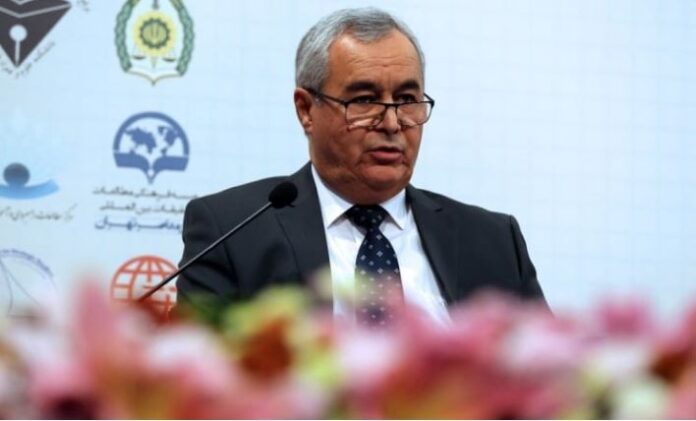
No citizens of Tajikistan were injured as a result of the attacks on Iranian territory, Tajikistan’s Ambassador to Iran, Nizomiddin Zohidi, said in an interview with Radio Liberty’s Tajik Service, known locally as Radio Ozodi.

According to him, approximately 300 Tajik citizens are currently in Iran. More than 200 of them have contacted the embassy seeking assistance in returning home.

The ambassador noted that some Tajik nationals are in Iran for trade, tourism, and medical treatment. Following the closure of the country’s airspace, many expressed a desire to leave.

Zohidi stated that on March 1, 15 Tajik citizens were repatriated via Azerbaijan. In the coming days, around 50 more people are expected to travel through the Serakhs border crossing into Turkmenistan, from where they will continue on to Tajikistan.

“Some citizens intend to return home through Azerbaijan. Those located in Iran’s Khorasan province prefer to leave via Turkmenistan. We have prepared the necessary lists and coordinated the arrangements with the embassies of Turkmenistan and Azerbaijan in Iran,” the ambassador said.

Earlier, the Tajik Embassy in Tehran urged its citizens to remain calm, stay vigilant, and closely follow official information and recommendations issued by the embassy and Iranian authorities. Citizens were advised to avoid areas near military and government facilities and to refrain from taking photos or videos throughout the country.

The embassy in Tehran provided the following contact numbers: +98 02122299584; +98 02122834650; +98 9363253147; +98 9104519815; +98 9379743508; +98 9304334234.

Amid escalating tensions in the Middle East, the Tajik Embassy in the United Arab Emirates and the Consulate General in Dubai also advised Tajik citizens to take precautionary measures.

The diplomatic missions stated that all necessary steps are being taken to ensure the safety and protection of the rights and interests of Tajik citizens. They also maintain constant communication with the competent authorities of Tajikistan and the UAE.

Tajik nationals in the Emirates were urged to remain calm, avoid panic, refrain from visiting public places unless necessary, and not travel to airports without confirming the status of airspace and flight schedules.

Citizens were further advised not to spread rumors or unverified information, to rely solely on official statements from local authorities, and to keep identification documents, communication devices, and essential items with them at all times.

In case of emergency, citizens may contact:

Embassy of Tajikistan in the UAE:

[email protected]
[email protected]
Tel.: +971 24417950; +971 581531574 (WhatsApp)

Consulate General of Tajikistan in Dubai:

[email protected]
[email protected]
Tel.: +971 43945814; +971 585081221. 

European brand Voxil enters the Tajikistan market

0

The European household cleaning brand Voxil has entered the Tajikistan market, introducing a full range of laundry care products. The lineup includes liquid detergents, Color and Universal capsules, and fabric softeners.

The company positions Voxil not as a single product, but as a comprehensive textile care system developed in line with modern standards of quality, safety, and consistent performance.


Production and quality control

Voxil products are manufactured at European facilities in compliance with current European Union regulations for household chemicals.

Each batch undergoes quality control procedures, and the formulas are developed to meet standards for regular household use. The brand emphasizes a balance between cleaning effectiveness and fabric care.


Liquid detergents for everyday use

The product range includes liquid detergents designed for both everyday and delicate washing. According to the manufacturer, the formula dissolves completely in water without leaving residue on fabrics or in washing machine compartments.

The concentrated composition is intended to remove common household stains, including food, beverage, and dust marks. At the same time, it is formulated to help preserve fabric structure, garment shape, and color intensity. The liquid format is suitable for modern fabrics and blended fibers and can be used at lower washing temperatures.


Color and universal capsules

Voxil also offers laundry capsules in two versions.

The Color version is designed for colored fabrics and aims to maintain brightness during regular washing. The Universal capsules are marketed as a versatile solution suitable for various fabric types.

Each capsule contains a concentrated detergent enclosed in a water-soluble оболочка, ensuring precise dosing and ease of use.


Fabric softeners

The range is complemented by fabric softeners used at the final stage of washing. They are designed to soften fabrics, reduce static electricity, and make ironing easier, helping garments maintain a neat appearance.


European standards and market positioning

Company representatives note that European production implies compliance with established manufacturing standards and environmental responsibility principles.

The brand targets consumers who value consistent washing results, practical use, and careful treatment of clothing.

Voxil products are now available in supermarkets across Tajikistan.


Eight universities in Tajikistan reportedly train artificial intelligence specialists

0

Eight universities and institutes in Tajikistan have reportedly introduced a specialization in artificial intelligence, with approximately 470 students currently enrolled. The first cohort of graduates is expected to complete their studies this year and, according to officials, will be able to work in both the public and private sectors.

First Deputy Prime Minister Hokim Kholiqzoda, speaking at an international conference on artificial intelligence, stated that elements of AI specialization have been incorporated into the curricula of ten universities nationwide. He noted that more than 750 young specialists have been trained as part of the Artificial Intelligence Development Strategy through 2040.


Where AI is being taught

According to the Ministry of Education and Science, a full AI specialization is currently offered at eight higher education institutions, with 468 students enrolled.

Training is provided at the Technological University of Tajikistan, the University of Innovation and Digital Technologies, the International University of Tourism and Entrepreneurship, the Tajik Mining and Metallurgical Institute, the Dushanbe branch of the National University of Science and Technology MISiS, the International Institute of Khujand, the International Institute of Levakant, and the Polytechnic Institute of the Tajik Technical University named after Academician Osimi in Khujand.

At the Faculty of Digital Economy and Artificial Intelligence of the University of Innovation and Digital Technologies, 40 students are currently enrolled. In 2025, new programs were launched focusing on the application of AI in economics, medicine, and power grid management. At present, 48 first-year students are studying in these fields.

The Tajik Mining and Metallurgical Institute has also established an Artificial Intelligence Center equipped with four modern laboratories. Eight faculty members have completed advanced training in South Korea, China, and India.


What students are taught

Firouzjon Ghafforov, Vice-Rector of the Technological University of Tajikistan, said that students majoring in artificial intelligence will graduate this year after completing their fourth year of study.

The curriculum includes algorithm design and programming fundamentals, introduction to artificial intelligence, data structures and processing algorithms, image and speech recognition, database management systems, machine learning, AI system design and development, data analytics, mobile application programming, and cybersecurity.

Courses are taught by experienced lecturers who have undergone professional training in Spain, Russia, and Slovenia. As part of international cooperation, specialists from South Korea also participate in teaching, both in person and online.


Employment prospects

Graduates specializing in artificial intelligence are expected to find employment as programmers, data analysts, chatbot developers, and information security specialists in both public and private institutions.

According to the Technological University, AI professionals are in demand in IT companies, banks and financial institutions, telecommunications firms, research centers, government ministries and agencies, and industrial enterprises.

Demand for such specialists is steadily increasing in Tajikistan. Artificial intelligence technologies are being actively implemented in banking, finance, telecommunications, energy, industry, healthcare, education, agriculture, logistics, trade, and marketing. As the digital economy develops, the need for qualified AI professionals continues to grow.

Earlier, the Ministry of Industry and New Technologies approved documents to develop an AI-powered browser for the public sector and introduced optional AI classes in 100 schools across the country. These free weekly lessons are offered to students in grades 10 and 11.

Despite these efforts, a shortage of qualified specialists remains a significant challenge. Many government institutions still lack a clear understanding of how to effectively implement AI technologies. In addition, internet connectivity issues and limited access to electricity in some regions continue to hinder the rapid development of AI in the country. 

Tajik citizens evacuated from Iran via Azerbaijan amid escalating conflict

0

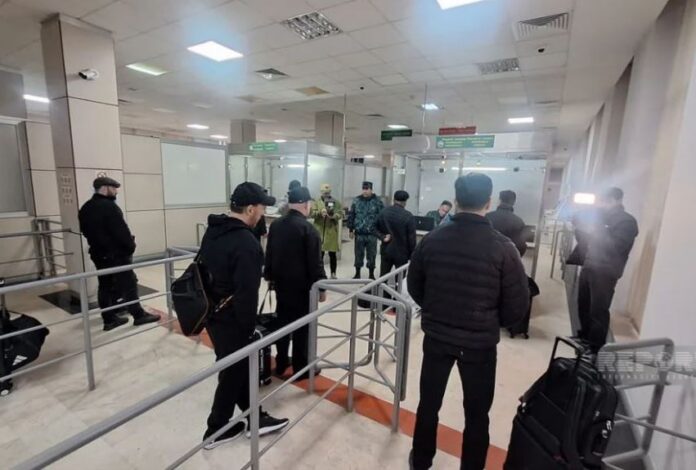
Thirteen citizens of Tajikistan have been evacuated from Iran through Azerbaijan amid the escalating military situation in the Middle East, according to the news agency Report.

The evacuation took place through the Astara border checkpoint. Two Turkish nationals also crossed the border alongside the Tajik citizens.

Those evacuated expressed gratitude to the Azerbaijani authorities for facilitating their departure from Iran. Tajikistan’s official bodies had not commented on the information at the time of publication.

Earlier, the Embassy of Tajikistan in Tehran advised citizens of the republic to leave Iran if possible. The diplomatic mission also urged Tajik nationals in the country to remain calm, exercise vigilance, closely monitor official information and recommendations from the embassy and Iranian authorities, avoid areas near military and government facilities, and refrain from photo and video recording.

In a statement, the embassy said it continues to operate as usual and is ready to assist Tajik citizens with issues related to leaving Iran. Hotline numbers for contacting the embassy in Tehran have been published.

On February 28, the United States and Israel launched a military operation against Iran, carrying out airstrikes on several cities in the Islamic Republic. In response, Tehran announced missile strikes on Israeli territory and attacks on 14 U.S. military bases located in Persian Gulf countries.

Amid the escalation, several states in the region temporarily closed their airspace. Exchanges of strikes are ongoing, with the sides reporting conflicting casualty figures. Various estimates suggest that civilian casualties in Iran may number in the hundreds.

Iranian authorities have stated that the country’s armed forces will deliver a “decisive response to aggression” and continue strikes on U.S. and Israeli targets in the region.

Gulf states and European powers warn Iran of possible use of force

The Persian Gulf states — Bahrain, Qatar, Kuwait, the United Arab Emirates, Oman, and Saudi Arabia — have declared their readiness to respond to potential attacks by Iran. The statement was issued following a joint meeting.

According to the document, in light of what the countries described as “unjustified Iranian aggression,” member states are prepared to take all necessary measures to safeguard their security, stability, territorial integrity, and the safety of their citizens and residents, including the right to retaliate.

Earlier, the United Kingdom, Germany, and France also warned they are prepared to use military force if Iran does not halt what they called “indiscriminate and disproportionate attacks” against their allies in the Middle East. The joint statement was released by the German government’s press office.

The statement emphasized that Iran’s actions pose a threat to the military personnel and citizens of the three countries. London, Berlin, and Paris called on Tehran to immediately cease its attacks.

“We will take steps to protect our interests and those of our allies in the region and, if necessary, ensure the adoption of proportionate defensive measures aimed at neutralizing Iran’s missile and drone launch capabilities at their points of origin,” the statement said.

The countries also noted that further actions would be coordinated with the United States and other allies.

Strait of Hormuz closed after U.S.-Israeli strikes on Tehran, sending shockwaves through global energy markets

0

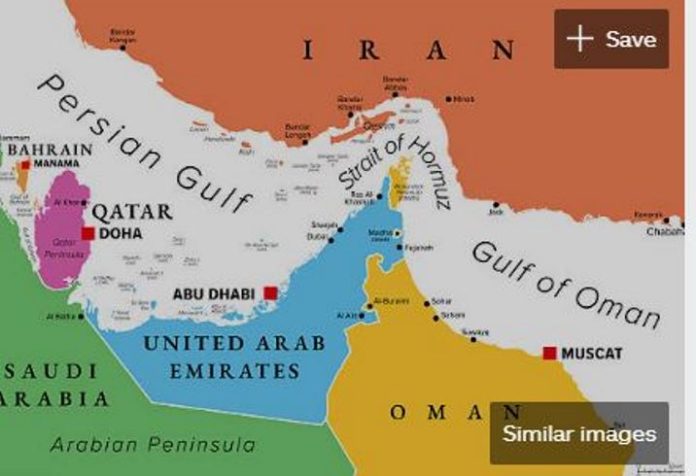
Media reports say Iranian forces have closed the Strait of Hormuz, while major aviation hubs in the United Arab Emirates were reportedly taken offline following U.S.-Israeli military strikes against Tehran. The developments have triggered immediate concern across global energy and financial markets.

The closure reportedly effectively removes up to 20 million barrels of oil per day from global supply chains, posing a direct threat to the energy security of major Asian and European economies. In addition, a 20% reduction in global liquefied natural gas (LNG) flows is raising fears of industrial slowdowns and domestic energy shortages in key importing nations.

Policymakers and investors are now grappling with the abrupt disruption of regional logistics and the suspension of trade along one of the world’s most critical maritime corridors linking the Middle East to the Indo-Pacific.

The Strait of Hormuz is widely regarded as the world’s most important oil transit chokepoint, accounting for roughly 20% of global petroleum liquids trade. In 2024, an average of 20 million barrels per day passed through the narrow waterway, a volume that remained steady into early 2025. Beyond crude oil, the strait also handles about 20% of global LNG trade, primarily from Qatar’s vast North Field.

According to the International Energy Agency (IEA), global oil demand stood at 104.87 million barrels per day in February 2026. Asian economies—including China, India, Japan, and South Korea—receive more than 80% of the crude oil shipped through the strait. In 2025, China’s crude imports reached a record 11.6 million barrels per day, with Middle Eastern suppliers accounting for a substantial share.

The sudden removal of 20 million barrels per day from the market has already driven a sharp rise in Brent crude prices. Analysts warn that if the blockade extends beyond 72 hours, prices could climb above $100 per barrel. Higher crude prices would inevitably push up the cost of refined fuels, placing additional strain on transportation and logistics sectors worldwide.

Energy analysts caution that a prolonged closure of the Strait of Hormuz could trigger a shock comparable to the energy crises of the 1970s. CNBC reports that Saul Kavonic, head of energy research at MST Marquee, said the situation “could present a scenario three times the severity of the Arab oil embargo and Iranian revolution in the 1970s, driving oil prices into triple digits while LNG prices retest the record highs of 2022.” 

From the fall of the Pahlavi dynasty to confrontation with Israel: who was Ali Khamenei and what legacy did he leave?

0

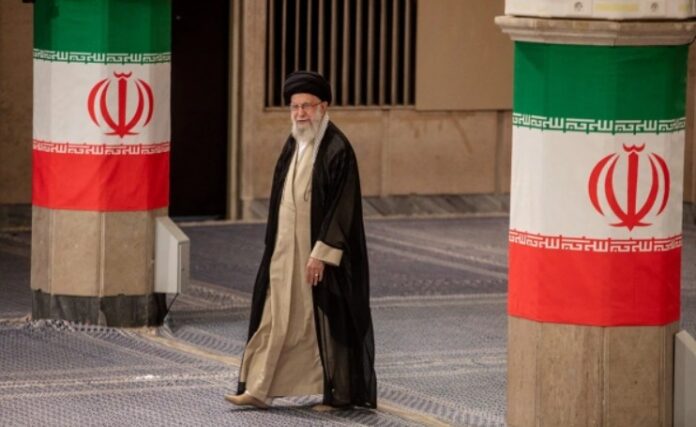
Supreme Leader of the Islamic Republic of Iran Ali Khamenei was killed on February 28 in his residence during a joint U.S.-Israeli strike. Iranian authorities officially confirmed his death on the morning of March 1. A 40-day period of national mourning has been declared.

Khamenei will be remembered as one of the most influential and longest-serving leaders in the modern history of the Middle East. His political career began as a dissident cleric during the rule of Shah Mohammad Reza Pahlavi and culminated in more than 36 years at the helm of the Islamic Republic with near-absolute authority.

During his leadership, six presidents came and went, but ultimate power consistently remained in the hands of the Supreme Leader.


Early life and religious education

Ali Khamenei was born on July 17, 1939, in Mashhad into a clerical family. He studied in religious seminaries in Mashhad, Najaf, and Qom, where he was mentored by leading Shiite scholars, including Ayatollah Ruhollah Khomeini, the future leader of the Islamic Revolution.

It was in Qom that his political and ideological views were shaped, rooted in the concept of Islamic governance and resistance to Western influence.


Opposition to the shah

In the 1960s and 1970s, Khamenei became active in opposition to the Shah’s regime. He was repeatedly arrested by the SAVAK security service, imprisoned, and exiled. Although close to Khomeini, he was not among his innermost circle before the 1979 revolution.


Rise to power after the revolution

Following the Islamic Revolution of 1979, Khamenei held several key positions, including deputy defense minister and Tehran’s Friday prayer leader. In 1981, after the assassination of President Mohammad Ali Rajai, he was elected president of Iran and served two consecutive terms.

During his presidency, Iran endured the devastating eight-year war with Iraq, which claimed hundreds of thousands of lives.


Becoming Supreme Leader

After Ayatollah Khomeini’s death on June 3, 1989, the Assembly of Experts elected Khamenei as Supreme Leader. Constitutional amendments were introduced to remove the requirement that the leader hold the highest clerical rank of “marja al-taqlid.”

From that point on, Khamenei became the central authority in Iran’s political system, overseeing the armed forces, judiciary, security apparatus, and state media.


Domestic policy and crackdown on dissent

Although Iran maintained formal republican institutions, real power rested with the Supreme Leader and the bodies loyal to him.

Major protests — in 2009 over disputed elections, in 2019 over economic conditions, and in 2022 following the death of Mahsa Amini — were suppressed by security forces. Human rights groups reported hundreds of deaths and thousands of arrests.


Presidents under Ali Khamenei

Although Iran’s president is elected by popular vote, ultimate political authority during Ali Khamenei’s tenure remained concentrated in the hands of the Supreme Leader. Below is an overview of the presidents who served during his leadership.


Akbar Hashemi Rafsanjani (1989–1997)

A close ally of Khamenei and one of the principal architects of the Islamic Republic, Rafsanjani oversaw a period described as “economic reconstruction,” marked by privatization, market liberalization, and post-war recovery following the Iran-Iraq conflict.

At the same time, corruption and social inequality increased. Several Iranian dissidents were assassinated abroad during this period, including in Germany, France, and Turkey. The most notable case was the 1992 killing of Kurdish leaders at the Mykonos restaurant in Berlin. A German court later stated that the operation had been authorized by senior Iranian officials, a claim Tehran denied.


Mohammad Khatami (1997–2005)

Khatami was elected on a reform platform advocating a “dialogue of civilizations.” His victory was unexpected, and his early years in office were marked by expanded press freedoms and a more active civil society.

However, his reform efforts eventually faced resistance from conservative institutions aligned with the Supreme Leader, including the Guardian Council, the judiciary, and security bodies. Reformist newspapers were shut down, activists were arrested, and the president’s authority was significantly curtailed.


Mahmoud Ahmadinejad (2005–2013)

Ahmadinejad presented himself as a staunch defender of revolutionary principles. His presidency was characterized by rising tensions with the West, strong anti-Israel rhetoric, and continued development of Iran’s nuclear program.

Following the disputed 2009 presidential election, which the opposition described as fraudulent, mass protests erupted across the country. Khamenei publicly supported Ahmadinejad, and the demonstrations were suppressed, resulting in numerous arrests and casualties.


Hassan Rouhani (2013–2021)

A diplomat and negotiator, Rouhani sought to reduce Iran’s international isolation. His most significant achievement was the 2015 Joint Comprehensive Plan of Action (JCPOA) between Iran and six world powers, aimed at limiting Tehran’s nuclear program in exchange for sanctions relief.

In 2018, however, the United States withdrew from the agreement and reinstated sanctions. Iran’s economy suffered severely, and the national currency depreciated sharply. In January 2020, Iranian General Qassem Soleimani was killed in a U.S. strike in Iraq. Khamenei described the action as “an act of state terrorism.”


Ebrahim Raisi (2021–2024)

Raisi, regarded as a close ally of Khamenei, previously headed the judiciary. During his presidency, the death of 22-year-old Mahsa Amini in September 2022 following her arrest by the morality police sparked widespread protests under the slogan “Women, Life, Freedom.”

The demonstrations lasted for months. According to media and human rights groups, hundreds were killed and thousands detained. In May 2024, Raisi died in a helicopter crash in the mountains of East Azerbaijan. Officials described it as an accident.


Masoud Pezeshkian (since 2024)

A physician and former member of parliament from Tabriz, Pezeshkian won the July 2024 election on a platform advocating dialogue with the West and reduced foreign policy tensions. However, his presidency has also been marked by renewed mass protests.

Despite changes in presidents and shifts in policy emphasis, ultimate authority in Iran for more than three decades remained with Supreme Leader Ali Khamenei.


Confrontation with the United States and the nuclear issue

A defining feature of Khamenei’s leadership was persistent confrontation with the United States. He consistently opposed American influence and supported the development of Iran’s nuclear program.

The 2015 Joint Comprehensive Plan of Action (JCPOA) temporarily eased tensions, but after the U.S. withdrawal in 2018, Iran significantly increased uranium enrichment levels.


Conflict with Israel

Khamenei maintained a hardline stance toward Israel, backing regional forces opposed to Tel Aviv, including Hezbollah and Hamas.

Following escalating tensions in 2023–2025, hostilities between Iran and Israel evolved into direct military confrontation. On February 28, airstrikes on Tehran destroyed the Supreme Leader’s residence. The 86-year-old Khamenei was killed.


What comes next?

Under Iran’s Constitution, a governing council was established to carry out state duties following the killing of Supreme Leader Ayatollah Ali Khamenei. Ayatollah Alireza Arafi, member of a powerful constitutional watchdog, was appointed on March 1 to the temporary council, whose other two members are President Masoud Pezeshkian and Supreme Court Chief Justice Gholam-Hossein Mohseni-Ejei. A new leader must be selected by the Assembly of Experts.

Khamenei’s death marks the end of an era in the history of the Islamic Republic. The identity of his successor — and whether Iran chooses confrontation or cautious transformation — will shape the country’s future and the broader balance of power in the Middle East. 
Explosive detection and canine unit established within Dushanbe patrol service

0

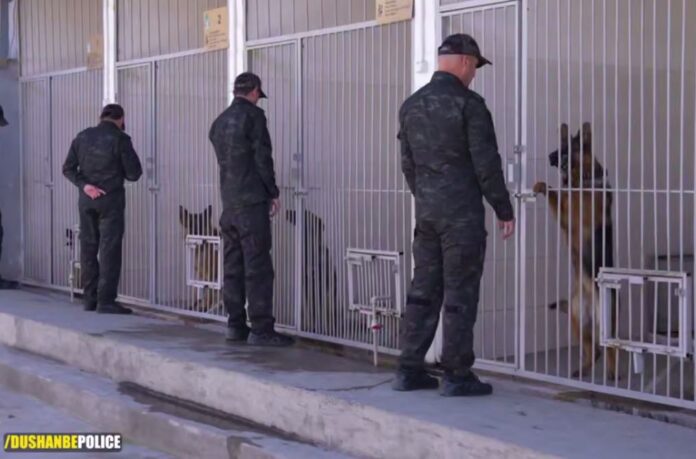
An explosive detection and canine unit has been established within the patrol and post service battalion of the Dushanbe Police Department, the department’s press center reported.

According to the Dushanbe police, the new unit was created “to strengthen public order, ensure the safety and protection of citizens, and enhance the effectiveness of crime prevention efforts.”

The unit has been provided with the necessary infrastructure, including specially equipped facilities for housing and breeding service dogs, appropriate working conditions for personnel, as well as modern explosive disposal equipment and technology.

The service dogs were brought from Belgium and Germany. While the ministry did not specify their exact training, such units are  typically involved in detecting explosive substances and identifying explosive devices.

The press center noted that the explosive detection and canine unit operates on a 24-hour duty basis. Its personnel are ready to carry out assignments and respond promptly to potential emergencies at any time.

In Tajikistan, canine services also operate under the Drug Control Agency under the President of the Republic, where trained dogs assist officers in detecting and seizing narcotic substances.