Home Blog Page 71

Guliston mayor says Adrasman mining plant to resume operations in September

0

The Adrasman Mining and Processing Plant, the largest industrial facility in the city of Guliston (formerly Qayroqqum), which has been idle for more than 12 years, is expected to resume operations in September, according to the city’s mayor Ilhom Pulodzoda.

In a report released at a news conference in Guliston, Pulodzoda said on January 30 that after many years of inactivity, a Chinese investor has expressed readiness to invest in the plant. He noted that the investor has already settled several years’ worth of unpaid wages, covered outstanding electricity bills, and paid accumulated tax arrears. A small portion of electricity debt remains, and repayment is ongoing.

“Currently, about 100 people are working at the Adrasman plant — mainly builders and engineers. At the initial stage, the project is expected to create up to 500 jobs,” Pulodzoda said.

Previously, the plant was owned by Kazakh entrepreneurs and had not operated for the past 12 years. The future of the facility has repeatedly been raised by journalists at city administration press conferences.

Last summer, Pulodzoda first announced plans to restart the plant, noting that the Chinese company had begun installation works and that renovation of a workers’ dormitory was underway. At that time, he said the investment volume would exceed $50 million, but did not disclose the name of the investor — a detail that remains undisclosed.


Why Adrasman shut down

The Adrasman Mining and Processing Plant was established in the second half of the 20th century. A settlement with a population of around 10,000 people grew around it and was once known as a “miners’ town.”

The plant operated one of the largest silver deposits in the region, while the Kurama and Karamazar mountains were also rich in gold, lead, and other non-ferrous metals. During the Soviet period, the enterprise operated at full capacity, but production declined after the collapse of the USSR.

In 2006, the plant was acquired by the Kazakh company Koni Mansour, which invested in its development. Between 2006 and 2013, however, the facility operated at only 30%–40% of its capacity.

In 2013, Adrasman declared bankruptcy and ceased operations entirely. At the time, around 750 local residents were employed at the plant, which was considered one of the country’s largest taxpayers, contributing up to 12 million somoni annually to the state budget.

Due to falling global silver prices, the Kazakh owners eventually abandoned the project. In 2018, following court proceedings, the enterprise was transferred to state ownership.

Nearly 316 kg of narcotics destroyed in DCA’s special furnace today

0

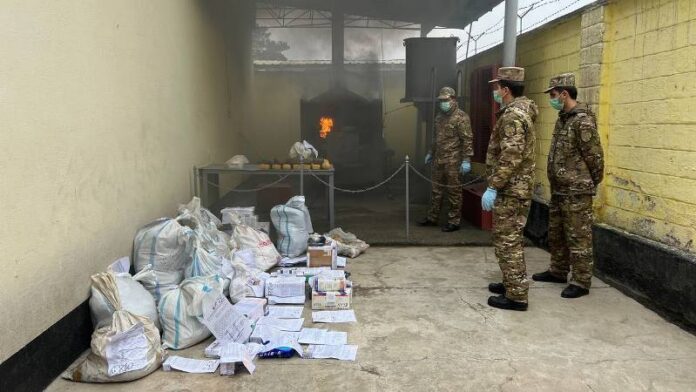
Nearly 316 kilograms of narcotic substances were destroyed today, February 2, in a special furnace at the Drug Control Agency under the President of Tajikistan (DCA). According to the agency, all destroyed drugs were physical evidence from criminal cases that have already been concluded.

The announcement was made during a news conference summarizing the Agency’s performance for 2025. DCA Director Zafar Samad reported that 1,003 drug-related crimes were identified across the country during the reporting period.

In total, 5.28 tons of narcotics were seized from illegal circulation in 2025, including nearly 253.5 kilograms of psychotropic substances. The largest share — about 247 kilograms — consisted of methamphetamine, he said.

The head of the Agency also noted that 22 foreign nationals were detained last year for attempting to smuggle drugs into Tajikistan. Authorities seized 275 kilograms of narcotics from them.
Among those detained were nine Afghan citizens (99 kg), eight citizens of Uzbekistan (131 kg), four citizens of Kazakhstan (44 kg), and one citizen of Moldova (4 grams). No information was provided regarding the penalties imposed on the detained foreign nationals.

For comparison, in 2024, about 270 kilograms of narcotics were seized from 14 foreign nationals in Tajikistan, according to the Agency.

Zafar Samad also reported that as of January 1, 2026, 4,004 people were officially registered as drug-dependent in Tajikistan, a decrease of 10 individuals compared to the previous year. Of the total number registered, 105 are women.

Tajikistan aims to attract $15.7 billion in investment up to 2030

0

The Government of Tajikistan has approved the State Investment Program for 2026–2030, which envisages the implementation of 864 investment projects with a total value of $15.7 billion. The program is aimed at attracting both domestic and foreign investment into priority sectors of the economy.

According to the document, a significant share of the projects currently lacks secured funding sources. The authors note that this creates broad opportunities for the participation of international financial institutions, donors, and the private sector. Overall, projects worth more than $11 billion remain open to potential investors.


Energy and transport as key priorities

The largest share of investment is planned for the energy sector, accounting for 41% of the total program volume, or $6.4 billion across 37 projects.

The transport sector ranks second, with 22% of total investment, or $3.5 billion.

Other priority areas include agriculture and irrigation (13%), water supply and sanitation (8%), as well as education, science, healthcare, and other sectors.

It is expected that 801 projects worth $10.1 billion will be financed through grants and technical assistance, while 63 projects totaling $5.6 billion will rely on loans or blended financing. At present, funding sources have been identified for only 125 projects worth $4.3 billion, while investors have yet to be secured for the remaining 739 projects.


Green energy and export potential

The program highlights Tajikistan’s significant potential in renewable energy. Currently, 98% of electricity generation in the country comes from renewable sources, with plans to reach 100% by 2032.

In the long term, Tajikistan is expected to become a major electricity exporter in the region. The country’s hydropower potential is estimated at 527 billion kWh per year, of which only about 5% has been utilized. Opportunities for solar and wind energy development also remain substantial.


Economic growth and poverty reduction

The document also summarizes the results of the previous 2021–2025 program. Between 2021 and 2024, Tajikistan’s economy grew at an average annual rate of 8.5%, GDP reached 153.4 billion somoni in 2024, and foreign investment over the past five years totaled $11.4 billion.

During this period, the poverty rate declined from 26.3% to 20.4%. Citing World Bank data, the authors note that Tajikistan ranks among the top ten countries worldwide in terms of poverty reduction over the past 15 years.


Focus on the private sector and PPP                                                                 

The authorities also plan to expand public-private partnership (PPP). To date, 15 PPP agreements worth more than 503 million somoni have been signed, creating over 667 jobs.

In addition, Tajikistan operates five free economic zones with 107 registered companies. Investors are offered more than 240 types of guarantees and incentives, including tax and customs benefits.

According to the program’s authors, successful implementation will help mobilize funding for key projects despite budget constraints and accelerate development in energy, transport, agriculture, the digital economy, and social sectors.

Tajikistan imports about 1.7 million tons of fuel in 2025

0

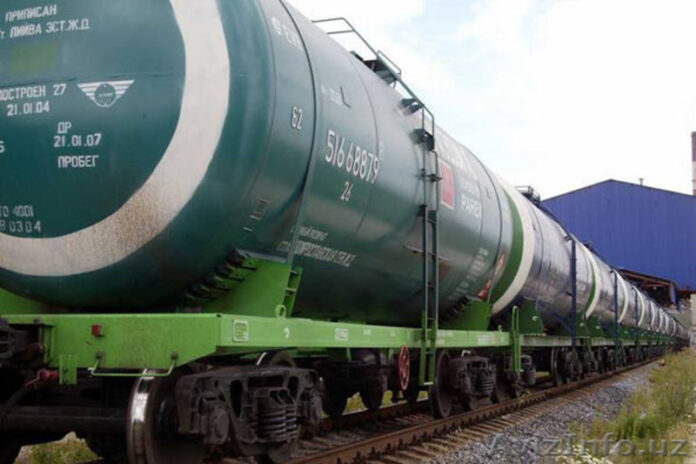
Tajikistan imported approximately 1.7 million tons of fuel and lubricants in 2025, according to the country’s Ministry of Energy and Water Resources (MoEWR).

The ministry reported that under the indicative balance framework, more than 1.2 million tons of petroleum products and liquefied gas were supplied to Tajikistan from Russia. This figure is 180,000 tons, or 17.5%, higher than in 2024.

Fuel deliveries from Russia accounted for over 70% of Tajikistan’s total imports of petroleum products and liquefied gas.  

Fuel Imports by Tajikistan from Russia in 2025:

·         Gasoline396,036 tons

·         Diesel fuel558,880 tons

·         Aviation fuel45,999 tons

·         Liquefied petroleum gas (LPG)139,004 tons

·         Fuel oil 139,004 tons

·         Bitumen66 tons

·         Lubricants51,147 tons

·         Petroleum coke2,878 tons

Source: Tajikistan’s Ministry of Energy and Water Resources


As it had been reported earlier, Tajikistan and Russia signed a government-to-government agreement in 2013 providing for the duty-free import of around 1 million tons of Russian petroleum products (gasoline, diesel, jet fuel) annually, conditioned on a signed, annual indicative fuel balance, a prohibition on re-exporting these products to third countries, and potential supply suspension for violations.


Fuel Imports by Tajikistan in 2025 (in tons):

Fuel Type

Russia

  Kazakhstan

  Turkmenistan

  Uzbekistan

  Other Countries

Gasoline

 396,035

     15,680

       18,019

      5,311

         23,094

Diesel fuel

 558,880

        0

         3,801

    56,450

           9,350

Aviation fuel

 45,000

        0

      14,665

         0

         18,713

Fuel oil

 66.4

     20,026

           0

         0

           4,843

Bitumen

 51,147

        0

         107

      8,159

               0

Lubricants

 13,921

       554

          20

       969

            4,929

Petroleum coke

 2,878

     48,981

           0

    20,296

                0

Liquefied gas (LPG)

 139,004

    210,312

        548

         0

                0

Source: Tajikistan’s Ministry of Energy and Water Resources


At the same time, domestic production of petroleum products in Tajikistan remains limited. In 2025, the country produced 2,109 tons of gasoline, 3,111 tons of diesel fuel, 4,587 tons of fuel oil, 2,587 tons of bitumen, and 350 tons of petroleum coke.

Oil production in Tajikistan reached 18,546 tons in 2025, an increase of 2,409 tons, or 15%, compared with 2024.

Tajikistan’s health ministry debunks fake reports about “doctors” spreading dangerous disease

0

The Ministry of Health and Social Protection of the Population of Tajikistan (MoHSSP) has denied reports circulating on WhatsApp about an alleged “group of unknown doctors” supposedly spreading a dangerous disease across the country.

According to the ministry, the widely shared audio message is fake and contains false information. Officials noted that the recording has been actively circulated for several days, misleading citizens and causing unjustified public concern.

In the audio message, an unidentified woman claims that individuals posing as doctors are allegedly going door to door under the pretext of checking residents’ health and deliberately spreading an infection. The message also refers to a supposed state of emergency in certain regions of the country and claims that military personnel have been placed on barracks duty.

The Ministry of Health stressed that the recording provides no verified facts, fails to specify which regions or border are allegedly involved, and consists of unsubstantiated and contradictory statements.

The ministry categorically rejected the existence of any “unknown groups of doctors,” emphasizing that such messages are provocative in nature and aimed at disinforming the public and inciting panic.

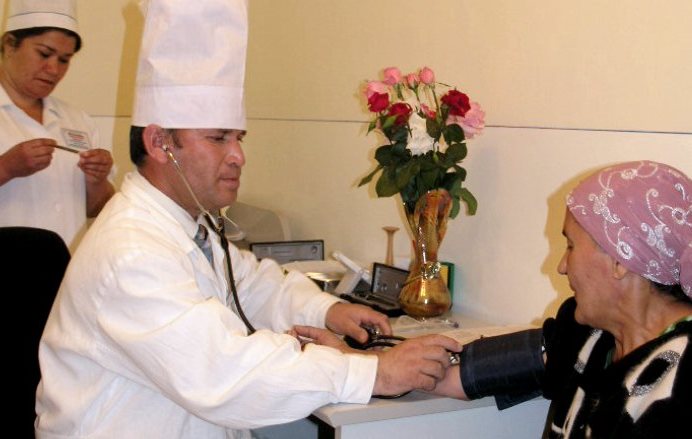
At the same time, officials clarified that family doctors and primary healthcare workers may legitimately conduct door-to-door visits as part of routine immunization campaigns, monitoring of pregnant women, and other official duties. As the ministry noted, residents are generally well acquainted with their local physicians.

The Ministry of Health once again urged citizens to remain calm, not to trust unverified rumors, and to contact official healthcare institutions at their place of residence if they have questions related to medical services.

More than 22,700 tons of humanitarian aid delivered to Tajikistan last year

0

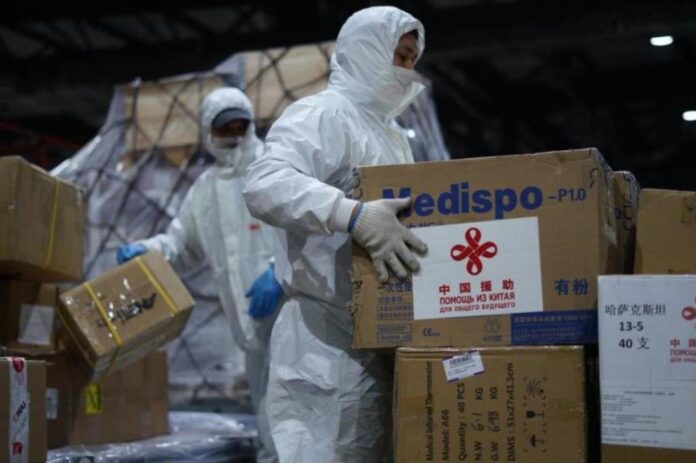
Forty-seven countries of the world provided 61.7 million US dollars’ worth of more than 22,700 tons of humanitarian aid to Tajikistan in 2025, according to the Agency for Statistics under the President of Tajikistan.

Last year, among donor countries the greatest share reportedly came from China – 35.6 percent; the United States – 24.4 percent; Russia – 8.2 percent; the Netherlands – 7.9 percent; Kazakhstan – 5.9 percent; India – 3.7 percent; Belgium – 3.6 percent; South Korea – 2.0 percent; Japan – 1.2 percent;  Turkiye – 1.1 percent; Italy – 1.0 percent; France – 0.7 percent;  and others. 

Tajikistan belongs to low-income countries, who receive humanitarian aid as well as financial aid from international financial institutions — grants and highly concessional loans, technical aid.


Your trip to Tajikistan: a simple guide for tourists

0

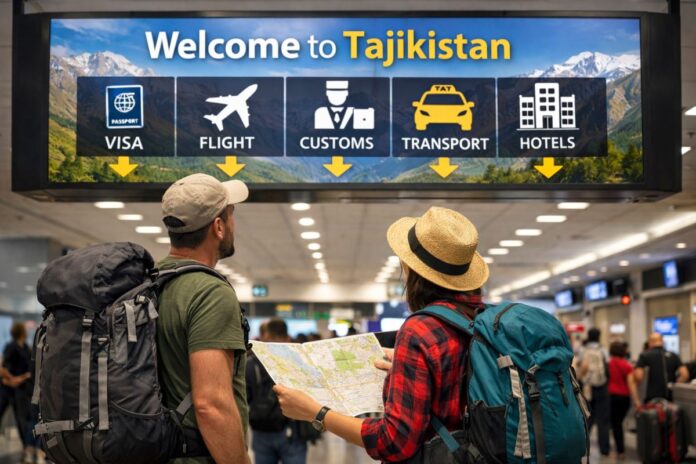
Planning a trip to Tajikistan? Have you heard about our amazing country and decided to see it with your own eyes? To make sure your journey brings only pleasant impressions, it’s worth thinking through all organizational details in advance.

To make preparation easier, we have gathered useful information for you on how to get to Tajikistan, cross the border, find accommodation, what you need to know about money and the internet, and how long you can stay in the country without unnecessary formalities.

So, here are answers to the most important questions. Read, save, and set off on your journey.


Who needs a tourist visa and how to get one?

Tajikistan has a visa-free regime with several countries, mainly CIS states. In addition, a unilateral visa-free or simplified visa regime applies to almost more than 120 countries (the full list can be found here).

Under the visa-free regime (Russia, Belarus, Ukraine, Kazakhstan, Armenia, Azerbaijan, Georgia, Kyrgyzstan, Moldova), you may enter the country freely with only a valid international passport.

A unilateral visa-free regime (usually up to 30 days) applies to citizens of around 100 countries (the list may be updated), including the United States, Japan, EU member states, Australia, and others. In addition, citizens over the age of 55 from 16 countries (Albania, China, Morocco, etc.) may also enter visa-free for up to 14 days.

If you are from a country with which Tajikistan has a unilateral visa-free regime, you will receive your visa upon arrival when crossing the border of the republic.

Citizens of other countries may apply for an electronic visa (e-Visa) to Tajikistan before traveling via the website evisa.tj. A personal visit to a consulate or embassy is not required to obtain entry permission. The electronic visa for Tajikistan is issued within a few days and sent to you by email. When entering Tajikistan, you must have a printed copy of this email.
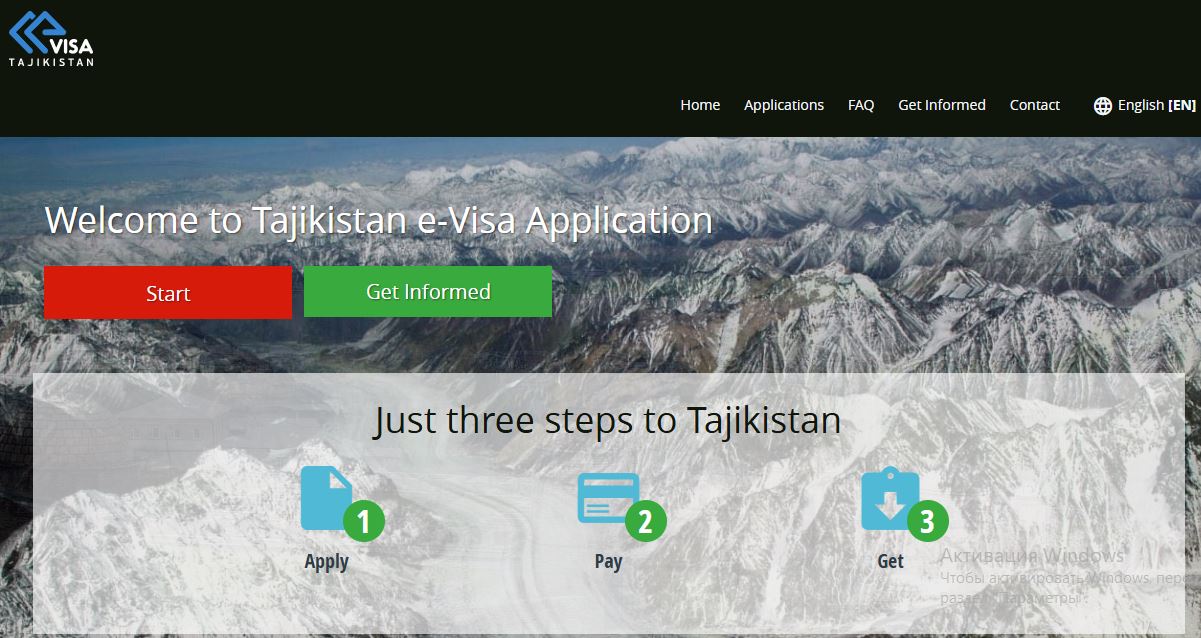
An electronic visa for visiting Tajikistan is valid for 90 days; however, its holder may stay in the country for no more than 60 calendar days.

Important! To enter Tajikistan, you must have an international passport valid for at least 6 months after the end of your trip.


How to book a hotel?

The widest choice of hotels is available in major cities: Dushanbe and Khujand. Alongside luxury four- and five-star hotels in Dushanbe such as Hyatt, Serena Hotel, Hilton Dushanbe, Crown Plaza Dushanbe, Kangurt Grand Hotel, and Taj Palace Hotel, there are many small boutique hotels in national style, guesthouses, and hostels.

Most hotels and hostels in Tajikistan can be found and booked on booking.com as well as expedia.com. These platforms often offer options such as “No credit card required” or “Pay at the property,” which is convenient for foreign tourists.
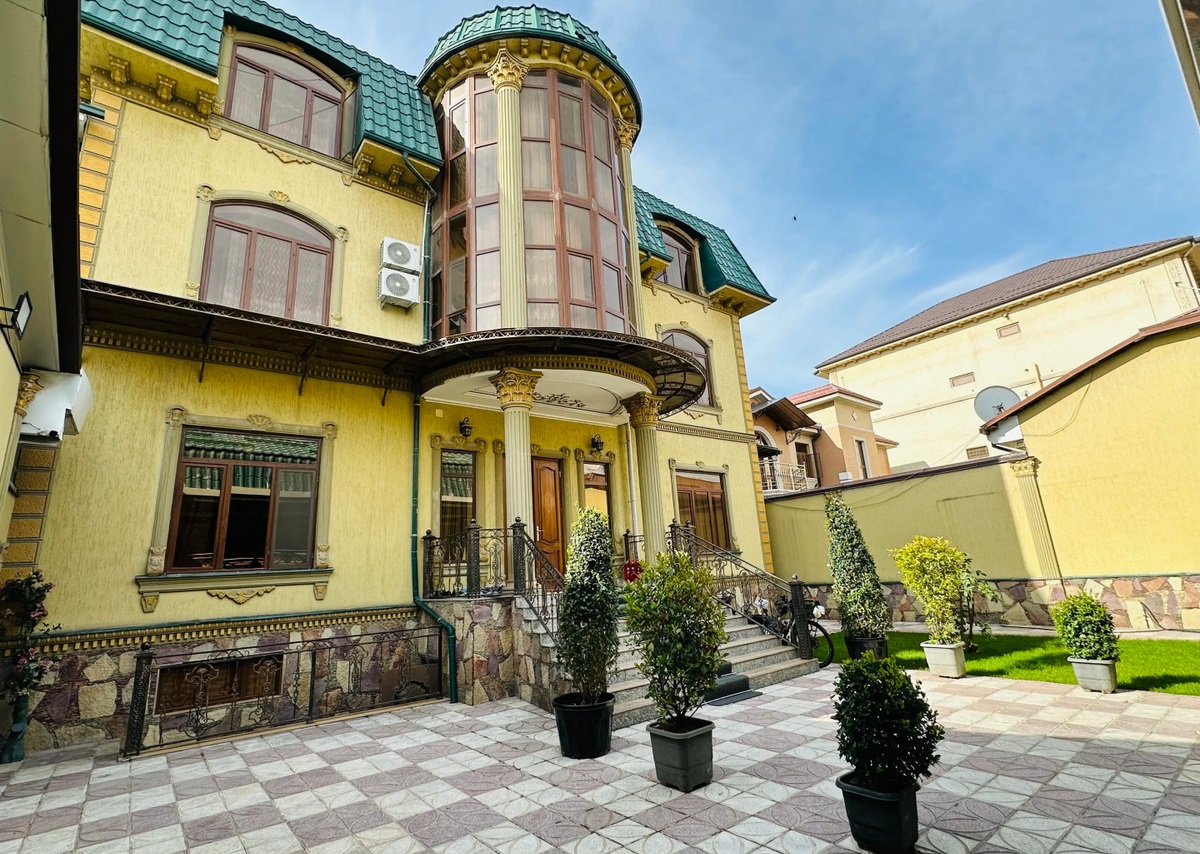
For tourists from Russia, the best options are Ostrovok.ru and Yandex Travel, where bookings can be paid for directly on the website using a Russian bank card.

Direct booking is also a convenient option. Many hotels have Instagram or WhatsApp accounts. Often, the price when booking directly can be 10–15% lower than on booking platforms.

As for prices, a single room in a chain hotel such as Hyatt, Hilton, or Serena starts from $120 per night. In a boutique hotel, accommodation costs $50–90 per night; in guesthouses, $15–30. A bed in a hostel costs around $10–15.


What is prohibited to bring into Tajikistan and take out of the country?

It is prohibited to import into (and export from) Tajikistan the following items: smokeless tobacco and non-tobacco products (such as snus); weapons and ammunition (without the relevant permits); narcotics; potent medications (without a prescription confirming the medical necessity); printed, audio, and video materials of religious content that contradict the norms of traditional Islam.

It is also prohibited to export works of art, museum valuables, old books, coins, and other rare items from the republic.

Jewelry and precious items may be imported in limited quantities — for personal use only.
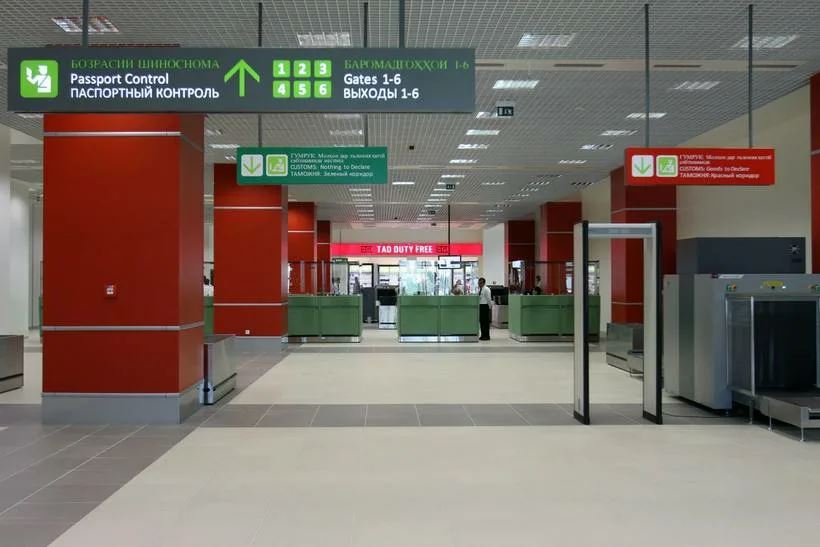
The import of foreign currency is unlimited; however, when exporting funds from Tajikistan in an amount equivalent to $3,000 to $10,000, a declaration must be completed. If the exported amount exceeds $10,000, you must obtain a special permit from a Tajik bank.


How to get to Tajikistan? Crossing the border

There are two ways to enter the country: by land or by air. By road, you can enter from Uzbekistan and Kyrgyzstan, as well as from China (via the high-altitude Pamir region).

Passenger railway connections exist only with Uzbekistan and Russia.

There are four international airports in the republic: Dushanbe, Khujand, Bokhtar, and Kulob. Please note that the latter three mainly handle flights from Russia, while the capital’s airport offers a wider range of international destinations, which can be viewed on the airport’s official website.
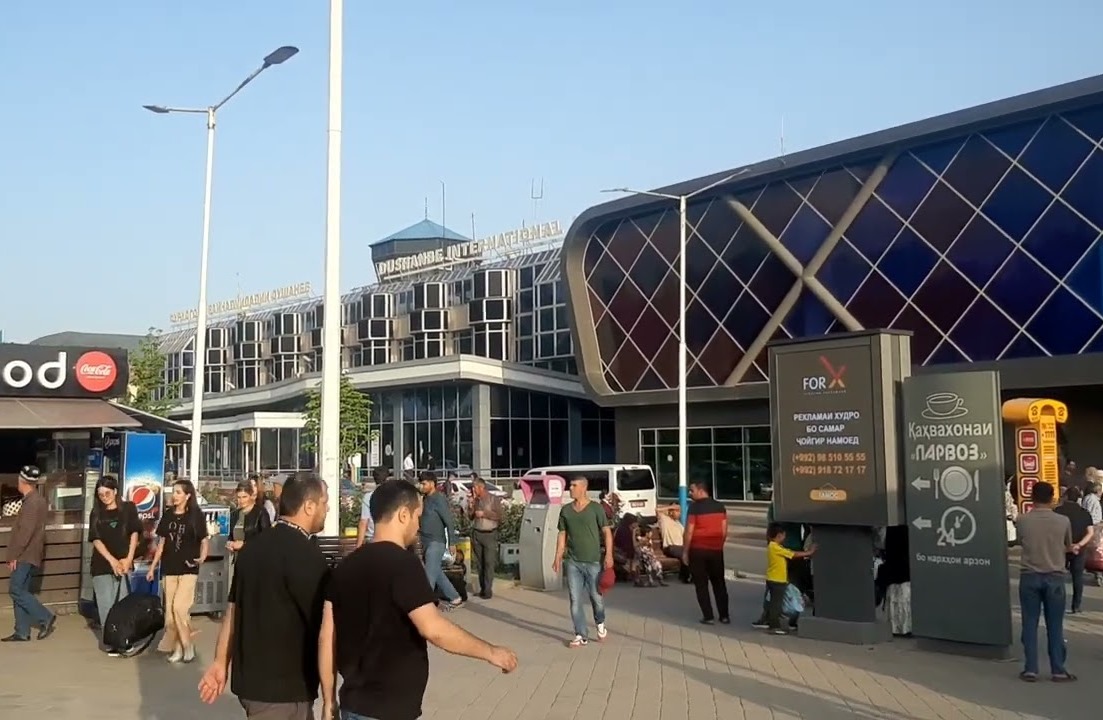
On the plane or upon arrival just before passport control at the airport, you will be given a migration card. Fill it out immediately (name, purpose of visit, hotel address). One part will be taken by the border officer, and the other must be kept carefully. You will need it for registration and when departing the country.

If you are carrying cash in excess of $3,000 (or its equivalent), it must be declared. If the amount is less, you may proceed through the “green corridor” without hesitation.

If one parent enters Tajikistan with a child, border service officers may request consent from the second parent for the child’s entry or exit, or documents confirming the absence of the second parent. When a child crosses the border with a person who is not their parent or legal guardian, a duly executed consent from both parents is required.


You have arrived in Dushanbe. How to connect mobile service and the internet?

At last, you have passed all checks and entered the arrivals area. Do not rush to leave the airport — first, take care of mobile communication.

In the arrivals hall, there are service counters of local mobile operators. Several mobile operators operate in Tajikistan: Babilon-Mobile, MegaFon Tajikistan, ZET-Mobile, and Tcell. High-speed 4G and 5G internet with fairly wide coverage is available. Roaming services of major international operators are also supported.
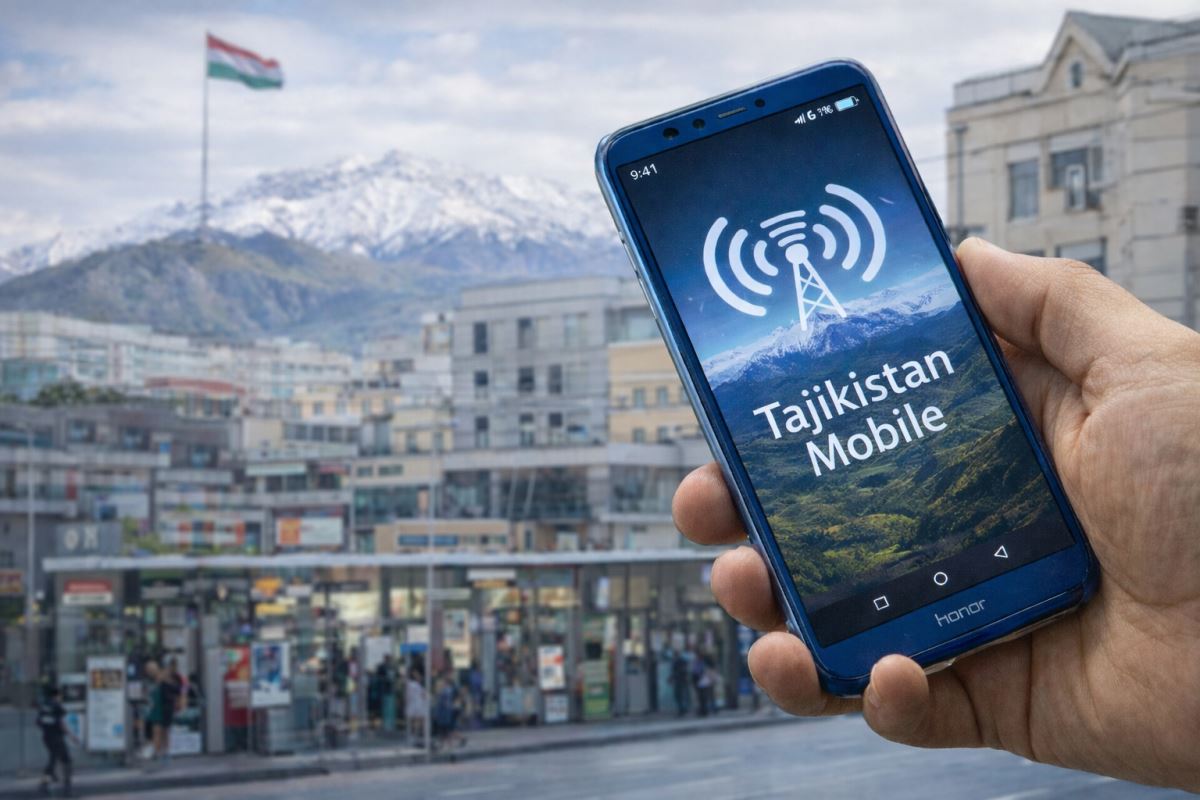
Buy a SIM card right away — you will need it to use online services such as ordering a taxi via an app or making payments. A passport is required to purchase a SIM card.

Choose tourist packages — they usually include enough data for navigation and social media.


Where to exchange currency?

Digital technologies are being actively introduced in Tajikistan; however, cash is still widely used. In hotels and supermarkets, you can pay by card, but for markets, taxis, and small cafés you will need the local currency — the Tajik somoni.

Exchange offices and ATMs operate at the airport. Exchange a small amount ($20–30) — this will be enough for the trip to the city and a first snack. It is better to exchange the main amount in the city, where the exchange rate may be more favorable. Keep in mind that Tajik banks may not accept wrinkled or damaged banknotes.

Holders of Visa and MasterCard cards can withdraw cash at banks and ATMs.

Official exchange rates of major currencies against the somoni for any date can be found on the website of the National Bank of Tajikistan.
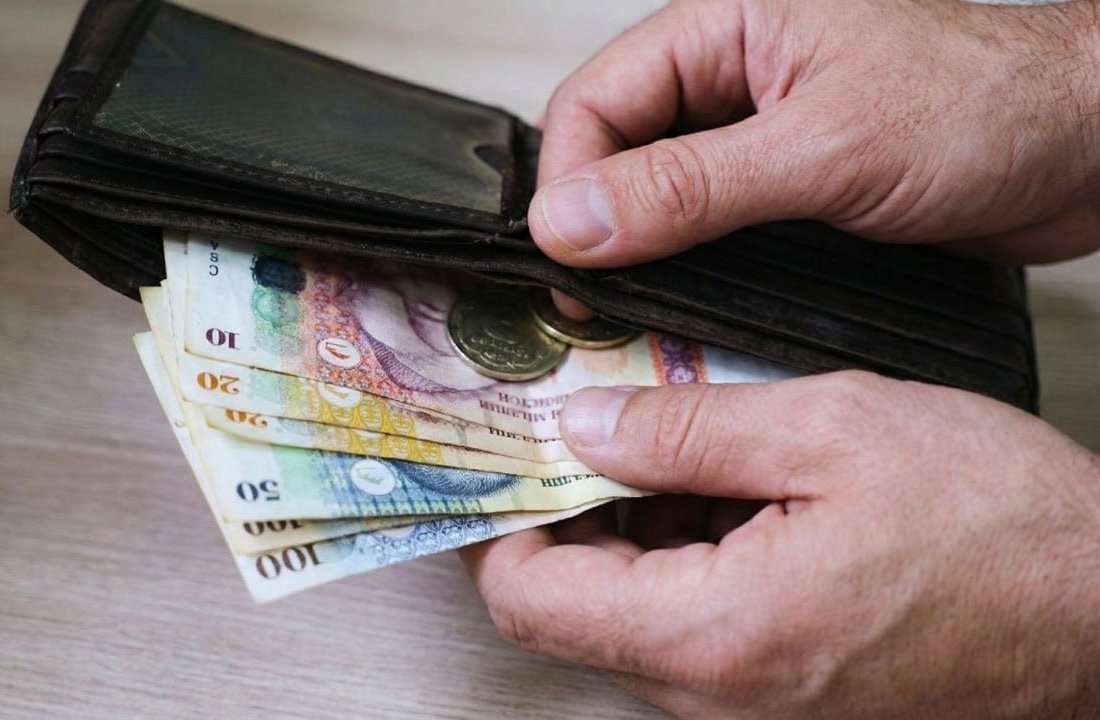
Important! Currency exchange is permitted only at official exchange offices located in banks, at the airport, and in some hotels. Exchanging currency outside official bank exchange points is punishable by criminal liability of up to 7 years of imprisonment.


Is registration required?

If you plan to stay in the country for no more than 10 working days, registration is not required. If your stay exceeds this period, you must complete registration.

Large hotels usually arrange registration free of charge or for a small fee (around $15–20 for the entire stay) and provide the guest with a stamped receipt.

Tip: Before booking accommodation (especially guesthouses or budget hotels), be sure to check whether they provide registration services for foreigners. If the hotel does not arrange registration, you will have to visit the OVIR (migration authorities) on your own.


How to use public transport in Dushanbe and other cities

Dushanbe has a well-developed public transport system — comfortable buses and trolleybuses operate throughout the city. In the capital, fares are paid using the CityCard. Passengers should enter through the front door and tap the card on the validator.

CityCard can be purchased at the airport, at major stops via self-service terminals (Express Pay), and sometimes at newspaper kiosks. The card costs about 10 somoni, part of which is credited to the balance immediately. You can top up the card using the same terminals or through local bank apps.

Fare with transport card:

Bus: 1.80 somoni

Trolleybus: 1.50 somoni

Those without a card can buy a single ticket via a POS terminal on the bus (trolleybus) or from the driver for 2.5 somoni (bus) or 2 somoni (trolleybus).

Tip: Download the 2GIS app to see public transport options and walking routes on the map — it will save you time.

Minibuses (marshrutkas) are very common in Dushanbe (they do not operate only along the central Rudaki Avenue). Payment is usually in cash — around 2.5 somoni — handed to the driver upon boarding or exiting.

Taxis can be ordered via the Jura app or hailed on the street. A trip within the city costs from 10 somoni.

In Khujand (northern Tajikistan), the system is simpler: mainly buses and minibuses operate, and payment is usually made in cash to the conductor or driver.

In other regions, cashless payment is being actively introduced, but for traveling around the country, carrying cash is still essential.


Which traditions and rules of conduct should be observed?

Tajikistan is a country known for its very warm attitude toward guests. You will almost certainly encounter genuine friendliness here. However, to feel comfortable and avoid offending your hosts, it is important to keep certain unwritten rules in mind.

In Tajikistan, modesty is highly valued, including in clothing. In Dushanbe, you may wear your usual attire, but when traveling to the regions — especially rural areas or when visiting mosques — women are advised to avoid overly revealing clothing such as short shorts, skirts, and tops. A light headscarf or shawl draped over the shoulders is always appropriate.
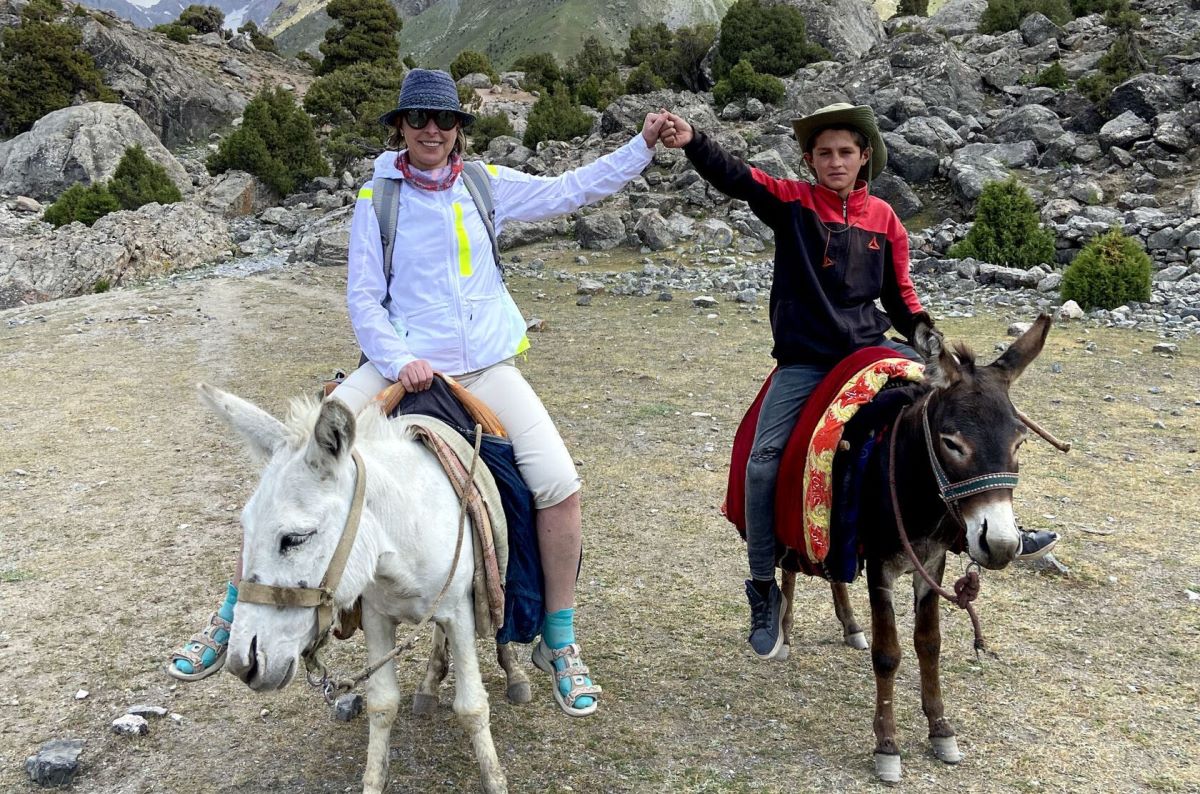
For men, the best choice is trousers or long shorts.

Men usually greet each other with a handshake, often placing a hand over the heart as a sign of sincerity. It is not customary to shake hands with women unless the woman extends her hand first.

Respect for elders is an important value in Tajikistan. Older people are usually allowed to go first, and seats are given up to them on public transport.

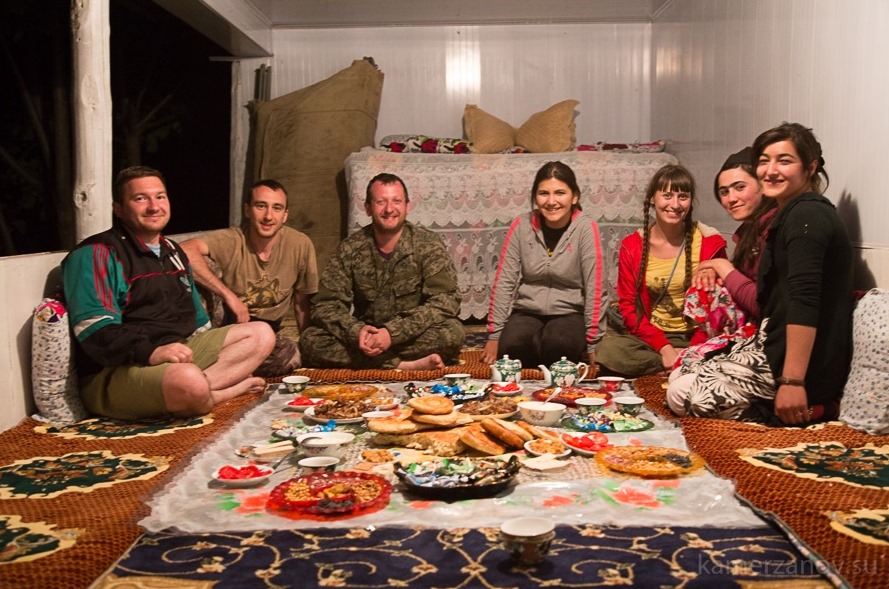
When entering a Tajik home, shoes are always removed at the doorstep. Even if you come in for just a minute, you will be offered tea and flatbread. Take a sip of tea and a piece of the treat — this is a sign of respect for the hosts.

If a dastarkhan (tablecloth) is laid out on the floor or on a low table, never step over it — this is considered disrespectful to both the bread and the hosts. Bread is sacred to Tajiks; it must not be thrown on the street or discarded as trash.
Always ask permission if you wish to photograph a stranger (especially women). It is forbidden to photograph military facilities, airports, and certain government buildings. If police officers ask you to put your camera away, it is best to comply without arguing.

When entering a mosque, do so only without shoes. If a prayer (namaz) is in progress, tourists are advised to wait until it is finished before entering.

During the month of Ramadan, try not to eat, drink, or smoke demonstratively in public during daylight hours — this is a sign of respect for those who are fasting.

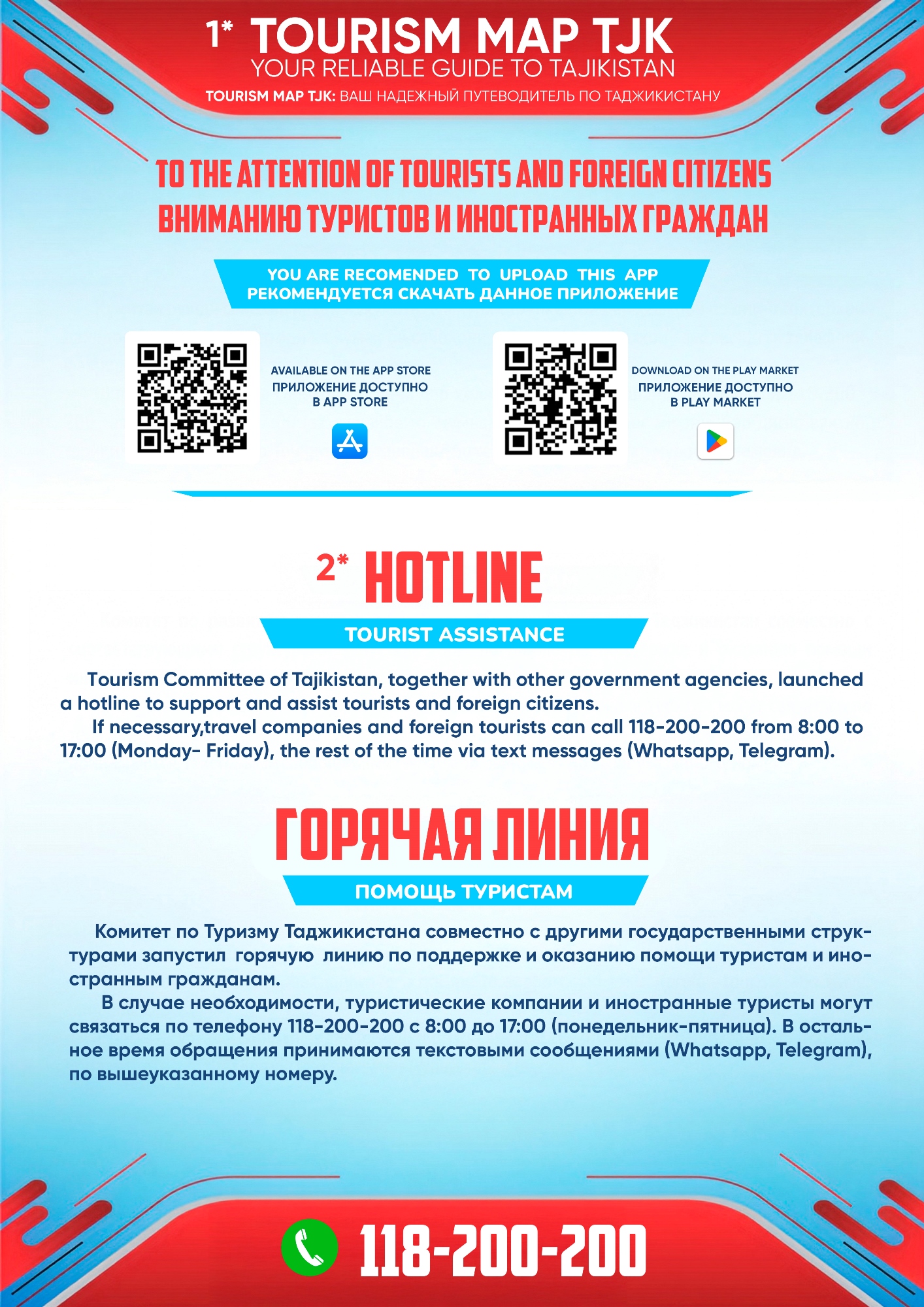
Tip: In any difficult or unforeseen situation, you can call the hotline of the State Committee for Tourism Development of Tajikistan at +992 118-200-200. The line is available Monday to Friday from 8:00 a.m. to 5:00 p.m. Outside working hours, messages are accepted via WhatsApp or Telegram, and specialists will be sure to respond.

We also recommend downloading the Tourism Map TJK app from the App Store or Play Market, where you will find even more useful information about Tajikistan.
Tajik national air carrier sends aircraft held under arrest in Moscow for seven years for repairs

0

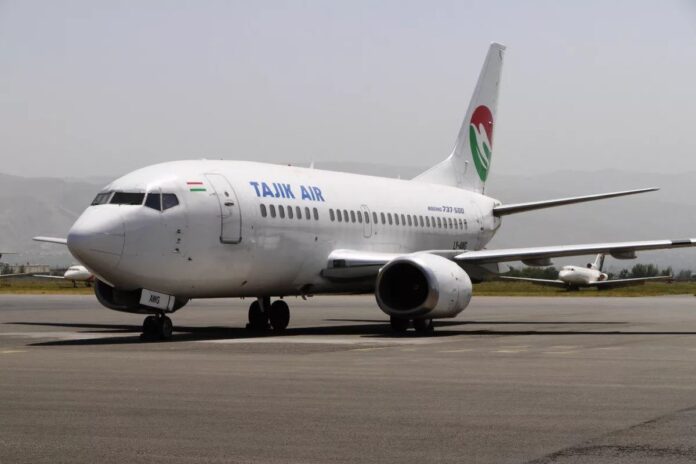
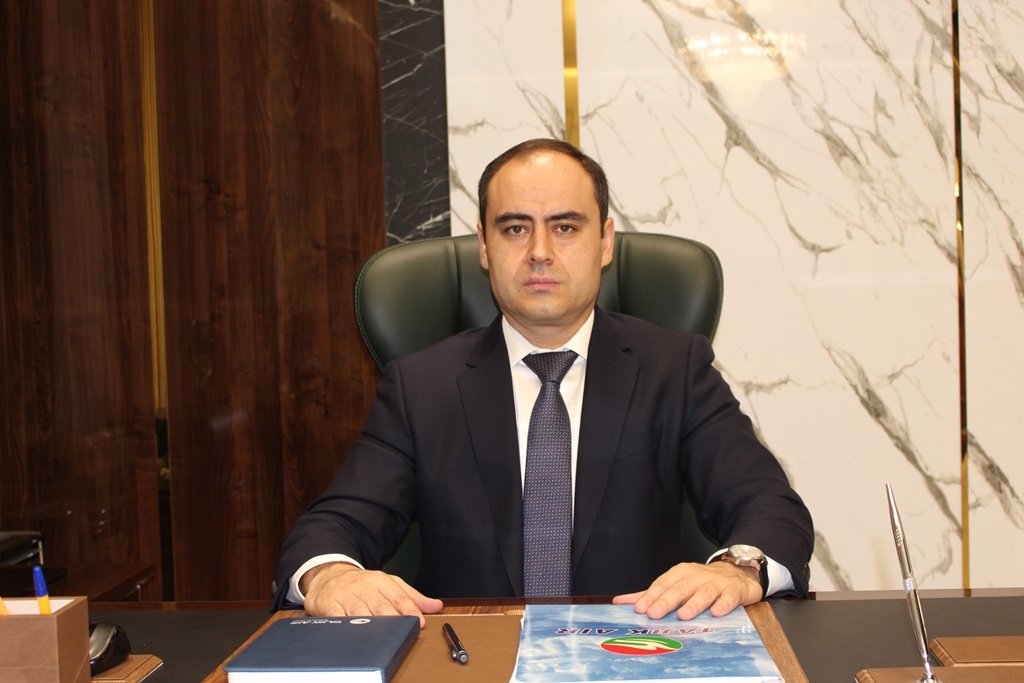
One of the aircraft belonging to Tajikistan’s national air carrier Tajik Air has been released from arrest in Moscow and sent for repairs. The Boeing 737-300 had been under arrest and parked at Moscow’s Vnukovo International Airport since 2019, Tajik Air CEO Parviz Shodmonzoda told Asia-Plus.

According to him, the aircraft was returned to the airline under a settlement agreement approved by the Moscow Arbitration Court on May 21, 2025.

“To prepare the aircraft for a one-time ferry flight to Dushanbe International Airport, the necessary technical work was carried out. The cost of these works exceeded $433,000,” Shodmonzoda said.

In addition, Tajik Air paid more than 12 million rubles in accumulated parking fees at Vnukovo Airport dating back to 2019. The exact date of the aircraft’s transfer to Tajikistan has not yet been specified.


Is Tajik Air returning to the skies?

It remains unclear when Tajik Air will resume international flights. However, according to the airline’s head, there are currently “no restrictions on operating international flights,” and the company no longer has outstanding debts to any country.

Shodmonzoda also said that Tajik Air has held negotiations with a Czech company to acquire two L-410 aircraft, which are expected to be delivered to Dushanbe in April–May.

In addition, negotiations with leasing companies for the rental of four aircraft have been completed. Two of them are scheduled to arrive in April–May, with the remaining two expected in August–September.

The L-410 aircraft are designed to carry 19 passengers, are suitable for both domestic and regional routes to neighboring countries, and can transport up to two tons of cargo.

Last year, Tajik Air also resolved a long-standing dispute with Lithuania-based Skyroad Leasing, to which it owed $36.6 million. Under the settlement agreement, Skyroad Leasing dropped all claims and transferred two aircraft to Tajik Air. These aircraft are currently in Dushanbe and have not been operated since 2013.


Only the An-28 in service

According to Tajik Air, the airline currently operates only one aircraft—the An-28. In 2025, it completed 158 domestic flights, carrying 4,968 passengers and transporting 2,228 kilograms of cargo.

Previously, the airline had resumed routes from Dushanbe to Kulob, Panjakent, Rasht, Khovaling, and Vanj. However, due to weather conditions and low passenger demand on some routes, only the Dushanbe–Khorog flight is currently in operation.

Tajik Air has not operated international flights for nearly seven years due to financial difficulties. Following the resolution of key financial and legal disputes, the national carrier now plans to return to international airspace and resume flights abroad.

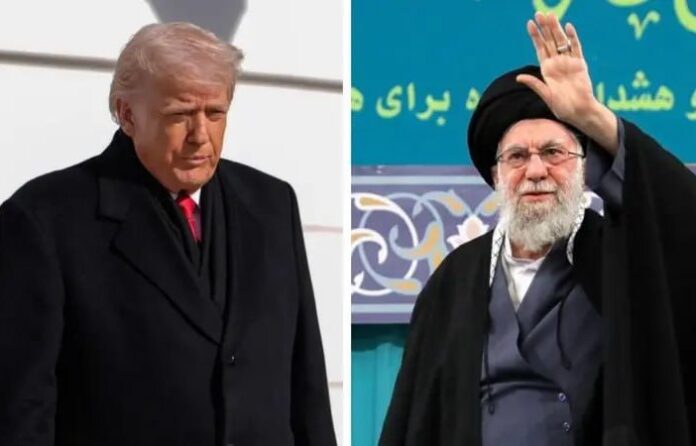
Will the United States strike Iran? More likely yes than no, says Tajik political scientist

0

The likelihood of a U.S. military strike on Iran remains high, according to Tajik political scientist Parviz Mullojanov, who has assessed the current escalation in U.S.–Iran relations.

“Everything suggests that the decision to carry out a strike has largely already been made. At this stage, Trump’s inner circle is discussing various strike scenarios as well as possible developments after the start of a military operation,” Mullojanov wrote on his Facebook page.

At the same time, he notes that the possibility of a diplomatic resolution has not yet been fully exhausted. According to the expert, the United States has presented Iran with an ultimatum consisting of four demands.

These include halting Iran’s nuclear program and uranium enrichment, including for peaceful purposes; stopping the development and reducing the number of ballistic missiles; ending support for so-called proxy organizations—Islamist groups operating abroad, such as Hezbollah, the Houthis, Hashd al-Shaabi, Hamas, and Palestinian Islamic Jihad; and refraining from killing protesters inside Iran—a demand Mullojanov describes as largely belated, since the protests have already been mostly suppressed.


Tehran’s strategy

According to Mullojanov, Iranian authorities have publicly rejected all elements of the ultimatum, while behind-the-scenes contacts through intermediaries continue.

Unofficially, Tehran appears willing to discuss only the first point—limitations on its nuclear program. The analyst believes Iran’s current strategy is to prolong negotiations in order to secure at least partial sanctions relief in exchange for concessions on the nuclear deal. Such an agreement would effectively remove the remaining three demands from the agenda, on which Iran categorically refuses to compromise.

Tehran is also betting that the United States cannot maintain such a large military presence off Iran’s coast for an extended period. By dragging out talks, Iranian leaders hope Washington will eventually abandon the military option.

At the same time, this approach allows Iran to buy time to prepare for a possible strike—redeploying forces and positioning new weapons and equipment, which, according to U.S. intelligence, are currently being supplied to the country from Russia and China.

Meanwhile, Tehran has threatened a massive retaliatory strike against U.S. forces, American bases in the region, and Israel. The most serious threat, however, remains a potential closure of the Strait of Hormuz, through which about 20 percent of the world’s seaborne oil and up to 30 percent of global gas shipments pass.

Such a move could trigger a sharp spike in energy prices, with severe consequences for the global economy and for Donald Trump’s political standing at home, the analyst argues.


Donald Trump’s dilemma

Ultimately, Mullojanov says, the decision rests with one person—U.S. President Donald Trump—who currently finds himself in a difficult political position.

On the one hand, Trump cannot simply back down, as this would be perceived as a failure and could damage his approval ratings amid intense domestic political competition. At the same time, regime change in Iran or support for protests is not a top priority for him. A geopolitical deal with Iran’s current leadership—at least on the first two or three points of the ultimatum—would be the most favorable outcome.

On the other hand, given the current circumstances, it would be difficult for the United States to limit its actions to a small, symbolic airstrike. Such a move would be unlikely to prevent Iranian retaliation, particularly an attempt to block the Strait of Hormuz—a factor of critical importance to both the U.S. and global economies. This suggests that any strike would likely have to be large-scale.

As a result, Trump faces a stark choice: either retreat with significant reputational losses, or launch a broad military operation targeting everything from nuclear and missile facilities to bases of the Islamic Revolutionary Guard Corps and the Basij, risking entanglement in a prolonged conflict if the operation fails.

This prospect has alarmed many countries in the region, whose leaders fear widespread destabilization and are actively trying to dissuade Washington from military action.

Nevertheless, Mullojanov does not rule out a compromise scenario that would allow both sides to claim victory. Iran would avoid a large-scale strike and retain its leadership, while Trump could withdraw the strike group without suffering political damage. Both sides would then present the outcome as a success to their domestic audiences.

“In any case, the wait will not be long. A U.S. aircraft carrier strike group cannot remain in such a reinforced configuration off Iran’s coast for too long, meaning President Trump will soon be forced to make a final decision,” the expert concluded.

JinkoSolar showcases solar energy innovations in Dushanbe

0

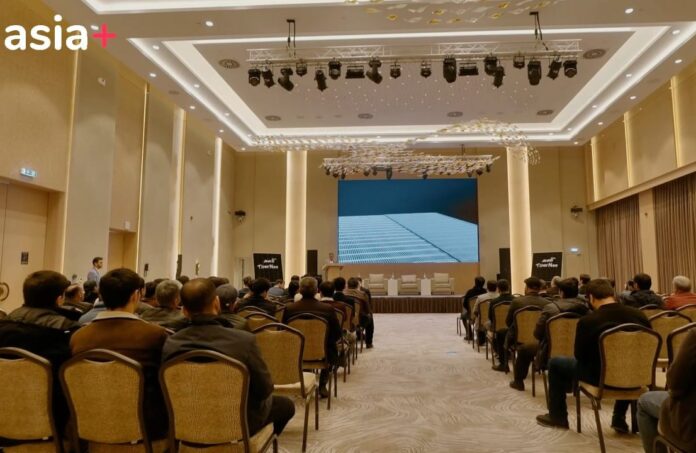
A presentation by JinkoSolar, one of the world’s leading solar energy companies, was held in Dushanbe. The event was organized with the support of the company’s official partner in Tajikistan, Tojikelektrkomplekt.

The presentation brought together representatives of design and installation firms, trading companies, the corporate sector, as well as members of Tajikistan’s professional energy community.

During the event, JinkoSolar showcased its advanced solar energy solutions, international manufacturing standards, and quality control approaches. Particular attention was paid to practical aspects of project implementation, including engineering-based equipment selection, installation, operational guidelines, warranty procedures, and after-sales service.

JinkoSolar’s partner in Tajikistan, Tojikelektrkomplekt, has been operating in the domestic market for more than 15 years. The company provides comprehensive professional support for projects, ranging from equipment selection and supply to warranty services, technical support, and the development of a partner network, acting as a bridge between state energy priorities and the practical needs of the market.

The event was held as part of Tajikistan’s state policy aimed at strengthening energy security and promoting the development of green energy.