Home Blog Page 72

More than 22,700 tons of humanitarian aid delivered to Tajikistan last year

0

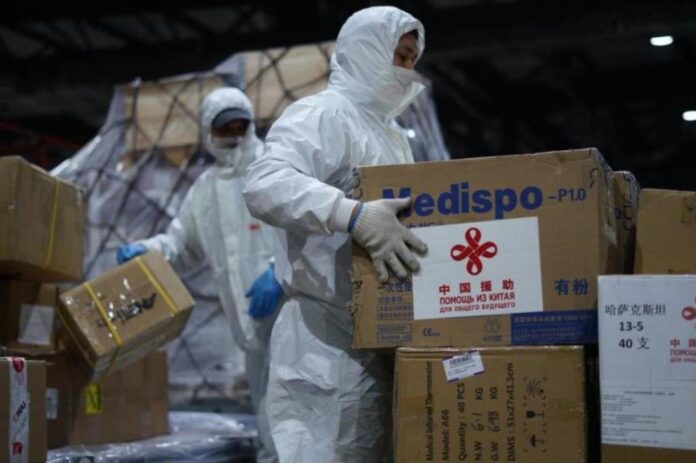
Forty-seven countries of the world provided 61.7 million US dollars’ worth of more than 22,700 tons of humanitarian aid to Tajikistan in 2025, according to the Agency for Statistics under the President of Tajikistan.

Last year, among donor countries the greatest share reportedly came from China – 35.6 percent; the United States – 24.4 percent; Russia – 8.2 percent; the Netherlands – 7.9 percent; Kazakhstan – 5.9 percent; India – 3.7 percent; Belgium – 3.6 percent; South Korea – 2.0 percent; Japan – 1.2 percent;  Turkiye – 1.1 percent; Italy – 1.0 percent; France – 0.7 percent;  and others. 

Tajikistan belongs to low-income countries, who receive humanitarian aid as well as financial aid from international financial institutions — grants and highly concessional loans, technical aid.


Your trip to Tajikistan: a simple guide for tourists

0

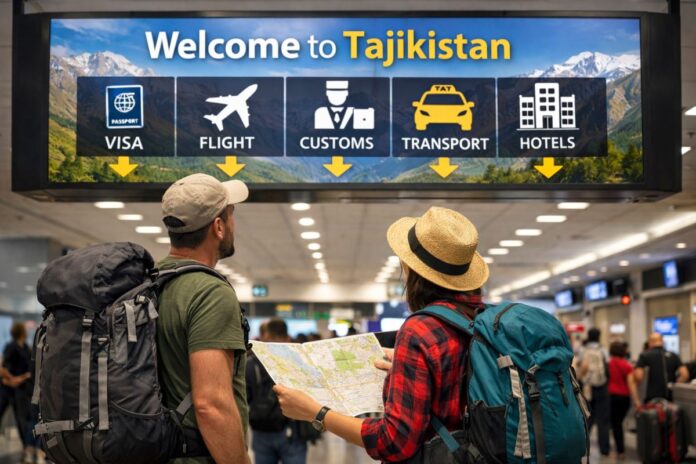
Planning a trip to Tajikistan? Have you heard about our amazing country and decided to see it with your own eyes? To make sure your journey brings only pleasant impressions, it’s worth thinking through all organizational details in advance.

To make preparation easier, we have gathered useful information for you on how to get to Tajikistan, cross the border, find accommodation, what you need to know about money and the internet, and how long you can stay in the country without unnecessary formalities.

So, here are answers to the most important questions. Read, save, and set off on your journey.


Who needs a tourist visa and how to get one?

Tajikistan has a visa-free regime with several countries, mainly CIS states. In addition, a unilateral visa-free or simplified visa regime applies to almost more than 120 countries (the full list can be found here).

Under the visa-free regime (Russia, Belarus, Ukraine, Kazakhstan, Armenia, Azerbaijan, Georgia, Kyrgyzstan, Moldova), you may enter the country freely with only a valid international passport.

A unilateral visa-free regime (usually up to 30 days) applies to citizens of around 100 countries (the list may be updated), including the United States, Japan, EU member states, Australia, and others. In addition, citizens over the age of 55 from 16 countries (Albania, China, Morocco, etc.) may also enter visa-free for up to 14 days.

If you are from a country with which Tajikistan has a unilateral visa-free regime, you will receive your visa upon arrival when crossing the border of the republic.

Citizens of other countries may apply for an electronic visa (e-Visa) to Tajikistan before traveling via the website evisa.tj. A personal visit to a consulate or embassy is not required to obtain entry permission. The electronic visa for Tajikistan is issued within a few days and sent to you by email. When entering Tajikistan, you must have a printed copy of this email.
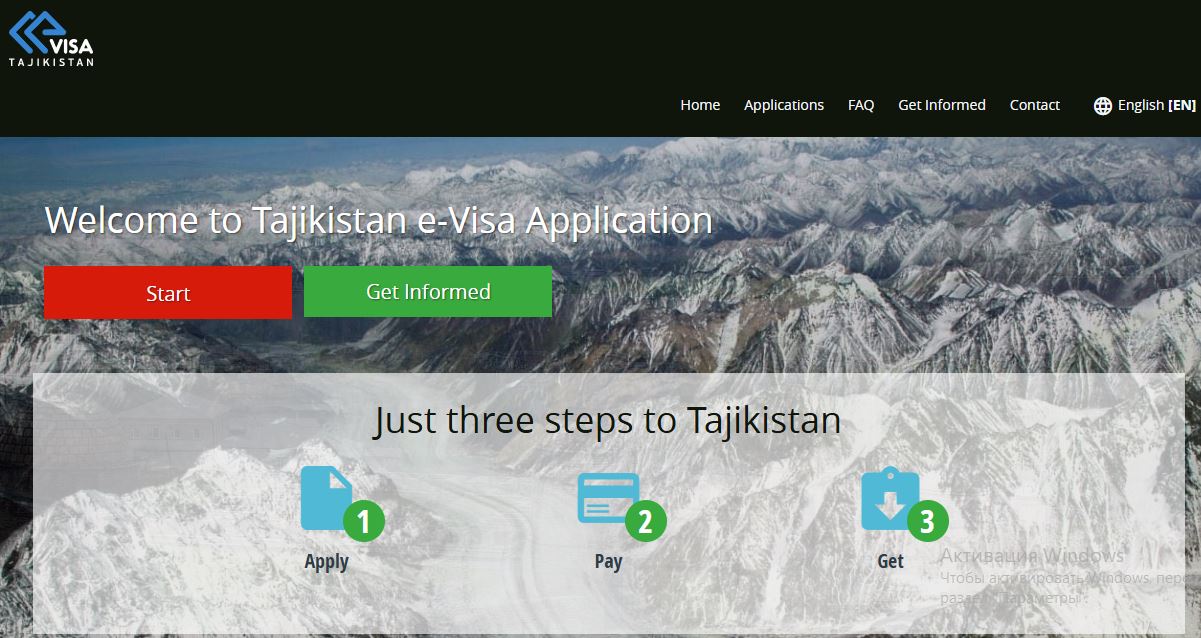
An electronic visa for visiting Tajikistan is valid for 90 days; however, its holder may stay in the country for no more than 60 calendar days.

Important! To enter Tajikistan, you must have an international passport valid for at least 6 months after the end of your trip.


How to book a hotel?

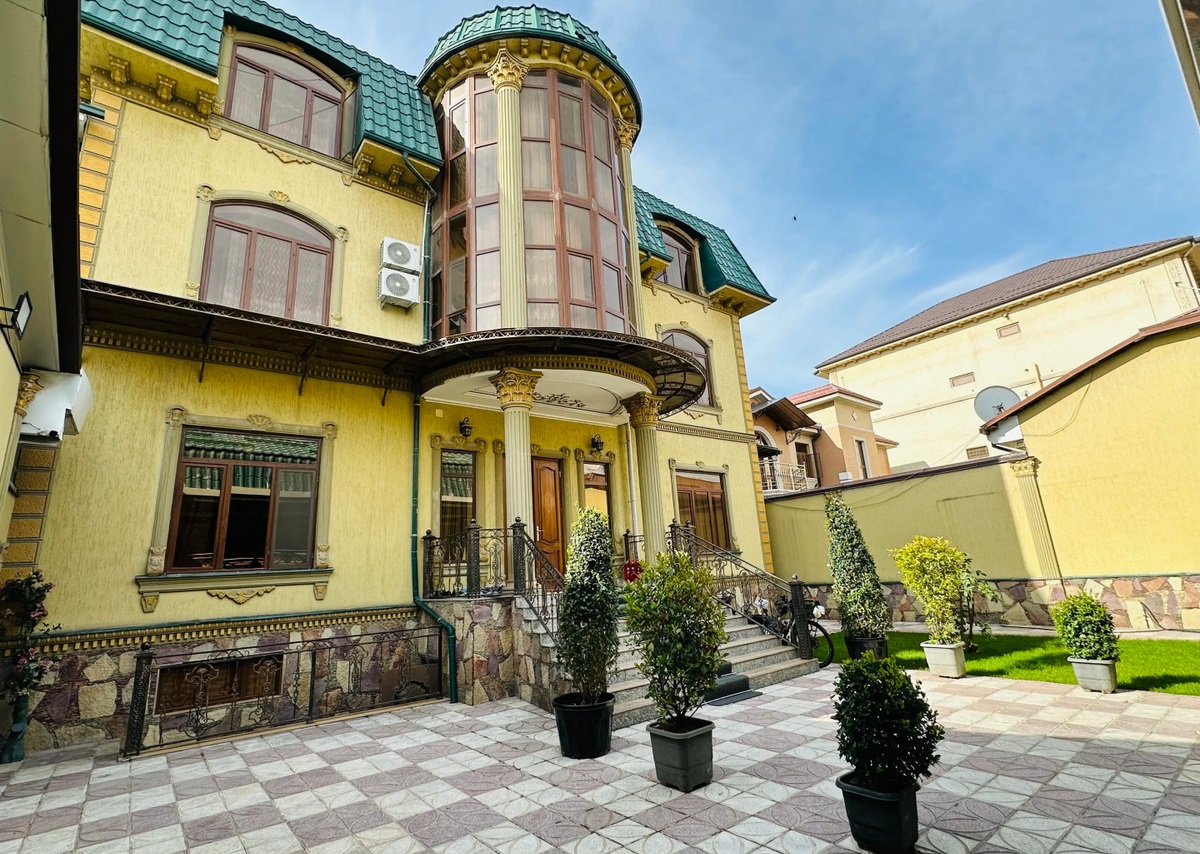
The widest choice of hotels is available in major cities: Dushanbe and Khujand. Alongside luxury four- and five-star hotels in Dushanbe such as Hyatt, Serena Hotel, Hilton Dushanbe, Crown Plaza Dushanbe, Kangurt Grand Hotel, and Taj Palace Hotel, there are many small boutique hotels in national style, guesthouses, and hostels.

Most hotels and hostels in Tajikistan can be found and booked on booking.com as well as expedia.com. These platforms often offer options such as “No credit card required” or “Pay at the property,” which is convenient for foreign tourists.
For tourists from Russia, the best options are Ostrovok.ru and Yandex Travel, where bookings can be paid for directly on the website using a Russian bank card.

Direct booking is also a convenient option. Many hotels have Instagram or WhatsApp accounts. Often, the price when booking directly can be 10–15% lower than on booking platforms.

As for prices, a single room in a chain hotel such as Hyatt, Hilton, or Serena starts from $120 per night. In a boutique hotel, accommodation costs $50–90 per night; in guesthouses, $15–30. A bed in a hostel costs around $10–15.


What is prohibited to bring into Tajikistan and take out of the country?

It is prohibited to import into (and export from) Tajikistan the following items: smokeless tobacco and non-tobacco products (such as snus); weapons and ammunition (without the relevant permits); narcotics; potent medications (without a prescription confirming the medical necessity); printed, audio, and video materials of religious content that contradict the norms of traditional Islam.

It is also prohibited to export works of art, museum valuables, old books, coins, and other rare items from the republic.

Jewelry and precious items may be imported in limited quantities — for personal use only.
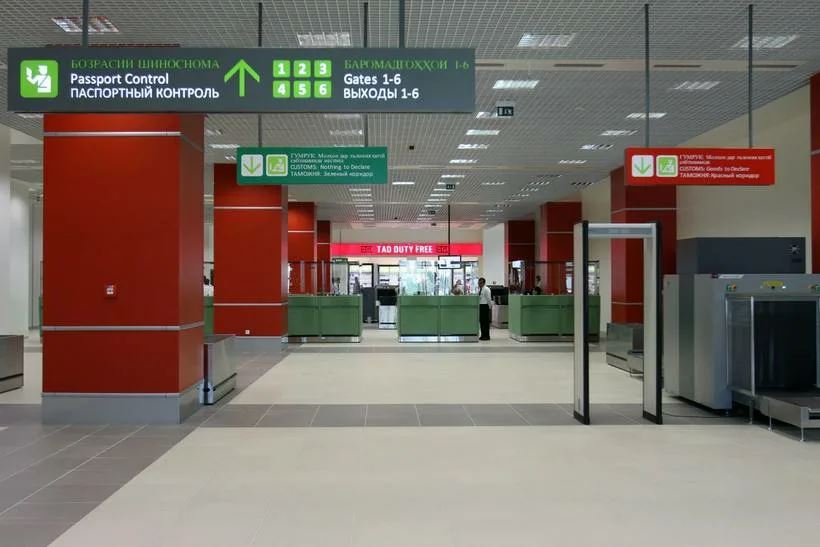
The import of foreign currency is unlimited; however, when exporting funds from Tajikistan in an amount equivalent to $3,000 to $10,000, a declaration must be completed. If the exported amount exceeds $10,000, you must obtain a special permit from a Tajik bank.


How to get to Tajikistan? Crossing the border

There are two ways to enter the country: by land or by air. By road, you can enter from Uzbekistan and Kyrgyzstan, as well as from China (via the high-altitude Pamir region).

Passenger railway connections exist only with Uzbekistan and Russia.

There are four international airports in the republic: Dushanbe, Khujand, Bokhtar, and Kulob. Please note that the latter three mainly handle flights from Russia, while the capital’s airport offers a wider range of international destinations, which can be viewed on the airport’s official website.
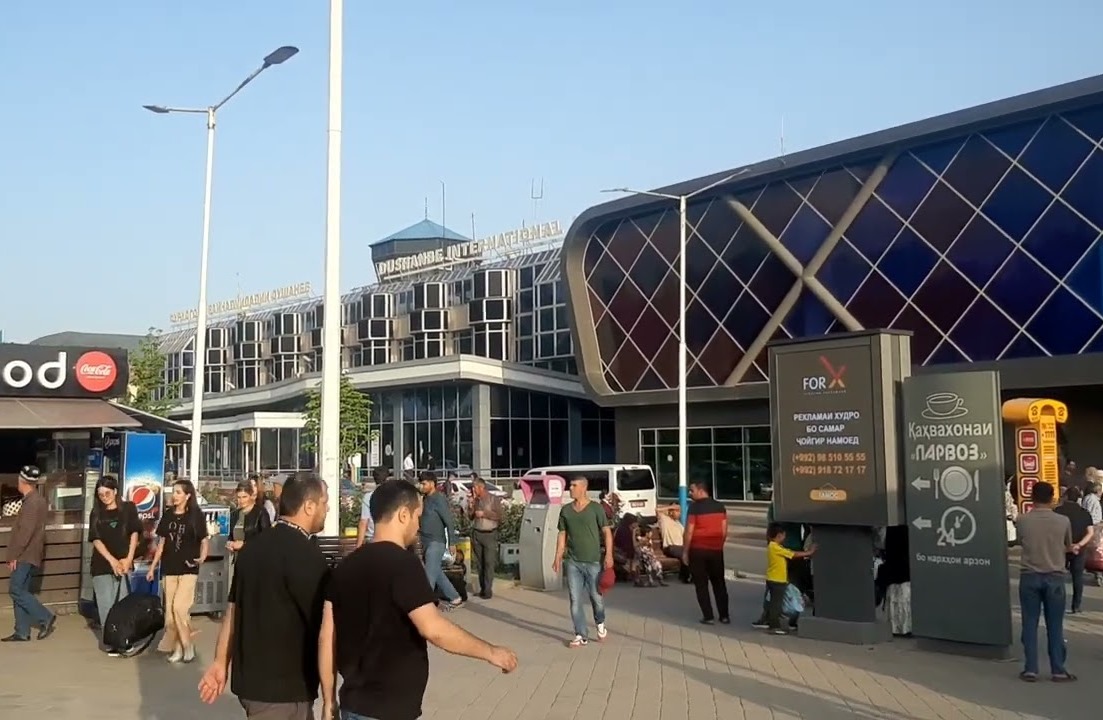
On the plane or upon arrival just before passport control at the airport, you will be given a migration card. Fill it out immediately (name, purpose of visit, hotel address). One part will be taken by the border officer, and the other must be kept carefully. You will need it for registration and when departing the country.

If you are carrying cash in excess of $3,000 (or its equivalent), it must be declared. If the amount is less, you may proceed through the “green corridor” without hesitation.

If one parent enters Tajikistan with a child, border service officers may request consent from the second parent for the child’s entry or exit, or documents confirming the absence of the second parent. When a child crosses the border with a person who is not their parent or legal guardian, a duly executed consent from both parents is required.


You have arrived in Dushanbe. How to connect mobile service and the internet?

At last, you have passed all checks and entered the arrivals area. Do not rush to leave the airport — first, take care of mobile communication.

In the arrivals hall, there are service counters of local mobile operators. Several mobile operators operate in Tajikistan: Babilon-Mobile, MegaFon Tajikistan, ZET-Mobile, and Tcell. High-speed 4G and 5G internet with fairly wide coverage is available. Roaming services of major international operators are also supported.
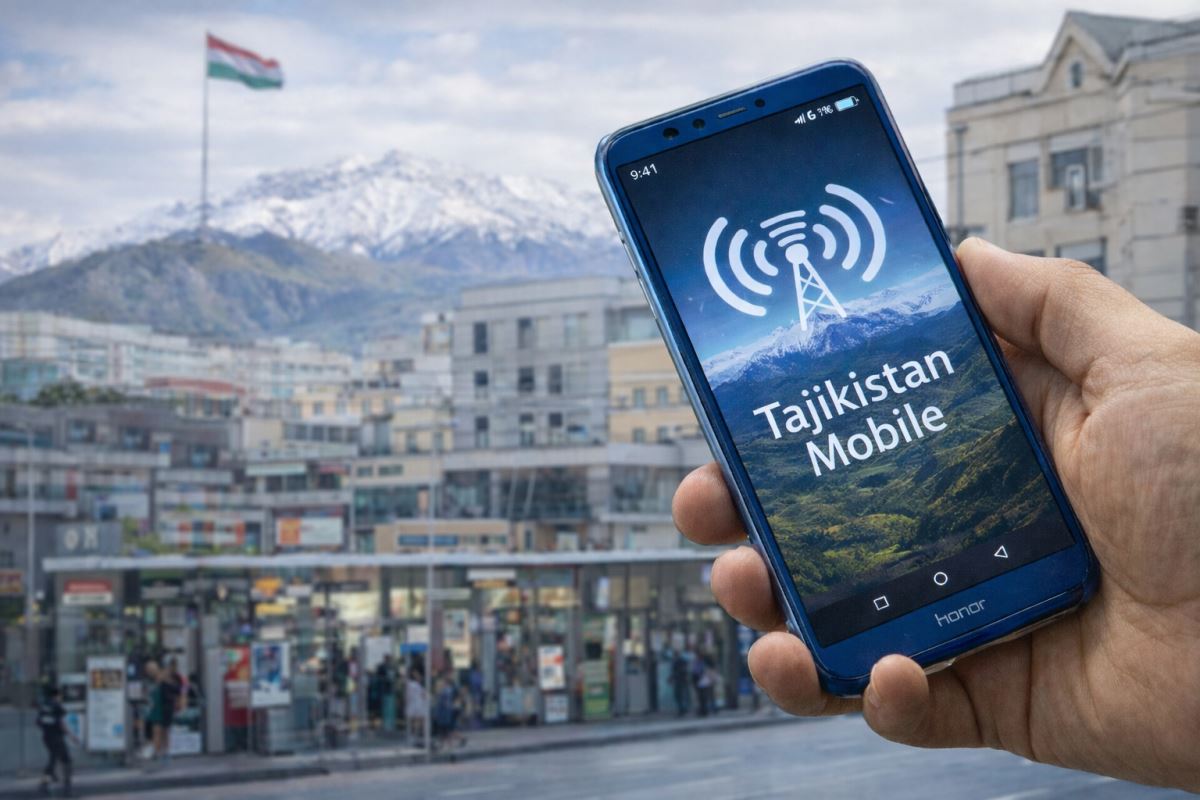
Buy a SIM card right away — you will need it to use online services such as ordering a taxi via an app or making payments. A passport is required to purchase a SIM card.

Choose tourist packages — they usually include enough data for navigation and social media.


Where to exchange currency?

Digital technologies are being actively introduced in Tajikistan; however, cash is still widely used. In hotels and supermarkets, you can pay by card, but for markets, taxis, and small cafés you will need the local currency — the Tajik somoni.

Exchange offices and ATMs operate at the airport. Exchange a small amount ($20–30) — this will be enough for the trip to the city and a first snack. It is better to exchange the main amount in the city, where the exchange rate may be more favorable. Keep in mind that Tajik banks may not accept wrinkled or damaged banknotes.

Holders of Visa and MasterCard cards can withdraw cash at banks and ATMs.

Official exchange rates of major currencies against the somoni for any date can be found on the website of the National Bank of Tajikistan.
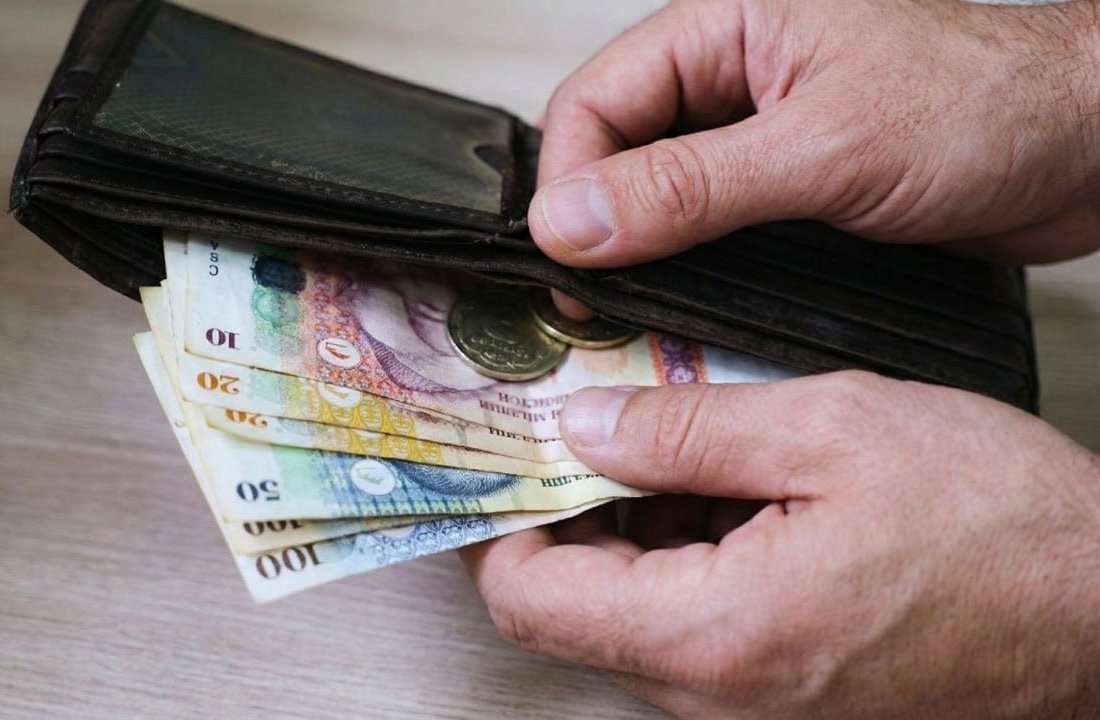
Important! Currency exchange is permitted only at official exchange offices located in banks, at the airport, and in some hotels. Exchanging currency outside official bank exchange points is punishable by criminal liability of up to 7 years of imprisonment.


Is registration required?

If you plan to stay in the country for no more than 10 working days, registration is not required. If your stay exceeds this period, you must complete registration.

Large hotels usually arrange registration free of charge or for a small fee (around $15–20 for the entire stay) and provide the guest with a stamped receipt.

Tip: Before booking accommodation (especially guesthouses or budget hotels), be sure to check whether they provide registration services for foreigners. If the hotel does not arrange registration, you will have to visit the OVIR (migration authorities) on your own.


How to use public transport in Dushanbe and other cities

Dushanbe has a well-developed public transport system — comfortable buses and trolleybuses operate throughout the city. In the capital, fares are paid using the CityCard. Passengers should enter through the front door and tap the card on the validator.

CityCard can be purchased at the airport, at major stops via self-service terminals (Express Pay), and sometimes at newspaper kiosks. The card costs about 10 somoni, part of which is credited to the balance immediately. You can top up the card using the same terminals or through local bank apps.

Fare with transport card:

Bus: 1.80 somoni

Trolleybus: 1.50 somoni

Those without a card can buy a single ticket via a POS terminal on the bus (trolleybus) or from the driver for 2.5 somoni (bus) or 2 somoni (trolleybus).

Tip: Download the 2GIS app to see public transport options and walking routes on the map — it will save you time.

Minibuses (marshrutkas) are very common in Dushanbe (they do not operate only along the central Rudaki Avenue). Payment is usually in cash — around 2.5 somoni — handed to the driver upon boarding or exiting.

Taxis can be ordered via the Jura app or hailed on the street. A trip within the city costs from 10 somoni.

In Khujand (northern Tajikistan), the system is simpler: mainly buses and minibuses operate, and payment is usually made in cash to the conductor or driver.

In other regions, cashless payment is being actively introduced, but for traveling around the country, carrying cash is still essential.


Which traditions and rules of conduct should be observed?

Tajikistan is a country known for its very warm attitude toward guests. You will almost certainly encounter genuine friendliness here. However, to feel comfortable and avoid offending your hosts, it is important to keep certain unwritten rules in mind.

In Tajikistan, modesty is highly valued, including in clothing. In Dushanbe, you may wear your usual attire, but when traveling to the regions — especially rural areas or when visiting mosques — women are advised to avoid overly revealing clothing such as short shorts, skirts, and tops. A light headscarf or shawl draped over the shoulders is always appropriate.
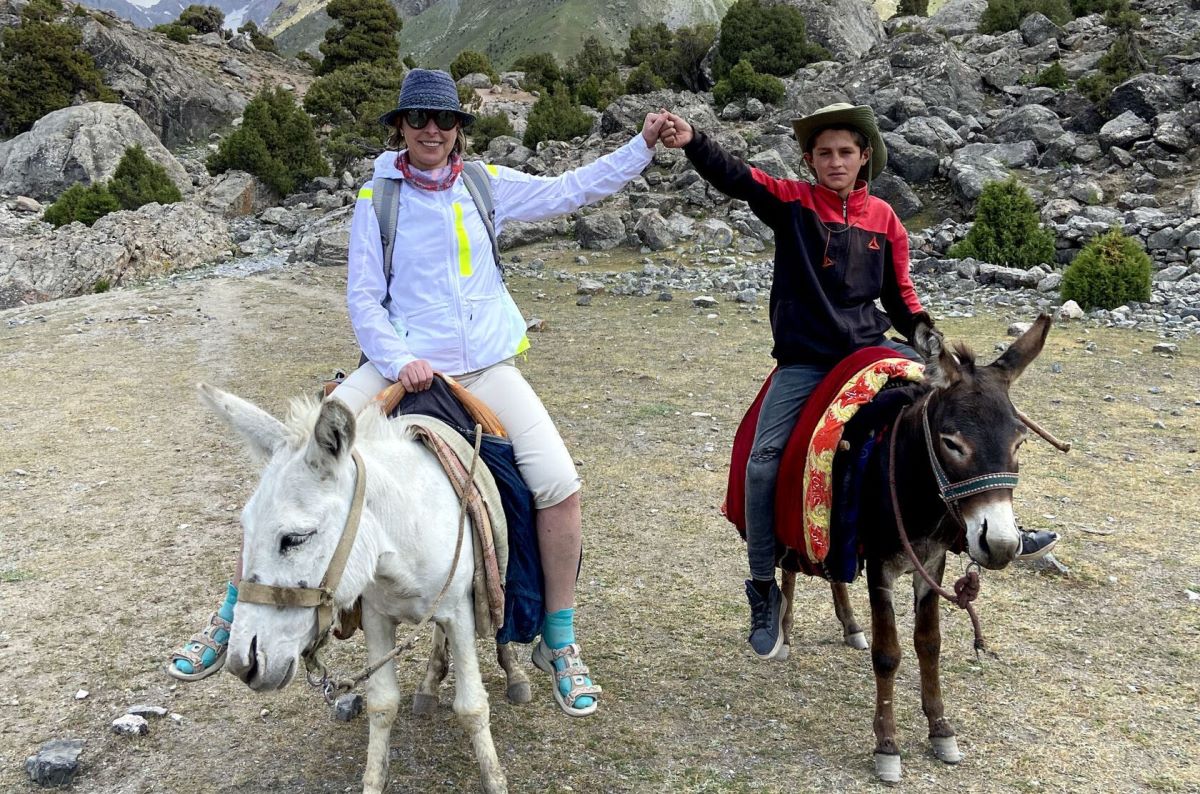
For men, the best choice is trousers or long shorts.

Men usually greet each other with a handshake, often placing a hand over the heart as a sign of sincerity. It is not customary to shake hands with women unless the woman extends her hand first.

Respect for elders is an important value in Tajikistan. Older people are usually allowed to go first, and seats are given up to them on public transport.

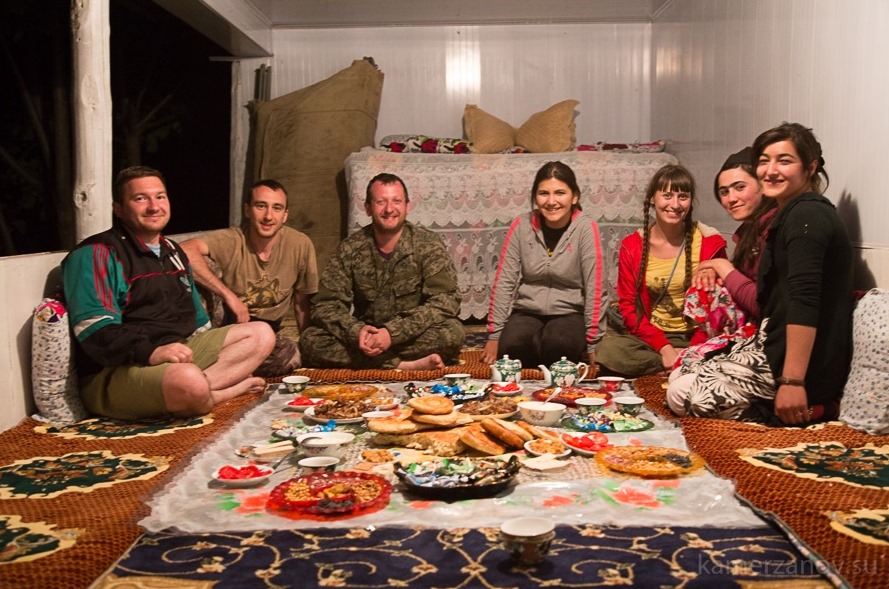
When entering a Tajik home, shoes are always removed at the doorstep. Even if you come in for just a minute, you will be offered tea and flatbread. Take a sip of tea and a piece of the treat — this is a sign of respect for the hosts.

If a dastarkhan (tablecloth) is laid out on the floor or on a low table, never step over it — this is considered disrespectful to both the bread and the hosts. Bread is sacred to Tajiks; it must not be thrown on the street or discarded as trash.
Always ask permission if you wish to photograph a stranger (especially women). It is forbidden to photograph military facilities, airports, and certain government buildings. If police officers ask you to put your camera away, it is best to comply without arguing.

When entering a mosque, do so only without shoes. If a prayer (namaz) is in progress, tourists are advised to wait until it is finished before entering.

During the month of Ramadan, try not to eat, drink, or smoke demonstratively in public during daylight hours — this is a sign of respect for those who are fasting.

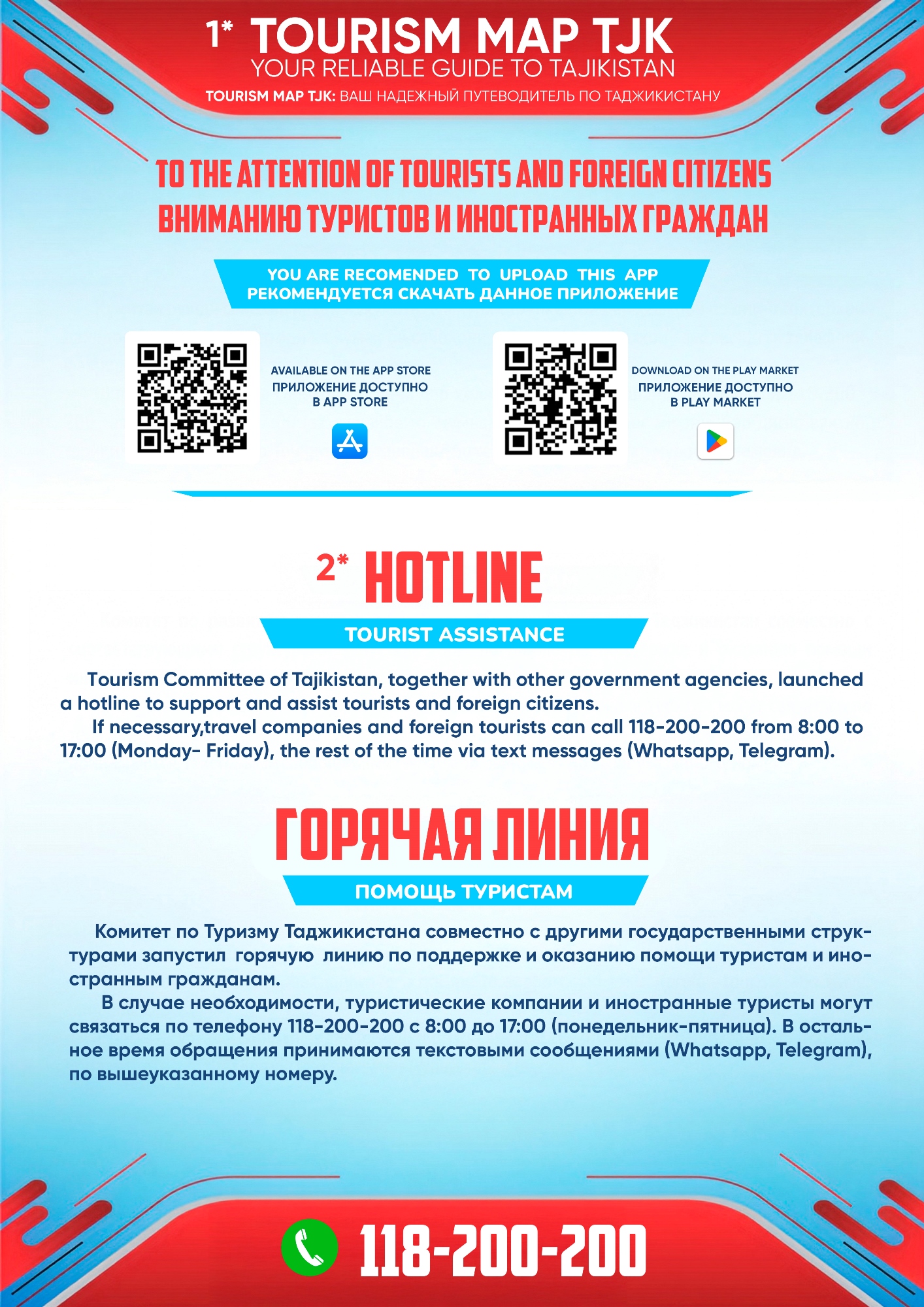
Tip: In any difficult or unforeseen situation, you can call the hotline of the State Committee for Tourism Development of Tajikistan at +992 118-200-200. The line is available Monday to Friday from 8:00 a.m. to 5:00 p.m. Outside working hours, messages are accepted via WhatsApp or Telegram, and specialists will be sure to respond.

We also recommend downloading the Tourism Map TJK app from the App Store or Play Market, where you will find even more useful information about Tajikistan.
Tajik national air carrier sends aircraft held under arrest in Moscow for seven years for repairs

0

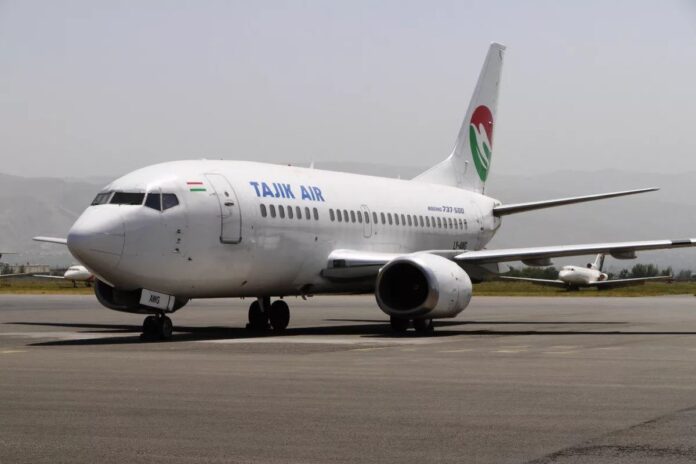
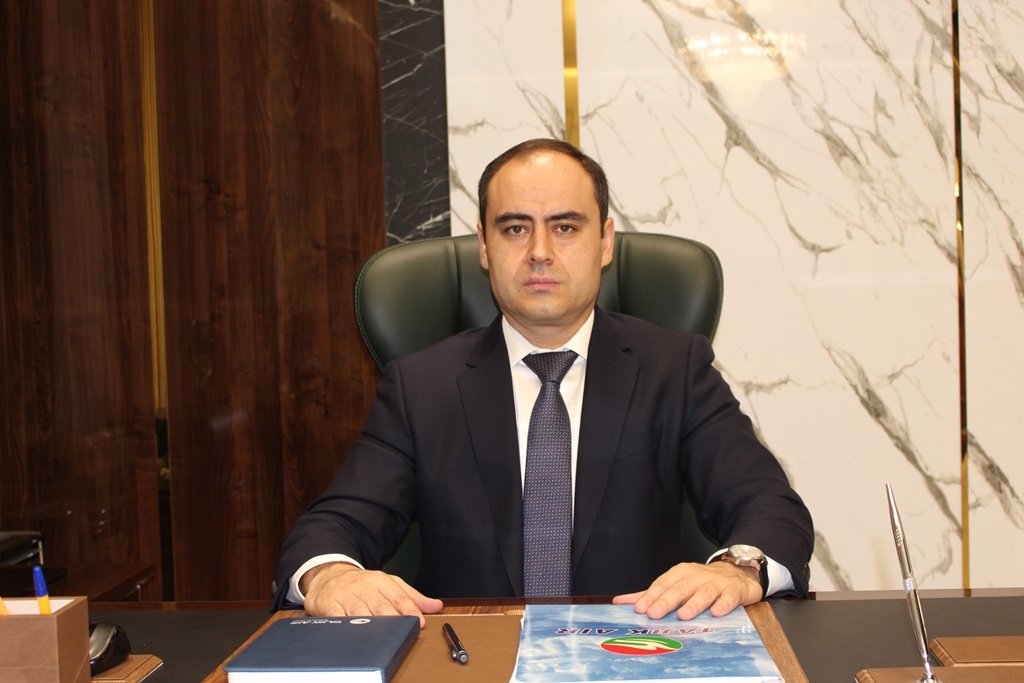
One of the aircraft belonging to Tajikistan’s national air carrier Tajik Air has been released from arrest in Moscow and sent for repairs. The Boeing 737-300 had been under arrest and parked at Moscow’s Vnukovo International Airport since 2019, Tajik Air CEO Parviz Shodmonzoda told Asia-Plus.

According to him, the aircraft was returned to the airline under a settlement agreement approved by the Moscow Arbitration Court on May 21, 2025.

“To prepare the aircraft for a one-time ferry flight to Dushanbe International Airport, the necessary technical work was carried out. The cost of these works exceeded $433,000,” Shodmonzoda said.

In addition, Tajik Air paid more than 12 million rubles in accumulated parking fees at Vnukovo Airport dating back to 2019. The exact date of the aircraft’s transfer to Tajikistan has not yet been specified.


Is Tajik Air returning to the skies?

It remains unclear when Tajik Air will resume international flights. However, according to the airline’s head, there are currently “no restrictions on operating international flights,” and the company no longer has outstanding debts to any country.

Shodmonzoda also said that Tajik Air has held negotiations with a Czech company to acquire two L-410 aircraft, which are expected to be delivered to Dushanbe in April–May.

In addition, negotiations with leasing companies for the rental of four aircraft have been completed. Two of them are scheduled to arrive in April–May, with the remaining two expected in August–September.

The L-410 aircraft are designed to carry 19 passengers, are suitable for both domestic and regional routes to neighboring countries, and can transport up to two tons of cargo.

Last year, Tajik Air also resolved a long-standing dispute with Lithuania-based Skyroad Leasing, to which it owed $36.6 million. Under the settlement agreement, Skyroad Leasing dropped all claims and transferred two aircraft to Tajik Air. These aircraft are currently in Dushanbe and have not been operated since 2013.


Only the An-28 in service

According to Tajik Air, the airline currently operates only one aircraft—the An-28. In 2025, it completed 158 domestic flights, carrying 4,968 passengers and transporting 2,228 kilograms of cargo.

Previously, the airline had resumed routes from Dushanbe to Kulob, Panjakent, Rasht, Khovaling, and Vanj. However, due to weather conditions and low passenger demand on some routes, only the Dushanbe–Khorog flight is currently in operation.

Tajik Air has not operated international flights for nearly seven years due to financial difficulties. Following the resolution of key financial and legal disputes, the national carrier now plans to return to international airspace and resume flights abroad.

Will the United States strike Iran? More likely yes than no, says Tajik political scientist

0

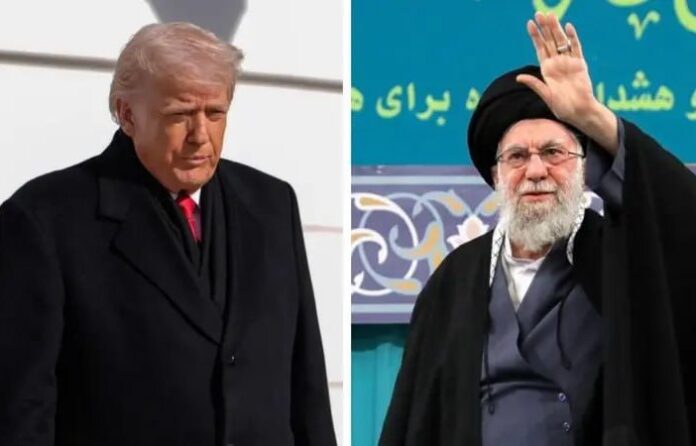
The likelihood of a U.S. military strike on Iran remains high, according to Tajik political scientist Parviz Mullojanov, who has assessed the current escalation in U.S.–Iran relations.

“Everything suggests that the decision to carry out a strike has largely already been made. At this stage, Trump’s inner circle is discussing various strike scenarios as well as possible developments after the start of a military operation,” Mullojanov wrote on his Facebook page.

At the same time, he notes that the possibility of a diplomatic resolution has not yet been fully exhausted. According to the expert, the United States has presented Iran with an ultimatum consisting of four demands.

These include halting Iran’s nuclear program and uranium enrichment, including for peaceful purposes; stopping the development and reducing the number of ballistic missiles; ending support for so-called proxy organizations—Islamist groups operating abroad, such as Hezbollah, the Houthis, Hashd al-Shaabi, Hamas, and Palestinian Islamic Jihad; and refraining from killing protesters inside Iran—a demand Mullojanov describes as largely belated, since the protests have already been mostly suppressed.


Tehran’s strategy

According to Mullojanov, Iranian authorities have publicly rejected all elements of the ultimatum, while behind-the-scenes contacts through intermediaries continue.

Unofficially, Tehran appears willing to discuss only the first point—limitations on its nuclear program. The analyst believes Iran’s current strategy is to prolong negotiations in order to secure at least partial sanctions relief in exchange for concessions on the nuclear deal. Such an agreement would effectively remove the remaining three demands from the agenda, on which Iran categorically refuses to compromise.

Tehran is also betting that the United States cannot maintain such a large military presence off Iran’s coast for an extended period. By dragging out talks, Iranian leaders hope Washington will eventually abandon the military option.

At the same time, this approach allows Iran to buy time to prepare for a possible strike—redeploying forces and positioning new weapons and equipment, which, according to U.S. intelligence, are currently being supplied to the country from Russia and China.

Meanwhile, Tehran has threatened a massive retaliatory strike against U.S. forces, American bases in the region, and Israel. The most serious threat, however, remains a potential closure of the Strait of Hormuz, through which about 20 percent of the world’s seaborne oil and up to 30 percent of global gas shipments pass.

Such a move could trigger a sharp spike in energy prices, with severe consequences for the global economy and for Donald Trump’s political standing at home, the analyst argues.


Donald Trump’s dilemma

Ultimately, Mullojanov says, the decision rests with one person—U.S. President Donald Trump—who currently finds himself in a difficult political position.

On the one hand, Trump cannot simply back down, as this would be perceived as a failure and could damage his approval ratings amid intense domestic political competition. At the same time, regime change in Iran or support for protests is not a top priority for him. A geopolitical deal with Iran’s current leadership—at least on the first two or three points of the ultimatum—would be the most favorable outcome.

On the other hand, given the current circumstances, it would be difficult for the United States to limit its actions to a small, symbolic airstrike. Such a move would be unlikely to prevent Iranian retaliation, particularly an attempt to block the Strait of Hormuz—a factor of critical importance to both the U.S. and global economies. This suggests that any strike would likely have to be large-scale.

As a result, Trump faces a stark choice: either retreat with significant reputational losses, or launch a broad military operation targeting everything from nuclear and missile facilities to bases of the Islamic Revolutionary Guard Corps and the Basij, risking entanglement in a prolonged conflict if the operation fails.

This prospect has alarmed many countries in the region, whose leaders fear widespread destabilization and are actively trying to dissuade Washington from military action.

Nevertheless, Mullojanov does not rule out a compromise scenario that would allow both sides to claim victory. Iran would avoid a large-scale strike and retain its leadership, while Trump could withdraw the strike group without suffering political damage. Both sides would then present the outcome as a success to their domestic audiences.

“In any case, the wait will not be long. A U.S. aircraft carrier strike group cannot remain in such a reinforced configuration off Iran’s coast for too long, meaning President Trump will soon be forced to make a final decision,” the expert concluded.

JinkoSolar showcases solar energy innovations in Dushanbe

0

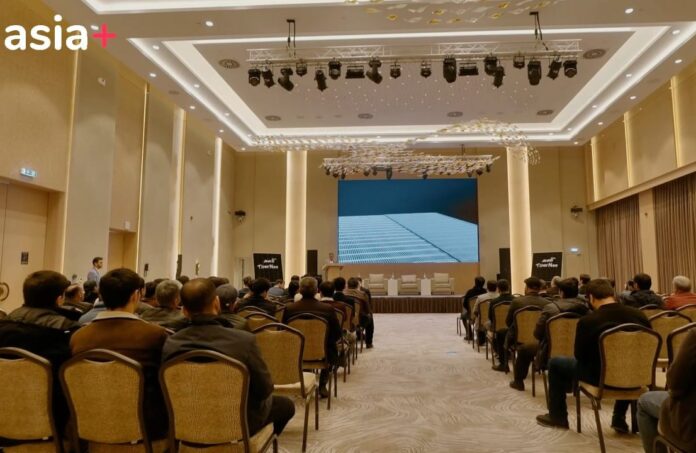
A presentation by JinkoSolar, one of the world’s leading solar energy companies, was held in Dushanbe. The event was organized with the support of the company’s official partner in Tajikistan, Tojikelektrkomplekt.

The presentation brought together representatives of design and installation firms, trading companies, the corporate sector, as well as members of Tajikistan’s professional energy community.

During the event, JinkoSolar showcased its advanced solar energy solutions, international manufacturing standards, and quality control approaches. Particular attention was paid to practical aspects of project implementation, including engineering-based equipment selection, installation, operational guidelines, warranty procedures, and after-sales service.

JinkoSolar’s partner in Tajikistan, Tojikelektrkomplekt, has been operating in the domestic market for more than 15 years. The company provides comprehensive professional support for projects, ranging from equipment selection and supply to warranty services, technical support, and the development of a partner network, acting as a bridge between state energy priorities and the practical needs of the market.

The event was held as part of Tajikistan’s state policy aimed at strengthening energy security and promoting the development of green energy.

76 Tajik export companies registered in the EU system

0

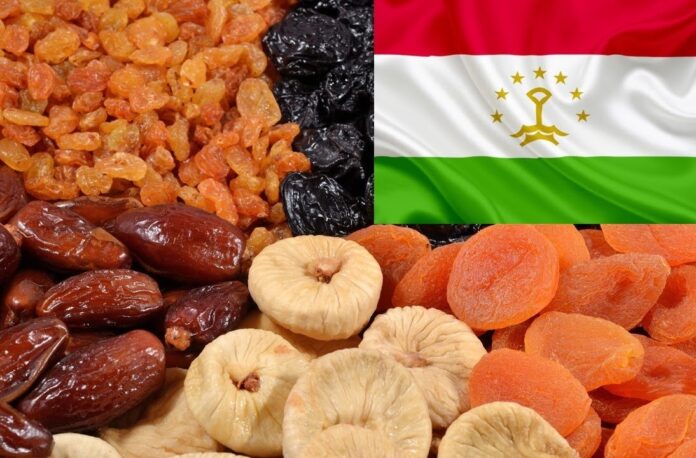
A total of 76 Tajik companies have so far been registered in the European Union’s Registered Exporter System (REX), according to the Export Agency under the Government of Tajikistan.

Speaking to journalists, the Agency’s director, Bahriddin Sirojiddinzoda, said on January 30 that the growing participation of domestic companies has been made possible by the introduction of a self-certification mechanism for the origin of goods. This system grants Tajik exporters access to customs preferences and significantly simplifies export procedures for shipments to EU countries.

The REX system was introduced by the European Union for developing countries and operates within the framework of the Generalized Scheme of Preferences (GSP). Exporters registered in the system are allowed to independently certify the origin of their products and benefit from preferential customs treatment when exporting goods to the EU market.

The registration process is fully digitalized and free of charge. As a result, companies registered in the system can more actively use e-commerce channels to supply their products to European markets, simplifying trade operations and contributing to the development of electronic commerce in Tajikistan.

Agriculture minister criticizes forced cotton planting

0

Tajikistan’s Minister of Agriculture, Qurbon Hakimzoda, has sharply criticized local officials who illegally force farmers to plant cotton despite the crop’s low profitability. He made the statement on January 29 during a press conference held by the ministry.

According to the minister, authorities in several cotton-growing districts ignore government recommendations on crop diversification, resulting in direct economic losses for farmers.

Responding to journalists’ questions about local demands to allocate up to 65 percent of all farmland exclusively to cotton, Hakimzoda described such practices as unacceptable.

“This is a blow to farmers’ pockets. It is wrong and harmful to the economy,” he said.

The minister explained that meeting such requirements would require expanding cotton fields to around 400,000 hectares, while the country’s actual annual cotton acreage stands at only 174,000–185,000 hectares. “These figures are nothing more than an excuse,” he added.

Hakimzoda stressed that farmers must be protected from unlawful actions by local authorities.

“No one has the right to destroy someone else’s crops,” he said, commenting on cases in which farmers are forced to eliminate other crops in favor of cotton. He emphasized that, under the law, farmers’ losses must be compensated.


Cotton prices remain a key concern

The minister also highlighted the ongoing problem of declining global cotton prices, which directly affects farmers’ incomes.

“Cotton prices are a serious concern for farmers,” Hakimzoda noted, adding that in the face of falling prices, government support is essential to prevent negative consequences for the entire agricultural sector.

He recalled that in some years cotton prices dropped to as low as $350–400 per ton. Although prices have since risen slightly, they remain insufficient given the rising costs of fuel, mineral fertilizers, and other inputs.


Mechanization as a solution

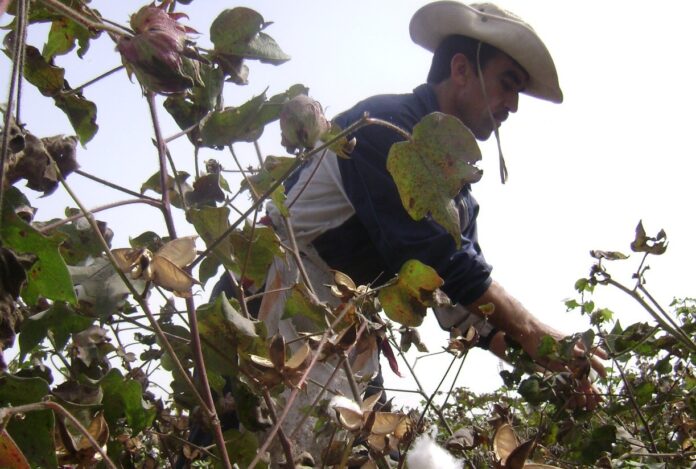
One of the main drivers of high production costs, according to the minister, is the continued reliance on manual labor. Outdated harvesting methods are still widely used in Tajikistan, forcing farmers to spend heavily on labor.

Hakimzoda emphasized the importance of mechanization. Previously, farmers paid up to 2 somoni per kilogram of cotton for manual picking, while mechanized harvesting can reduce costs to about 0.5 somoni per kilogram. These measures are included in the country’s agricultural mechanization program.


Uzbekistan’s experience and farmer subsidies

The minister pointed to neighboring Uzbekistan as an example of effective state support for cotton producers.

“There, farmers receive subsidies of $100 for every ton of cotton produced and sold. We are studying this experience and plan to introduce a similar mechanism in Tajikistan,” Hakimzoda said.

Such support, he noted, significantly eases the financial burden on farmers and stimulates production growth.


Innovation and higher yields

Increasing yields should become a top priority amid low prices, the minister said.

“If yields exceed 30 quintals per hectare, farmers make a profit. At 18–22 quintals, they incur losses,” he explained.

Hakimzoda noted that in districts such as Dousti, Bobojon-Ghafourov, and Jaihoun, farmers using drip irrigation and plastic mulch technologies have achieved yields of up to 60–70 quintals per hectare, far above the national average.

In 2025, Tajikistan harvested 393,000 tons of cotton—140,000 tons more than the previous year. Average yields reached 25.3 quintals per hectare, despite nearly unchanged planting areas.


Plans for 2026–2030

In the near future, Tajikistan plans to present a draft “State Program for Innovative Development of Cotton Production for 2026–2030.” According to the minister, the program will focus on expanding mechanization, introducing new technologies, and strengthening the sector’s sustainability.

“To meet the needs of Tajikistan’s industry at current capacity, annual production of around 450,000–500,000 tons of cotton will be sufficient,” Hakimzoda concluded.

Over 600 Tajik students expelled from Russian universities – Tajikistan’s Ministry of Education

0

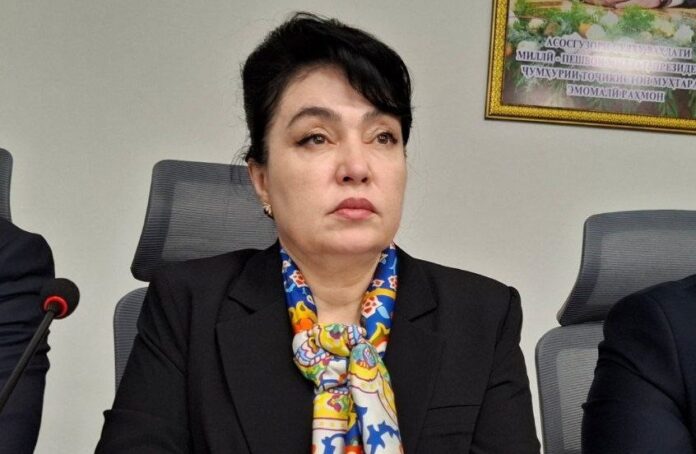
In 2025, more than 600 Tajik students were expelled from universities in Russia. This was announced by Ms. Lutfiya Abdulkholiqzoda, the Deputy Minister of Education and Science of Tajikistan, during a news conference in Dushanbe on January 30.

Abdulkholiqzoda explained that the expelled students had been transferred to higher educational institutions in Tajikistan to continue their studies. She also added that, through cooperation with Russian authorities, a solution was found for students who had been denied entry to Russia over the past two years due to tightening migration policies. This issue was discussed during a meeting of the Tajik-Russian intergovernmental commission in Moscow, where representatives from all relevant departments participated.

"Following the meeting, detailed information was provided about the students who had been deported from Russian airports and subsequently expelled from universities. As a result, 730 students who were expelled over the past two years have now received invitations to continue their studies at Russian universities," Abdulkholiqzoda said.

However, she noted that many students did not wish to return to Russia and chose to continue their education in Tajikistan.


Problems with entering Russia

In previous years, students from Tajikistan faced no difficulties entering Russia, but the situation changed in 2024.

Earlier, Asia-Plus was contacted by Muhammadjon Boyev, a student at a Russian university, who reported that he had been banned from staying in Russia. He also claimed that he had been beaten and mistreated during his deportation. He sent a letter describing his ordeal.

At the time, Muhammadjon was a second-year student at the Michurinsk State Agrarian University, where he enrolled in 2023. He stated that he had contacted the Ministry of Education and Science of Tajikistan but was referred to the "Center for International Programs" because he had been admitted to the university through the presidential Durakhshandagon scholarship program.

Asia-Plus then reached out to the Center for International Programs at the Ministry of Education of Tajikistan regarding the student's case. The Center responded that they could not provide any information on his case but noted that 5-6 other students had contacted them with similar issues.

Ramazon Safarzoda, the Director of the Center, mentioned that students frequently complain about being deported without cause, with Russian authorities citing alleged legal violations as the reason for their actions.

Minister of Education and Science of Tajikistan, Rahim Saidzoda, informed the press on January 30 that over 6,000 Tajik students are currently studying in Russia. He also highlighted that 551 students from Tajikistan are enrolled in Russian universities under the presidential scholarship program Durakhshandagon.

Tajikistan’s Ministry of Energy names major electricity debtors

0

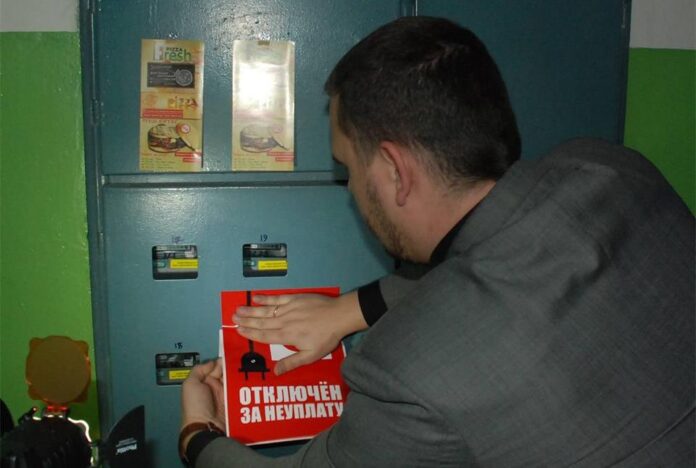
As of early 2026, the total outstanding debt for electricity in Tajikistan, including arrears from previous years, has reached 3.63 billion somonis (approximately $390 million), according to the Ministry of Energy and Water Resources (MoEWR).

Nearly one-third (32%) of this total debt is attributed to unpaid electricity bills from residential customers, amounting to 1.16 billion somonis. The Ministry has also identified key debtors, including the Tajik Aluminum Company (TALCO), agricultural enterprises, and the Agency for Irrigation and Reclamation.


Major electricity debtors in Tajikistan as of January 1, 2026

(with account of previous years' debt)

Total debt: 3 billion 634.8 million somonis (approximately $390 million)

·         Residential customers: 1,161.7 million somonis

·         TALCO (Tajik Aluminum Company): 823.8 million somonis

·         Agriculture: 246.1 million somonis

·         Irrigation Agency: 279.7 million somonis

·         Other consumers: 1,123.6 million somonis


However, the Ministry reported that the collection of payments from residential customers for electricity in 2025 was fully achieved, with a 100% payment rate. Industrial and commercial sector consumers (excluding TALCO) reportedly paid 98% of their electricity bills last year.

Overall, the Ministry noted that the total collection of funds from the domestic market in 2025 reached 92.6%, with 6.5 billion somonis collected—an increase of 33% (1.6 billion somoni) compared to 2024.

Meanwhile, electricity losses in 2025 amounted to around 4 billion kilowatt-hours (15%), which is a reduction of 482 million kWh (3.6 percentage points) compared to the previous year.

"Thanks to the implementation of practical measures, losses in the generation (0.37%) and transmission (3.1%) sectors are in line with international standards. However, the loss rate in distribution networks, which remains at 15.6%, still requires close attention," the Ministry stated.

According to the Ministry, the total electricity production in Tajikistan in 2025 was approximately 24 billion kWh, which is nearly 1.6 billion kWh (6.5%) more than in 2024.


Reducing 'ghost consumers'

In the summer of 2025, Tajikistan's state-owned OJSC Electricity Distribution Networks, responsible for supplying and selling electricity to end consumers, reported a gradual decrease in the volume of household debt for electricity since 2021.

As of July 1, 2025, the debt from household consumers reportedly stood at about 1.7 billion somonis, which is 40.3 million somonis lower compared to the beginning of the year. By the start of 2026, as mentioned earlier, the debt from households had dropped to nearly 1.2 billion somonis.

In his address to a meeting of both chambers of the parliament on December 16, 2025, President Emomali Rahmon stated that the situation regarding electricity provision to the population would improve thanks to the introduction of modern billing and payment technologies.

"Before the implementation of modern metering and payment systems, 30-40% of the population did not pay for the electricity they consumed, according to Barqi Tojik. However, with the new billing system, 100% of the population will be accounted for as fully paying for their electricity costs," Rahmon noted.

He also emphasized that there were cases where payments were "fully collected from the population but were then misused, and artificial debts were imposed on the population, creating enormous arrears."


'Ghost consumers' discovered after restructuring

Two years ago, following the restructuring of the energy holding company Barqi Tojik, OJSC Electricity Distribution Networks reportedly discovered non-existent electricity consumers on the domestic market. These so-called "ghost consumers" had created difficulties for the proper functioning of the billing system.

According to the new company, electricity was previously recorded as consumed by non-existent households, which led to discrepancies and problems with accurate billing. In the past, large volumes of electricity were counted as used by household consumers, even though this was not the case.

It was noted that "in order to reduce electricity loss figures, non-existent consumers had been introduced into the program, which continues to create difficulties for the system's proper functioning today."

Another clash on the Tajik-Afghan border: three Afghan smugglers

0
photo_2026-01-30_13-48-55

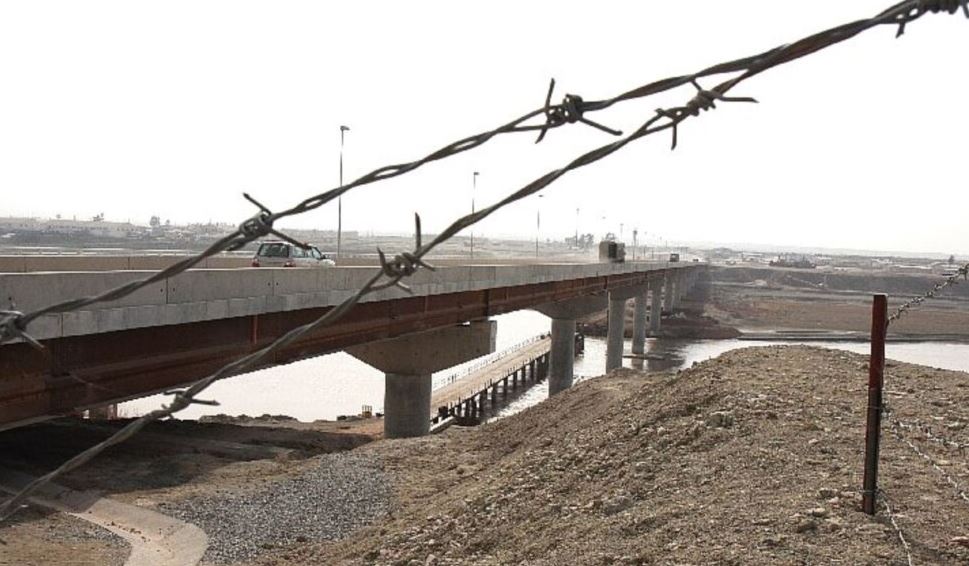
Another armed clash took place on the Tajik-Afghan border on January 29, as the Main Border Guard Directorate of the State Committee for national Security (SCNS) of Tajikistan reported an encounter with Afghan smugglers, according to the state-run news agency Khovar.

The incident reportedly occurred around 7:30 PM near the Bakhorak border post of SCNS’s military unit 0341. Five Afghan smugglers illegally crossed the border and entered Tajikistan from Afghanistan.

Following operational investigative measures, Tajik border guards identified the criminals' movement route in the area. When ordered to stop, the smugglers opened fire and attempted to retreat back into Afghanistan. The border guards returned fire, and as a result, three Afghan smugglers were killed at the scene.

The killed individuals were identified as Jaweed waladi Davlatmand and Rashid waladi Davlatmand, residents of Qariya Voricha, and Sabir waladi Zahir, a resident of Qariya Andjir, in the Chah Ab district of Takhar province, Afghanistan. Two smugglers managed to escape into Afghanistan under the cover of darkness.

At the scene, border guards reportedly confiscated three Kalashnikov assault rifles with four magazines, 150 rounds of ammunition, 73 packages of narcotic drugs (hashish and opium) in four bags, and a boat.

The SCNS confirmed that the situation on the border is under control, and a criminal case has been initiated, with charges including the illegal trafficking of narcotics, smuggling, illegal border crossing, and the unlawful possession of firearms.

This incident is not the first armed clash on the Tajik-Afghan border. Previously, there have been multiple attempts to illegally cross the border from Afghanistan. Notably, on November 26 and 30, 2025, two attacks from Afghanistan targeted border areas in Tajikistan, resulting in the deaths of five Chinese nationals, with another five injured. These attacks were carried out on the Shohin-SM mining company base in the Shamsiddin-Shohin district of Khatlon province and on a road construction company in the Darvoz district of the Gorno Badakhshan Autonomous Region (GBAO).

Tajikistan strongly condemned these attacks, demanding that the Taliban government ensure security along the joint border and apprehend those responsible for the crimes. The Taliban's Ministry of Foreign Affairs stated that the attacks were carried out by groups seeking to "create instability and mistrust between the countries of the region."

On the night of December 23-24, Tajik border guards foiled an infiltration attempt from Afghanistan into the Shamsiddin-Shohin district, which resulted in the deaths of three militants and two Tajikistani border guards.

Tajikistani authorities criticized the Taliban for not fulfilling their international obligations to stop cross-border attacks. They urged the Taliban leadership to apologize to the people of Tajikistan and take meaningful steps to ensure the security of the shared border

According to Afghan media outlet Hasht-e Subh, the militants killed by Tajik border guards were members of the terrorist group Jamaat Ansarullah.

On January 18 of this year, militants infiltrated Tajikistan from the Darbandak village in Afghanistan’s Badakhshan province, crossing into the jurisdiction of the "Yol" border post in the Shamsiddin-Shokhin district. The terrorists ignored orders to surrender and fought back with weapons. All four militants were killed during the confrontation. There were no reported casualties among the Tajik border guards.

At the scene, authorities seized three Kalashnikov assault rifles, one "Kruz" rifle, six magazines, 183 rounds of ammunition, three mobile phones, a radio, and a boat.