Home Blog Page 70

FAO to support sustainable apricot production in Tajikistan

0

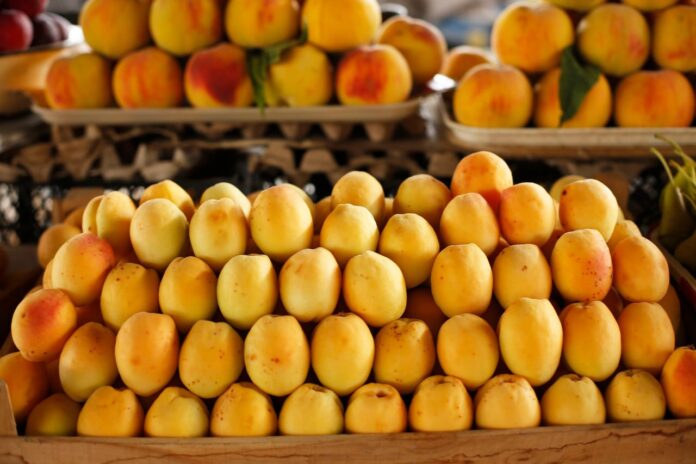
With the support of the Food and Agriculture Organization of the United Nations (FAO), Tajikistan has begun implementing measures to ensure the sustainable development of its apricot production sector. The initiative is being carried out under FAO’s “One Country – One Priority Product” (OCOP) program, FAO Tajikistan’s communications service told Asia-Plus.

FAO notes that around 10% of the world’s apricot orchards are located in Tajikistan. Despite this strong potential, the sector faces serious challenges, including outdated production technologies and increasing climate-related risks.

To address these issues, FAO has decided to support the sustainable development of the country’s apricot sector within the framework of the OCOP initiative.

A series of national training programs will be launched in February as part of the project. The courses will be delivered both online and in person and will focus on building the capacity of stakeholders across the entire value chain — from farmers to processors and exporters. The programs are being implemented by FAO in partnership with the public organization Nexigol Mushovir.

The training sessions will continue until the end of March.

The training activities aim to promote climate-resilient and innovative apricot cultivation practices. Special attention will be given to modern agricultural technologies, efficient resource use, post-harvest handling, and improved national-level coordination. These measures are expected to increase yields while reducing environmental pressure.

Beyond training, the OCOP initiative supports the sector’s long-term development. A national task force is being established, a value chain analysis is underway, and sector modernization strategies are being developed.

The program involves representatives of relevant ministries and government agencies, farmers, research and civil society organizations, cooperatives, processing companies, exporters, and industry associations.

Tajikistan ranks among the world’s leading producers and exporters of apricots. However, the sector continues to face challenges such as limited access to finance, outdated production methods, weak market integration, and climate risks.

Under the OCOP initiative, Tajikistan is strengthening the entire value chain — from production and storage to processing and exports. This approach is expected to increase farmers’ incomes, reduce post-harvest losses, enhance climate resilience, and improve the country’s position in global agricultural markets.

“The success of the apricot sector depends on effective national coordination, informed decision-making, and the application of sustainable practices in line with international standards,” said Aghasi Harutyunyan, FAO Representative in Tajikistan. “Through the OCOP initiative, FAO is helping Tajikistan build a sustainable apricot value chain that benefits farmers, local communities, and the national economy.”

FAO’s One Country – One Priority Product initiative supports countries in selecting and systematically developing a single priority agricultural product. Tajikistan has chosen apricots due to their strong economic importance, cultural value, and significant potential for processing and market expansion.
Religious organizations in Tajikistan donate more than 11.2 million somoni to charity

0

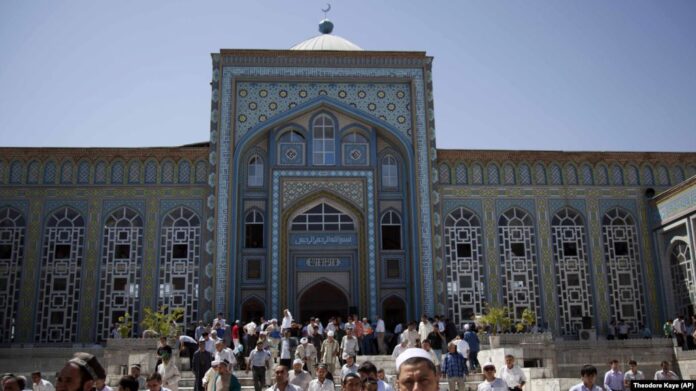
In 2025, religious organizations in Tajikistan provided more than 11.22 million somoni in charitable assistance, according to a press release from the Committee for Religious Affairs and the Regulation of Traditions and Ceremonies.

The funds were reportedly used to support orphans, people with disabilities, low-income families, and residents affected by natural disasters in the Rasht and Tojikobod districts. The Committee reported that over 11 million somoni were allocated for material and financial assistance to orphans, people with disabilities, individuals without guardians, and disadvantaged families. However, the statement does not specify which religious organizations contributed or the amounts provided by each.

Currently, 4,058 religious organizations are officially registered in Tajikistan.

Separately, the Committee noted that in 2025 religious organizations provided 220,000 somoni in assistance to victims of natural disasters in the Rasht and Tojikobod districts. The aid included construction materials and basic necessities.

An earthquake that struck the region on April 13, 2025, claimed one life and injured 16 others. As a result of the disaster, 67 residential houses were completely destroyed, 280 were partially damaged, and 321 sustained minor damage. In addition, 146 infrastructure facilities — including schools, medical centers, power lines, roads, and water supply systems — were affected, and 57 head of livestock were lost.

According to the Emergencies Committee, total damage exceeded 17.78 million somoni (approximately USD 1.66 million), with 1,331 families affected.

In November 2025, the authorities announced that the construction and handover of all damaged homes to their owners had been completed.

At the same time, the charitable activities of religious organizations have sparked mixed reactions in society. While some citizens welcome such assistance, others criticize the practice of collecting donations in mosques, pointing to a lack of transparency in how the funds are distributed.

Dushanbe–Chanak highway temporarily closed due to avalanches

0
photo_2026-02-03_09-00-15

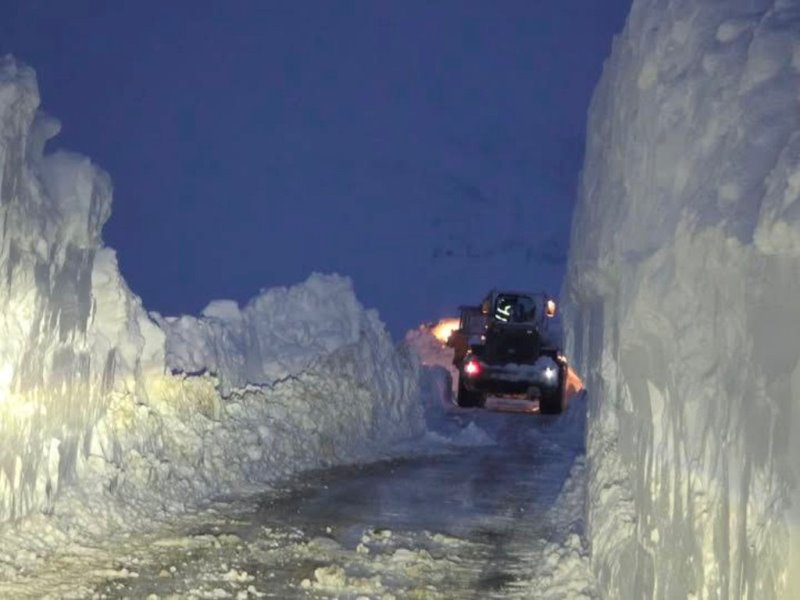
The Dushanbe–Chanak highway, connecting Dushanbe to Uzbekistan, has been temporarily closed following a series of snow avalanches in Varzob district, the local branch of Innovative Road Solutions (IRS) LTD, a British Virgin Islands-registered company, which has operated the toll on this 354-kilometer highway since April1, 2010, reported.

According to the company, nine avalanches descended onto the roadway, posing a serious threat to traffic safety. Road maintenance crews began clearing the affected sections immediately after the incident.

Cleanup operations are currently underway. If weather conditions remain favorable, traffic is expected to resume within two to three hours.

“Drivers are asked to plan their trips taking this information into account,” the company said in a statement.

Meanwhile, meteorologists are warning of unstable weather conditions. February 2026 in Tajikistan is expected to be warmer than average, with temperatures in most regions exceeding the climatic norm by 1–2 degrees.

An official source within the national Agency for Hydrometeorology (Hydromet) told Asia-Plus that precipitation levels are forecast to be near or above normal. Strong winds and fog are possible in some areas.

In the Sughd province, average monthly air temperatures are expected to remain within the climatic norm, locally about 1 degree higher. Temperatures in lowland areas will range from 2°C to 4°C, while mountainous areas will see temperatures between −3 and −5°C.

Throughout the month, temperatures will fluctuate. In lowland areas, nighttime temperatures will range from −3°C — –2°C to 1°C–6°C, with daytime temperatures between 2°C –7°C and 8°C –13°C. In mountainous regions, nighttime temperatures are expected to range from −4°C –1°C to −5°C –10°C, while daytime temperatures will vary from −3°C –2°C to +3°C – +8°C.


Giving children “compound” names is not prohibited in Tajikistan — Language Committee

0
photo_2026-02-02_18-45-48

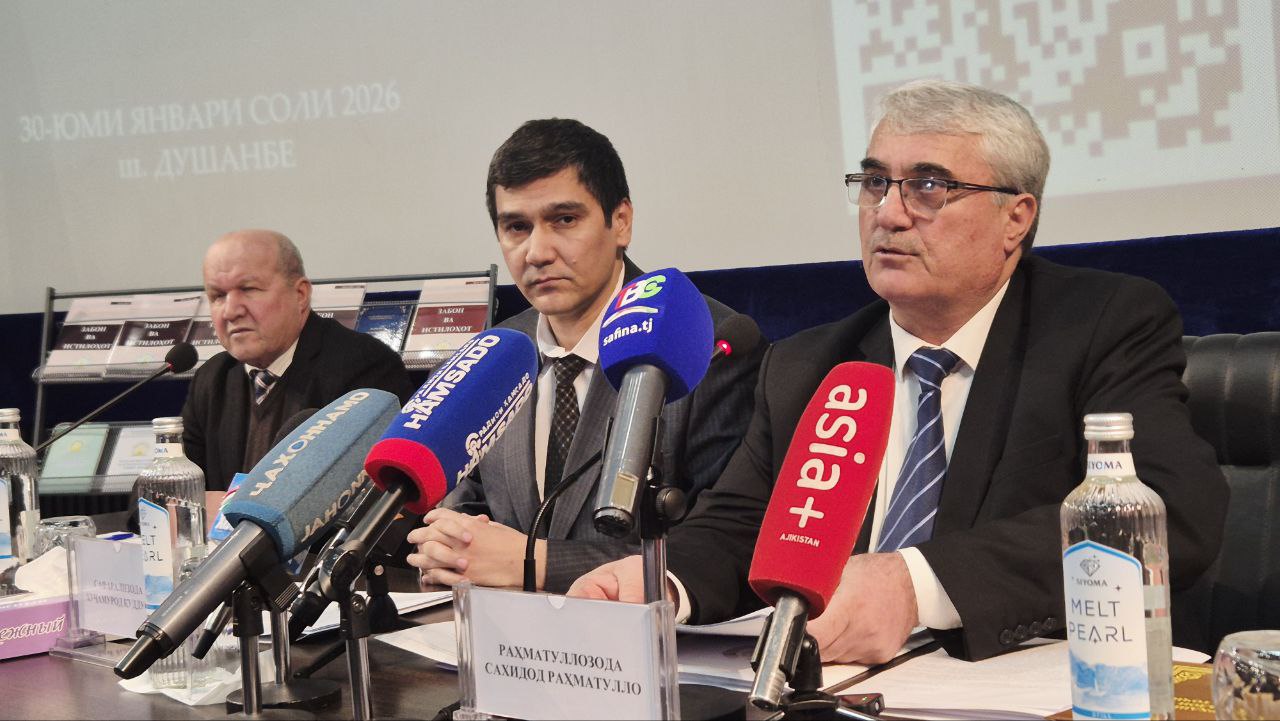
Giving children so-called “two-root” or “three-root” names is not prohibited in Tajikistan, Chairman of the Committee on Language and Terminology Sakhidod Rahmatullozoda told reporters in Dushanbe on January 30.

According to him, restrictions apply only to names that are considered inappropriate in sound, do not comply with the norms of the Tajik language, contradict national values, or promote the cultural values of other nations.

Rahmatullozoda noted that the issue of selecting Tajik names had been discussed at six meetings involving 35 linguists and academic experts.

Commenting on complaints from citizens about civil registry offices (ZAGS) refusing to register certain names, he stressed that “no one has denied the possibility of assigning two- or three-root names.”

To support his statement, the Committee chairman cited examples from the Dictionary of Tajik Names. In particular, 97 names are formed using the word “gul”, which is used only in combination with other words. The dictionary also includes 34 female names based on the word “dil.”

According to Rahmatullozoda, the dictionary lists 15 names containing “orio”, 19 with “pok”, 22 with “ozar”, 16 with “beh”, 40 with “moh”, 31 with “mah”, and 27 names with “mehr.” The choice of such names, he emphasized, is free.

At the same time, Rahmatullozoda reiterated that the Committee would take a strict stance against the promotion of non-Tajik names.

“Naming a child is a vital issue. We want our people to travel the world with national names, to have passports with our own names, and to live with them. Why should we be proud of other nations’ names? We must be proud of our national names,” he said.


Why certain words are removed from surnames

Responding to journalists’ questions about why words such as “sang,” “tabar,” “tesha,” and “khor” are being removed from inherited surnames, the Committee chairman explained that this practice is provided by the Law on the State Language, while the procedure is regulated by the Law on State Registration of Civil Status Acts.

He emphasized that every child has a constitutional right to a harmonious and appropriate name.

“There were cases when many children in a family were born and died, and in order for the next child to survive, they were given names like Sang or Khor. My own surname used to be Khorkashev, and my grandfather’s name was Khor. But why should a newborn suffer, having his constitutional right violated by being given an inappropriate and unpleasant-sounding name?” Rahmatullozoda said.

The issue of naming children has been widely debated in recent years, particularly after the introduction of state regulation in this area.

Residents claim that, despite the Tajik origin and conformity of their proposed names with national values, civil registry offices often refuse to register them, citing their compound structure.

The Committee chairman rejected these claims, though no clear criteria were presented for determining the acceptability of names consisting of two or more roots. Citizens are advised to consult the Dictionary of Tajik Names.


EDB reports sharp increase in remittances to Tajikistan

0

Tajikistan’s economy grew by 8.4% in 2025, driven by strong industrial development and rising domestic demand, according to a macroeconomic review by the Eurasian Development Bank (EDB).

EDB analysts report that industrial output increased by 22.1% over the past year. The largest contribution came from the mining sector, where production rose by 36.2%. Significant growth was also recorded in manufacturing, up 10.5%, and in the energy sector, which expanded by 13%.

Domestic demand played a key role in supporting economic growth, the bank notes. This is reflected in a 14.4% increase in retail sales and a 23% rise in investment.

The growth in domestic demand is directly linked to rising household incomes. Real wages increased by 15.6% year-on-year in January–November 2025 compared to the same period in 2024.

The review also highlights a substantial increase in remittances sent by labor migrants. In U.S. dollar terms, remittance inflows rose by 50% in January–September 2025.

According to EDB forecasts, Tajikistan’s strong GDP growth momentum is expected to continue in 2026, with economic growth projected at 8.1%.

Following a slowdown during the pandemic in 2020, when economic growth fell to 4.5%, Tajikistan has recorded consistently high growth rates over the past five years, according to official data.


Economic growth of Tajikistan (2020–2025)

Year

                                Economic Growth (%)

2020

                                            4.5

2021

                                            9.2

2022

                                            8.0

2023

                                            8.3

2024

                                            8.4

2025

                                            8.4

Source: Agency for Statistics under the President of Tajikistan


Remittances and their role in the economy

Tajikistan remains one of the world’s most remittance-dependent countries. According to the World Bank, remittance inflows to the country totaled USD 5.8 billion in 2024.

These transfers accounted for 45.4% of Tajikistan’s GDP last year — the highest ratio globally. Data for 2025 have not yet been released.

Remittances play a crucial role in the country’s economy by:

·         supporting domestic demand through household consumption;

·         financing a significant share of the trade balance deficit via foreign currency inflows;

·         generating tax revenues through remittance service providers and sellers of goods and services.

At the same time, since 2013, the Tajik authorities have declined to provide the media with official data on individual remittances, despite the fact that such information is not classified under national legislation.

Man detained in Dushanbe over illegal migration scheme to the United Kingdom

0
11-16

A 30-year-old resident of Dushanbe has been detained on suspicion of organizing illegal labor migration to the United Kingdom, Tajikistan’s Ministry of Internal Affairs reported.

According to law enforcement authorities, the suspect acted without authorization from the Migration Service, presenting himself as an intermediary and promising citizens assistance with obtaining visas and employment in the UK.

The Interior Ministry said that in May 2023, in Dushanbe’s Shohmansour district, the suspect received 22,000 somoni from a 48-year-old resident of Hisor for his alleged services. However, he failed to fulfill his obligations and spent the money on personal needs.

Using a similar scheme, the suspect also deceived two residents of the Roudaki district, aged 40 and 47, authorities said. Each of them paid 22,000 somoni after being promised a UK visa and job placement, but the promises were never fulfilled.

Criminal proceedings have been launched against the suspect under Part 2 (Supplement 2) of Article 335 of Tajikistan’s Criminal Code, which covers the illegal organization of migration. The investigation is ongoing.

Previously, authorities in Tajikistan dismantled the operations of a company offering employment opportunities in the UK. At least 69 citizens were affected, with total damages estimated at nearly 2 million somoni.

The British and German embassies in Dushanbe have repeatedly warned citizens not to trust unofficial job offers in European countries and to avoid using intermediaries when applying for visas.


CSTO to supply advanced weapons to Tajik border troops amid rising clashes

0
CSTO

Amid a growing number of armed incidents along the Tajik-Afghan border, the Russia-led Collective Security Treaty Organization (CSTO) has announced plans to supply Tajikistan’s border forces with advanced weapons and equipment, Eurasianet reported on January 30.

The decision follows a deadly clash on January 29 in Tajikistan’s Khatlon Province, where border guards engaged in a firefight with suspected drug traffickers. According to Tajik authorities, three alleged traffickers were killed, while others reportedly fled back into Afghanistan. No casualties among Tajik security personnel were reported. Officials said weapons, ammunition, and 73 packages of narcotics, including hashish and opium, were seized at the scene.

Armed confrontations along the border have increased in recent months. Some of the most serious incidents occurred in November, when attacks reportedly carried out by Islamic militants targeted Chinese workers, killing five people. Following those attacks, China temporarily suspended participation in infrastructure and mining projects in border areas, citing security concerns.

On January 29, the Interfax news agency reported, citing CSTO Secretary General Taalatbek Masadykov, that the organization is preparing to deliver weapons and technical equipment aimed at strengthening Tajikistan’s border security and improving its ability to counter militant and drug-trafficking threats originating from Afghanistan.

According to Masadykov, CSTO member states are currently coordinating lists of weapons, military hardware, and technical border-protection systems to be supplied. “Suppliers are being identified, and contracts are in the process of being finalized,” Interfax quoted him as saying.

No timeline for the delivery of the equipment has been announced.

The CSTO includes Russia, Belarus, Kazakhstan, Kyrgyzstan, and Tajikistan. Armenia remains a formal member but has suspended its active participation in the organization.

International seminar on Islamic finance with Turkish experts opens in Dushanbe

0

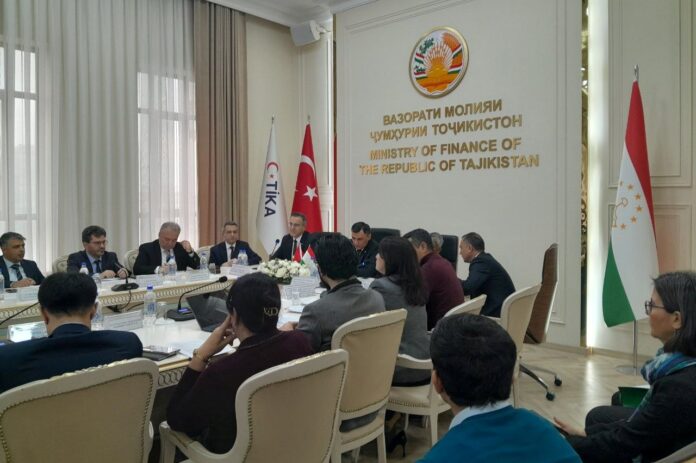
An international seminar on Islamic finance and capital markets featuring experts from Turkey opened in Dushanbe on February 2. The event, titled “Tajikistan–Turkiye Cooperation: Islamic Finance and Capital Markets of the Future,” is being held in the format of a five-day training seminar.

The seminar is organized by the Ministry of Finance of Tajikistan in cooperation with the Turkish Cooperation and Coordination Agency (TİKA), with coordination by the Securities and Special Registration Agency under the Ministry of Finance.

According to the organizers, the seminar reflects the systematic efforts of the Ministry of Finance and relevant agencies to implement presidential directives aimed at developing the capital market, attracting investment, and introducing modern financial instruments.

In his welcoming remarks, Deputy Finance Minister Sarvar Qurboniyon emphasized that the development of the capital market and the introduction of Islamic financial instruments create new opportunities for sustainable economic growth and long-term investment attraction.

Turkish Ambassador to Tajikistan Umut Acar expressed Turkey’s readiness to share its successful experience in Islamic finance and to strengthen partnership with Tajikistan in this field.

UN Resident Coordinator in Tajikistan, Mrs. Kavilmadam Ramaswami Parvathy, noted that financing for sustainable development in the country is being supported through the mobilization of green capital, the issuance of Islamic bonds (sukuk), and cooperation with the United Nations in implementing the Sustainable Development Goals.

TİKA Program Coordinator in Tajikistan Ibrahim Ethem Unal described the seminar as an important step toward strengthening bilateral cooperation and building a professional foundation for the introduction of sustainable financial instruments.

Meanwhile, Ms. Nigina Abdurahmonzoda, Director of the Securities and Special Registration Agency at the Ministry of Finance, said the seminar marks a new stage in the institutional development of Tajikistan’s capital market and is aimed at enhancing the professional skills of financial sector specialists. She stressed that Islamic financial instruments could become an important source of long-term financing for the national economy.

Around 50 representatives from government agencies, the National Bank of Tajikistan, the banking and insurance sectors, securities market participants, joint-stock companies, and business associations are taking part in the seminar.

The training will run until February 6, 2026, covering the fundamentals of Islamic economics and finance, Islamic banking and insurance (takaful), capital markets, Islamic financial instruments including sukuk, as well as legal and institutional frameworks for capital market development. Lectures are delivered by leading experts from Turkiye.

The event is expected to lay a solid foundation for the further development of Islamic finance and the capital market in Tajikistan and to contribute to stronger bilateral cooperation between Tajikistan and Turkiye.

Tajikistan to adopt new law on export support

0

Tajikistan is drafting a new Law on Export Support, aimed at helping domestic producers promote their goods and services abroad, Bahriddin Sirojiddinzoda, Director of the Export Agency under the Government of Tajikistan, told reporters in Dushanbe on January 30.

According to him, the main objective of the proposed law is to establish a legal framework for state support of exports of Tajik goods, works, and services. The legislation is also intended to enhance the competitiveness of Tajik products in international markets and strengthen the country’s position in the global economy.

The adoption of the law is expected to improve the investment climate and stimulate the development of export-oriented sectors. Authorities believe this will help Tajikistan position itself as a reliable partner in international trade.

Key priorities outlined in the draft include developing new export markets, improving transport and logistics infrastructure, and reinforcing Tajikistan’s presence in traditional markets.

Sirojiddinzoda also recalled that last year the government approved the State Export Development Program for 2026–2030, which is designed to significantly improve conditions for export growth and diversification.

“These initiatives will open up new opportunities for domestic producers in global markets,” he added.

More than 1,200 people fined last year for violating the law on traditions and rituals

0
svadba

In 2025, courts in Tajikistan fined 1,268 citizens, including three public officials, for violating the law on regulating traditions, celebrations, and rituals.  The total amount of fines imposed reached nearly 11 million somoni, of which about 7 million somoni has already been collected, according to the Committee for Religious Affairs and Regulation of Traditions, Celebrations and Rituals (Committee).

All penalties were issued under Article 481 of Tajikistan’s Code of Administrative Offenses. In total, courts reviewed 1,297 administrative cases during the year (compared to 1,435 cases in 2024), while 29 cases were dismissed.

Deputy Chairman of the Committee Farukhullo Olimzoda told a press conference that three public officials were among those fined, but did not disclose their positions or the amounts of the penalties. Under certain provisions of Article 481, fines for officials range from 780 to 117,000 somoni.


Most applications for religious review rejected

The Committee also reported the results of state religious expertise conducted in 2025. Of 1,116 applications submitted for the review of religious materials, 708 received negative conclusions, while 408 were approved.

Materials submitted for analysis included:

·         3,866 titles of religious literature;

·         4,313 pages from user internet resources;

·         1,038 video recordings;

·         71 mobile phones;

·         12 flash drives;

·         1 laptop.

According to the Committee, negative conclusions were issued for materials found to contain signs of extremism.

For comparison, in 2024, out of 550 applications, 292 were rejected and 258 approved.

Under Article 22 of the Law on Freedom of Conscience and Religious Associations, religious literature imported into Tajikistan must undergo mandatory state religious review. However, authorities note that not all sellers comply with this requirement.

The procedure for conducting such reviews is defined by a government resolution. Previously, a list of banned religious literature was published on the Committee’s website, but it is currently not publicly available, despite an increase in prohibited materials. This lack of transparency, officials note, creates additional difficulties for citizens seeking to purchase or distribute religious literature.