Home Blog Page 75

Construction of Qala-i-Khumb – Vanj road nearing completion

0

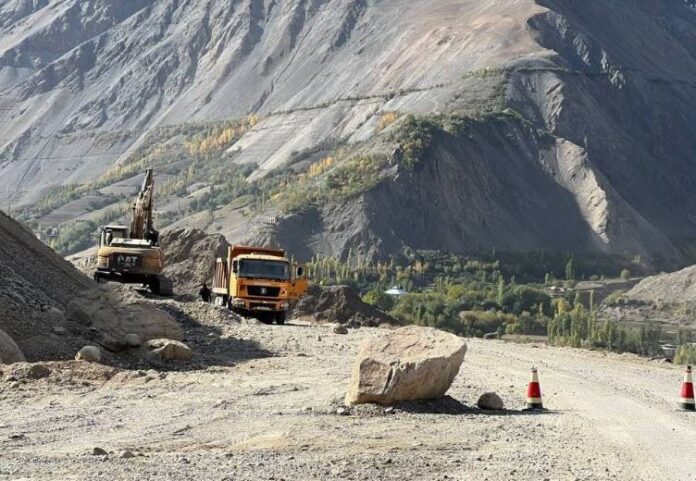
The construction of the road connecting Qala-i-Khumb, the administrative center of Darvoz districts in the Gorno-Badakhshan Region (GBAO) to GBAO’s Vanj district, which is a section of the Dushanbe-Khorog-Kulma (China border) highway is progressing with local workers handling most of the tasks, said Tajikistan's Minister of Transport, Azim Ibrohim, during a news conference in Dushanbe on January 28.

He noted that the main works on this section are completed, and only finishing tasks such as concrete pouring, as well as the installation of ventilation and signaling systems inside the tunnels, remain. Local builders are responsible for these tasks.

"We only need Chinese consultants for this, while the physical work is being done by local workers," said Ibrohim, although he did not specify when Chinese workers from China Road and Bridge Corporation, the project's contractor, would return to the site.

The minister emphasized that work continues and assured that the project would be completed within the timeframe agreed upon in the contract.


Security incident delays progress

On November 30, 2025, in the village of Shodak (Shodaki) in GBAO’s Darvoz district, Afghan border violators carried out an armed attack on employees of the Chinese company involved in the construction of the Qala-i-Khumb-Vanj section of the road. The attack resulted in the deaths of two Chinese nationals and injuries to two others. Following the incident, Chinese staff left the project site at the request of the Chinese Embassy in Dushanbe and have yet to return.

According to the Ministry of Transport, the qala-i-Khumb-Vanj section, which crosses the mountainous Darvoz district, is one of the most challenging stretches of road in the country. It had not been repaired for many years.


Expected benefits of the road upgrade

Once the reconstruction and modernization of this road section is complete, including the construction of two tunnels totaling 5.2 kilometers in length, the travel distance will be reduced by 16.7 kilometers. The overall length of the section will decrease from 109 km to 92.3 km, with 53 km passing through the Darvoz region and 39.3 km through Vanj.

The Ministry of Transport emphasized that the primary goal of the project is to improve safety, ensure smooth transportation year-round, and bring the road up to international standards.

Tajikistan reports average housing prices and construction growth in 2025

0
8

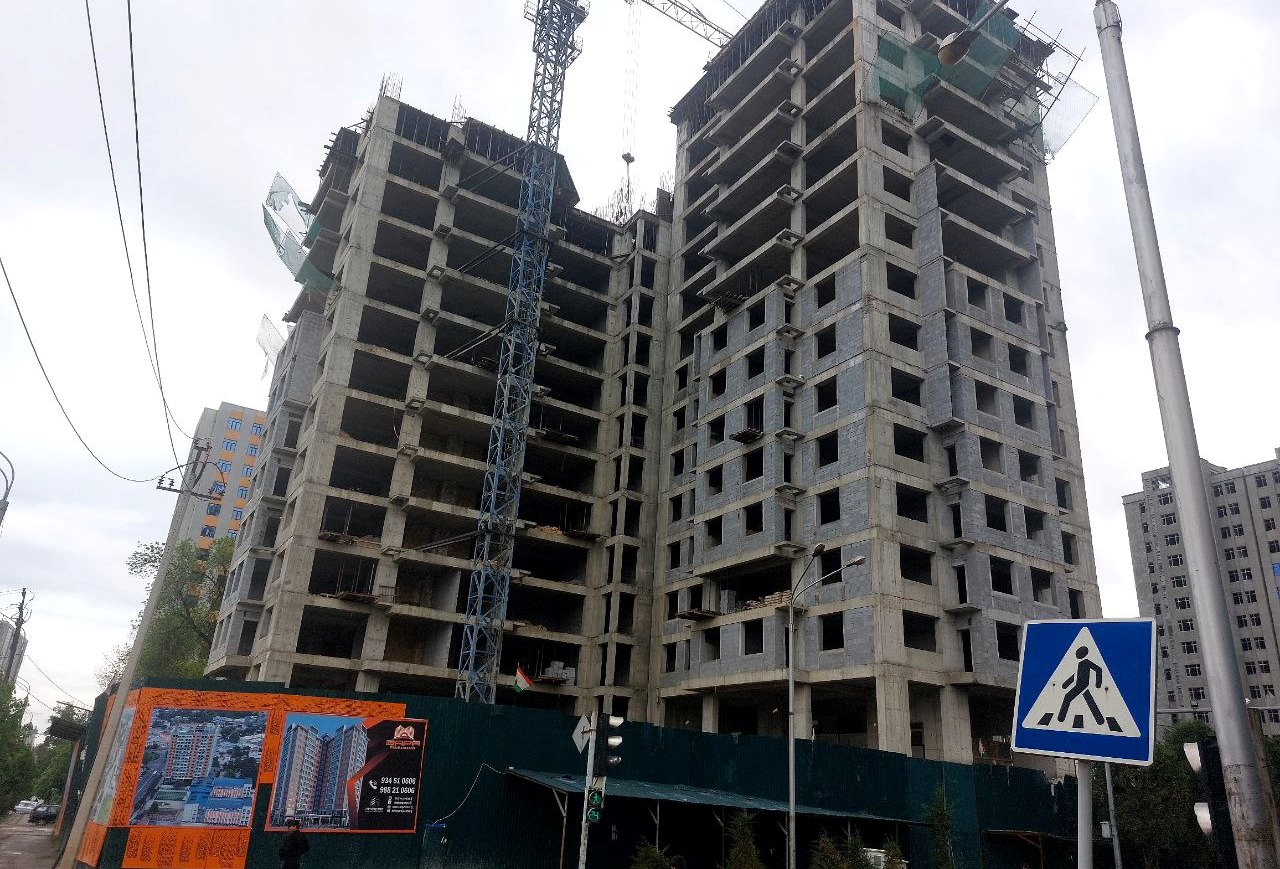
The average cost of one square meter of housing in Dushanbe is 8,207 somonis (approximately $877), Nizom Mirzozoda, Chairman of the Committee for Architecture and Construction of Tajikistan, told reporters in Dushanbe on January 29. Mirzozoda also noted that Tajikistan has the lowest housing prices among former Soviet republics.

Across the country, the average price per square meter reportedly exceeds 5,000 somonis. Specifically, the cost per square meter in various cities is as follows:

·         In Khujand — 5,350 somonis;

·         In Hisor — 4,650 somonis;

·         In Kulob — 4,000 somonis;

·         In Vahdat — 5,000 somonis;

·         In Tursunzoda — 4,500 somonis;

·         In Bokhtar — 4,000 somonis.

In February 2025, Mirzozoda had stated that the average cost of one square meter in Dushanbe was $780.


Housing construction in Tajikistan in 2025

During 2025 an overall space of 2.13 million square meters in residential buildings was reportedly made available in the country, which is 22.3 percent more than in 2024.

Mirzozoda reported that investments in fixed capital reached 28.7 billion somonis, reflecting a 23% growth in real terms.

In addition to residential buildings, the country saw the completion of new infrastructure, including:

·         50,805 student places in new general education schools, nearly 1.9 times more than in 2024;

·         1,038 new healthcare facilities with a capacity for one shift, a threefold increase;

·         8,385 new preschool places, 3.1 times more than in the previous year.


Plans for Tajikistan’s 35th Independence Anniversary

In preparation for Tajikistan's 35th anniversary of independence, a total of 30,869 facilities were planned for construction by January 1, 2026. To date, over 28,000 of these facilities (90.7%) have been completed, while construction continues on an additional 2,500 sites (8.1%).


Dust storms in Tajikistan reach record numbers in 2025

0

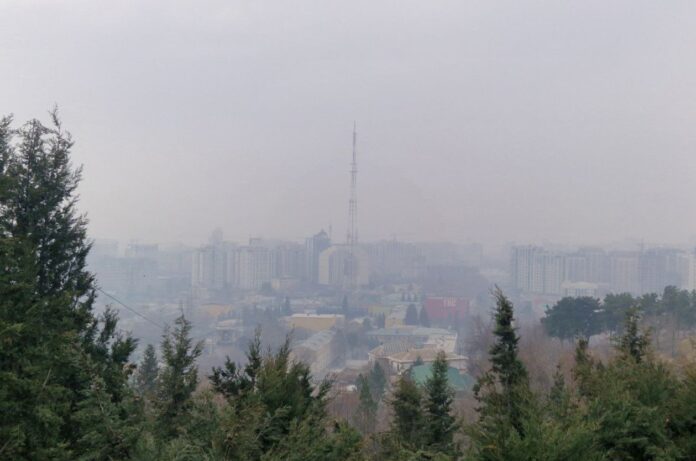
In a report released at a news conference in Dushanbe, Bahodour Sheralizoda, Chairman of the Committee for Environmental Protection, revealed on January 29 that in 2025, Tajikistan recorded 63 dust storms, which lasted a total of 216 days. 

"Each dust storm that reaches our country lasts for several days. The sources of these storms are the deserts of North Africa and the Middle East, where dust and sand are carried by cyclones to our region," Sheralizoda explained.

Last year, the Committee for Environmental Protection reported 35 dust storms in 2024, although the number of days was not specified. According to the report "Situational Analysis: Dust and Sand Storms in Central Asia," the frequency of such storms in Tajikistan has increased more than tenfold over the past 30 years. While only 2-3 dust storms were recorded annually in the early 1990s, today more than 35 such storms are registered each year.

Dushanbe has consistently ranked among the most polluted cities in Central Asia for several years, with the situation continuing to worsen. In 2024, the annual average concentration of PM2.5 in Dushanbe was 46.3 µg/m³, which is 7-9 times higher than the World Health Organization's recommended limit.

Tajikistan ranked 6th globally for PM2.5 pollution in 2024, and Dushanbe had previously been listed among the top four most polluted capitals in the world.


Why are dust storms increasing in Central Asia?

The first reason is the sharp decline in rainfall in the region due to global climate change. This leads to droughts, which result in the loss of vegetation cover. As a result, wind easily lifts dust, sand, and salts into the atmosphere. According to the UN, 152.06 million hectares, or 38.43% of the land area in Central Asia, is experiencing drought conditions, with 1.33% under severe drought and 0.23% under extreme drought. 

The second cause is the degradation of irrigated lands, which has intensified desertification. As a result, sand and dust are easily blown into the air, even with a slight breeze, reaching mountain peaks. Today, approximately 30% of the agricultural land in the region is subject to severe degradation.

A third factor is the drying up of the Aral Sea, which has led to increased dust, sand, and salt being lifted from its bed over the past six months. Combined with the "Afghan winds" blowing from the desert regions of Afghanistan, dust storms have reached mountainous areas.

The fourth reason, according to experts from the UN Convention to Combat Desertification (UNCCD), is that while dust and sand storms (DSS) are a seasonal natural phenomenon, poor land and water resource management exacerbates the problem. This includes excessive siltation of irrigation canals and waterways caused by DSS and drifting sands, transport disruptions, and deteriorating surface water quality.

Finally, the fifth factor contributing to the frequency of DSS is the rise in construction projects across the region, particularly in major cities. Often, these projects proceed without adequate landscaping, which leads to the suspension of dust and sand particles in the air during windy conditions. Additionally, high-rise buildings trap wind, dust, and sand in urban areas, further exacerbating the pollution.

Tajikistan faces shortage of over 1,400 medical workers

0

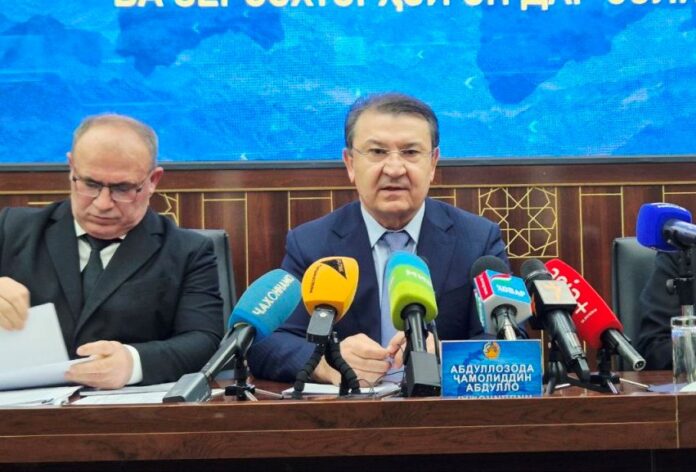
As of early 2026, Tajikistan has 22,419 doctors and 64,909 mid-level medical professionals, representing a 1.9% and 2.3% increase, respectively, compared to the previous year. However, the country is still facing a shortage of 1,432 medical specialists, Jamoliddin Abdullozoda, the Minister of Health and Social Protection, told reporters in Dushanbe on January 28.

Abdullozoda also reported that the staffing rate for doctors is 94.3%, while the mid-level medical staff rate is 99.7%, reflecting an increase of 0.8% and 0.1%, respectively, compared to the previous year.

In July 2025, Abdullozoda had revealed that the country’s healthcare sector was short of 1,600 specialists in the first half of the year. The gap has since reduced by nearly 170 specialists in the second half of 2025.

He pointed out that there is a particular shortage of family doctors, as well as specialists in addiction medicine, tuberculosis, radiology, and in some areas, gynecologists and surgeons. To address this issue, the ministry has compiled lists of district doctors who will work on a rotating basis in remote areas.

“We also suggest that districts facing shortages, for instance, in radiology, could temporarily fill these positions with surgeons or traumatologists, who would undergo additional training and then serve in the area where the need is most pressing,” said Abdullozoda.


Increase in medical students in Tajikistan

The issue of staffing shortages in Tajikistan’s healthcare system is expected to be addressed by medical university graduates. Minister Abdullozoda emphasized that if at least 50% of the medical students graduating from Tajik universities enter the workforce, the shortage problem will be resolved.

In the 2025-2026 academic year, the number of students in Tajikistan's medical universities grew significantly. The Tajik State Medical University, named after Abu Ali ibn Sino, enrolled 13,860 students, while the Khatlon State Medical University had 2,875 students, and the medical faculty at Tajik National University registered 5,759 students. Additionally, the Tajik Medical and Social Institute had 4,417 students, bringing the total number of medical students in these institutions to 26,911—an increase of 2,738 students from the previous year (24,173).

Meanwhile, Tajikistan’s medical colleges also saw a rise in enrollment, with 80,000 students in the 2025-2026 academic year, up by 7,240 from the 2024-2025 year, when 72,760 students were enrolled.

Number of migrant children in Russia decreases by nearly 25%

0

The number of migrant children in Russia has decreased by almost 25% over the past year, according to Irina Volk, the official spokesperson for Russia's Ministry of Internal Affairs (MVD). She shared this information on her Telegram channel.

"Compared to the beginning of 2025, the number of foreign minors residing in Russia has decreased by nearly 25%," Volk said.

She also emphasized that serious violations by foreign citizens regarding the legal stay of children and their right to receive basic general education could lead to a decision to recognize their presence in Russia as undesirable.

Volk reminded that starting January 28, a federal law will take effect, which provides for the exchange of information about foreign children between the MVD and educational authorities.

"This initiative is aimed at monitoring the stay of foreign minors in Russia and includes interagency cooperation based on the MVD's information resources. In the future, this data will be included in the digital profile of the foreign citizen," she added.

Starting April 1, 2025, a new law will require migrant children to pass a Russian language proficiency test and undergo verification of the legality of their stay in the country before being allowed to attend schools.

In August, Vyacheslav Volodin, the Speaker of the State Duma (Russia’s lower chamber of parliament), announced a significant reduction in the number of migrant children allowed to attend primary and secondary schools in Russia.

Later, in November, Anzor Muzayev, head of the Federal Service for Supervision in Education and Science (Rosobrnadzor), reported that only 19% of migrant children were able to enroll in Russian schools following the introduction of the new requirements.

According to data from the Human Rights Council under the President of the Russian Federation, as of June 2025, more than 785,000 foreign minors were living in Russia, but only about 192,000 of them (24.5%) were enrolled in schools.

Communications service agency discusses internet quality, 4G/5G coverage, and mobile operator penalties

0

On January 28, 2025, the Communications Service of Tajikistan held a press conference addressing key issues surrounding internet quality, pricing, 4G and 5G coverage, mobile operator penalties, and the project for connecting internet from China.


Internet speed and pricing

According to the communications service agency, fixed internet speeds in Tajikistan were increased from 30 Mbps to 40.42 Mbps in 2025. The agency confirmed that efforts to improve internet speeds would continue, with a target to reach 100 Mbps in the next two years. Internet tariffs for fixed-line providers have dropped by an average of 55%, and plans with speeds below 30 Mbps have been discontinued. The cost of mobile and fixed internet has also decreased.

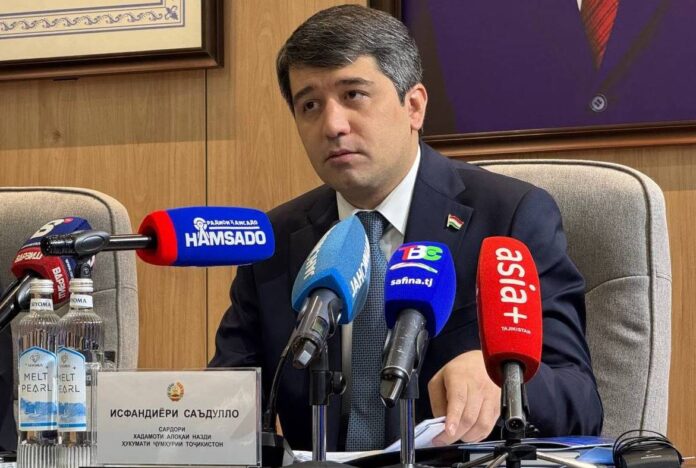
However, Isfandiyor Sa’dullo, Head of the Communications Service, stated that slow internet speeds remain a significant issue in mobile networks. He noted that "there are no serious issues with fixed-line internet, as its speed and quality meet modern requirements."


Plans for 4G and 5G coverage

The communications service agency head also revealed that by 2027, all of Tajikistan will be covered by 4G internet. The relevant instructions have already been sent to mobile operators. By 2030, Tajikistan plans to fully transition to 5G internet, with a 5G base station installation plan already approved for 2026–2030. According to this plan, base stations for the 5G standard will be installed in 65 cities and districts across the country in collaboration with mobile operators.

Currently, Tajikistan has 84 operational 5G base stations, with 77 located in Dushanbe, one in Roghun, one in Khorog, two in Bokhtar, and three in Khujand. "The performance of 5G is better than 3G and 4G, but not all mobile phones support this standard. Citizens with 5G-compatible devices are already using the service to its full extent," said Sa’dullo.


Strategy for 2040

Sa’dullo also mentioned that, under the President's instructions, the Communications Service has developed a draft "Communications Industry Development Strategy until 2040." The document is nearing completion and will soon be presented to the government. The strategy includes 16 key target indicators, such as achieving 100% broadband internet coverage, increasing the speed of fixed and mobile internet, expanding 4G and 5G coverage along highways, and improving public satisfaction with communications services.


Challenges with electricity supply

One of the reasons for the poor quality of mobile internet, according to the Communications Service, is the sharp increase in internet consumption. In the past five years, internet usage has grown tenfold—from 3 GB to 30 GB per user—leading to overloading of base stations.

Currently, there are 5.2 million users of mobile and fixed internet in the country (up from 4.5 million in 2024), with 5.1 million subscribing to mobile internet services. At present, 62% of base stations are equipped with diesel generators, and 8% are powered by solar panels. By 2026, the goal is to equip 80% of base stations with generators and 30% with solar panels.

Other issues facing the industry include outdated infrastructure and equipment, challenging geographical conditions, high loads on base stations, lack of investment, a shortage of qualified personnel, and power supply limitations. "Power supply restrictions do create difficulties, but it would be wrong to consider them the main problem. The key issue is the lack of modern infrastructure and new-generation base stations," Sa’dullo emphasized.

Tcell's Director-General, Ozodkhon Davlatshoyev, noted that one of the main challenges is the lack of a clear power outage schedule. "It is important for us to know in advance when and where the power outages will occur so that we can deliver fuel and start the generators on time. The problem is not with the fuel but with the notification system," he explained in response to journalists' questions.


Social media and oversight

During the press conference, Sa’dullo confirmed that social media in the country is under the control of the Communications Service. However, no decisions have been made regarding any restrictions on social media usage. "The technical capability for this exists, but currently, such measures are not being considered," he noted.


Internet connection from China

Regarding the project to connect internet from China, Sa’dullo stated that work has been temporarily suspended due to cold weather in the Murgab district. However, the connection line has already been extended to Khorog. They plan to resume work in March and complete the installation of the remaining 310 kilometers of fiber optic line by the end of 2026.

It is worth noting that the Communications Service had announced plans in September 2025 to connect internet from China, with plans to lay a fiber optic line with 48 fibers from Dushanbe to Khorog, and later extend it to the Chinese border.


Penalties for mobile companies

Sa’dullo revealed that in 2025, 129 administrative cases were filed against 119 individuals and legal entities for violations in the communications sector. The total amount of fines exceeded 400,000 somoni, with mobile companies being the main offenders, accounting for the majority of fines. "With the current level and quality of internet, avoiding fines is impossible," concluded Sa’dullo.
Russia’s Human Rights Commissioner calls for expanded repatriation agreements for foreign prisoners

0

Tatiana Moskalkova, Russia's Commissioner for Human Rights, has emphasized the need to intensify efforts and expand agreements with other countries regarding the repatriation of foreign nationals serving sentences in Russia.

Speaking at a meeting of the Russian Ministry of Justice’s collegium on January 26, she highlighted frequent appeals from women from Tajikistan, Uzbekistan, and Kyrgyzstan, who are seeking assistance in transferring their relatives to serve their sentences closer to home, near family and loved ones.

"Unfortunately, due to long processing times, discrepancies between national regulations and international agreements, these issues remain unresolved," Moskalkova said.

She explained that these individuals face particular challenges due to difficulties in document translation, limited knowledge of the Russian language, and problems with sending packages. Moskalkova stressed the importance of now focusing on optimizing the existing agreements, urging human rights defenders, diplomats, and legal professionals to address these concerns.

The issue of transferring convicted Central Asian citizens from Russian prisons to their home countries has been raised before. Relatives of the convicted migrants have complained about the logistical and financial difficulties involved in visiting their loved ones in distant detention facilities.

The problem became even more pressing after Russian prisons began recruiting inmates to fight in the war in Ukraine. In September 2023, a group of Tajik prisoners from a facility in Kazan reached out to the Tajik Embassy and the Prosecutor General’s Office of Tajikistan, asking to be repatriated to serve their sentences, fearing they would be sent to the front lines.

It remains unclear whether their request was addressed. Over the past three years, there has been no official information or statistics released regarding the exchange of prisoners between Russia and Tajikistan.

Nearly 1,600 Tajiks returned home in coffins via Dushanbe last year

0

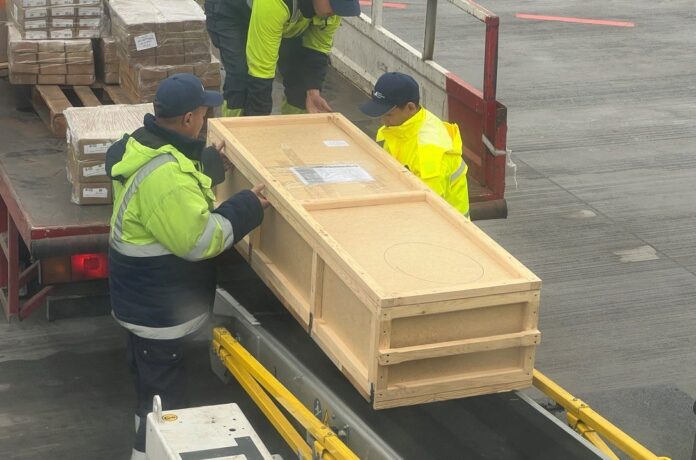
A press release from Dushanbe International Airport (DIA) says a total of 1,585 bodies of Tajik citizens were returned to Tajikistan via DIA last year.  This reportedly marks an increase of 430 coffins (or 37%) compared to the previous year.

While the countries from which the bodies were repatriated are not specified, it is likely that most of them came from Russia. Every year, hundreds of Tajik migrants working and residing in Russia fall victim to accidents on construction sites, car crashes, illnesses, or even murders.

For instance, on January 11, three members of a Tajik family were brought back to their homeland after dying from natural gas poisoning in Russia. The deceased were buried in their native village of Shedroud, located in the Kushoniyon district of Khatlon province.

Earlier in December 2025, the body of the 10-year-old Qobiljon Aliyev, who was killed in a school xenophobic attack in the Moscow region on December 16, was delivered to Dushanbe. The boy was buried in the Shahrinav district.

The Civil Aviation Agency has not provided statistics for the repatriation of bodies through other airports in the country.

Meanwhile, Radio Liberty’s Tajik Service, known locally as Radio Ozodi, reported that 38 coffins were delivered through Kulob International Airport (KIA) in 2025, a decrease of 24 compared to the previous year.

No data is available regarding airports in Khujand and Bokhtar, nor for ground transportation.

Kazakhstan strengthens military control and will punish officers over soldiers’ deaths

0

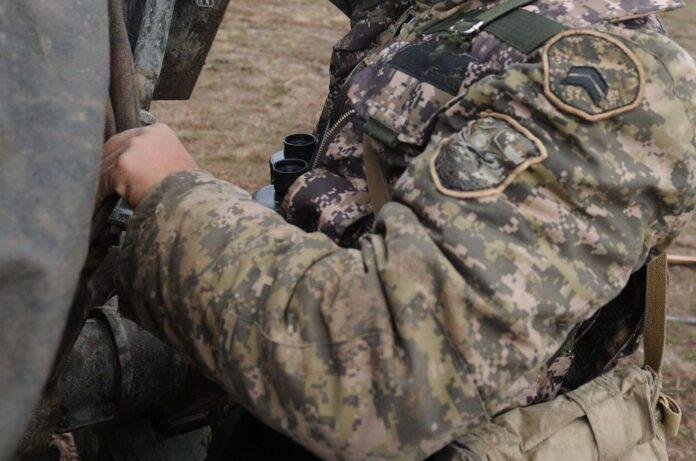
Kazakhstan has strengthened control within its military units and will take action against officers following the tragic deaths of several servicemen in early 2026. This was announced by the press service of the country’s Ministry of Defense.

The ministry expressed condolences to the families of the deceased and emphasized its responsibility for the safety of soldiers. The statement highlighted that "emergency measures have been implemented to prevent similar tragedies in the future." These measures include intensified control over discipline and educational work, stricter safety requirements for handling weapons and conducting training, as well as sending commissions to all military units to reassess the psychological state of the soldiers.

Additionally, the Ministry has increased personal accountability for commanders and sergeants, organized checks by military police, and introduced round-the-clock monitoring of personnel, including during off-duty hours. The Ministry has also set up continuous video communication between soldiers and their families, and commanders are now required to maintain regular contact with parents via official communication channels.

“Specific personnel and disciplinary decisions have been made regarding all incidents. The commanders of the Regional Command ‘East’, the Chief of Staff, and the Deputy for Educational and Ideological Work have been held accountable. The commander of the military unit where the death occurred, his deputy, and the battalion commander have been relieved of their positions,” the Ministry of Defense stated.

The deaths of servicemen in the Kazakh military have been a recurring issue, which has repeatedly drawn attention from the public and President Kassym-Jomart Tokayev. Last summer, he instructed Defense Minister Dauren Kosanov to "intensify efforts to reduce the number of tragic incidents in the military," but the number of such incidents has not decreased.

In January 2026 alone, three soldiers' deaths were reported. On January 23, a soldier died from a gunshot wound while on guard duty in Ust-Kamenogorsk. On January 27, another soldier died from a fatal injury while handling a weapon in Zhambyl Region, and on January 6, a serviceman of Kazakhstan’s National Guard died from a sudden heart failure in Shymkent.

In a January interview with Turkistan newspaper, President Kassym-Jomart Tokayev stated that the deaths of servicemen during their military service are unacceptable.

Launch of Dushanbe-London flight won’t happen for now, says Civil Aviation Agency head

0

The anticipated launch of the Dushanbe-London-Dushanbe flight has been postponed due to its lack of profitability. This was announced by Habibullo Nazarzoda, head of the Civil Aviation Agency under the Government of Tajikistan, at a news conference in Dushanbe on January 28.

Exactly one year ago, the Civil Aviation Agency had announced the potential launch of flights between Dushanbe and London. It was expected that the flights would be operated by Somon Air. However, according to Nazarzoda, the route "did not justify itself."

As part of the agreement between Tajikistan and the United Kingdom, two options were considered: a direct Dushanbe-London-Dushanbe flight and an alternative route via Tbilisi. In January 2025, Nazarzoda had stated that if the direct flight was not fully booked, the alternative route would be launched.

However, on January 28, the Agency head announced that the route "did not justify itself." He explained that while the first flight was operated, the passenger traffic did not meet the necessary level. "Only 3 tickets were sold on the Dushanbe-London flight via Tbilisi," Nazarzoda said.

The head of the Agency also pointed to issues with the visa regime between the two countries, but emphasized that the relevant protocol had been signed, and discussions were ongoing with British diplomats. Additionally, the British side has been offered the opportunity to operate flights to Tajikistan.