Home Blog Page 76

Nearly 1,600 Tajiks returned home in coffins via Dushanbe last year

0

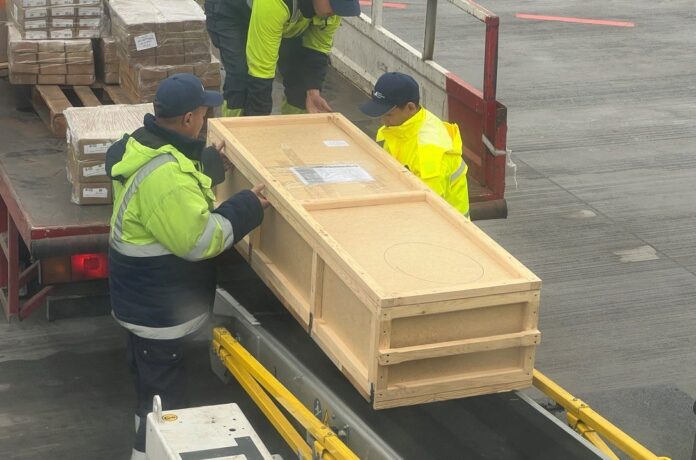
A press release from Dushanbe International Airport (DIA) says a total of 1,585 bodies of Tajik citizens were returned to Tajikistan via DIA last year.  This reportedly marks an increase of 430 coffins (or 37%) compared to the previous year.

While the countries from which the bodies were repatriated are not specified, it is likely that most of them came from Russia. Every year, hundreds of Tajik migrants working and residing in Russia fall victim to accidents on construction sites, car crashes, illnesses, or even murders.

For instance, on January 11, three members of a Tajik family were brought back to their homeland after dying from natural gas poisoning in Russia. The deceased were buried in their native village of Shedroud, located in the Kushoniyon district of Khatlon province.

Earlier in December 2025, the body of the 10-year-old Qobiljon Aliyev, who was killed in a school xenophobic attack in the Moscow region on December 16, was delivered to Dushanbe. The boy was buried in the Shahrinav district.

The Civil Aviation Agency has not provided statistics for the repatriation of bodies through other airports in the country.

Meanwhile, Radio Liberty’s Tajik Service, known locally as Radio Ozodi, reported that 38 coffins were delivered through Kulob International Airport (KIA) in 2025, a decrease of 24 compared to the previous year.

No data is available regarding airports in Khujand and Bokhtar, nor for ground transportation.

Kazakhstan strengthens military control and will punish officers over soldiers’ deaths

0

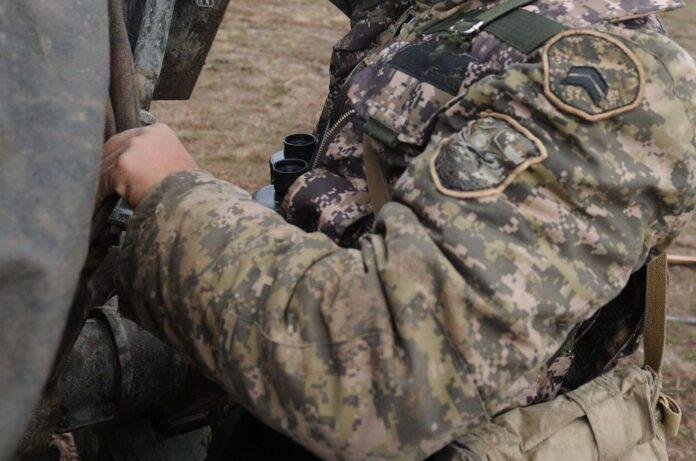
Kazakhstan has strengthened control within its military units and will take action against officers following the tragic deaths of several servicemen in early 2026. This was announced by the press service of the country’s Ministry of Defense.

The ministry expressed condolences to the families of the deceased and emphasized its responsibility for the safety of soldiers. The statement highlighted that "emergency measures have been implemented to prevent similar tragedies in the future." These measures include intensified control over discipline and educational work, stricter safety requirements for handling weapons and conducting training, as well as sending commissions to all military units to reassess the psychological state of the soldiers.

Additionally, the Ministry has increased personal accountability for commanders and sergeants, organized checks by military police, and introduced round-the-clock monitoring of personnel, including during off-duty hours. The Ministry has also set up continuous video communication between soldiers and their families, and commanders are now required to maintain regular contact with parents via official communication channels.

“Specific personnel and disciplinary decisions have been made regarding all incidents. The commanders of the Regional Command ‘East’, the Chief of Staff, and the Deputy for Educational and Ideological Work have been held accountable. The commander of the military unit where the death occurred, his deputy, and the battalion commander have been relieved of their positions,” the Ministry of Defense stated.

The deaths of servicemen in the Kazakh military have been a recurring issue, which has repeatedly drawn attention from the public and President Kassym-Jomart Tokayev. Last summer, he instructed Defense Minister Dauren Kosanov to "intensify efforts to reduce the number of tragic incidents in the military," but the number of such incidents has not decreased.

In January 2026 alone, three soldiers' deaths were reported. On January 23, a soldier died from a gunshot wound while on guard duty in Ust-Kamenogorsk. On January 27, another soldier died from a fatal injury while handling a weapon in Zhambyl Region, and on January 6, a serviceman of Kazakhstan’s National Guard died from a sudden heart failure in Shymkent.

In a January interview with Turkistan newspaper, President Kassym-Jomart Tokayev stated that the deaths of servicemen during their military service are unacceptable.

Launch of Dushanbe-London flight won’t happen for now, says Civil Aviation Agency head

0

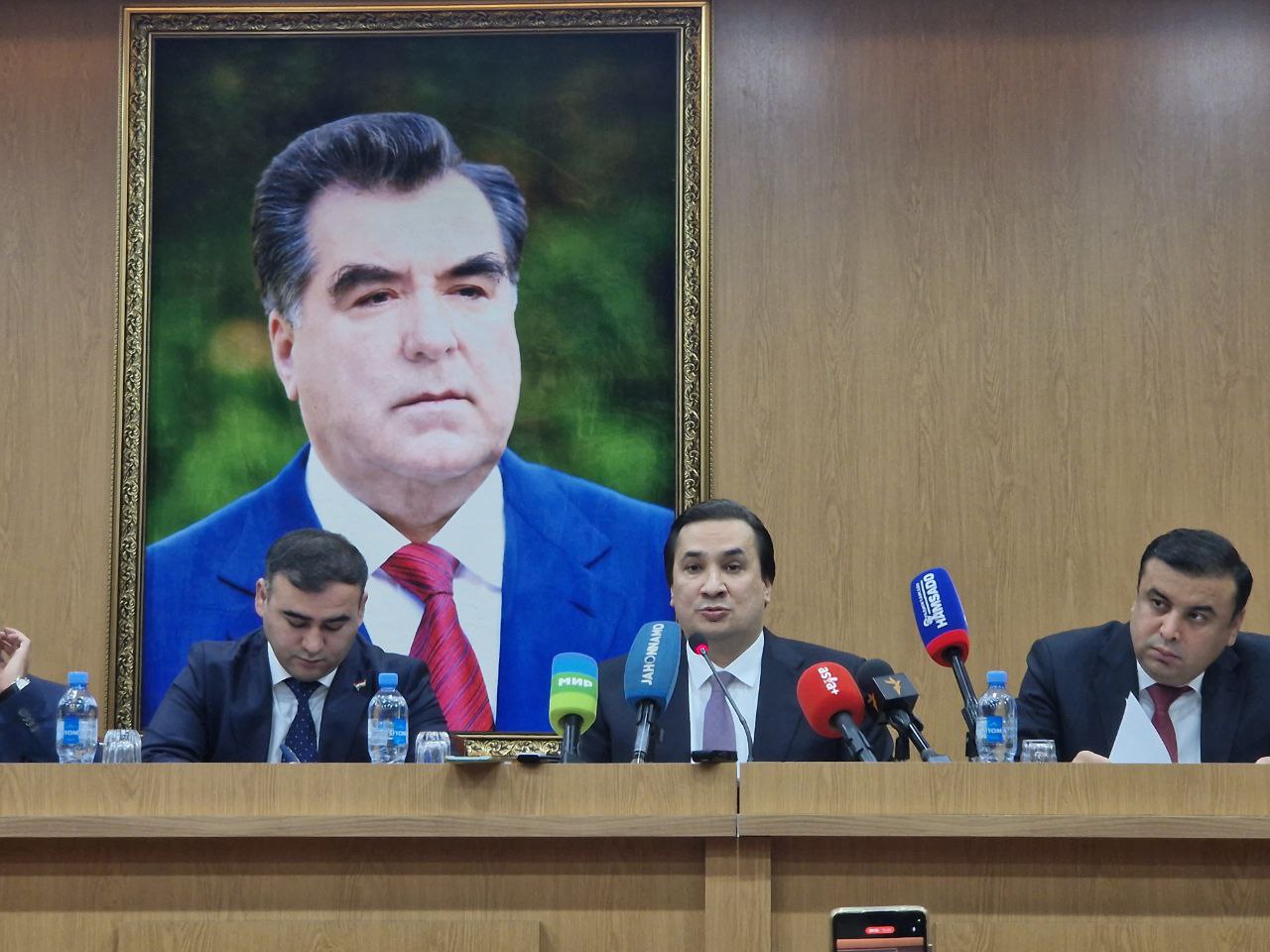
The anticipated launch of the Dushanbe-London-Dushanbe flight has been postponed due to its lack of profitability. This was announced by Habibullo Nazarzoda, head of the Civil Aviation Agency under the Government of Tajikistan, at a news conference in Dushanbe on January 28.

Exactly one year ago, the Civil Aviation Agency had announced the potential launch of flights between Dushanbe and London. It was expected that the flights would be operated by Somon Air. However, according to Nazarzoda, the route "did not justify itself."

As part of the agreement between Tajikistan and the United Kingdom, two options were considered: a direct Dushanbe-London-Dushanbe flight and an alternative route via Tbilisi. In January 2025, Nazarzoda had stated that if the direct flight was not fully booked, the alternative route would be launched.

However, on January 28, the Agency head announced that the route "did not justify itself." He explained that while the first flight was operated, the passenger traffic did not meet the necessary level. "Only 3 tickets were sold on the Dushanbe-London flight via Tbilisi," Nazarzoda said.

The head of the Agency also pointed to issues with the visa regime between the two countries, but emphasized that the relevant protocol had been signed, and discussions were ongoing with British diplomats. Additionally, the British side has been offered the opportunity to operate flights to Tajikistan.

Use of artificial intelligence identified in academic works in Tajikistan

0

In 2025, no cases of plagiarism were recorded in academic works in Tajikistan. However, the use of artificial intelligence was detected in over 100 academic works, leading to their rejection. This was announced by Saifiddin Davlatzoda, Chairman of the Higher Attestation Commission (HAC) of Tajikistan, during a news conference in Dushanbe on January 27.

Davlatzoda explained that 602 academic works were submitted to the HAC in 2025 for academic degrees. Of these, 568 theses were approved: 78 doctors of sciences, 406 candidates of sciences, and 84 doctors of philosophy (PHD). Another 34 works are still pending approval.

He also mentioned that last year, the HAC annulled 46 decisions of dissertation councils due to non-compliance with established requirements. Most of these dissertations, primarily in the category of candidates of sciences, were rejected due to exceeding the allowable 15% threshold for citations, improper formatting, and publication in non-prioritized journals.

“The citation norm is 15%. Exceeding this threshold impacts the originality of the text. Scientific articles must be published in peer-reviewed journals, and their structure must meet specific requirements. Otherwise, we will annul the dissertation council’s decision,” said Davlatzoda.


Use of artificial intelligence

The Chairman of the HAC expressed concern over the increasing use of artificial intelligence in academic works. Last year, this led to the rejection of more than 100 works, as their defense was not allowed. Davlatzoda stated that in 2025, the use of AI in academic works increased sixfold compared to the previous year.

“We have a program that precisely determines which parts of the dissertation were written using AI and which type of AI was used,” he explained. “At this point, no dissertation written with the help of artificial intelligence has been defended.”

Davlatzoda emphasized that scholars need to study the culture of AI usage and use it as an assistant rather than a replacement. “AI should not be asked to write a dissertation for us. It cannot handle this task. We must use it to advance our work, but not forget that AI merely processes existing information, not conducting original research,” added the HAC Chairman.


Earlier concerns

This is not the first time that the HAC has raised concerns about the use of AI in academic works. In October 2025, the commission had already addressed the issue.

Additionally, plagiarism has been an ongoing concern in Tajikistan. In May 2024, President Emomali Rahmon criticized the HAC for ineffective measures in combating plagiarism, noting that “DissNet” had identified 150 cases of plagiarism among Tajik scientists, including high-ranking officials.

Uzbekistan demands Russia upholds migrant rights during migrant-related raids in Russia

0
original-1s3x

The authorities of Uzbekistan have urged Russia to ensure the rights of its citizens are respected during migrant-related raids.  During a meeting on January 26 between Uzbek Deputy Foreign Minister Olimjon Abdullayev and Russian Ambassador to Uzbekistan Alexey Erkhov, the importance of respecting the rights and dignity of migrants, including those who violate migration laws, during raids and checks, was emphasized, according to RBC.

The parties discussed labor migration issues and the regulation of migration processes. The Ministry of Foreign Affairs of Uzbekistan clarified that the focus was on protecting the rights and legitimate interests of Uzbek citizens working in Russia.

“The Uzbek side stressed the fundamental importance of preventing any infringement on the rights and dignity of citizens of Uzbekistan, including both law-abiding individuals and those who have violated migration laws, during migration checks and raid operations,” the Ministry stated.

The meeting took place amid recent migration raids in St. Petersburg and the Leningrad region, where 95 foreign nationals were detained by police, with administrative protocols filed against them. In total, 280 people were detained after checks at supermarkets, such as “Perekryostok” and the X5 Group distribution center.


Previous concerns expressed

This is not the first time Uzbekistan has raised concerns about the treatment of its citizens in Russia. Last summer, Tashkent expressed alarm over unauthorized checks and disrespectful treatment of Uzbek migrants in Russia. The Uzbek Embassy in Russia sent a note to the Russian Ministry of Foreign Affairs requesting clarification on an incident in the Sokolniki area, where, according to Uzbekistan, OMON officers used physical force against temporary workers.

The Russian Ministry of Foreign Affairs stated that it was carefully reviewing the information and emphasized that the relationship between Russia and Uzbekistan is based on alliance and strategic partnership, which informs how bilateral issues are addressed.

In May 2025, Russia's ambassador was summoned to the Uzbek Ministry of Foreign Affairs, where he was also reminded of reports of harsh treatment of labor migrants. In August 2025, Russian Interior Minister Vladimir Kolokoltsev discussed with his Uzbek counterpart Aziz Tashpulotov the new migration rules that came into effect in September, which required foreign nationals to regularize their labor status by September 10 or leave Russia.


New privately-owned airline registered in Tajikistan

0
photo_2026-01-28_10-12-31

A new privately-owned air carrier, Shohin Airlines, has been registered in Tajikistan and is currently based at Dushanbe International Airport, where its headquarters and office are located. This was announced by Habibullo Nazarzoda, the head of the Civil Aviation Agency under the Government of Tajikistan, during a news conference in Dushanbe on January 28.

According to Nazarzoda, the airline was registered four months ago and is already in active negotiations to expand its fleet.

“The company currently operates helicopters, which are stationed at Dushanbe Airport. Additionally, an L-410 aircraft will be added to the fleet in August. Furthermore, Shohin Airlines and the Civil Aviation Agency are in talks with Airbus and Boeing. The airline plans to acquire two Boeing aircraft in the future,” Nazarzoda said.

He also emphasized that Shohin Airlines is a private airline and is actively expanding its presence in Tajikistan's civil aviation market. However, the ownership details of the company have not been disclosed.

Tajikistan is currently home to two airlines with their own fleet: Somon Air, the country’s largest private carrier, founded in 2008, and Tajik Air, the national air carrier, which operates about 4 aircraft of various models.

It is worth noting that in November of last year, Somon Air and Boeing announced an agreement to supply up to 14 economical aircraft, including the 787 Dreamliner and 737 MAX, as part of the "C5+1" summit held in Washington.

Currently, Somon Air operates 6 Boeing 737 Next-Generation aircraft, which fly to 25 destinations across Europe, Asia, and the Middle East.

Somon Air plans to acquire Boeing 787-9 wide-body aircraft to expand its international route network and up to 10 Boeing 737-8 narrow-body aircraft to modernize its fleet, which is currently entirely made up of Boeing 737 aircraft.

Meanwhile, Tajik Air continues negotiations with Artem Movsesyan, Vice President of the Czech company Omnipol, to modernize its fleet for domestic flights and to smoothly replace the Antonov An-28 with the new L-410 aircraft.

This type of aircraft, which has 19 seats, is well-suited for local and regional flights to neighboring cities such as Samarkand, Bukhara, Tashkent, Osh, and Shymkent. The L-410 can also carry up to 2 tons of cargo and is suitable for medical purposes, such as transporting bedridden patients.

It was previously reported that Tajik Air is actively negotiating the acquisition of two such aircraft to enhance its fleet and provide more comfortable services for passengers on domestic routes.

Tajik youth invited to apply for study program in Hungary

0
photo_2026-01-28_09-43-52

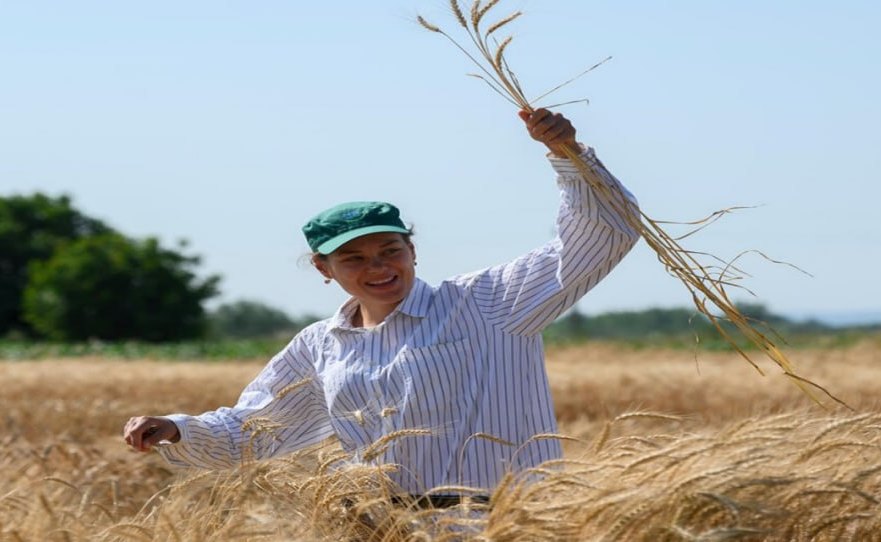
The Food and Agriculture Organization of the United Nations (FAO), in cooperation with the Government of Hungary, has announced the start of the application process for the International Scholarship Program for the 2026–2027 academic year.

Young professionals in the field of agriculture, including citizens of Tajikistan, are invited to apply, according to the FAO communication service in Tajikistan. The deadline for submitting applications is February 28, 2026.

The program offers two-year Master's programs (Master of Science) in English in the following fields: agricultural biotechnology, animal nutrition and feed safety, and plant protection. The studies will take place at leading Hungarian universities, including the Hungarian University of Agriculture and Life Sciences (campuses in Gödöllő and Kaposvár) and the University of Debrecen’s Faculty of Agricultural and Food Sciences and Environmental Management.

The scholarship program fully covers tuition costs, including university fees, study materials, dormitory accommodation, medical insurance, and daily living expenses. The funding is provided by the Hungarian government under an agreement with FAO. It is important to note that the scholarship is awarded only to the student and does not extend to family members.

The program has been running for nearly 20 years, during which about 400 young professionals from developing countries have participated. Upon completing the program, many of them successfully find employment and contribute to the development of the agricultural sector in their countries.

Applicants can submit their applications from more than 40 countries, including Tajikistan, Azerbaijan, Kazakhstan, Kyrgyzstan, Uzbekistan, Ukraine, as well as countries from Asia, Africa, and Europe.

To apply, candidates must send a complete set of documents to the email address [email protected], including a completed application form, resume (CV), diploma with transcript, certificate of English language proficiency, passport copy, motivation and recommendation letters, medical certificate, and a certificate of no criminal record. All documents must be submitted in English.

The selection process occurs in two stages: a preliminary selection by FAO and a final selection by the university, which may include a language proficiency test. The main criteria are academic performance, English language skills, motivation, and health status. Preference will be given to candidates under the age of 30.

Free “Sayri Sada” tour organized for tourists in Dushanbe

0
photo_2026-01-28_08-38-02

On January 31, a free tourist route called “Sayri Sada” will be organized in the capital of Tajikistan, Dushanbe, for tourists and guests of the city, according to the Dushanbe Tourism Development Department.

The tour is being held on the initiative of the Dushanbe city government as part of the celebration of the ancient Tajik holiday of Sada. The event will be attended by foreign tourists, members of the diplomatic corps, international students, as well as media representatives.

Guides will provide information in Tajik, Russian, and English, focusing on both the tourist opportunities in Dushanbe and the cultural significance of the Sada holiday.

Participants are expected to gather at 8:00 AM on January 31 near the Ismaili Somoni Monument. The tour will start at 8:30 AM, and guests will travel through the city to the venue of the Sada celebration — the Abulqosim Firdavsi Park.

Registration for the tour is open and free of charge. Ministries, agencies, and tourism companies can register their guests through the following channels:

·         Facebook: Dushanbe-travel

·         Instagram: dushanbe.travel

·         Email: [email protected]

For additional information, please contact: 2212561; 777000443; 555080303; 003881616 (WhatsApp, Telegram).

Celebrated 50 days before the UNESCO-registered Navwrouz, the Iranian New Year, and 40 days past the UNESCO-listed ancient festival of Shab-e Yalda (Yalda Night is the longest and darkest night of the year), the Sada festival is widely believed to symbolize warmth, unity, and the triumph of light over darkness.

Recall,  the United Nations Educational, Scientific and Cultural Organization (UNESCO) added the Sada (Sadeh in Persian) on the UNSECO’s List of the Intangible Cultural Heritage of Humanity in December last year of the festival was inscribed on the Representative List of the Intangible Cultural Heritage of Humanity in December of 2024.  A joint dossier of the Islamic Republic of Iran and the Republic of Tajikistan was submitted during the 18th session of the Intergovernmental Committee for the Safeguarding of Intangible Cultural Heritage held in Kasane, Republic of Botswana. 

Sada is an ancient Iranian festival that dates back to the first Persian Empire, Achaemenid Empire.

Sada in Tajik means “hundred” and refers to one hundred days and nights past the end of summer (or the beginning of long-winter known to start at the end of summer in ancient Iran).  Sada is a mid-winter festival to honor fire and to defeat the forces of darkness, frost, and cold.  

Sada is the third important festival of Iranians, which has been celebrated from ancient times until today.  In the past, ancient Iranians had a special festival for each month of the year, and the Sada Festival, held on 10th of Bahman (January 30th), is one of the most significant festivals.  Iranians believed that on this very day humans discovered fire which is a sign from God, the symbol of light energy and warmth, and also a weapon for battle against darkness and Ahriman (devil).  Some historians believe that Sada was a religious ceremony, however historical evidence show that it was a national festival held by normal people.
Tajikistan and Qatar expand cooperation in employment sector

0
photo_2026-01-28_09-43-31

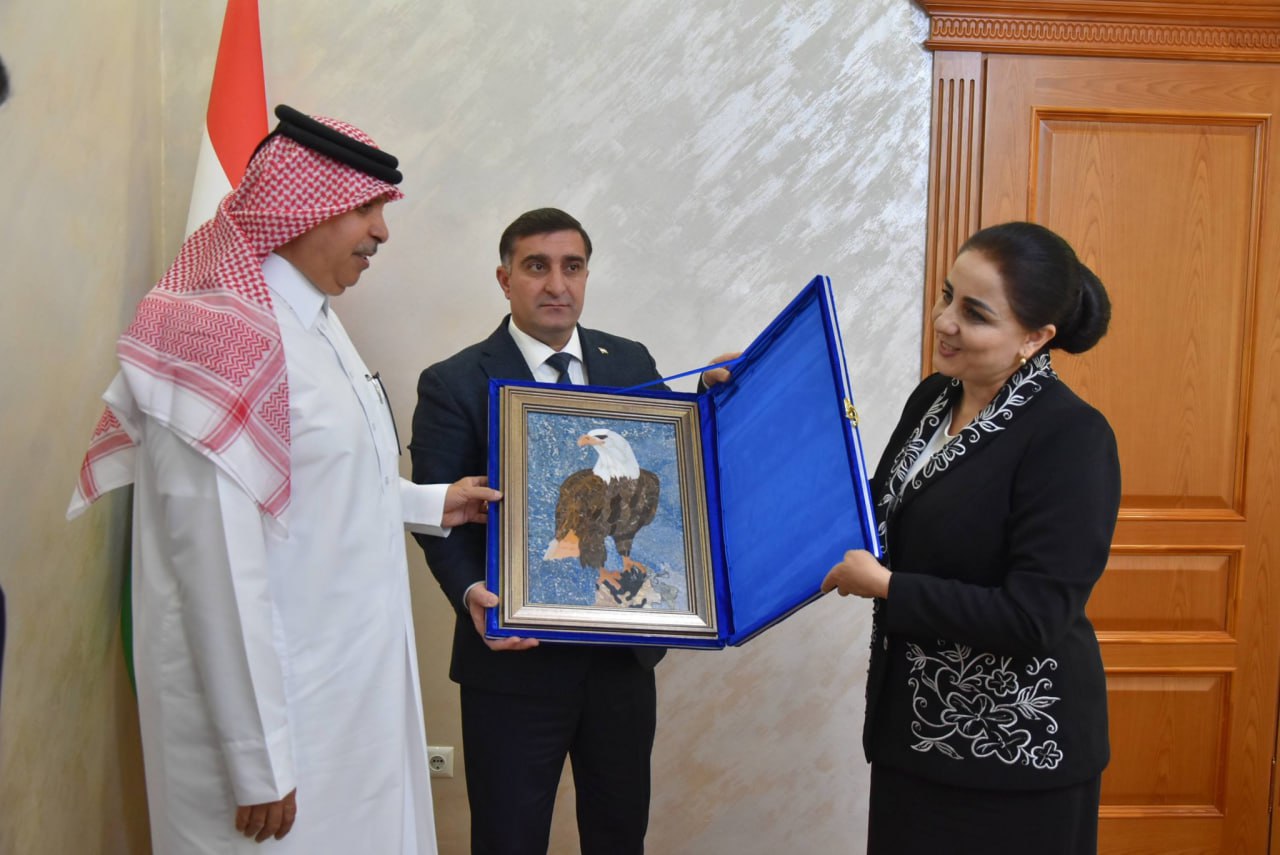
On January 27, Tajikistan's Minister of Labor, Migration, and Employment of the Population, Ms. Soliha Kholmahamadzoda met here with Mr. Abdulhadi Bakhit Burqan, CEO of the Qatari Human Resources Solutions Company (Jusour).  The press center of Tajikistan’s Ministry of Labor, Migration and Employment of the Population (MoLMEP) says the guest arrived in Tajikistan to conduct a job fair and interviews for the employment of Tajik citizens in Qatar.

During the meeting, the minister reportedly highlighted the strong political and legal foundation for cooperation between Tajikistan and Qatar, made possible by the official visits of the leaders of both countries. She emphasized the successful implementation of the agreement signed between the governments of the two states on February 3, 2019, which regulates the preparation and deployment of Tajik labor force to Qatar.

It was also noted that cooperation between the MoLMEP Agency for Employment Abroad and Jusour began in May 2023. Recruitment is carried out through the electronic platform www.tawzeef.qa.

Both sides positively assessed the results of the interviews held on January 25 at the Crowne Plaza hotel. Approximately 800 Tajik citizens reportedly participated in the event. By the end of the first day, 186 people were employed, and another 230 candidates are being matched with suitable vacancies.

The interviews continued until January 27. It is expected that more Tajik citizens will secure jobs with fair wages in Qatar.

At the end of the meeting, the minister expressed gratitude to the Qatari delegation for its contribution to the employment of Tajik citizens and emphasized the importance of further expanding bilateral cooperation.

Jusour is a private joint-stock company owned by the Government of Qatar, with a mission to transform and elevate Qatar’s labor market. By fostering innovation and providing diverse opportunities, Jusour plays a vital role in supporting the goals of Qatar National Vision 2030 and the Third National Development Strategy.

Tajikistan focuses on rare metals in geological exploration, says head of Main Geological Department

0

Tajikistan is focusing on the development of geological exploration and mining of rare metals, which will be one of the priority areas in the country’s mining industry. This was announced by Ilhomjon Oymuhammadzoda, the head of the Main Geological Department under the Government of Tajikistan, at a news conference in Dushanbe on January 27.

According to him, geological exploration activities have significantly increased in the country in recent years, particularly in the field of rare metals.

Existing geological studies indicate that Tajikistan possesses significant deposits of metals such as lithium, tungsten, rare earth elements, as well as other rare and valuable minerals.

“We view these metals as strategically important for the future development of our economy, as they are in high demand in high-tech industries such as electronics, energy, and automotive manufacturing,” Oymuhammadzoda stated.

Furthermore, he added that Tajikistan is actively cooperating with international geological exploration companies to better develop these resources, which will help attract necessary investments and technologies.

Currently, Tajikistan has already initiated projects for the exploration and extraction of rare metals and is also working on improving the infrastructure and environmental safety of its mining industry.

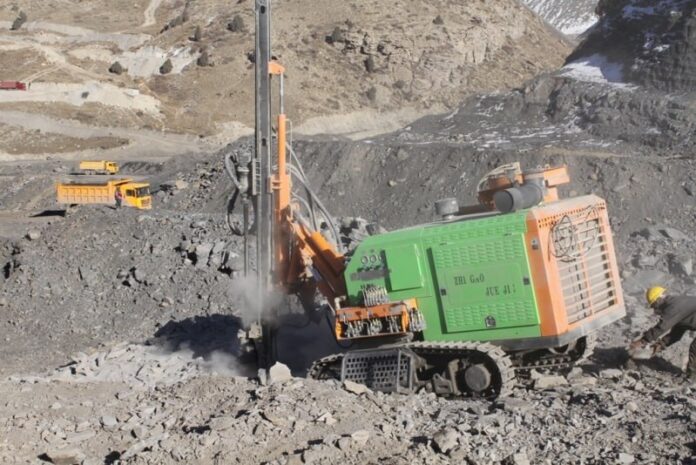
Over the reporting period, geological exploration and assessment work was reportedly completed at the Yosuman and Nazarayloq deposits in the Rasht Valley, as well as in the Shugnan district of the Gorno-Badakhshan  Autonomous Region, or GBAO.

During the geological studies, dozens of pegmatite veins with rare metal mineralization were discovered. The primary goal of these works was to assess reserves in categories C2 and P1, as well as identify new promising sites.

In addition to rare metals, the exploration work also covered non-ferrous and precious metals, as well as gem-quality raw materials. As a result, significant ore bodies of antimony and other non-ferrous metals were found.

Specialists note that in the first half of 2025, the work was primarily conducted in Central Tajikistan and GBAO. The geological exploration was carried out as part of the State Program for the Development of the Geological Industry for 2021-2030. Over the reporting period, 32 projects were completed, totaling more than 21.7 million somonis.

"As a result of the work, an updated geological database has been formed, and all reports were approved by the Scientific and Technical Council of the Main Geological Department," a Main Geological Department representative stated at the news conference on January 27.

Geological exploration work is set to continue in 2026, with expanded volumes and new research areas, including additional promising regions.