Home Blog Page 77

Tajikistan expresses concern over escalation around Iran

0
photo_2026-01-28_09-47-48

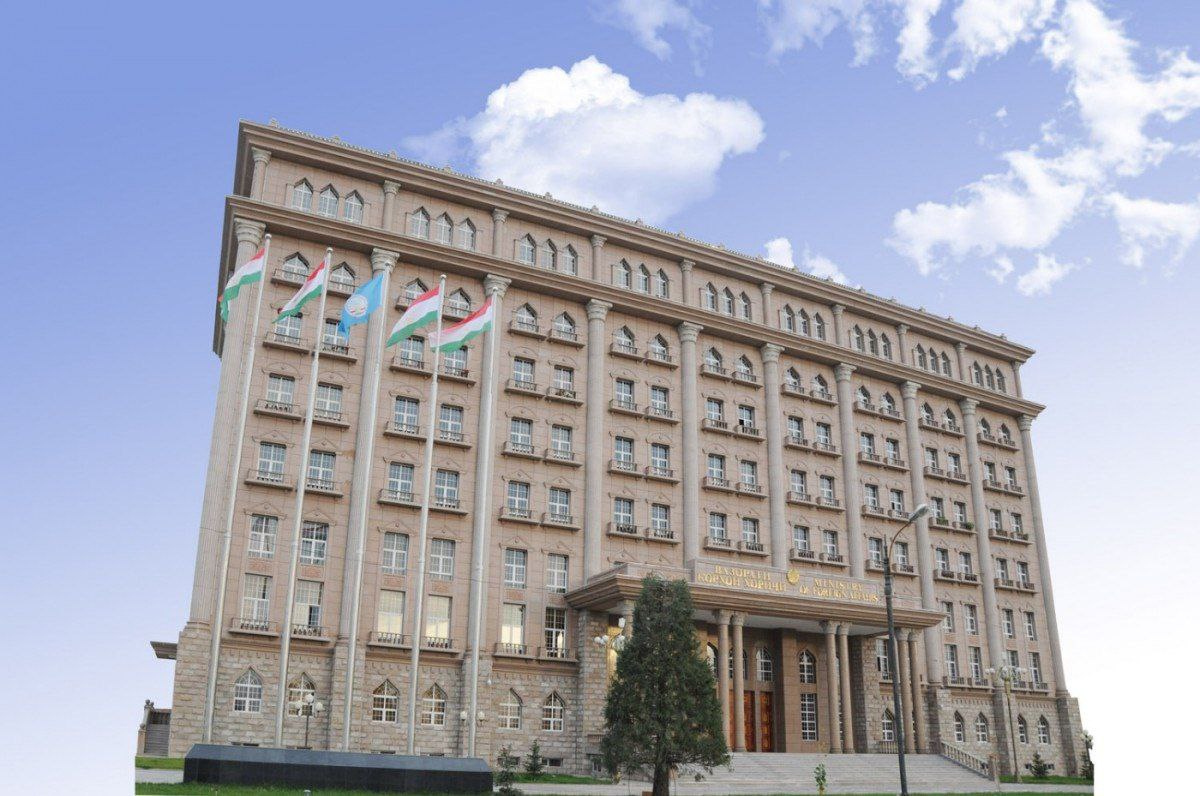
Tajikistan has expressed concern over the escalating situation in the Middle East, particularly around the Islamic Republic of Iran, and has spoken out against any military action. This was stated by the Ministry of Foreign Affairs of the Republic of Tajikistan.

The Foreign Ministry emphasized that Tajikistan consistently supports the peaceful resolution of all conflicts exclusively through diplomatic means and urges all parties to adhere to the principles of the UN Charter and international law.

“The Republic of Tajikistan calls on all parties to respect the principles of the UN Charter and international law and to focus their efforts on preserving peace and stability in the region,” says the statement released by Tajikistan’s MFA.

A day earlier, U.S. President Donald Trump said that an “armada of American ships” was heading toward Iran.

“Right now, a beautiful armada is safely moving toward Iran. We’ll see,” Trump said during an event in the state of Iowa.

He also expressed hope that Tehran would reach a deal with Washington, without specifying the nature of such an agreement.


U.S. aircraft carrier strike group

On Monday, U.S. Central Command officially announced the arrival of the first aircraft carrier strike group in the Middle East, led by the aircraft carrier Abraham Lincoln, the BBC’s Russian Service  reported.

The carrier is equipped with dozens of combat aircraft, including fighter jets and strike aircraft, and can host up to 90 planes and helicopters. The strike group also includes three destroyers armed, among other weapons, with Tomahawk cruise missiles, as well as escort and support vessels.

The Pentagon is also preparing to deploy additional fighter squadrons, including F-15E aircraft, to Middle Eastern bases to bolster its air presence.

According to open sources, the United States operates eight permanent military bases in the region, the largest being the Al Udeid air and naval base in Qatar, along with more than ten temporary facilities. The total number of U.S. military personnel in the region is estimated by experts at between 40,000 and 50,000.

However, military analysts cited by the BBC note that the aircraft carrier strike group remains the key element of any potential strike against Iran. Strategic bombers could also be involved, capable of launching attacks from permanent bases with aerial refueling support.


Developments inside Iran

In late December 2025, large-scale anti-government protests erupted across Iran. According to media outlets and human rights organizations, the authorities used harsh measures to suppress the unrest.

In recent days, reports of mass disturbances have declined, but the situation remains unclear due to severe internet restrictions. Data from NetBlocks indicate that on Saturday overall internet connectivity in Iran was operating at around 2 percent of normal levels.

About ten days ago, Iran’s Supreme Leader Ayatollah Ali Khamenei publicly acknowledged for the first time that thousands of people had been killed during the recent protests, placing responsibility on the United States.

“Those connected to Israel and the United States inflicted enormous damage and killed several thousand people,” Khamenei said, accusing protesters of arson, destruction of public property, and spreading chaos.

He also accused the U.S. president of involvement in the events, describing him as responsible for the casualties and damage suffered by the Iranian people.

Earlier, U.S. President Donald Trump urged Iranian demonstrators to “continue protesting” and warned Iran’s leadership that Washington could consider military intervention if security forces resorted to violent crackdowns.
Regional administrator from Sughd links decline in peanut production in Mastchoh to Taliban’s rise to power in Afghanistan

0
photo_2026-01-27_07-08-05

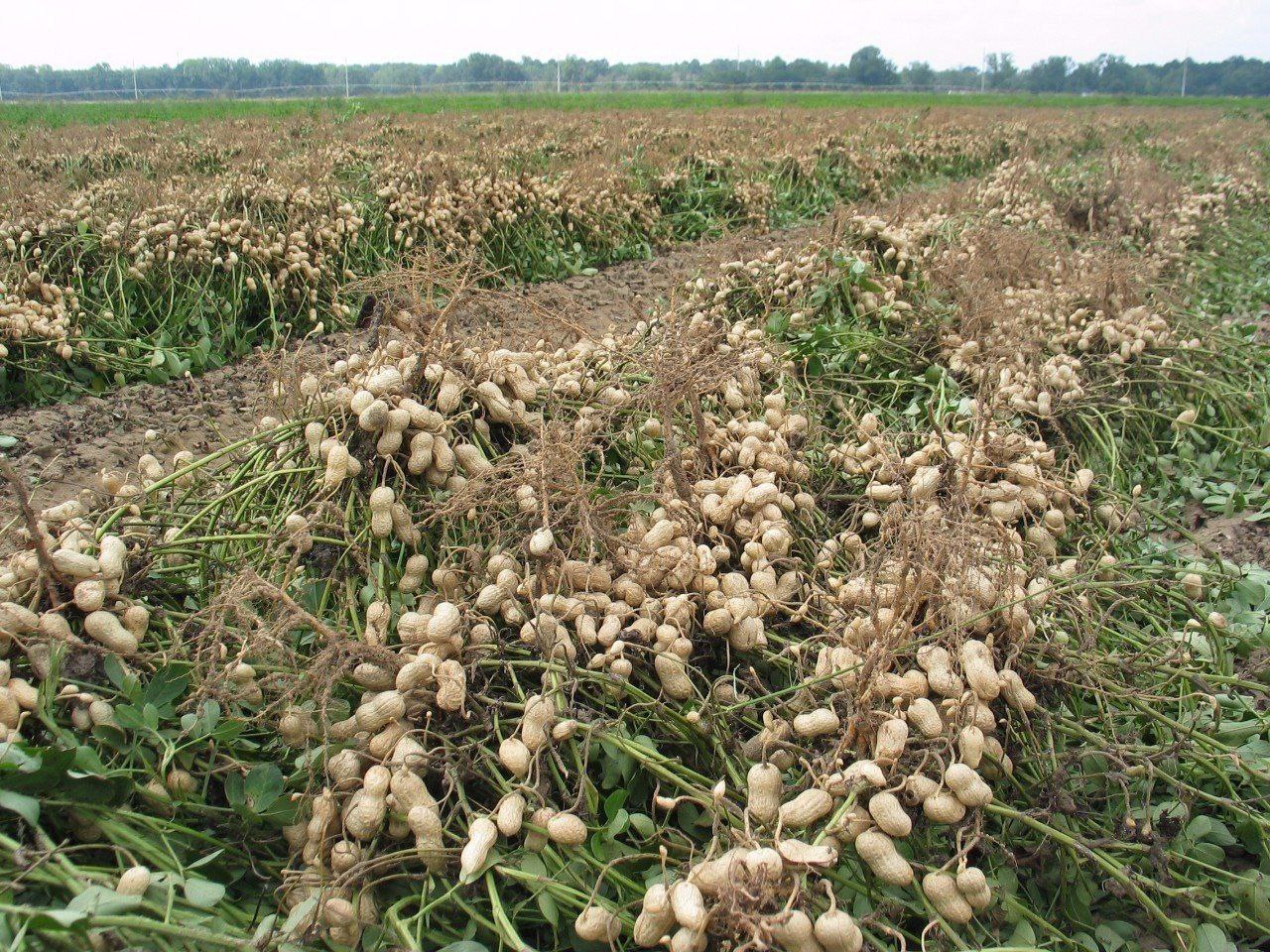
The decline in peanut production in the Mastchoh District of Sughd Provincen has been linked to political changes in Afghanistan following the Taliban’s rise to power. This was stated by the district head, Azam Alizoda, at a news conference on January 26.

According to him, before the change of power in the neighboring country, up to 30 percent of peanuts produced in the district were exported to Afghanistan or transported through its territory to Iran. However, after the Taliban came to power, exports came to a complete halt, causing significant losses for local farmers.

“Currently, farmers are storing peanut harvests from the past two years in warehouses. Each year, the district produces between 8,000 and 12,000 tons of peanuts, volumes that cannot be fully absorbed by the domestic market. We are working with local entrepreneurs, and 20 to 30 tons of peanuts are shipped weekly to Dushanbe and Khatlon Province, but this is not sufficient,” Alizoda said.

He also noted that Russia, which banned the import of peanuts from Tajikistan last year, has lifted the restriction this year.

“At present, entrepreneurs from Isfara, Istaravshan, and Bobojon-Ghafourov districts are purchasing peanuts in Mastchoh for export to Russia,” the district head added.

Alizoda reported that in 2025, peanut production in Mastchoh totaled 8,600 tons, down from previous years. He attributed the reduction in cultivated areas primarily to the narrowing of export markets.

Peanuts are an oilseed crop rich in oil and protein and are widely used in the food and vegetable oil industries.

Mastchoh District is considered one of Tajikistan’s main peanut-producing areas. According to official data, more than 90 percent of all peanut production in Sughd Province comes from this district.


Nearly 3,800 people fined for electricity theft in Tajikistan over the past year

0

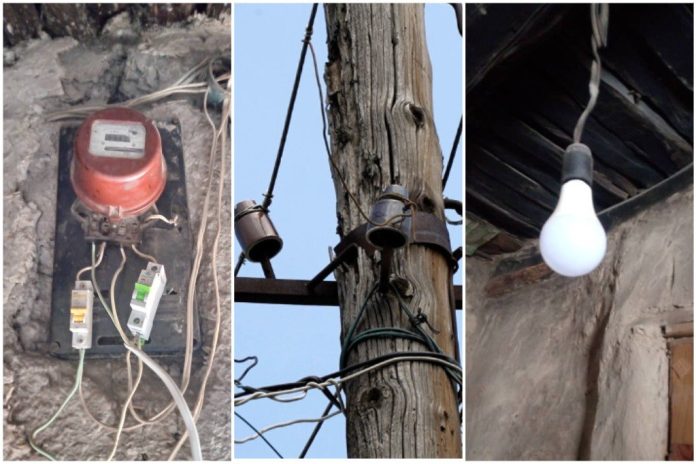
In 2025, nearly 3,800 people in Tajikistan were fined for violating electricity consumption rules—commonly referred to as electricity theft—with total fines amounting to approximately 1.8 million somonis. On average,  about ten people were fined daily totaling close to 5,000 somonis.

According to the Energy Supervision Agency, which provided the data to Asia-Plus, more than 2,700 cases of illegal electricity use were detected during the year. The total damage caused to the state budget is estimated at 235.601 million somonis.

The highest number of violations was reportedly recorded in cities and districts subordinate to the center, as well as in Sughd and Khatlon provinces.

“In the Bokhtar (Vakhsh) region of Khatlon province, around 500 cases of electricity theft were registered, causing damage amounting to 136.582 million somonis, or more than 100 million kilowatt-hours. In the Kulob region, 281 violations resulted in damage of 612,000 somonis,” the agency reported.

In Sughd province, about 1,000 cases of illegal electricity consumption were identified, with total losses estimated at 82.344 million somonis. In cities and districts subordinate to the center, 517 cases caused damage of 4.165 million somonis. In Dushanbe, nearly 470 cases of illegal electricity use resulted in losses of 11.899 million somoni.


Falsified electricity readings in distribution networks

In addition, in 2024 employees of the Electricity Distribution Networks (EDN) were found to have falsified electricity consumption records totaling 321.464 million kilowatt-hours, causing damage estimated at 106.393 million somoni.

“In particular, falsified electricity data worth 3.2 million somoni were detected at the EDN branch in Dushanbe. In branches operating in cities and districts under republican jurisdiction, falsifications totaling 122.803 million kilowatt-hours caused losses of 55.651 million somoni,” the Energy Supervision Agency said.

At EDN branches in Kulob and Bokhtar, the total damage from falsifications exceeded 41 million somoni. In Guliston and Istaravshan, about 37.5 million kilowatt-hours were falsely recorded, resulting in losses of 6.45 million somoni.

The agency did not specify how many electricity network employees were involved in these violations or how many were held accountable.

Previously, the agency has repeatedly reported the detention of individual power grid employees and the initiation of criminal cases against them. On January 6 this year, two cases of electricity theft were reported involving concealed power line connections from a substation to residential buildings, carried out by EDN employees. Both were fined 2,250 somoni each.

It should be recalled that in 2025 Tajikistan tightened penalties for illegal electricity use and evasion of payment. Under the Criminal Code, offenders may face fines ranging from 27,000 to 90,000 somonis or imprisonment for a term of three to ten years. Administrative liability and fines for electricity theft have also been increased.

Kyrgyzstan files lawsuit against Russia in EAEU court

0

Kyrgyzstan has filed a lawsuit against Russia in the Court of the Eurasian Economic Union (EAEU), citing Russia’s failure to comply with certain provisions of the agreement on labor migrants in force within the union. Fergana says the move was announced by Azamat Mukanov, Chairman of Kyrgyzstan’s Mandatory Health Insurance Fund.

According to Mukanov, the filing of the claim against the Russian Federation was disclosed during a meeting of the Jogorku Kenesh parliamentary committee on labor, healthcare, women’s affairs, and social issues, held as part of discussions on the draft law “On Citizens’ Medical Insurance.”

Lawmakers raised questions about support measures for Kyrgyz labor migrants working in Russia, including issues related to obtaining insurance policies that would ensure access to guaranteed medical care.

Mukanov noted that the EAEU has an agreement regulating the legal status of migrant workers and their family members. However, he said that Russia is violating Articles 96–98 of the document by refusing to issue mandatory health insurance policies to family members of labor migrants.

“Kyrgyzstan has appealed to the EAEU Court. The proceedings are ongoing, and a decision is expected within two weeks. This issue was also raised during the visit of Russian Deputy Prime Minister Alexey Overchuk to the republic,” Mukanov said.

The Treaty on the Eurasian Economic Union was signed in Astana in 2014 and entered into force on January 1, 2015. The EAEU includes Armenia, Belarus, Kazakhstan, Kyrgyzstan, and Russia. The treaty provides for special employment conditions for citizens of member states.

In particular, citizens of EAEU countries are not required to obtain work patents or special work permits in Russia, employers are exempt from the need to secure permits to hire foreign labor, and educational documents are recognized without apostille certification (with exceptions for certain professions).

Under the protocol on medical care, emergency medical assistance for workers from EAEU member states and their family members is provided free of charge at state and municipal healthcare facilities, regardless of whether they hold an insurance policy.

Kyrgyzstan’s accession to the EAEU has been a hot topic for academics, Kyrgyz officials and public interested to the topic to discuss the risks and opportunities it brings to Kyrgyzstan. The main clashing arguments were labor migration; agricultural sector and financial support from Russia to Kyrgyzstan on the positive side and restrictions on re-export of Chinese products and inflation on the negative side.

Proponents of the accession used mainly the benefits offered by the EAEU such as exemption from paying for work permit regulations and simplified procedure for entering the country and obtaining necessary documents for working legally in Russia.  

Opponents, on the other hand, arguing that unified custom regulations of EEU will negatively affect the re-export business in Kyrgyzstan. In addition, the trade barriers are expected to cause inflation and increase the prices of goods especially the food products.  


Emomali Rahmon appoints new Presidential Aide for Social Development and Public Relations

0
photo_2026-01-28_07-21-43

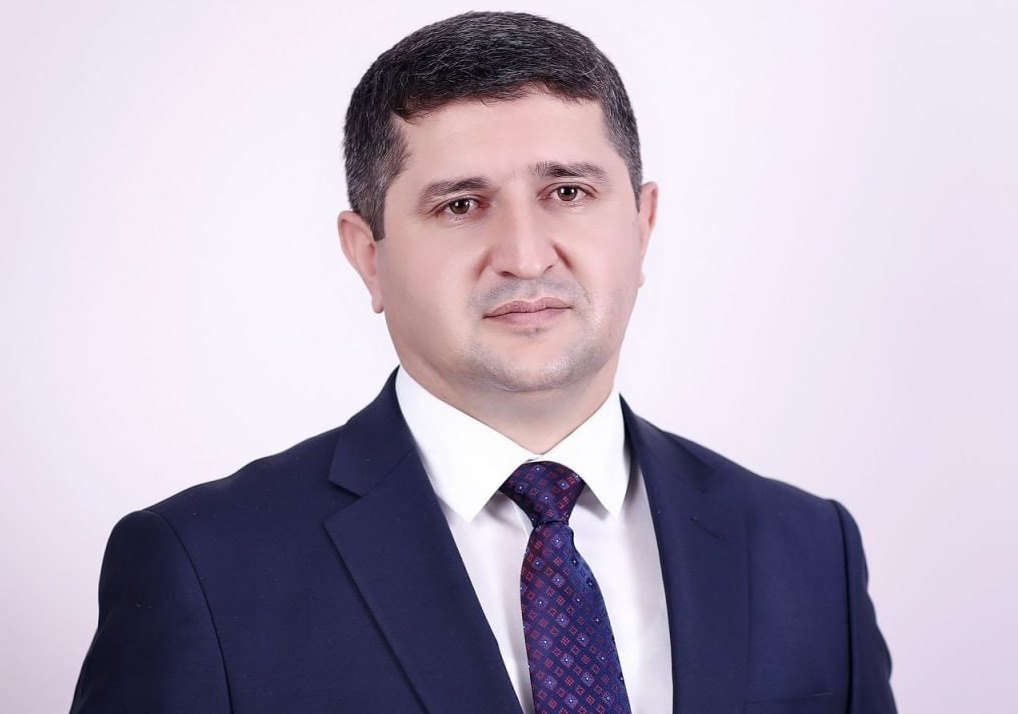
President of Tajikistan Emomali Rahmon has appointed Anvar Safarzoda as Aide to the President for Social Development and Public Relations. The corresponding decree was signed on January 27, according to the president’s press service.

Prior to the appointment, Safarzoda served as Head of the Department of Education, Culture and Information of President’s Executive Office, a position he had held since 2022.

In his new role, Anvar Safarzoda replaces Abdullo Rahmonzoda, who was previously relieved of his duties as presidential aide and appointed Deputy Chairman of Khatlon Province in charge of ideology. It has not yet been announced who will take over Safarzoda’s former position.

The Aide to the President for Social Development and Public Relations is responsible for shaping and coordinating social and cultural policy, strengthening interaction between state institutions and society, overseeing the implementation of social programs, working with the media and public organizations, and supervising ideological matters.


Biography

Anvar Safarzoda is 41 years old and hails from Farkhor District of Khatlon Province. He graduated with honors from the Faculty of Law of the Tajik National University in 2007 and holds a Doctorate in Law.

In 2011, he defended his PhD thesis in Moscow on criminal liability for the legalization (laundering) of illicitly obtained income, and in 2019, in Dushanbe, he defended his doctoral thesis on the criminal-law protection of entrepreneurial activity in the Republic of Tajikistan.

Safarzoda began his professional career in 2007 as an assistant lecturer at the Department of Criminal Law of the Tajik National University. From 2015 to 2021, he headed the Department of Criminal Law and Anti-Corruption, where he taught courses in criminal law, penal law, and specialized subjects on criminal policy and combating economic crime and corruption.

In November 2021, he was appointed Deputy Head of the Department of Education, Culture and Information of the President’s Executive Office. In 2022, he became head of the department and held the post until January 27, 2025.

Safarzoda also participated in working groups drafting the Penal Enforcement Code and the Law of the Republic of Tajikistan “On Combating Corruption.” In 2016, he was awarded the Ismoili Somoni State Prize for Young Scientists in the Humanities.

He is married and with four children.

In Tajikistan, the apparatus of presidential state advisors was reorganized into the apparatus of presidential aides. These officials, formerly known as state advisors, now operate as assistants to the president, managing key policy areas including security, economic, and social issues within the President’s Executive Office. 

Tajik authorities tighten control over debts of state-owned enterprises

0

The Government of Tajikistan has instructed debtors—state-owned enterprises, as well as companies and organizations with state capital participation—to ensure timely debt repayment and to submit quarterly reports to the Ministry of Finance of the Republic.

This directive is outlined in a government decree regarding measures for the implementation of the 2026 state budget.

The instruction specifically concerns the fulfillment of debt obligations under sub-loan agreements concluded within the framework of state credit agreements.

Sub-loan agreements are contracts through which the state transfers attracted loans to enterprises, requiring them to repay the borrowed funds independently.

The list includes the following enterprises, companies, and organizations:

– OJSC "Barki Tojik"

– SUE "Obu Korezi Dushanbe" (Dushanbe Water Utility)

– OJSC "Tajiktransgaz"

– SUE Savings Bank of the Republic of Tajikistan "Amonatbonk"

– OJSC "Pamir Energy"

– SUE "Tajik Railways"

– OJSC "Tajik Aluminium Company" (TALCO)

– SUE Industry and Export Bank of Tajikistan "Sanoatsodirotbonk"

– OJSC "Rogun HPP"

– SUE "Sharqi Ozod"

– SUE "Housing and Communal Services" (under the Committee of Housing and Communal Services under the Government of the RT)

– SUPE "Khujandobukanal"

– CSUE "Trolleybus" (Dushanbe)

– CSUE "Trolleybus" (Khujand)

– SUE "Sanitation and Transport Services of Khujand City"

– ME "Housing, Communal, and Economic Department" (Tursunzade)

– CSUE "Housing and Communal Services" (Bokhtar)

– CSUE "Housing and Communal Services" (Nurek)

– CSUE "Housing and Communal Services" (Yovon District)

– CSUE "Housing and Communal Services" (Kulob)

– CSUE "Housing and Communal Services" (Khorog)

The document also addresses the regular sale of property belonging to the former commercial banks OJSC "Agroinvestbank" and OJSC "Tojiksodirotbank", which are currently undergoing compulsory liquidation. This refers to property that has transitioned into state ownership. Funds generated from the sale of such assets are planned to be directed toward the repayment of internal national debt and other financial obligations of the Ministry of Finance.

According to Ministry of Finance data, as of July 1, 2025, the total volume of Tajikistan's public debt reached $3.6 billion, equivalent to 21.4% of the country's GDP. Of this amount, $3.1 billion (88%) is attributed to external debt, while $422 million accounts for internal debt.

Migrants and compatriots abroad built 288 facilities in Tajikistan worth 400 million somoni in 2025

0

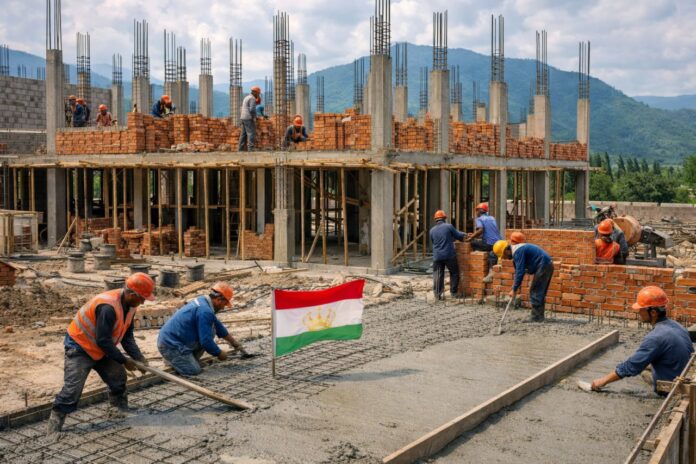
In 2025, labor migrants and compatriots living abroad funded the construction of 288 socio-economic facilities in Tajikistan, totaling over 388 million somoni. This was announced today, January 27, during a press conference by the Chairman of the Committee for Local Development, Kamoliddin Muminzod.

“Compatriots abroad built 288 facilities worth 388,134,000 somoni. These include social and economic sites—sports grounds, kindergartens and schools, canteens and hotels, and industrial enterprises. This volume also includes the construction and paving of roads,” Muminzod noted.

The official emphasized that these facilities were erected not only through the funds of labor migrants but also thanks to investments from Tajikistanis living abroad who are entrepreneurs or hold dual citizenship.

The Chairman added that these facilities were built within the framework of the Concept for Attracting Compatriots Abroad as Development Partners for the country.

Previously, the former chairman of this committee, Sharifjon Jumazoda, reported that during the years of independence, 272 facilities worth more than 500 million somoni had been built in Tajikistan using funds from migrants and compatriots abroad.

As an example, Jumazoda cited Umar Kremlev—the president of the International Boxing Association—whose father is Tajik and a native of the city of Hisor. According to him, Kremlev has built several facilities in Tajikistan.

It should be noted that for many years, Tajik migrants have shown initiative by raising funds to build schools, kindergartens, and other public facilities in their hometowns, as well as paving roads.

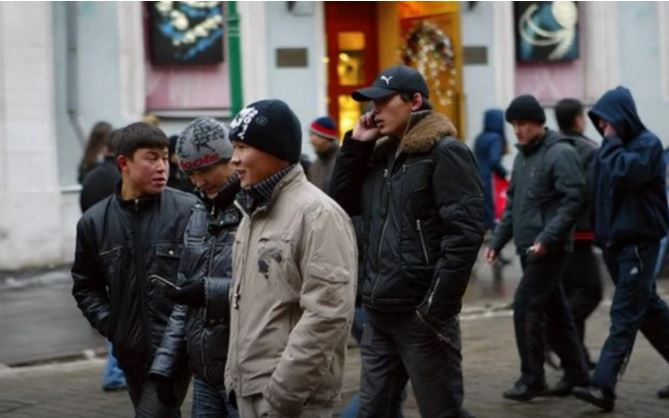
"Don’t mention migrants at all!"

The significant contribution of migrants and compatriots abroad to the republic's development often fails to receive proper coverage from certain officials and state media.

In 2023, a video surfaced on social media showing a television employee asking a local official not to use the term "labor migrants" when speaking about the improvement of a settlement. At the time, the clip caused a widespread public outcry.

During the interview, the official said: "…With the participation of migrants, who…" At that moment, the TV staffer interrupted him: "Don't say 'migrants,' brother! Don't mention migrants at all!"

Instead of the word "migrants," he advised using the phrase "worthy sons of this village."

Civil society activists and Tajik migrants themselves argued then that they remain on the sidelines of public attention, and their contribution to the country's development is undervalued and not properly highlighted.

Lack of transparency in migrant and remittance statistics

It should be noted that exact data on the number of Tajik citizens leaving for work in various countries is not officially published. However, every year hundreds of thousands—and according to Russian authorities, more than a million—Tajik migrants go to Russia for work. Despite hard labor, harassment, and discrimination by Russian structures, they earn and transfer billions of somoni back home.

Competent authorities in Tajikistan, including the National Bank, have not published data on the volume of labor migrant remittances for over 10 years, although the law does not classify this information as confidential. Furthermore, remittance volumes are tracked by international financial organizations.

According to unofficial data, in various years, the volume of labor migrant remittances has accounted for up to 40% of Tajikistan’s Gross Domestic Product (GDP).

Ministry of Health: Tajikistan not at risk of Nipah Virus infection

0
photo_2026-01-27_12-42-21

Citizens of Tajikistan are not at risk of Nipah virus infection, and no additional emergency measures are required, the Ministry of Health and Social Protection of the Republic of Tajikistan assured "Asia-Plus".

The Ministry explained that the country lacks a natural reservoir for the virus. According to health officials, Nipah circulates among specific species of tropical fruit bats that are not found in Tajikistan. Furthermore, the winter season significantly reduces the risk of animal-to-human transmission.

"The registration of cases over the past two to three months among India's population of over 1.4 billion, located at a significant geographical distance, does not pose an epidemiological threat to Tajikistan," the Ministry clarified.

Officials noted that there is currently no need to intensify measures, as appropriate sanitary and epidemiological control mechanisms are already in place at the country's borders. The Ministry also pointed out that food products, including juices, undergo regular inspection by authorized bodies.

Localized Nipah outbreak confirmed in India

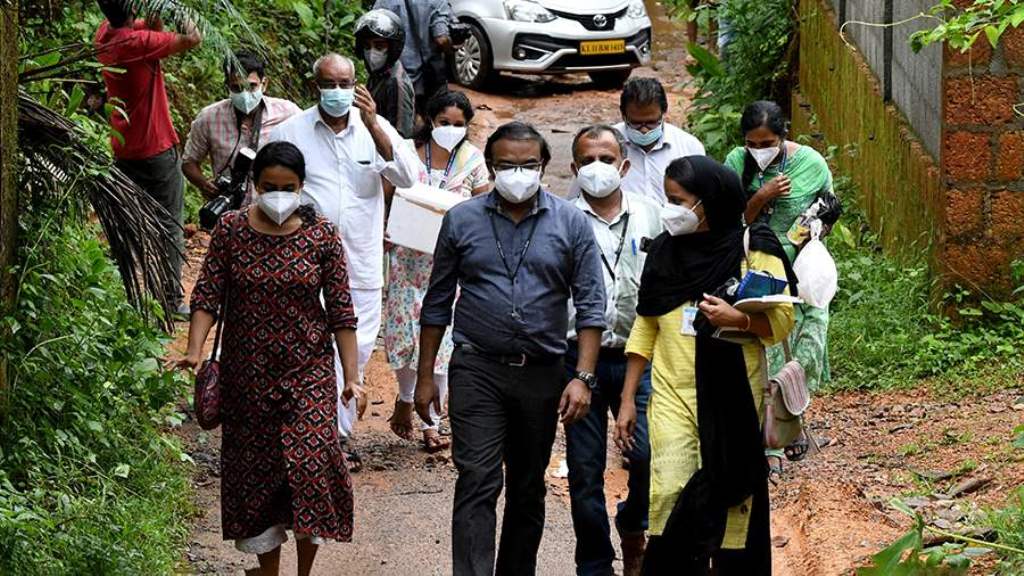
Nipah virus is characteristic of tropical regions. In January 2026, an outbreak of Nipah virus infection was recorded in the Indian state of West Bengal, near Kolkata.

According to official data, five cases have been confirmed, three of which were identified last week. All those infected are healthcare workers, indicating nosocomial (hospital-based) transmission.

The patients' conditions vary: two are in critical condition in intensive care, with one in a coma. The remaining patients have stabilized. As part of anti-epidemic measures, approximately 100 contacts have been quarantined, with 30 under intensive medical observation.

Kolkata authorities have not introduced emergency measures; schools and public institutions continue to operate normally. Experts suggest the outbreak is local and seasonal.

WHO: No vaccines or specialized drugs for Nipah Virus

The World Health Organization (WHO) reports that there are no specific drugs or vaccines against the Nipah virus for either humans or animals. Patients receive only symptomatic care.

In humans, the disease can manifest in various ways—from asymptomatic infection to severe respiratory distress and fatal encephalitis. The incubation period ranges from 4 to 45 days.

In the early stages, patients experience high fever, headache, muscle pain, vomiting, and a sore throat. This can be followed by dizziness, drowsiness, altered consciousness, and other neurological symptoms. Some patients develop atypical pneumonia and respiratory failure.


119 homes and one school recommended for relocation in Tajikistan due to geological risks

0
photo_2026-01-27_11-57-37

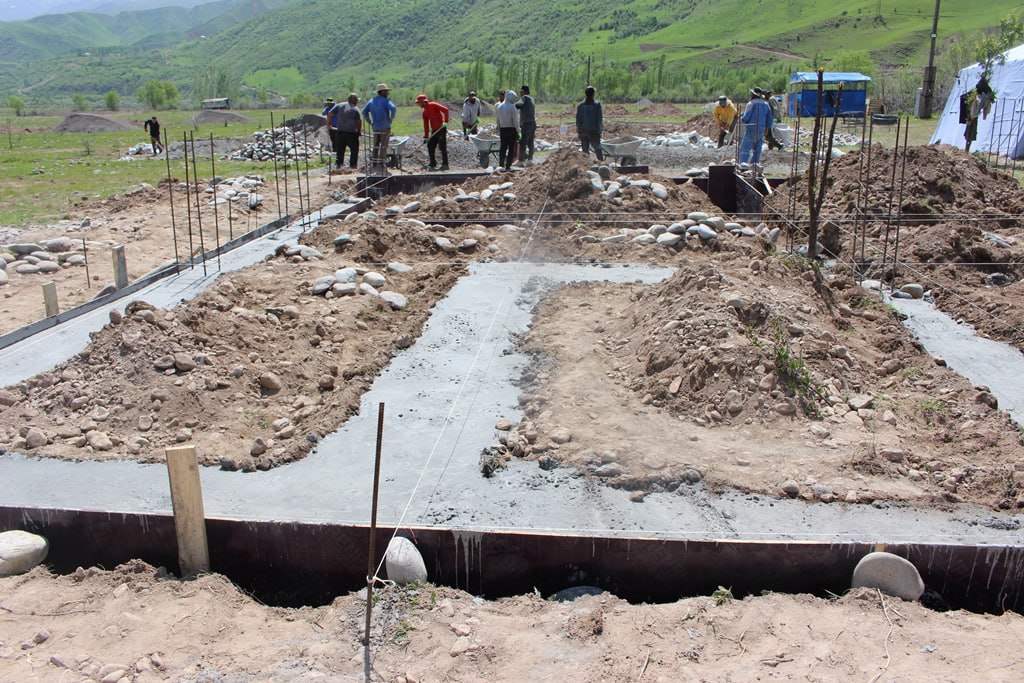
In Tajikistan, specialists from the Main Directorate of Geology have recommended relocating 119 residential buildings and one general education institution to safer areas due to risks associated with exogenous geological processes.

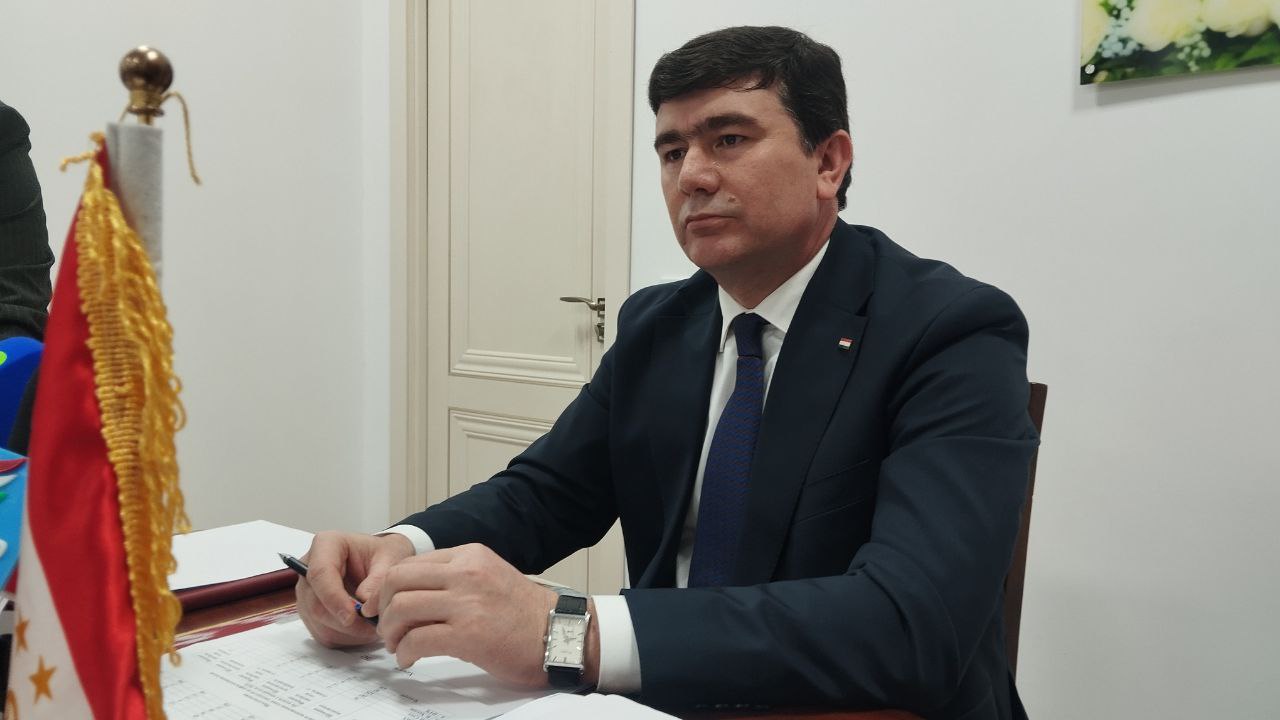
This was announced by Ilkhomjon Oymuhammadzoda, Head of the Main Directorate of Geology under the Government of the Republic, during a press conference on January 27 in Dushanbe. He provided updates on the implementation of the "State Service for Monitoring Exogenous Geological Processes" project.

According to him, as part of the project in 2025, engineering and geological surveys were conducted in 793 settlements, including villages, towns, and urban districts across various regions of the country.

"The survey results indicated that safety hazards related to landslides, soil collapses, and other exogenous processes exist in several districts of Tajikistan. Consequently, it was recommended to relocate 119 households and one secondary educational institution to safer locations," Oymuhammadzoda noted.

Currently, potentially dangerous zones have been identified in most cities and districts, including Dushanbe, Hisar, Tursunzoda, Rogun, Vahdat, Shahrinav, Rasht, Tajikabad, and several districts within the Khatlon region.

The project for monitoring exogenous geological processes is ongoing. The list of at-risk settlements may be expanded. The measures taken are aimed at reducing threats to public life and health and creating safer living conditions in potentially hazardous areas.

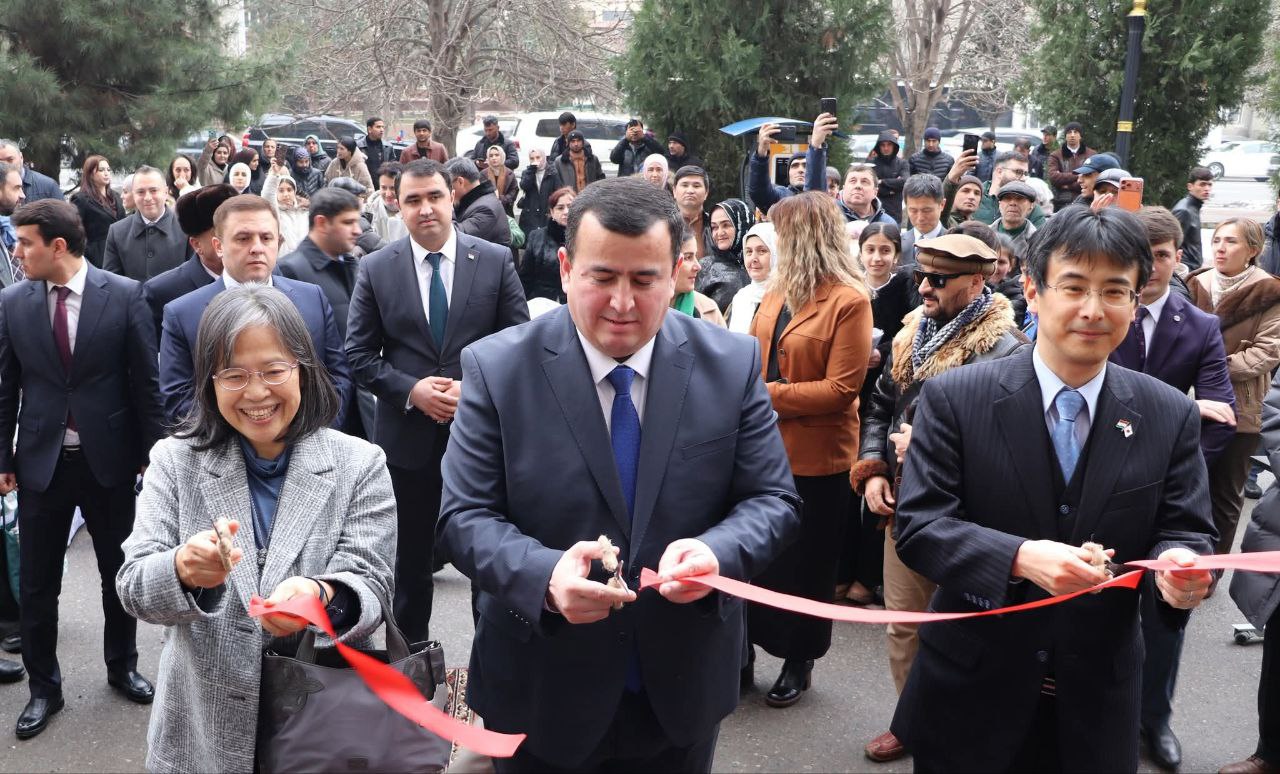
The official opening ceremony of the OVOP Shop took place in Dushanbe city

0

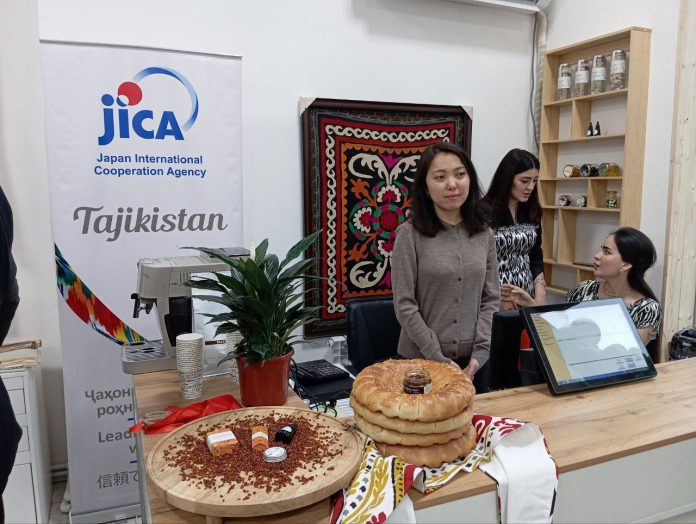
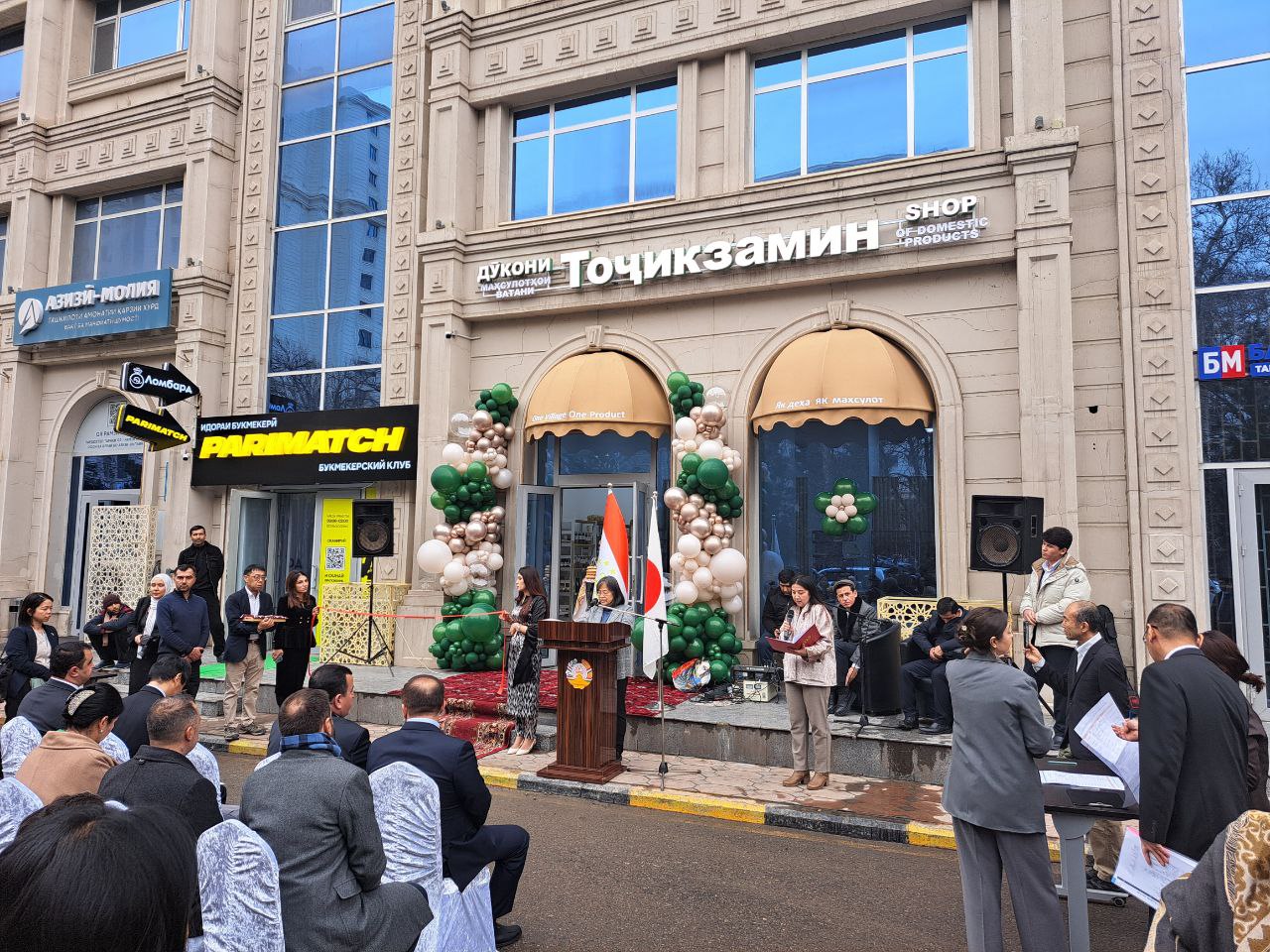
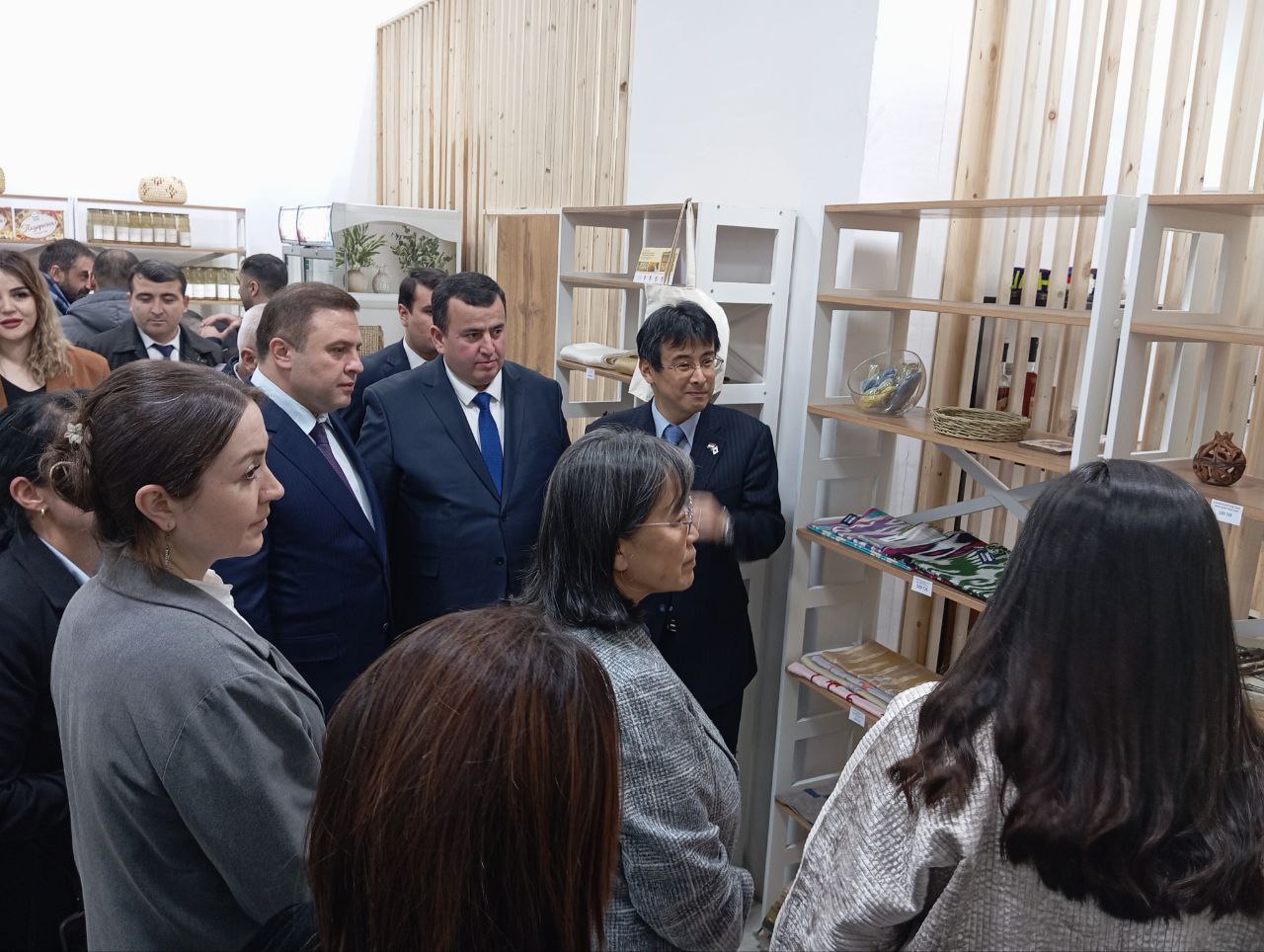
The OVOP “TOJIKZAMIN” shop has been established within the framework of the “Project for the Vitalization of Local Business in Central Asia through the One Village One Product Movement” implemented by Japan International Cooperation Agency (JICA) and the Ministry of Economic Development and Trade (MEDT). The brand offers organic food, bee products, traditional crafts, and natural cosmetics.

The ceremony was attended by JICA Vice-President Mr. Yoshikawa, Minister of Economic Development and Trade Mr. Abdurahmonzoda, Ambassador Extraordinary and Plenipotentiary of Japan to the Republic of Tajikistan, H.E. Ms. Furuta, Chief Representative of JICA Tajikistan Office Mr. Imai, and project expert Mr. Haraguchi. This is the first visit of the JICA Vice-President to Tajikistan. The Vice President held several meetings including a meeting with First Deputy Prime Minister of the Republic of Tajikistan H.E. Mr. Holiqzoda, where they discussed bilateral cooperation.

The ceremony brought together government officials, representatives of embassies, development partners, business associations, entrepreneurs and other interested parties. During the event, Japanese experts briefly presented the progress of the OVOP project in Tajikistan and demonstrated products and samples already developed. Participants had the opportunity to tour the shop, sample the products, and provide recommendations and feedback.

The goal of the OVOP movement is to develop products that highlight the uniqueness of each region and contribute to sustainable economic growth by creating added value, differentiating, and promoting local agricultural and handicraft products.

The OVOP movement, which originated in Oita Prefecture, Japan in 1979, was a response to the challenges faced by rural communities—particularly the youth migration to urban areas to seek better jobs. Following the many successes of the movement in Japan, the OVOP initiative has been spread globally through JICA’s projects.

This project is in line with the priorities of the Government of Tajikistan, as outlined in the National Development Strategy up to 2030, in terms of supporting entrepreneurship and creating a favorable business environment. JIСA considers the job creation in regions through the production of local products from local resources to be very important for socio-economic development of the rural population.

At the Ceremony, Mr. Yoshikawa noted: “OVOP is an initiative that highlights the unique resources, culture, and history of each region. It empowers local people, especially women, to take the lead in discovering resources, developing products, producing items, and connecting them to the local and international markets. This project is not merely about “selling products” but about fostering regional pride, creating stable livelihoods, and building a sustainable local economy.”

JICA is committed to continuing to support the development of the Republic of Tajikistan in close cooperation with the Government of Japan.