Home Blog Page 78

Tajikistan increases Rogun funding using domestic resources

0

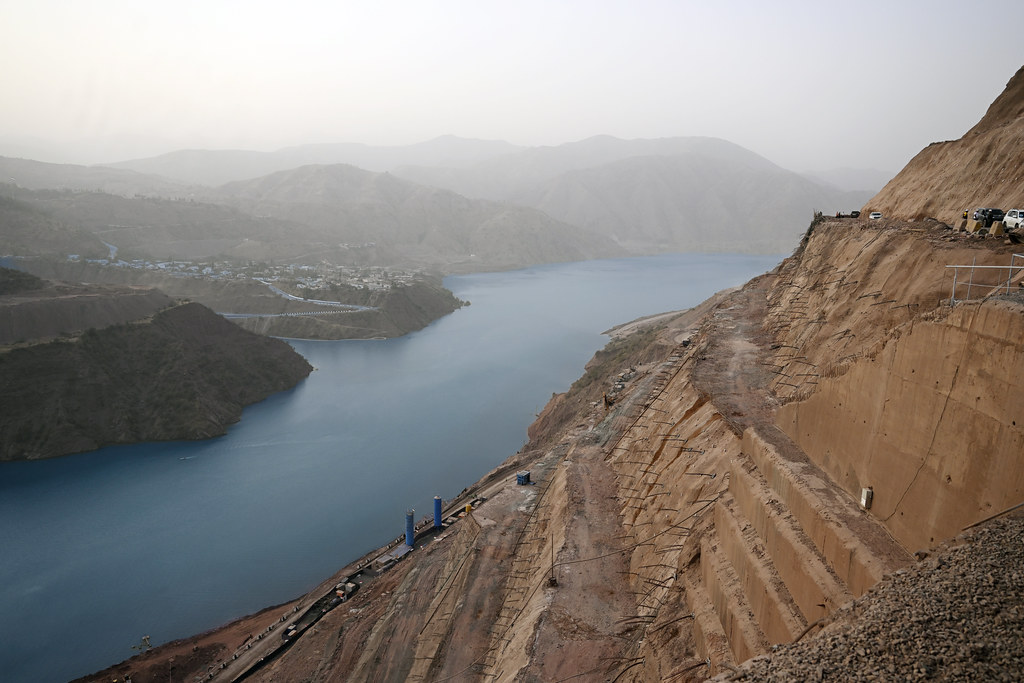
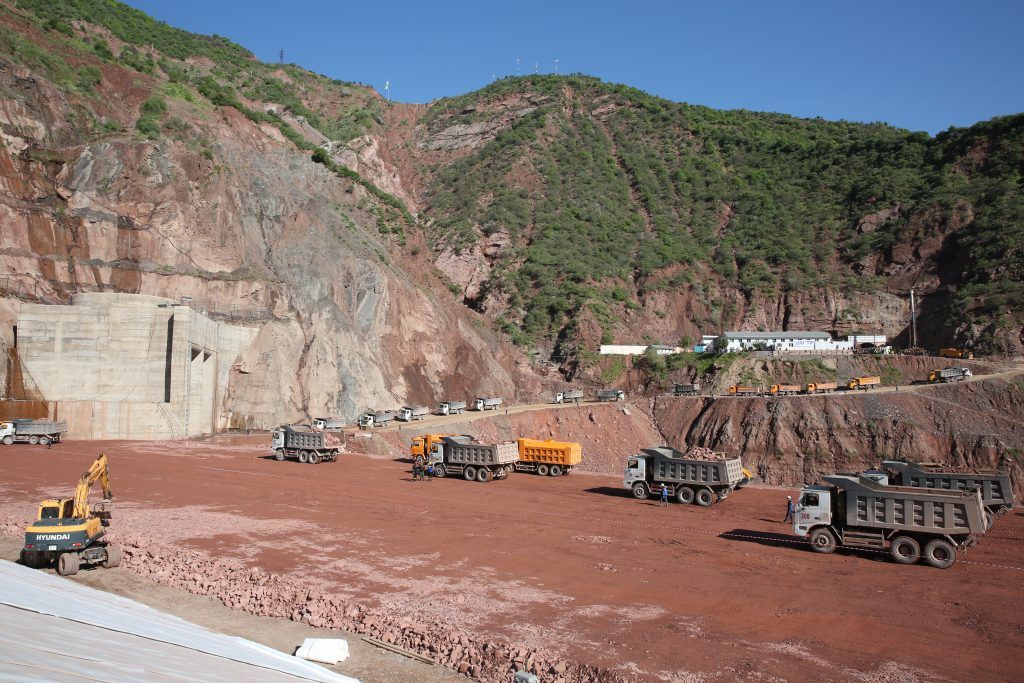
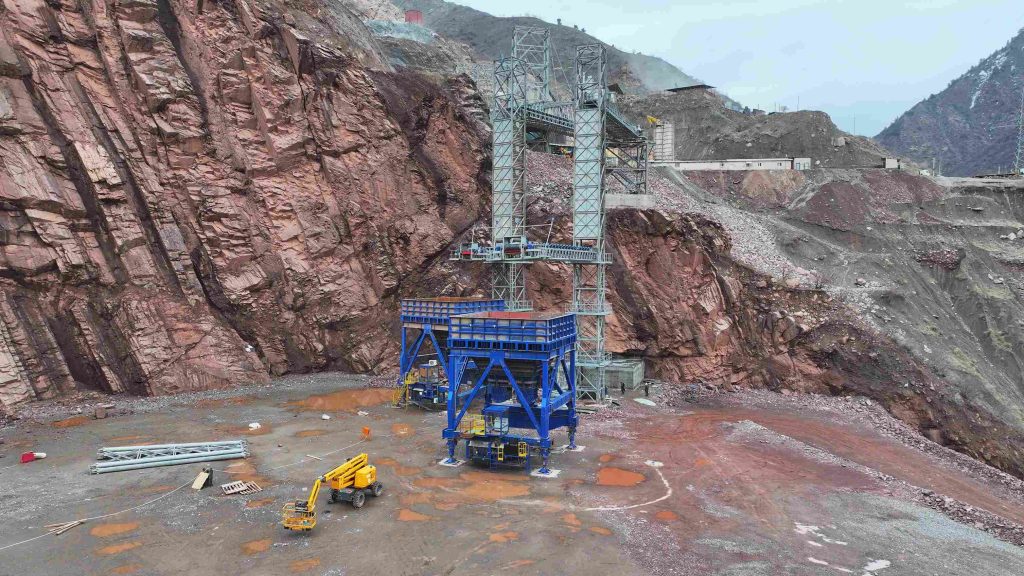
On January 22, the lower house of Tajikistan’s parliament passed the bill "On the Use of the National Bank of Tajikistan’s Reserve Fund," which is aimed at financing the construction of the Rogun HPP.

The bill was developed at the initiative of the country's President, Emomali Rahmon, according to "Sadoi Mardum", the official newspaper of the parliament's lower house.

Addressing the deputies, Tajikistan’s Minister of Finance, Fayziddin Kahhorzoda, noted that the document provides for the use of the NBT reserve fund through the state budget to finance the construction of the strategically important facility — the Rogun HPP.

According to him, the bill involves the transfer of the remaining balance of the NBT reserve fund in the amount of 916 million somoni (about $100 million), accumulated based on the results of financial activities for 2024.

The Minister emphasized that the document is aimed at achieving the country's energy independence by 2027, as well as reducing dependence on external debt and grant sources of financing.

It should be noted that in the 2026 state budget, approximately 15 billion somoni (over $1.6 billion) has been allocated for the financing of the fuel and energy complex. The majority of these funds are directed toward completing the construction of the Rogun HPP.

This amount constitutes 22.4% of the total state budget expenditures for the coming year. The total expenditure of the country's "main wallet" is set at approximately 67 billion somoni ($7.2 billion).

Protracted International Support

The republic's authorities previously reported that from 2008 to the present, over 48.1 billion somoni from the state budget and other sources has been spent on the Rogun project.

It was noted that to complete Rogun, agreements have been reached with development partners for more than $2 billion, including grants from the World Bank ($650 million), loans from the Asian Infrastructure Investment Bank ($500 million), the Islamic Development Bank and Arab funds ($450 million), and a grant from the Qatar Fund for Development ($50 million).

Negotiations are ongoing for an additional $1.7 billion.

Meanwhile, the Rationale for Tajikistan’s Sovereign Credit Rating, prepared by the international rating agency Standard & Poor's Global Ratings, states that financing for the Rogun HPP project from development partners, specifically the World Bank, is being delayed pending the fulfillment of remaining conditions.

The remaining cost of constructing the Rogun HPP, according to S&P data, is estimated at $6.4 billion.

"The government has agreed on financing half of this amount with a consortium of international partners; the rest must come from the budget and project revenues. The preliminary package includes $1.5 billion in non-concessional loans, $850 million in grants, and $550 million in concessional loans.

It is known that part of the grants depends on Tajikistan's status as a 'least developed country,' which may be revised in 2026," the rating agency specialists emphasize.

Tajikistan to begin training military doctors

0
photo_2026-01-27_08-41-41

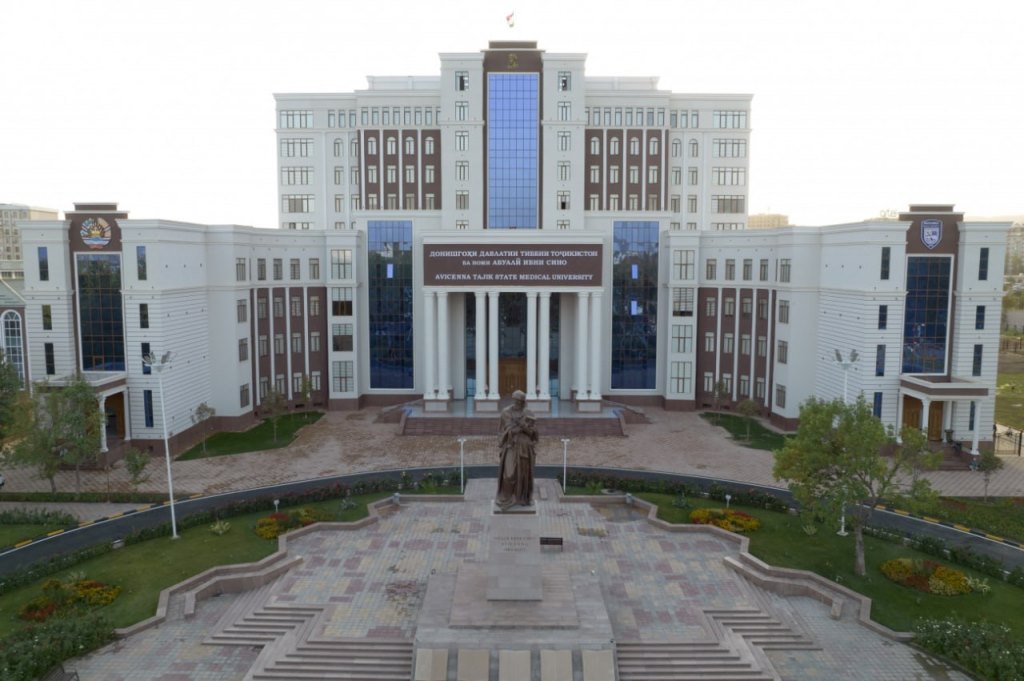
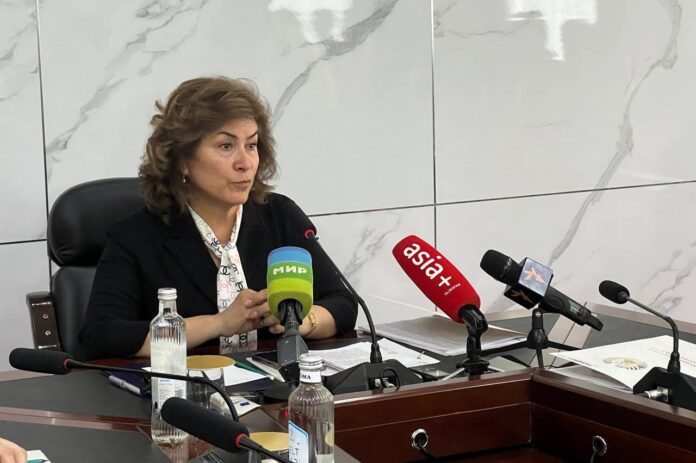
Starting from the 2026–2027 academic year, a new faculty for training military doctors will begin operations at the Avicenna Tajik State Medical University. This was announced by the university's rector, Mukhiddin Nuriddin, during a press conference held on January 26.

According to him, starting in September, 100 applicants — 90 males and 10 females — will be able to enroll in the faculty through the National Testing Center. Education will be government-funded (budget-based), and graduates will be eligible for employment within military structures and law enforcement agencies.

Additionally, the university has received licenses for two new specialties: "Medical Psychology" and "Clinical Biochemistry." Enrollment for these programs will also commence in the new academic year.

During the event, it was noted that medical simulators — devices or computer programs that replicate real clinical situations — are used for training doctors and students. They allow for the practice of medical interventions and complication management skills in an environment that is safe for patients.

The use of such technologies significantly enhances patient safety in real medical practice. Furthermore, simulators provide a safe learning environment for students, allowing them to make mistakes and learn from their correction.

Currently, the university operates 5 faculties, 63 departments (including 37 clinical departments), 12 centers and a Medical Research Institute.

It was emphasized that the university collaborates with 101 educational, scientific, and medical institutions abroad. In 2025, 307 students from 11 countries graduated from the university, which, as noted by the institution, demonstrates the international competitiveness of Tajik medical education.

What the 2026 Asian cup will be like for Tajikistan: pre-tournament expertise

0

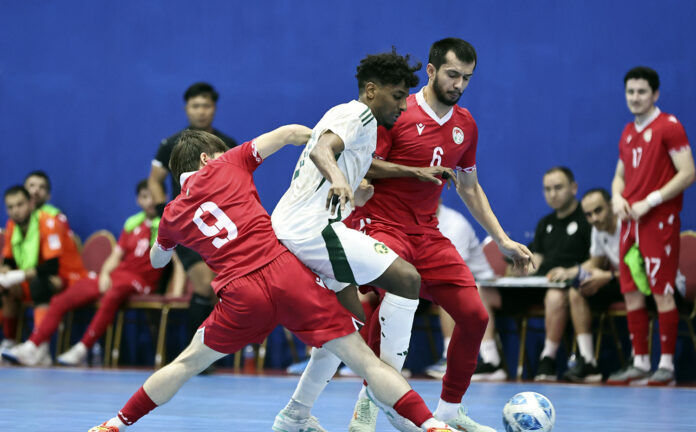
The 2026 AFC Futsal Asian Cup in Indonesia will be a serious test for the Tajikistan national team. An "Asia-Plus" expert has broken down all of the Tajik team's opponents and assessed the chances of Pairav Vakhidov's squad in the tournament.

The draw placed our team in one of the most difficult groups of the tournament — Japan, Uzbekistan, and Australia. The opponents have different playing profiles, but they are united by a high level of discipline, organization, and international experience.

Firuz Yusufzoda, a former national team player, current manager of the capital's FC "Istiklol," and Tajik futsal expert, spoke with "Asia-Plus" about the Tajik team's opponents at the 2026 Asian Cup.

According to him, there are no "walkover" matches at this level. Any mistake could be decisive: a wrong decision, a loss of concentration, or a failure in the game structure can change the course of a meeting. In Group C, a key role will be played not only by the strength of the opponents but also by the current state of the Tajikistan national team itself — in terms of personnel, tactics, and psychology.

Japan — group favorite and a team that knows how to wait

"The Japan national team is one of the flagships of Asian futsal, a four-time champion of the continent. This is a team that wins through structure, discipline, and composure, rather than emotions.

The head-to-head match against Japan in the Asian Cup qualifying tournament in Dushanbe was indicative: the Tajikistan national team took the lead, the team acted boldly, with good pace and correct aggression, while the Japanese did not force the game and did not succumb to chaos," says the Tajik expert.
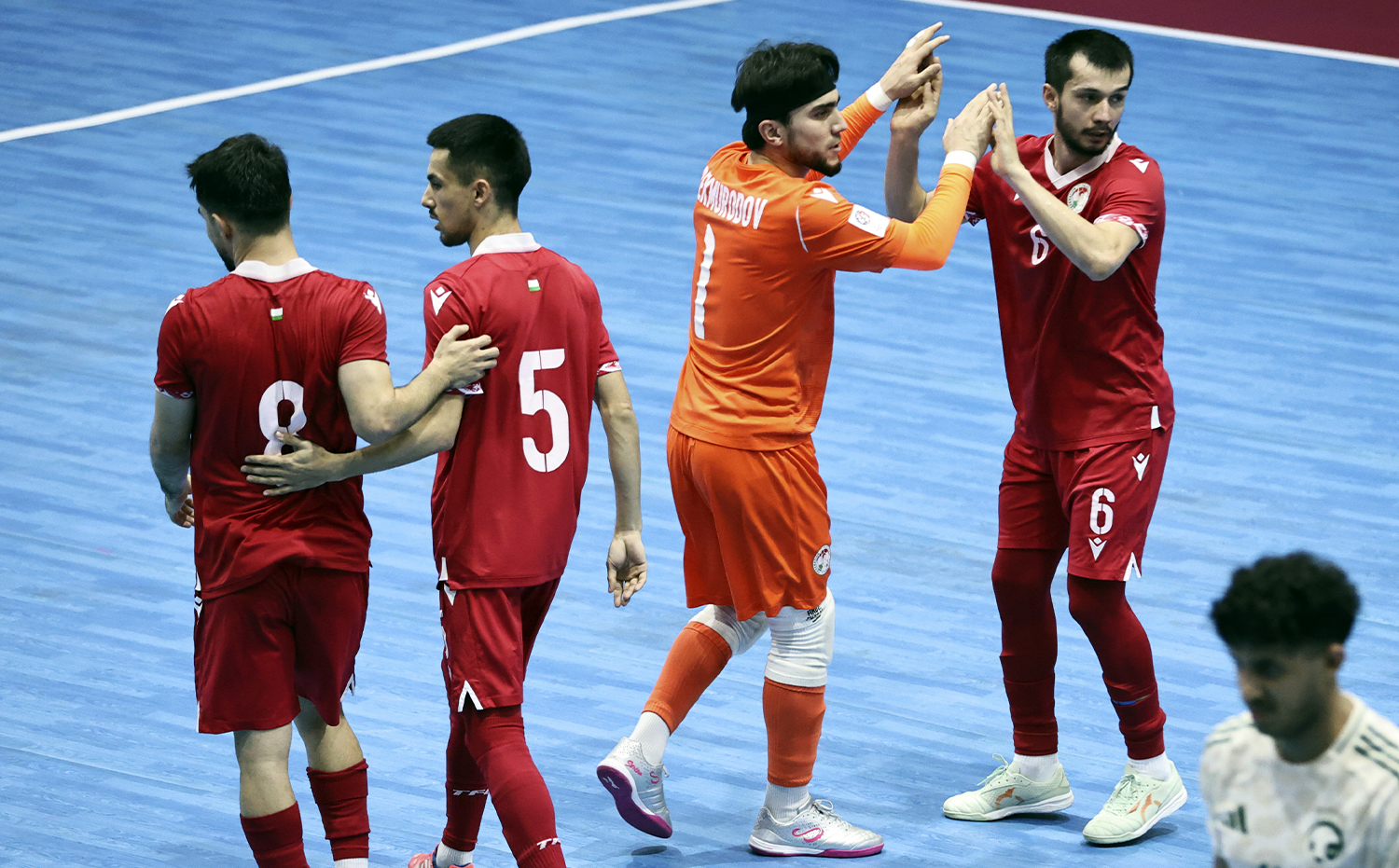
He added that through ball control, strict organization, and clinical finishing, the "Samurai" gradually turned the tide of the match.

"At the same time, the Tajikistan national team already knows how to play against Japan: at the last Asian Cup, the match ended in a 1:1 draw, and it was the Tajik team that sent the 'Samurai' home back then," Yusufzoda reminded.

Uzbekistan — a principled rival

"The Uzbekistan national team are our neighbors and friends, with whom we meet regularly. These matches always contribute to the growth of both teams. As a rule, the difference is decided by one or two goals, more often in favor of the Uzbeks.

Currently, Uzbekistan is in excellent condition: the national championship is in full swing and very competitive, the clubs are well-equipped, and the new futsal leadership is actively investing in development," the expert noted.

According to him, the Uzbeks regularly play against the strongest national teams in the world — Argentina, Brazil, Russia, and Paraguay. Before the New Year, the Uzbeks played two matches against the Russian national team: a 3:2 victory and a 1:3 defeat.
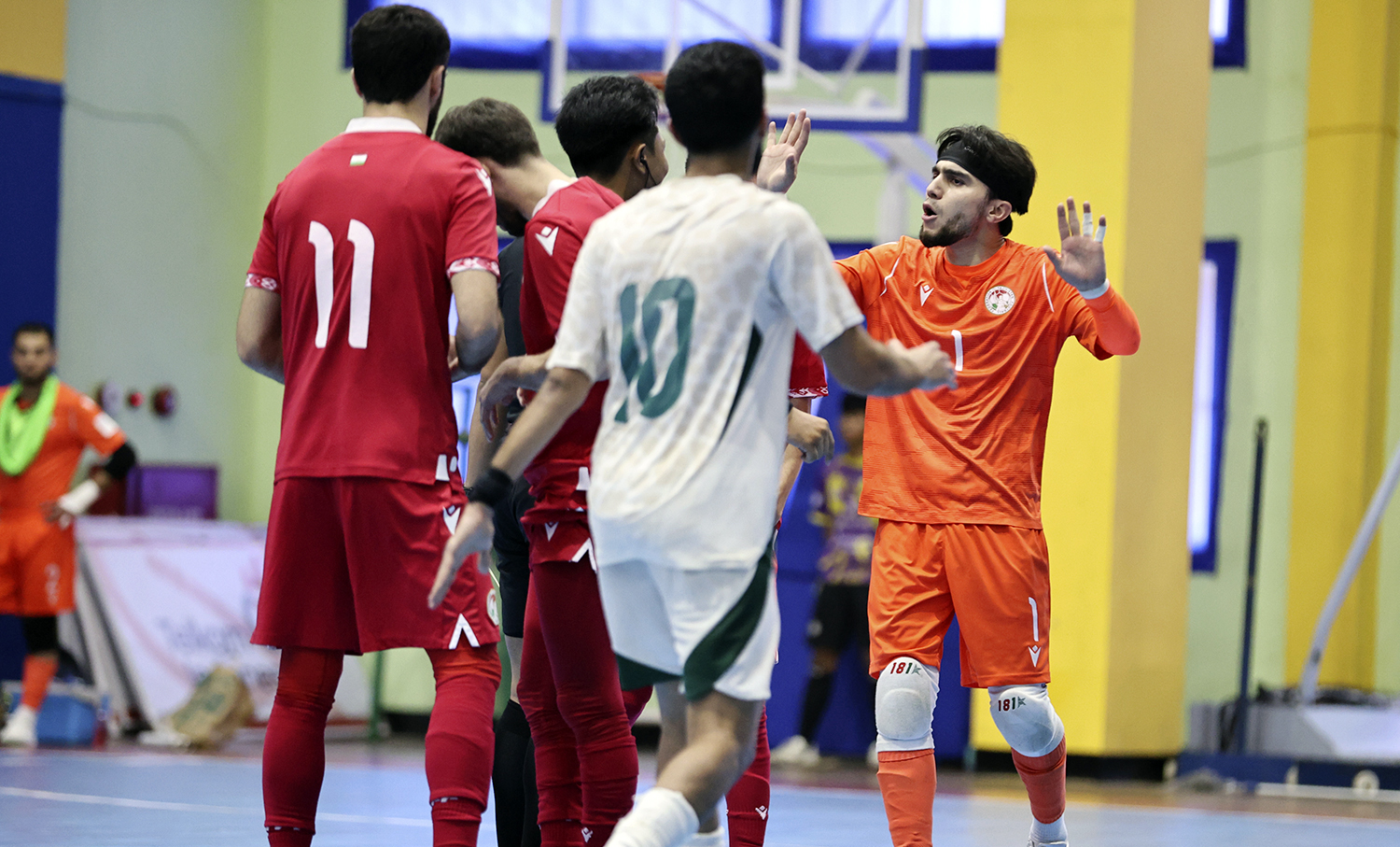
"The team is physically powerful, athletic, and motivated, and is going to the tournament with the intention of springing a surprise," our interlocutor believes.

Tajikistan: personnel factor and the role of the Head coach

Tajikistan will play the 2026 Asian Cup without Fayzali Sardorov — the long-time leader of the team and one of the best players in Asia in recent years — due to injury. His absence is a serious loss, but also a test of maturity for the entire team.

"Head coach Pairav Vakhidov has proven more than once that he is capable of achieving goals with any roster. His teams have been distinguished by organization, discipline, and the ability to adapt to difficult conditions. The roster chosen at the moment is the strongest possible, and it includes all players who are truly capable of helping the result.

There are grounds to hope that even in such a difficult group, the coaching staff will manage to pull off a surprise, despite the absence of the injured Fayzali Sardorov," said Yusufzoda.

Pairav Vakhidov continues to strengthen not only the team but also the national team's coaching staff. Murodullo Alikulov — ex-goalkeeper of the national team, participant in Asian Cups and Champions League matches, and one of the most experienced goalkeepers in the history of the national team — has joined the team.

"Since last year, Alikulov has headed CSKA, where the team demonstrates solid and organized futsal. Under the mentorship of Pairav Vakhidov, he has all the prerequisites to grow into a strong specialist, possessing vast playing experience and an understanding of futsal at the highest level.

The staff also includes Akbar Ortykov, an ex-player of 'Soro Company,' who, after a serious injury, has been successfully working for several years as an assistant coach in the club and the national team. Thus, already today, Tajik futsal has two promising coaches for the future," Yusufzoda said.

The goalkeeping line — the key pillar of the team

The goalkeeper position in the Tajikistan national team inspires particular confidence.

Firuz Bekmurodov is the long-time main goalkeeper of the national team and a permanent guardian of the gates, well known to all the country's fans. His experience and stability remain the most important factor in the team's reliability.

"He is challenged by Nuriddin Dzhaborov, who proved his high class in the Super League final — largely thanks to his reliability, 'Soro Company' became national champions. As the saying goes, the goalkeeper is half the team, and having two strong goalkeepers at once instills confidence: Tajikistan has two walls at the back," the expert added.

According to him, Bahodur Khojaev, who plays in the Uzbekistan championship, has been called up to the national team again. He missed the Asian Cup qualifying matches in Dushanbe, and it was perhaps he who was missed in the game against Japan when Tajikistan was leading. Back then, the roster was short due to injuries, and Khojaev's return will expand the depth and versatility of the team.

Tajikistan's chances

"The Tajikistan national team approaches the 2026 Asian Cup not only with serious challenges but also with real arguments: an experienced head coach, a reinforced and promising staff, a strong goalkeeping line, and a balanced roster. If all this works as a single mechanism and nothing fails, then the Tajikistan national team should advance from the group to the playoffs.

The opponents are worthy, but not insurmountable. The chances are very high. It only remains for us to wish the team health, confidence, and luck. It has everything else," the expert concluded.
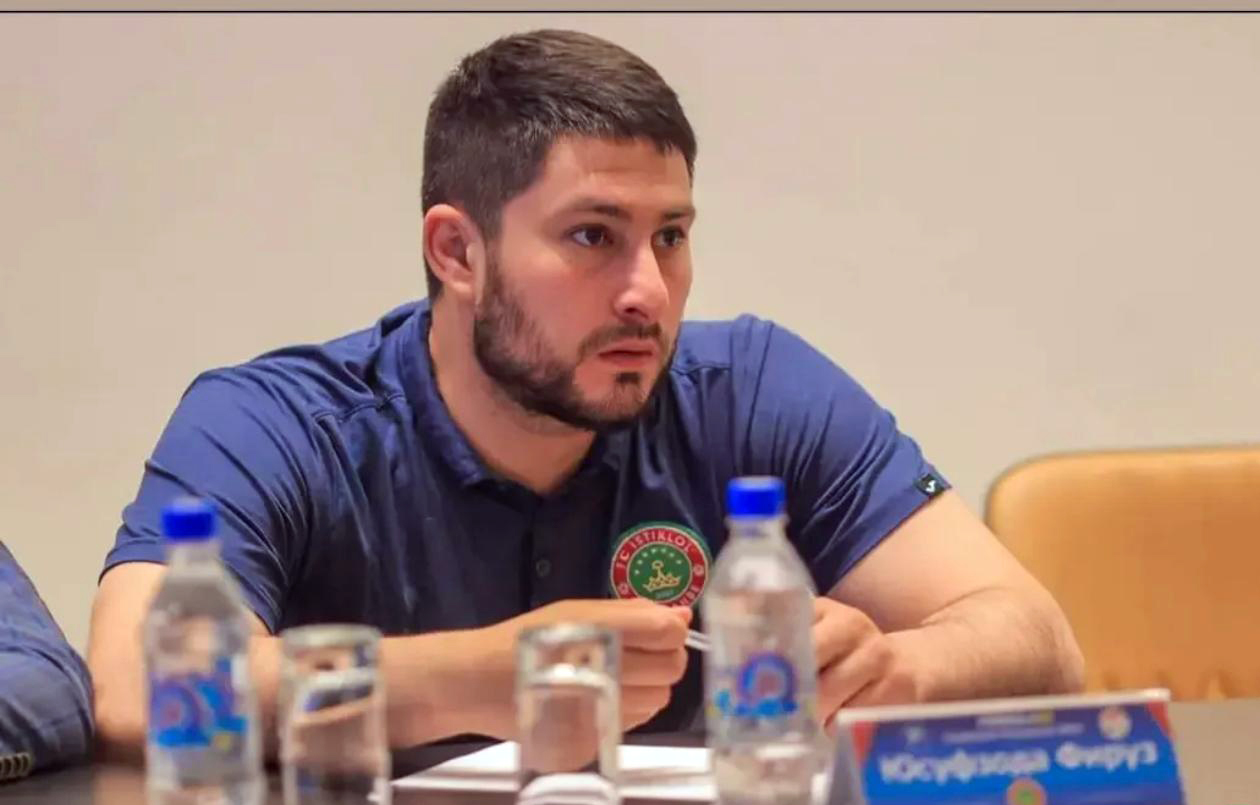
Firuz Yusufzoda — one of the most experienced and versatile specialists in Tajik futsal, combining management, coaching, and organizational work. Manager of the "Istiklol" futsal club, previously worked with the national and youth futsal teams of Tajikistan, participant in the final stages of Asian championships and international tournaments under the auspices of the AFC.

Holder of AFC licenses and certificates (Futsal Level 1, Coach "C", Goalkeeper Coach), as well as FIFA courses on the management and development of grassroots football. At various times, he worked in the Tajikistan Football Federation and the Dushanbe Football Federation, being responsible for conducting championships, strategic planning, and the development of youth football. As a player and coach, he is a multiple-time champion and prize-winner of the Tajikistan Futsal Championship and a participant in the AFC Futsal Club Championship. A specialist directly involved in the development of national teams, personnel training, and the systemic management of futsal in the country.
Tajikistan performs first endoscopic surgeries for prostate cancer patients

0

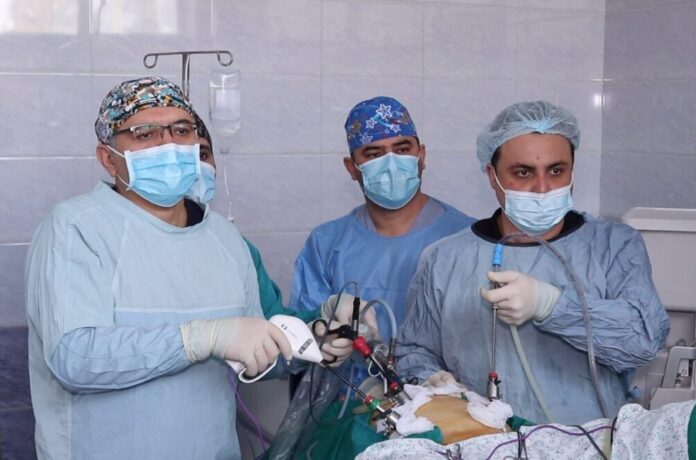
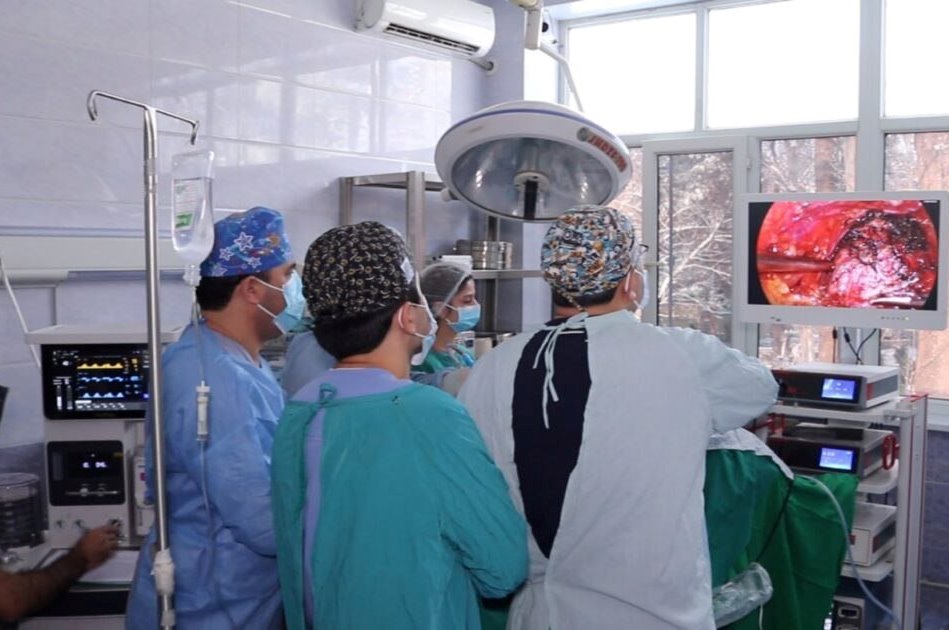
For the first time in Tajikistan, endoscopic treatment for prostate cancer has been successfully performed at the Republican Scientific Center for Oncology Research. Using a new minimally invasive method, five patients with prostate cancer underwent prostatectomy surgery, the Ministry of Health of the Republic of Tajikistan reports.

The surgery is performed through small incisions, which minimizes tissue damage and blood loss, reduces postoperative pain, and shortens hospital stays to 6–7 days. The Ministry of Health notes that the method is highly effective and reduces the risk of complications.

Previously, such operations were only performed using the open method—with a large incision, extensive tissue damage, long recovery times, and a high risk of complications. With the advent of endoscopic surgery, the treatment of prostate cancer has become more effective and less traumatic.

Earlier, at the Republican Scientific Center for Cardiovascular Surgery, a minimally invasive operation to remove a tumor of the pancreatic head was performed for the first time without surgical incisions—using an endoscopic method through the oral cavity.

As the Ministry of Health noted at the time, the treatment of pancreatic tumors in oncology patients was mostly conducted using open surgical interventions, requiring extensive incisions and a long recovery period. Minimally invasive endoscopic methods for such diagnoses had not been previously used in the country.

According to data from the Ministry of Health of the Republic of Tajikistan, a total of 72 innovations were introduced into the country's healthcare sector in 2025, of which 14 were in the field of diagnostics and 58 in the field of treatment.

Tajikistan’s army improved its position in the Global Firepower 2026 ranking

0

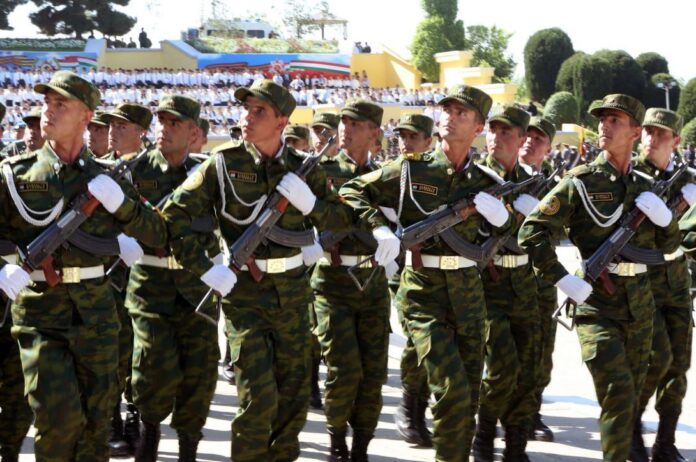
In the updated Global Firepower 2026 ranking, the Armed Forces of Tajikistan took 100th place among 145 countries of the world, rising by 8 positions at once compared to last year. In the 2025 ranking, the republic was at the 108th line, which indicates a noticeable growth in the country's military potential.

According to data from the Global Firepower analytical center, Tajikistan's Military Power Index in 2026 was 2.1749, whereas a year earlier this figure was 2.3049. In the GFP ranking, the closer the index value is to zero, the stronger the state's army is considered to be. Thus, a decrease in the index indicates a relative improvement in the country's position.

Position in Central Asia: Uzbekistan Took First Place

In 2025, Kazakhstan was recognized as the most powerful army in Central Asia, ranking 57th in the world. It was followed by Uzbekistan (58th place), Turkmenistan (77th), Kyrgyzstan (105th), and Tajikistan closed the regional list, being at the 108th position.

In 2026, the balance of power in the region changed. Uzbekistan became the leader of Central Asia, rising to 53rd place. Kazakhstan settled on the 58th line, Turkmenistan — on the 78th, Tajikistan improved its positions to 100th place, and Kyrgyzstan dropped to 109th place, becoming the last in the region in terms of military potential.

World Leaders of Military Power

In 2025 and 2026, the top three strongest armies in the world remain unchanged. The leaders of the Global Firepower ranking are the USA, Russia, and China.

At the bottom of the Global Firepower ranking are the armies of the Central African Republic, Benin, and Bhutan, which close the list in terms of military potential.

Action plan for livestock development for 2026-2027 approved in Tajikistan

0

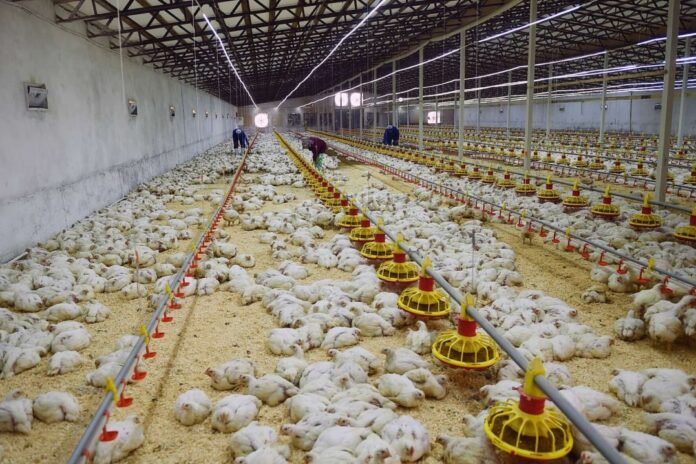
The Government of Tajikistan has approved the Action Plan for the implementation of the comprehensive Program (2023-2027) for the development of the livestock, poultry, fishing, and beekeeping sectors in the Republic of Tajikistan.

The plan is designed for 2026-2027 and includes measures to increase the production of meat, milk, eggs, fish, and honey, improve the quality of agricultural animals, and introduce modern technologies. The country plans to create new livestock, poultry, fish, and beekeeping farms, as well as develop the processing of agricultural products.

Within the framework of the Plan, provisions are made for the purchase of breeding livestock, poultry, fish eggs, and bee colonies, the development of selection work, artificial insemination, and support for farms. Attention is also paid to the construction of processing workshops, which will help increase the income of agricultural producers.

The total volume of financing for the Action Plan for 2026-2027 will amount to more than 57.2 million somoni. The funds will be directed toward the development of agriculture through the state budget, as well as domestic and foreign investments.

In 2026, financing will amount to more than 26.8 million somoni, of which 3 million somoni will be allocated from the state budget. In 2027, about 30.4 million somoni is provided for the implementation of the Plan, including just over 3 million somoni in budget funds. The main part of the financing will be provided through investments, which will allow for the acceleration of the development of the agricultural sector and the introduction of modern approaches in agriculture.

The largest volumes of financing will be directed toward the development of poultry farming and livestock breeding. 16.8 million somoni is allocated for the development of poultry farming, which will be directed toward the purchase of poultry, the creation and expansion of poultry farms, and the development of compound feed production. Livestock breeding will receive 16.5 million somoni — these funds will go toward improving the breed qualities of livestock, creating new farms, and developing selection work.

It is expected that the implementation of the Action Plan in 2026-2027 will contribute to the growth of domestic production, the sustainable development of rural areas, and the improvement of the living standards of the population.


With whom Tajikistan has a free trade regime

0

Over the years of state independence, Tajikistan has concluded agreements on free trade and preferential regimes with several countries around the world. Specialists believe that such agreements contribute to the growth of foreign trade and the strengthening of external economic relations.


What is a Free Trade Regime?

Some people understand the "free trade" regime as a complete exemption of the parties from the mutual payment of customs duties and other customs payments, but this is not the case. Even between the countries of the European Union, where customs duties and formal customs procedures have been abolished for goods moving within this association, restrictions exist. That is, there are exceptions, especially for sensitive goods (for example, agriculture, products with special safety or environmental requirements), as well as separate measures to protect the domestic market.

The same can be said about the Eurasian Economic Union (Russia, Belarus, Kazakhstan, Armenia, Kyrgyzstan). There, too, absolute freedom of movement for goods does not exist, as exceptions always apply regarding both certain categories of products and internal procedures, such as certification or environmental standards.

Thus, a free trade regime is a simplification of trade between countries, but not a total abolition of all restrictions. The terms of an agreement may vary depending on the goals and interests of the participating countries.

Agreement on a Free Trade Zone within the CIS

Tajikistan participates in this agreement; it facilitates trade with a number of countries: Russia, Belarus, Kazakhstan, Kyrgyzstan, Armenia, Moldova, and Uzbekistan (partially). According to this agreement, goods moving between CIS member states are exempt from most customs duties.

Tajikistan can export its goods to these countries without paying export duties, making trade more profitable and simple. The agreement covers a wide range of goods, but in individual cases, restrictions or additional measures may be applied.

That is, the free trade regime within the CIS is an agreement that eliminates customs duties and barriers on goods between participating countries but does not create a single customs territory, as in the EU or EAEU. CIS countries remain independent in establishing their own external tariffs and trade barriers. Unlike the EU and EAEU, where there is a unified external customs policy and common duties, in the CIS, countries can have different external duties and tariffs for third countries.

Also, within the Commonwealth, there may be exceptions for certain goods, and free trade agreements are often limited only to specific goods rather than covering all spheres of economic activity.

CIS Agreement on Free Trade in Services and Investments

In addition to trade in goods, Tajikistan participates in the agreement on free trade in services and investments, which also regulates the exchange of services and the attraction of investments into CIS countries. This arrangement helps create more flexible conditions for the development of business projects and increases economic cooperation in the service sector between the countries.

Bilateral Free Trade Agreements

Tajikistan has bilateral free trade agreements with individual countries, which involve the reduction or abolition of customs duties and trade barriers on certain goods in mutual trade. These agreements do not create a single free trade zone like the EU or EAEU and are limited to specific conditions for individual goods or industries.

Tajikistan concludes such agreements with several countries, which allows for improved access to their markets, while the countries remains free to set external tariffs and rules for trade with third countries.

Russia

Tajikistan has a bilateral agreement on free (duty-free) trade with Russia, signed in the 1990s. It excludes customs duties on goods originating from the territories of both countries. Specific goods to which duties do not apply are determined by annual protocols. Goods produced on the territory of one of the parties or processed using materials from third countries may be exempt from duties if they meet the established rules of origin.

Uzbekistan

Tajikistan and Uzbekistan signed a bilateral free trade agreement, which involves the reduction or abolition of duties on certain goods, such as agricultural products and industrial equipment. This agreement has been active since 1996 and provides preferential conditions for the mutual supply of goods.

China

A bilateral free trade agreement between Tajikistan and China, which came into force in 2011, regulates the reduction of duties on specific goods, including industrial equipment, textiles, as well as some agricultural and food products that are important for both countries.

Turkmenistan

The agreement between Tajikistan and Turkmenistan on free trade also focuses on reducing tariffs and barriers on certain goods, including agricultural products, construction materials, and petrochemical products. This agreement is aimed at facilitating trade in key goods between the countries.

Iran

The agreement between Tajikistan and Iran on free trade, which came into force in 2011, covers specific goods such as agricultural products, textiles, and metal products. Within the framework of this agreement, the duty on mutual trade in the specified categories of goods is reduced.

Kyrgyzstan

Tajikistan and Kyrgyzstan signed a bilateral free trade agreement that regulates the reduction or abolition of duties on certain goods, including agricultural and industrial goods, as well as goods related to mechanical engineering and energy.

Agreement within the ECO

Tajikistan also actively participates in economic cooperation within the framework of the Economic Cooperation Organization (ECO). This preferential trade agreement also provides opportunities for reducing duties in the region.

ECO Member Countries: Iran, Pakistan, Turkey, Turkmenistan, Azerbaijan, Kazakhstan, Kyrgyzstan, Uzbekistan, Afghanistan.

This association is aimed at facilitating trade and improving economic relations between the countries, and it can also become the basis for future free trade agreements.

Dushanbe strengthens measures to combat internet fraud

0

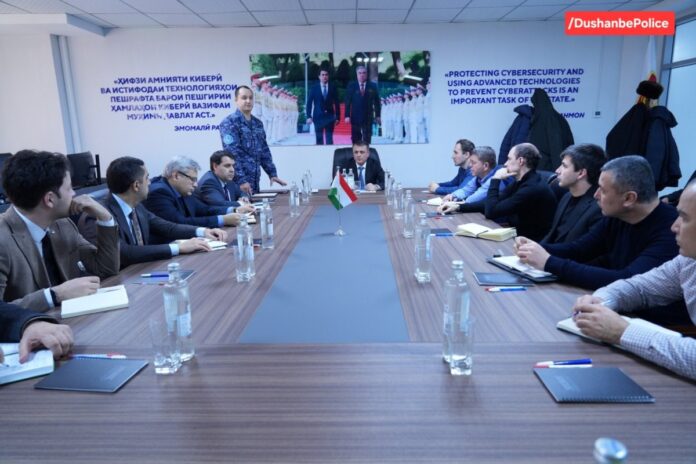
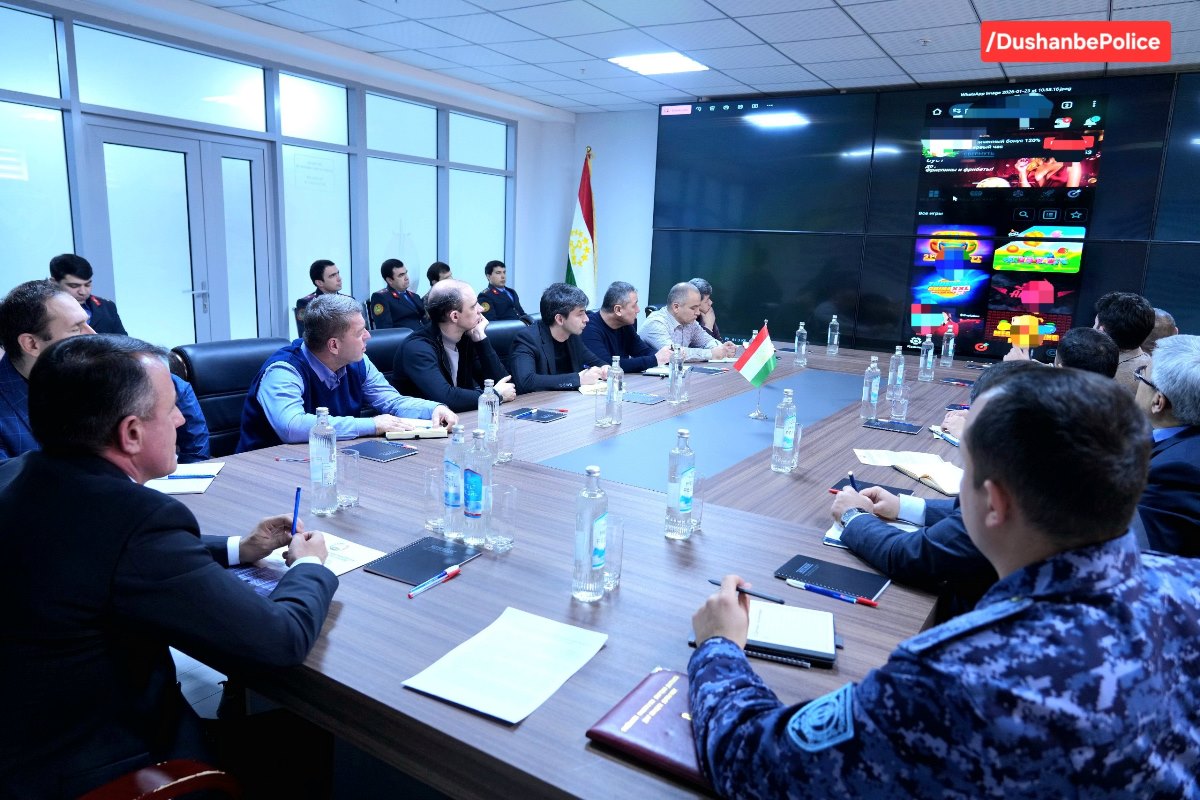
Due to the rise in cybercrime, the Dushanbe police, together with specialized agencies, have intensified coordination to ensure the digital and financial security of citizens, reports the Directorate of the Ministry of Internal Affairs for Dushanbe.

Issues of prevention and countering crimes in the digital sphere were discussed at a working meeting chaired by the Deputy Head of the capital's Directorate of the Ministry of Internal Affairs, Police Colonel Fayzali Saidalizoda, with the participation of information security specialists, representatives of the Communications Service, mobile operators, and the company "Tajiktelecom."

The parties discussed the coordination of actions to combat cybercrime, in particular telephone and Internet fraud, as well as mechanisms for identifying and preventing such crimes.

A separate meeting with the National Bank of Tajikistan and other banks of the country was dedicated to the fight against Internet fraud, the illegal use of bank cards, the identification of "drops" (drops or droppers are people recruited by fraudsters for the illegal withdrawal, cashing out, or transfer of stolen money — Ed. note), and the misappropriation of funds obtained by criminal means using cryptocurrencies.

Following the meetings, the parties agreed to strengthen inter-agency cooperation to protect the rights and legitimate interests of citizens.


Tajikistan’s minister of culture denies rumors of “relocating” all capital theaters into one building

0

The Minister of Culture of Tajikistan, Matlubakhon Sattoriyon, has refuted rumors that all of the capital’s theaters will be gathered under one roof in the under-construction National Theater building. Speaking at a press conference in Dushanbe on January 26, she stated that the National Theater will operate independently from other theatrical institutions.

Sattoriyon noted that the National Theater was established under the Executive Office of the President, and its activities will be autonomous.

"This theater (referring to the National Theater) has no relation to the Lohuti Theater, the Mayakovsky Russian Drama Theater, or any other theaters. These are independent entities," the Minister of Culture declared.

Mirzoolim Saidov, Head of the Arts Department of the Ministry, added that regarding the placement of all capital theaters—and specifically the integration of the Lohuti Theater into the National Theater—"no such instructions have been given."

The Minister of Culture and the Head of the Arts Department reported that the National Theater building is expected to be commissioned ahead of the 35th anniversary of independence celebrations, while the new building for the Vladimir Mayakovsky Russian Theater is slated for completion in early 2027.

It should be noted that rumors had been circulating among performers suggesting that once the National Theater building was completed, all troupes would be moved there. Prominent Tajik actors had voiced their alarm over these reports.

Specifically, People's Artist of Tajikistan Kurboni Sobir told "Asia-Plus": "If it is true that all the capital's theaters are to be gathered in the National Theater building, it is a wrong decision. This would lead to the stagnation of theatrical art."

Previously, the late People's Artist of Tajikistan Ubaydullo Rajabov also expressed his concern in an interview regarding the unification of theaters.

"Collecting all theaters in one building is a major crime. When all theaters are gathered in one place, creative competition dies, and no hope remains for improving the situation," the late artist had said.

On December 1, 2025, the National Theater was officially established in Tajikistan, and on January 7, 2026, Manuchekhr Sharifzoda was appointed as its first director.

Construction of the National Theater building is still ongoing. President Emomali Rahmon instructed the State Committee on Investments and State Property Management to provide the National Theater staff with temporary premises until the building is commissioned. Nearly two months later, it remains unknown whether a temporary building has been provided.

The first stone of the National Theater was laid in 2015, but construction was suspended in 2017 due to financial difficulties. Work resumed in July 2024 but has yet to be completed.

Tajikistan sets another record-low inflation level

0

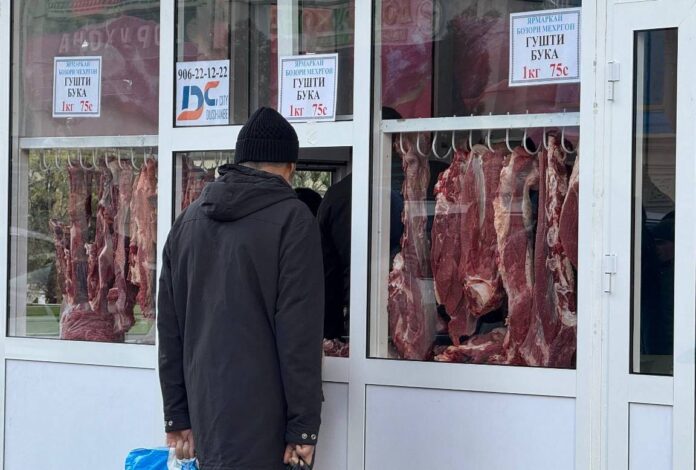
The inflation rate in Tajikistan’s consumer sector in 2025 was 3.5%, according to the country’s Agency for Statistics. The structure of inflation shows diverging trends: food products rose in price by 4.5% last year, non-food products by 1.5%, and paid services to the population by 5.7%.

Among food items, the following groups saw relatively higher price increases:

·         Meat products – by 10.9%

·         Vegetables – by 10.2%

·         Fruits – by 7.3%

The following goods saw a more noticeable decrease in price:

·         Flour – by 11.5%

·         Sugar – by 8.1%

·         Pasta – by 7.6%

·         Rice – by 3.9%

Non-food products in 2025 became more expensive mainly due to price hikes for:

·         Motor oil – by 10.6%

·         Detergents – by 4.1%

·         Clothing and footwear – by 3.3%

At the same time, prices for the following decreased significantly during the past year:

·         Liquefied gas (LPG) – by 31.9%

·         Diesel fuel – by 5.1%

·         Gasoline – by 3.3%

·         Pharmaceuticals – by 3.0%

Tariffs for paid services provided to the population increased mainly due to the rising cost of:

·         Housing and communal services (utilities) – by 10.4%

·         Personal services – by 9.8%

·         Catering services (public dining) – by 9.0%

It is noted that for the fourth consecutive year, Tajik statisticians have reported an unprecedentedly low inflation rate:

Inflation Rate by Year:

·         2022 — 4.2%

·         2023 — 3.8%

·         2024 — 3.6%

·         2025 — 3.5%

Prior to this, the lowest inflation rate in all the years of the republic's independence was recorded only in 2013 — 3.7%.

Meanwhile, many residents, as in the previous three years, express skepticism regarding the official data, noting that the real increase in prices for products and services in their daily lives is much higher.

Earlier, the National Bank of Tajikistan, in a comment to "Asia-Plus" regarding the distrust of official inflation data, explained that the rise in prices for individual goods does not reflect the overall situation. The regulator notes that the consumer basket includes a wide range of goods and services; therefore, evaluating the inflation level based only on the price increase of a few items is incorrect.

A similar position was previously expressed by the statistics agency, noting that official inflation is calculated based on an expanded basket of goods and services, which differs significantly from the set of purchases of an individual consumer.