Home Blog Page 79

The most expensive squad of Tajik players: Rustam Yatimov remains the leader

0

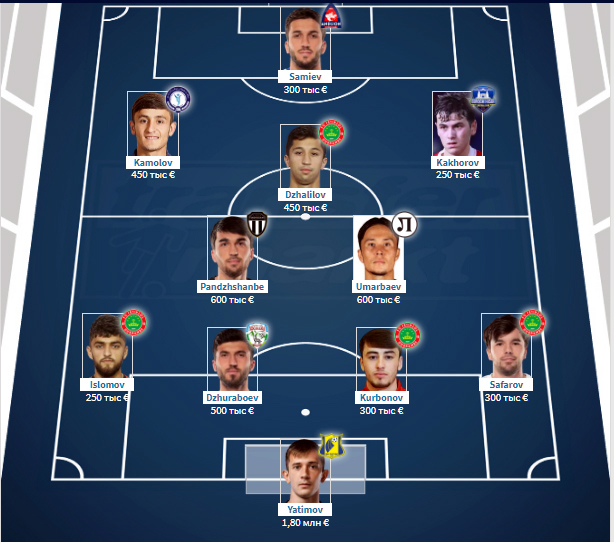
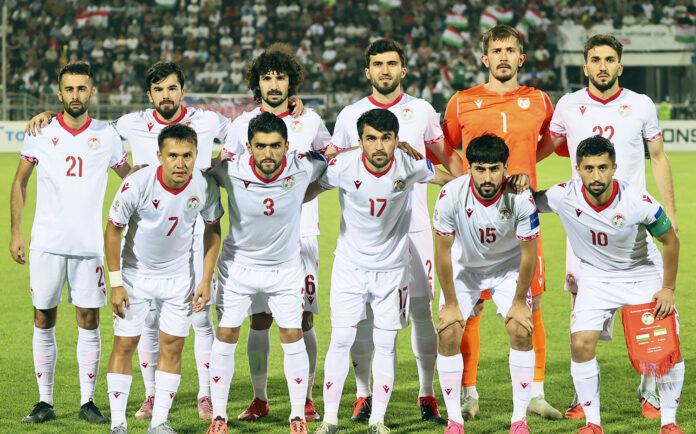
If one were to assemble a symbolic Tajikistan national team based solely on the market value of the footballers, it would provide a telling cross-section of modern Tajik football. This team features a clear standout leader, a strong midfield line, and a notable presence of legionnaires playing abroad.

The undisputed number one in this squad remains Rustam Yatimov. The “Rostov” goalkeeper is valued at €1.80 million by Transfermarkt and is the most expensive Tajik footballer in general. His consistent performances in the Russian championship and his status as the national team's primary goalkeeper make Yatimov a key figure not only for this symbolic team but for Tajik football as a whole.

The center of defense in the most expensive version of the squad is formed by two players of different profiles. Zoir Dzhuraboev, playing for “Sogdiana” from Jizak, is valued at €500,000 and is the country's most expensive defender. His partner is Sodiqjon Kurbonov from “Istiklol”, whose value is €300,000. Kurbonov is one of the few central defenders in the domestic league whose price is comparable to that of legionnaires.

The defensive flanks are also represented by “Istiklol” players. Manuchekhr Safarov (€300k) operates on the right, and Tabrez Islomov (€250k) on the left. Both players are among the most consistent defenders in the Tajikistan championship and are regularly considered candidates for the national team.

The central line is the most expensive and densely packed part of this team. Ekhsoni Pandzhshanbe, playing for Malaysia's “Terengganu”, is valued at €600,000 and is one of the country's most valuable midfielders. Parviz Umarboev from “Lokomotiv” (Plovdiv), an experienced defensive midfielder playing in the Bulgarian championship, has an identical valuation. These two players form the backbone of the midfield.

Positioned slightly higher is Alisher Dzhalilov. The “Istiklol” attacking midfielder is valued at €450,000 and remains one of the national team's most experienced players.

The attacking flanks feature a combination of experience and youth. On the left is Amadoni Kamolov, playing for Iran's “Gol Gohar” and valued at €450,000. On the right is the youngest player in this squad, Muso Kakhorov from “Barkchi”, whose value is €250,000. At 18, he is already among the most expensive wingers in the country.

Leading the attack is Shahrom Samiev from Uzbekistan's “Andijan”. The center-forward is valued at €300,000.

In total, this symbolic squad demonstrates that Tajikistan's most expensive footballers today are concentrated not only in “Istiklol” but also in foreign leagues – Russia, Uzbekistan, Iran, Malaysia, and Bulgaria.

The Government of Tajikistan discusses 2025 outcomes and development priorities for 2026

0

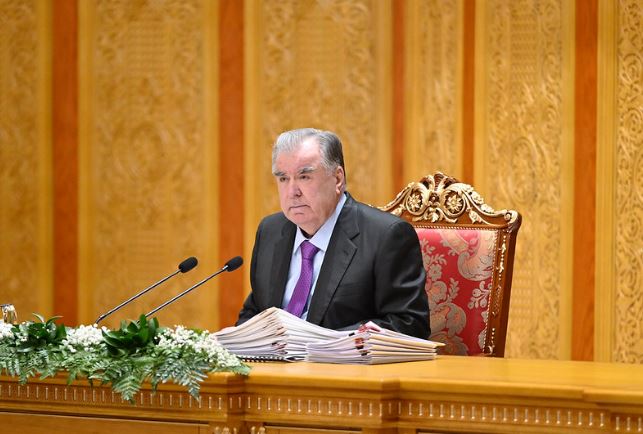
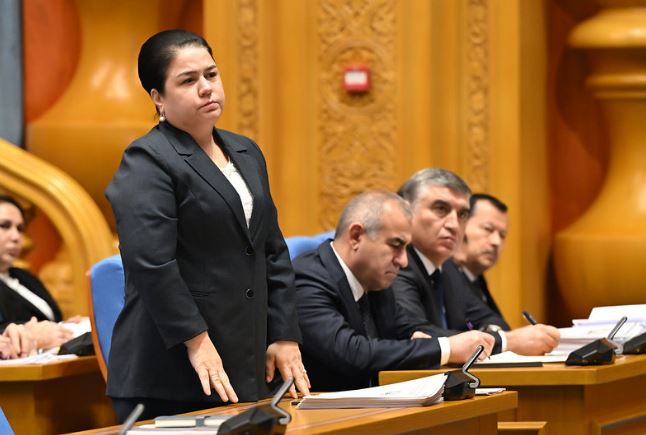
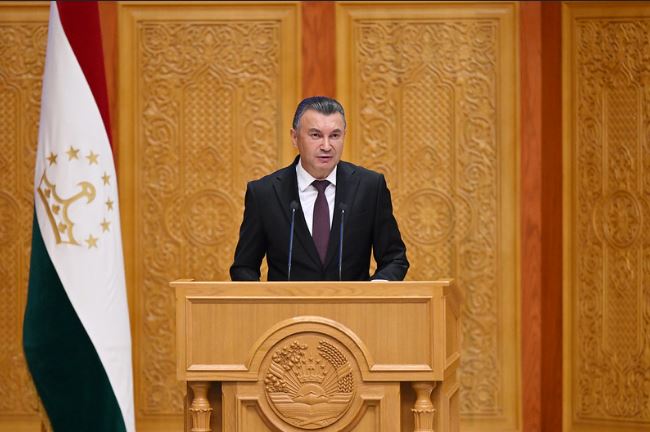
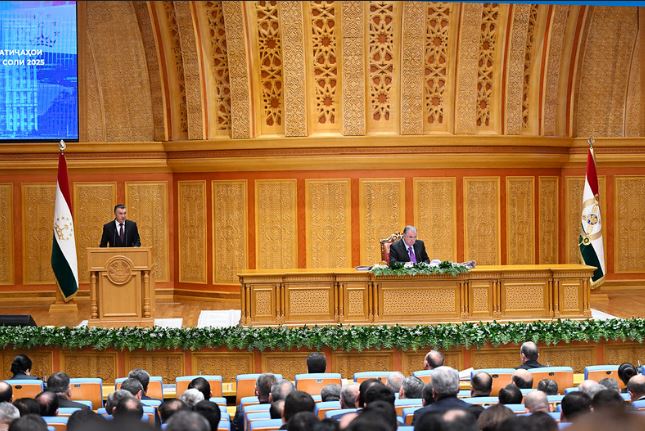
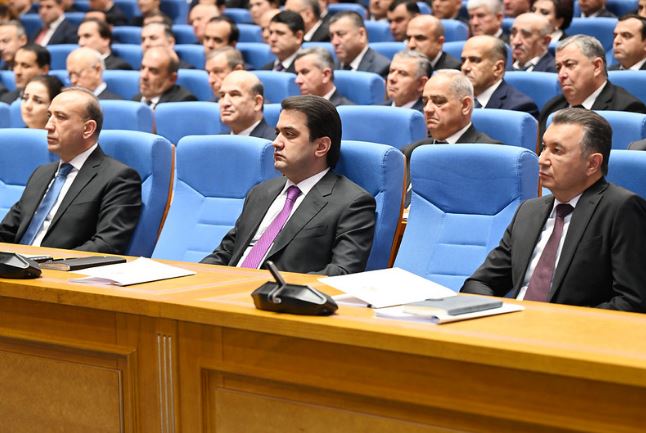
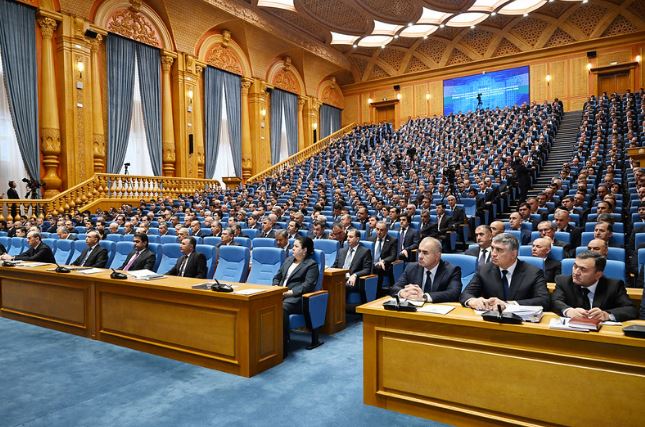
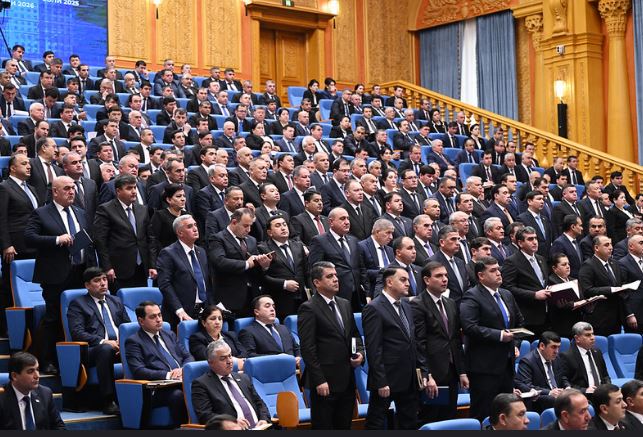
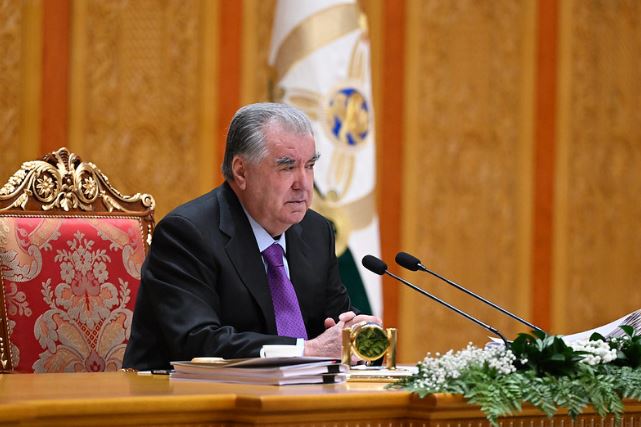
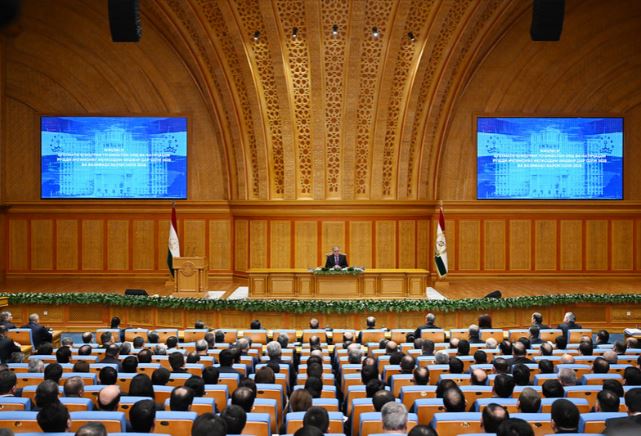
On January 23, an expanded session of the Government of the Republic of Tajikistan was held at the Government House, chaired by President Emomali Rahmon. The meeting was attended by members of the government, the leadership of the President's Executive Office and its branches, heads of central state bodies, republican enterprises and institutions, regional, city, and district governors, heads of higher education institutions, banks, investment centers, and media representatives.

Socio-Economic Development Results for 2025

The primary focus of the meeting was to review the country’s socio-economic development in 2025 and define priority tasks for 2026.

Prime Minister Kohir Rasulzoda presented a report, noting that despite complex global challenges, 2025 was a successful year for Tajikistan, achieving significant results in the country’s political and socio-economic life.

Macroeconomic Indicators and the Budget

GDP: Totaled 176.9 billion somoni, with an economic growth rate of 8.4%.

Inflation: Decreased to 3.5%.

State Budget Revenue: Reached 60.3 billion somoni, exceeding targets by 7 billion somoni.

Fixed Capital Investment: Reached 28.7 billion somoni, a 23% increase compared to 2024.

Industry and Energy Development

In 2025, 400 new industrial enterprises were commissioned, contributing to a 22.1% growth in industrial production and the creation of 17,000 jobs.

In the energy sector, 13 state investment projects worth 14.9 billion somoni were implemented. Electricity production increased by 7%, reaching 24 billion kWh.

Agriculture and Food Security

Total agricultural output amounted to 84.6 billion somoni, ensuring a growth rate of 9.5%. The government continued efforts to bring new land into cultivation, develop livestock and crop production, and expand agricultural exports.

Special attention was directed toward preparations for the spring sowing campaign, the introduction of water-saving technologies, the use of high-quality seeds, and increasing crop yields.


Investment, Entrepreneurship, and Banking

In 2025, the country attracted 59.5 billion somoni in foreign investment, a 35% increase over the previous year. Total bank lending reached 30 billion somoni.

The leadership of financial and banking institutions was instructed to step up lending to businesses, expand non-cash payments, and accelerate the digitalization of financial processes.

Transport, Trade, and Services

Transport: 14 investment projects worth 11.7 billion somoni were implemented. During the year, 155 million tons of cargo and 1.1 billion passengers were transported.

Trade: Turnover reached 77.3 billion somoni, while paid services totaled 30.5 billion somoni.

Foreign Trade: Increased by 20.5%.


Social Sphere

In 2025, 4,056 general education institutions operated in the country; 214 new schools and additional buildings for 99,000 students were built. The number of preschool institutions reached 795 units.

A total of 4.3 billion somoni was allocated for healthcare development. 113 medical institutions were commissioned, and over 300 facilities underwent major repairs and reconstruction.

280,000 new jobs were created from all sources.

Reports from Ministries and Agencies

The meeting heard reports from the Minister of Finance, the heads of the Tax Committee and Customs Service, the Prosecutor General, the Chairman of the National Bank, and leaders of sectoral ministries and investment bodies.

Following the discussions, the President gave specific instructions to strengthen financial discipline, eliminate tax arrears, combat corruption, and transition financial processes into electronic formats.

Regional and Capital Development

Rustam Emomali, the Chairman of Dushanbe, reported the creation of 46,000 jobs, a regional GDP growth of 8.3%, and a city budget surplus of 22.2%. Reports were also heard from the chairmen of the Gorno-Badakhshan Autonomous Region, Sughd Region, and Khatlon Region regarding their respective development results.

Key Objectives for 2026

Summarizing the results of the meeting, Emomali Rahmon outlined the priority areas for 2026, including ensuring economic growth of at least 8%, accelerated industrialization, digitalization of the economy, the development of "green" energy, and improving the population's standard of living. Particular attention was instructed to be paid to the fulfillment of the state's social obligations, the increase of wages, pensions, and scholarships, as well as preparations for the celebration of the 35th anniversary of the State Independence of the Republic of Tajikistan.

The President's Closing Remarks

The Head of State emphasized the personal responsibility of government members, ministry heads, and local authorities in executing the instructions from the President's Address and government decisions, correcting identified shortcomings, and ensuring the sustainable development of the country.


This year, the holy month of Ramadan will start in Tajikistan on February 18

0

According to the preliminary calculations, the holy month of Ramadan his year will start in Tajikistan on February 18, the Committee on Religious Affairs under the Government of Tajikistan (CRA) says.   

An official source within the CRA says the final decision regarding the start of Ramadan will be made during a general meeting of the Shuroi Ulamo Council (Council of Ulema – Tajikistan’s highest Islamic institution) that will take place next month.    

Besides, performance of Taraweeh (additional ritual prayers performed by Muslims at night after the Isha prayer during the holy month of Ramadan), will also be announced at the general meeting.

The meeting will also announce the amounts for sadaqa al-fitr (charity given by believers during fasting), zakat, and fidya,” the source added.  

Sadaqa al-Fitr (also known as Zakat al-Fitr) is charity given to the poor at the end of the fasting in the Islamic holy month of Ramadan.  The Arabic word Fitr means the same as iftar, breaking a fast, and it comes from the same root word as Futoor which means breakfast. Sadaqa al-Fitr is a duty which is wajib (required) of every Muslim, whether male or female, minor or adult as long as he/she has the means to do so. This amount is reportedly based on an average price for two kilograms of wheat.

Zakat is a form of alms-giving treated in Islam as a religious obligation or tax,] which, by Quranic ranking, is next after prayer (salat) in importance. As one of the Five Pillars of Islam, zakat is a religious obligation for all Muslims who meet the necessary criteria of wealth. It is a mandatory charitable contribution, often considered to be a tax. Zakat is based on income and the value of all of one's possessions.  It is customarily 2.5% (or 1/40) of a Muslim's total savings and wealth above a minimum amount known as nisab, but Islamic scholars differ on how much nisab is and other aspects of zakat.  According to Islamic doctrine, the collected amount should be paid to the poor, the needy. Today, in most Muslim-majority countries, zakat contributions are voluntary, while in a handful (Libya, Malaysia, Saudi Arabia, Sudan, and Yemen), zakat is mandated and collected by the stat

Fidyah or fidya is religious donation made in Islam when a religious obligation (such as fast for Ramadan) has been missed or broken. Fidyah serves as compensation for when a Muslim was unable to fulfill the obligation for reasons beyond their control.  

For reference, Ramadan in the previous year began on March 1. In 2025, the amount for sadaqa al-fitr was 8 somonis, and zakat amounted to 900 somoni. Last year, zakat is obligatory for those whose excess assets were no less than 36,000 somonis. Fidya last year was set at 480 somoni for 30 days of fasting in 2025.

The fasting, which is the fourth pillar of Islam, is practiced during the month of Ramadan.  Ramadan is derived from an Arabic word for intense heat and sun-scorched ground.  It is the ninth month of the Islamic (Hijri) calendar, established in the year 638 CE.  It is considered the most venerated, blessed and spiritually-beneficial month of the Islamic year.  Prayers, fasting, charity, and self-accountability are especially stressed at this time; religious observances associated with Ramadan are kept throughout the month.

The most prominent event of this month is the fasting practiced by observant Muslims.  Every day during the month of Ramadan, Muslims around the world get up before dawn to eat the Suhoor meal (the predawn meal) and perform their fajr prayer.  They break their fast when the fourth prayer of the day, Maghrib (sunset), is due.

During Ramadan, Muslims are expected to put more effort into following the teachings of Islam and to avoid obscene and irreligious sights and sounds.  Purity of both thought and action is important.  The fast is intended to be an exacting act of deep personal worship in which Muslims seek a raised level of closeness to God Almighty.  The act of fasting is said to redirect the heart away from worldly activities, its purpose being to cleanse the inner soul and free it from harm.  Properly observing the fast is supposed to induce a comfortable feeling of peace and calm.  It also allows Muslims to practice self-discipline, sacrifice, and sympathy for those who are less fortunate, intended to make Muslims more generous and charitable.  Muslims can eat after the sun has set.  Pregnant women, the elderly, the ill, travelers and children who have not reached puberty are all exempt from fasting as lack of food and liquid in these situations could be detrimental to health. 


World Bank supports Central Asia’s first regional electricity market to boost energy security and affordability

0
kg-toktogul-reservoir-780x439

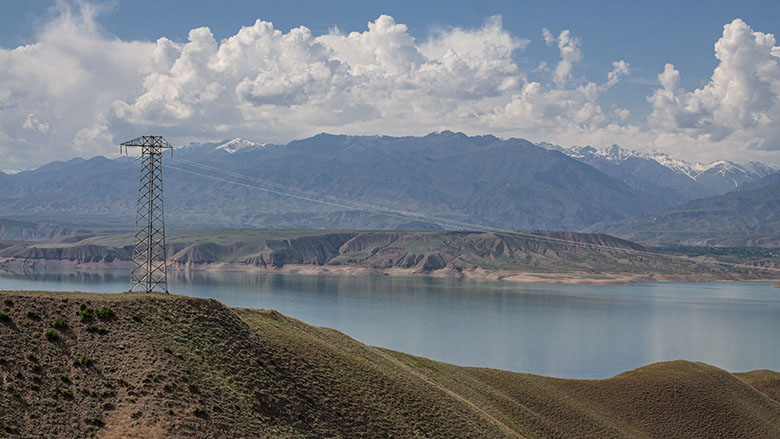
The World Bank’s Board of Executive Directors yesterday approved the Regional Electricity Market Interconnectivity and Trade (REMIT) Program, which will be implemented over a 10-year period across three phases to boost energy connectivity in Central Asia. The multi-phase program will establish Central Asia’s first-ever regional electricity market, increase electricity trade, expand transmission capacity, and lay the groundwork for large-scale renewable energy integration.

During the REMIT Program’s first phase, the Kyrgyz Republic, Tajikistan, and Uzbekistan, as well as the Central Asian Countries’ Coordinating Dispatch Center (CDC) Energia, will benefit from program grants and concessional financing totaling $143.2 million, comprising $140 million from the World Bank’s International Development Association (IDA) and $3.2 million in grants from the Central Asia Water and Energy Program (CAWEP), to implement their respective activities.

Electricity demand in Central Asia is climbing fast and is projected to triple by 2050 under a business-as-usual scenario. As the region’s economies grow, resulting in population growth, more industries, and larger cities, the need for affordable, reliable, and sustainable energy is becoming more urgent than ever.

Despite its potential to enhance energy security and affordability, electricity trade in Central Asia remains limited, reaching only about 3 percent of total electricity demand. Variable renewables contribute only 4 percent of power generation, even though the region is endowed with abundant and highly complementary clean energy resources that remain underutilized.

The REMIT Program aims to harness the region’s complementary energy assets: hydropower in the Kyrgyz Republic and Tajikistan, thermal power in Kazakhstan, Turkmenistan, and Uzbekistan, and the growing solar and wind potential across all Central Asia countries. 

Over the next decade, the REMIT Program aims to increase electricity trade to at least 15,000 GWh annually – enough to meet the yearly needs of millions of people across Central Asia, while more than tripling transmission capacity to 16 GW and enabling up to 9 GW of clean energy resources. Strengthening regional integration will support a more balanced and resilient power system, reduce outages, and lower energy costs for households and businesses. 

“The REMIT Program supports Central Asian countries’ ambition to deepen energy cooperation and create a regional electricity market. This will enable more efficient use of energy resources, including cross-border deployment of clean energy, improve access to, reliability, and affordability of electricity for people and businesses, and support jobs,” said Najy Benhassine, World Bank Regional Director for Central Asia. “By 2050, stronger electricity connectivity and trade could generate up to $15 billion in economic benefits for the region.”

The REMIT Program has total indicative financing of $1.018 billion across three phases. These funds will help finance the design and operationalization of a regional energy market, strengthen regional transmission capacity, introduce digital systems to improve grid reliability, and enhance regional institutions and coordination. Program investments will also create direct construction-related jobs as well as highly skilled roles to operate the regional electricity market.

“The launch of the Central Asian regional electricity market, underpinned by a strengthened grid, will advance energy security, support large-scale renewable integration, and unlock private investment. The first phase alone is expected to enable about 900 MW of new clean energy capacity, leveraging $700 million in private investments. This will pave the way for a more resilient and interconnected power system across this dynamic region,” said Charles Cormier, World Bank Regional Infrastructure Director for Europe and Central Asia.

Future phases will build on this foundation by expanding the market platform, reinforcing and digitalizing regional transmission networks, and strengthening regional institutions. 

CDC Energia, mandated to coordinate power exchanges between Central Asian countries, will implement the market and institutional activities, while national transmission companies will carry out grid investments. A Regional Steering Committee, comprising energy ministries and implementing agencies, will oversee the overall program implementation.

CAWEP is a multi-donor trust fund managed by the World Bank in partnership with the European Union, Switzerland, and the United Kingdom. Its mission is to strengthen regional cooperation on water and energy security in Central Asia.

European Investment Bank to support Tajikistan’s transport infrastructure with €100 million

0

The European Investment Bank (EIB) has allocated €100 million for the implementation of transport projects in Tajikistan, according to the country's Ministry of Transport.

Tajikistan's Minister of Transport, Azim Ibrahim, met with an EIB delegation led by Mr. Edwardas Head of EIB Asia and Pacific Division. 

The meeting reportedly focused on the development of bilateral cooperation, including the implementation of transport infrastructure projects.

The allocated funds will be used for modernizing infrastructure and improving the accessibility of transport services, which is expected to contribute to economic development and strengthen regional integration.

The support for transport projects is outlined in a Memorandum of Understanding (MoU) between Tajikistan and the EIB. The document was first presented at the Investor Forum on Sustainable Transport Links between Europe and Central Asia, part of the European Union’s Global Gateway initiative, in January 2024 in Brussels. The MoU was signed by both parties on April 4, 2025.

EIB representatives expressed interest in further developing cooperation under this MoU and noted that priority regional transport projects would be proposed for financing.

What do the threats from Kremlin propagandists toward Central Asia mean?

0

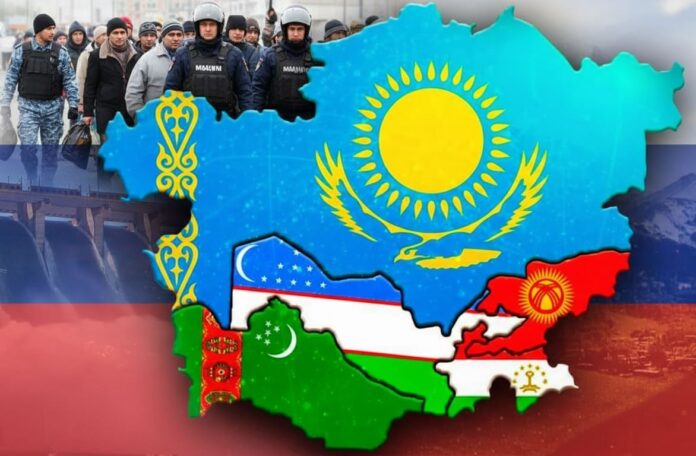
The recent threats made by Russian propagandist journalist Vladimir Solovyov and ideologue Alexander Dugin regarding a "special military operation" in Central Asia and the denial of the sovereignty of its countries have sparked a wave of outrage and concern in the societies of the region. While the official authorities of these countries have refrained from commenting on the matter, civil society and some public figures have condemned these statements.

Experts in Tajikistan interpreted these remarks as an attempt to demonstrate power in a time of strategic weakness, potentially laying the groundwork for future intervention. They argued that such comments would never have been made on state-controlled television without the approval of the Kremlin.


What did Solovyov and Dugin say?

On January 10, Kremlin mouthpiece Vladimir Solovyov stated on his show Solovyov Live that Armenia and the countries of Central Asia are Russia's "sphere of influence," and that losing these countries would pose an "extremely serious problem" for Moscow. He questioned, "If Russia has launched a 'special military operation' in Ukraine to ensure its national security, why can't it do the same in other areas of its influence?" Solovyov emphasized that international law and sovereignty should not be respected.

Following this, the Russian far-right political philosopher Alexander Dugin, who is an ideologue and influential propagandist closely associated with the Kremlin, declared that the era of nation-states had ended and openly opposed the sovereignty of Central Asian countries, including Tajikistan. He argued, "We cannot accept the existence of independent Armenia, Georgia, Azerbaijan, Kazakhstan, Uzbekistan, Tajikistan, and Kyrgyzstan. In the new world model, nothing can be independent. Sovereignty is over, and nation-states belong to the past." Dugin went further, stating that territories not under Russia’s control must either become part of the Russian Union or be turned into military bases for the West, NATO, or China, asserting, "There is no middle ground."


Reactions from Central Asia

The Armenian Ministry of Foreign Affairs quickly summoned the Russian ambassador to deliver an official protest, stating that such remarks were "not in line with the spirit of strategic partnership."
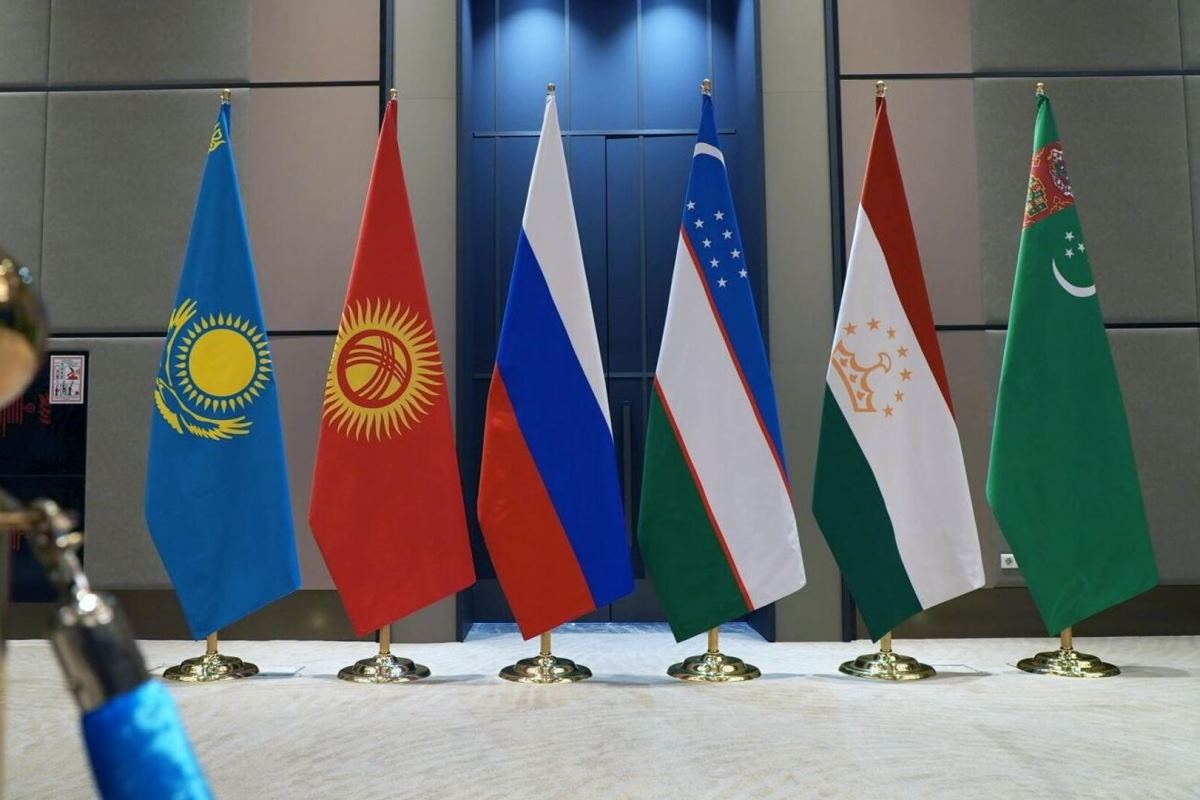
While official responses from the governments of Central Asian nations, including Tajikistan, have been absent, civil society groups in these countries voiced their objections.

In Kyrgyzstan, several politicians and public figures called for Solovyov to be declared a persona non grata and banned from entering the country. Kyrgyz media characterized his statements as a direct threat to national sovereignty.

Kazakh and Uzbek media also published reactions from experts and civil society members condemning the remarks by Solovyov and Dugin.

Maria Zakharova, a spokesperson for the Russian Ministry of Foreign Affairs, was forced to clarify that Solovyov's words were "not the official position of the state," but rather his "personal opinion." She emphasized that Russia continues to view Central Asian countries as "strategic partners."


What do experts think?

Rustam Azizi, an expert on countering violent extremism, told Asia-Plus that the statements were more of an attempt to shift the internal propaganda agenda in Russia.
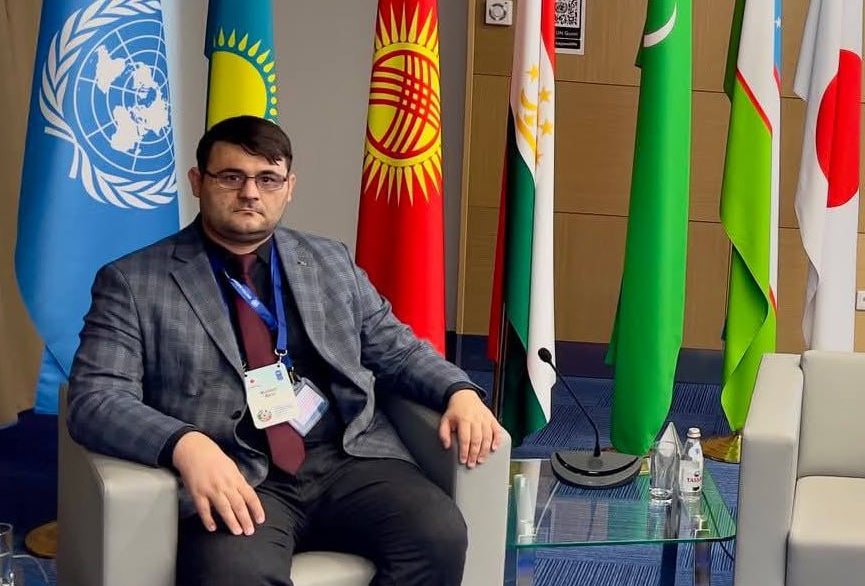
"Against the backdrop of Russia's loss of influence in several areas — such as the fall of Assad’s regime in Syria, the crisis with Maduro, and uncertainty in Ukraine — propagandists are forced to seek new themes and ideas," Azizi explained.

According to Azizi, the goal of figures like Solovyov and Dugin is primarily to create the illusion that Russia is still a great power, at least on the regional level. "This is a symbolic effort to maintain the image of a superpower in the minds of the domestic audience," he said.

Azizi believes that while these statements may not be preparing the ground for immediate intervention, they could be testing reactions and preparing for possible future actions.

Why it’s important to respond

Azizi stressed that for many years, post-Soviet countries refrained from responding harshly to such comments in order to avoid escalating tensions, and Russian propagandists took advantage of this silence. However, recent reactions from civil society activists and public figures indicate that this era may be coming to an end. "Today, even with official caution, Central Asian societies and countries are actively defending their sovereignty in the public and media space," Azizi noted.

He added that Tajikistan's response should not be emotional but must involve expressing a clear position on legal and media platforms.


"Dugin's words are the dream of an utopian"

Regarding Dugin’s statements, Azizi asserted that from an international law perspective, denying the independence of Central Asian countries is entirely unfounded. "The independence and sovereignty of Central Asian countries are recognized by the international community, including the United Nations and other key institutions, and, most importantly, they are recognized by Russia itself. From a geopolitical perspective, this is not a reality but rather a utopian dream," Azizi said.

He emphasized that the world is no longer bipolar and pointed out that the countries of the region have the ability to pursue their own political strategies, diversify their partnerships, and protect their interests. Azizi warned that such statements directly fuel xenophobia and anti-immigrant sentiments. "This is not just a political action; it's also a social and humanitarian issue. Therefore, the countries of the region must be active not only in diplomacy and media but also in protecting the rights of their citizens."


"This is not an accident; it's a deliberate policy"

Shuhrat Latifi, an expert on migration, believes that Solovyov and Dugin are voicing what the Russian leadership does not want to publicly acknowledge, but what is, in fact, part of their plans.
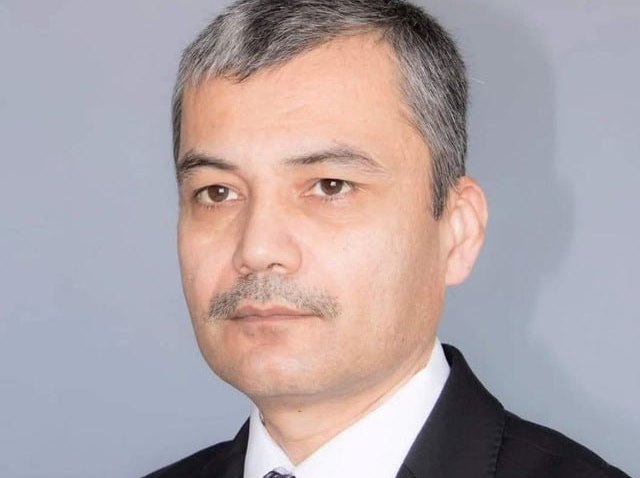
He dismissed the explanation by Russia's Ministry of Foreign Affairs as meaningless, emphasizing that "there are no personal opinions on state-controlled channels."

Latifi warned that the propagation of such ideas is part of a strategy called "the Overton window," where shocking ideas are introduced to prepare the public for more extreme actions. He highlighted that Russian propaganda has long claimed that "these states were artificially created" and "should be returned." This is a real threat, according to Latifi, who fears it could lead to actions such as raids or even the loss of citizenship.


Why should Central Asia be with Russia?

Saifullo Safarov, a political scientist and former first deputy director of the Center for Strategic Studies under the President of Tajikistan, offers a different perspective on the matter.
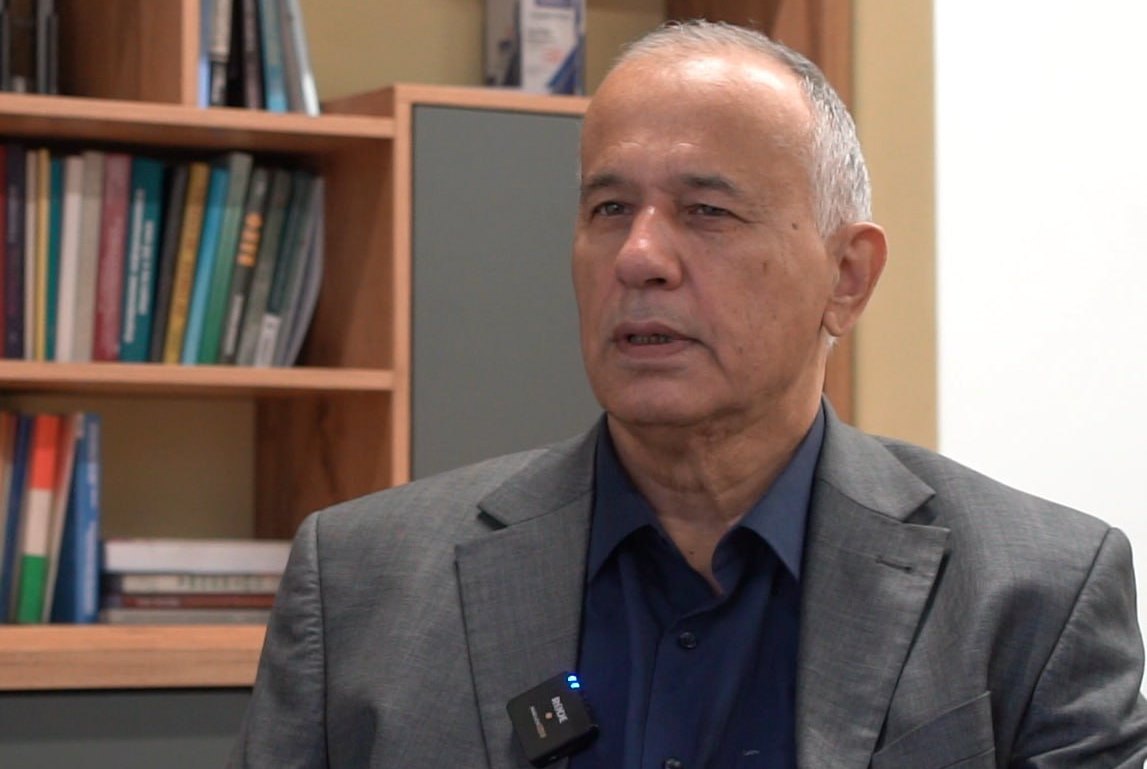
He noted that "Dugin and Solovyov express the views of certain groups, but this cannot represent the opinion of all of Russia."

"We have known for over 100 years what Russia means to us. There have always been two groups in Russia: one that is with us and another that is with others. We need to rely on those who support us," Safarov remarked.

While the political scientist did not specify who he meant by "those supporting us" and "others," he emphasized that "every day on the internet, hundreds of people support the Tajik people and Tajikistan."

"For us, being with Russia is very important. Our people see Russians as their relatives. They are just like us, except for the fascist and nationalist groups," Safarov emphasized.


Can Central Asia prevent negative outcomes?

Rustam Azizi outlined several important directions for preventing such threats: "Preventing these threats depends on internal unity, a balanced foreign policy, the development of political awareness, and the protection of the media space."

Latifi believes that Central Asian countries should maintain good relations with Russia but strengthen their sovereignty. He pointed out three factors that will restrain Russia:

·         The growing role of China, which considers Central Asia an area of economic interest and will not allow disorder.

·         Russia's military and economic weakness, as the war in Ukraine has depleted its resources.

·         The increasing influence of Turkey, which serves as a powerful alternative in military, political, and cultural terms, especially with its close ties to the Turkic countries of Central Asia.


How real is the threat?

Rustam Azizi believes that direct military intervention in Central Asia is unlikely, but the attempt to create an ideological and informational basis for such actions could continue. He explained that the threat may not manifest in a sudden military attack but could involve a gradual preparation of the psychological and informational groundwork for future influence. However, Azizi noted that Central Asian societies have learned from the events in Ukraine and are now more vigilant: "Today, the societies of Central Asia are no longer willing to ignore threats, and this in itself is a deterrent factor."

Shuhrat Latifi, commenting on the situation in the context of Ukraine, pointed out that in Tajikistan, the Russian-speaking population is small, so the "protection of Russian speakers" argument would work much less than it did in Donbas. However, Latifi is concerned that other scenarios, such as creating unrest along the Afghan border or using the Collective Security Treaty Organization (CSTO) for military intervention, could be used as pretexts for a "soft occupation." 
WFP invites you to participate in an online auction

0

The United Nations World Food Programme (WFP) in Tajikistan invites you to participate in an Online Auction from Monday, January 26, 2026, to Thursday, February 5, 2026, the auctioned assets are Light Vehicles such Toyota LC Prados, Telecommunication Equipment, Spare Parts and more.

To participate, bidders must download the WFP Online Auctions app, available on both Google Play and the App Store. Through the app, users can browse the item catalogue, review detailed specifications, and place bids all from their mobile devices.

Bidders must pay a security deposit of TJS 7,500 if they are bidding for the Light Vehicles and TJS 450 if they are bidding for the non-vehicles items / lots and are invited to follow the instructions in the application.

The security deposits payment must be made between Thursday, January 22, 2026, and Monday, February 2nd, 2026. No deposits will be accepted after this date.

The security deposit amount of the unsuccessful bidders will be returned to the bidders within 30 calendar days once the winners are determined.

In case of any issues, you may contact the focal point by phone at +99244 6252000/2001/2002 or send an email to [email protected]

How to participate:

Step 1: Download the WFP Online Auctions app using one of the QR codes. 


Step 2: Pay the security deposit between 22nd January 2026, and 2nd February January 2026, then your account will be activated.

Step 3: Register ahead of time, explore the catalogue, and place bids during the auction period from 26th January 2026 to 5th February 2026, the viewing is between 9:30 am – 11:30 am and 1:30 pm – 3:30 pm (exclusive of the weekend) at the following addresses:

Light Vehicles and Spare parts: 5 Lohuti Street Proezd 1, 734013 – Dushanbe, Tajikistan

Telecommunication Equipment, and other equipment: Warehouse address: 24A Aini Street, Navobod township, Rudaki District, Dushanbe, Tajikistan

Contact number: +99244 6252000/2001/2002

IMPORTANT OBSERVATIONS FOR THE BUYERS:

  1. All sold items will be sold on “as is and where is” basis.
  2. The vehicles are not customs cleared, and the buyer is responsible for the payment of all taxes and duties also connected with customs clearance.
  3. WFP has the obligation to inform the specialized authorities with the identity of the buyer(s) of the telecommunication equipment.
  4. WFP is not responsible for the registration process of the devices meant to contain a Sim card; this is solely the responsibility of the buyer(s) once the items have been handed over by WFP.


For general queries, please contact: +99244 6252000/2001/2002

Email address: [email protected] 

Tajikistan approves measures for effective execution of the 2026 state budget

0

The Government of Tajikistan has adopted a decree outlining key aspects of the budgetary process for the 2026 financial year.

The document aims to ensure the efficient use of public funds, the timely implementation of investment projects, and support for sustainable economic growth throughout 2026.


Budget Implementation

Ministries, agencies, and local authorities are mandated to ensure the timely execution of the budget, particularly in areas related to social payments and the payment of salaries to public sector employees. It is also crucial to adhere to the plans for public procurement and to effectively allocate funds for the construction and reconstruction of facilities.


Budgetary oversight

To increase transparency, the Ministry of Finance will monitor the expenditure of funds and prepare quarterly reports. All government procurements must be conducted in accordance with approved norms, with any savings being transferred to special accounts.


Social payments and funds

Measures have been introduced to ensure that salaries are paid via electronic cards and to require reporting on pension and social benefit payments.


Government investment projects

Special attention will be given to the timely completion of state-funded investment projects. Ministries and agencies, as well as local authorities, are required to provide detailed information about the distribution of grants and loans for project implementation.


Monitoring and reporting

The decree requires quarterly reporting on expenditures and revenues for the national budget, including information on financial transactions, taxes, and other mandatory payments.


Electronic payments and document management

A key element of the new measures is the introduction of electronic document management to simplify financial operations and enhance transparency. Local authorities are required to ensure the timely input of data into the government financial management system.

The government has also introduced measures to improve tax culture and coordinate with international financial organizations to ensure effective funding for public programs.


Oversight

The implementation of the decree will be overseen by the Prime Minister of Tajikistan, Qohir Rasoulzoda.

The total revenue of the 2026 state budget has been set at over 65 billion somonis (around $7 billion), marking a 31% increase compared to the revenue projections for the last year.

The total expenditure of the state budget is estimated at approximately 67 billion somonis ($7.2 billion).

The budget deficit for 2026 is capped at 1% of gross domestic product (GDP), or roughly 2 billion somonis.

According to preliminary data from the Ministry of Finance, the revenue of the 2025 state budget exceeded expectations by 13.3%, with over 60.3 billion somonis collected.

“Turdiyev should be exonerated from criminal liability”: what we Know about the case of a native of Tajikistan arrested in Russia for murder

0

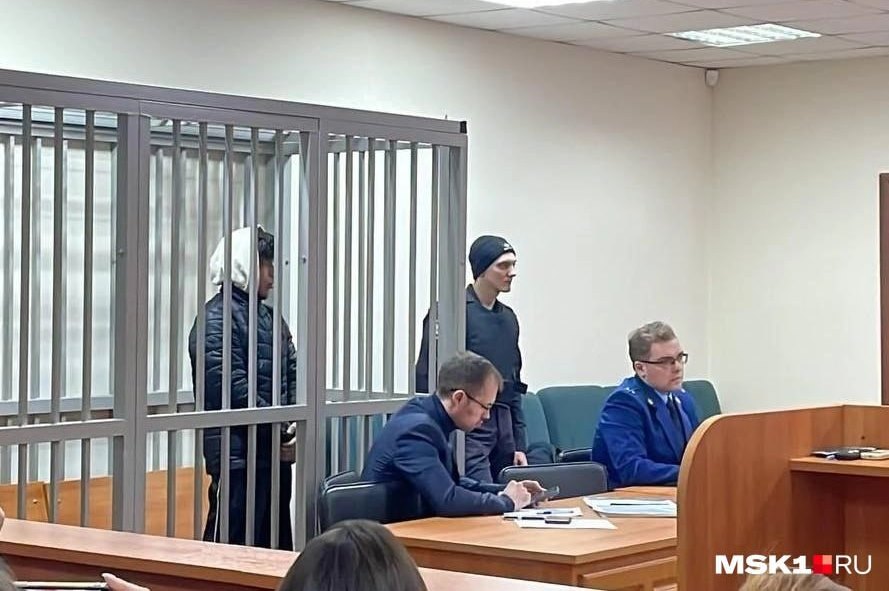
The Moscow Regional Court has arrested the 19-year-old Imomali Turdiyev, a native of Tajikistan, on charges of murdering an 18-year-old Russian man in Elektrostal. The incident has sparked public debate regarding the legitimacy of Turdiyev’s actions and whether his defense can be framed as necessary self-defense.

On January 21, the Moscow Regional Court took Turdiyev into custody, suspecting him of killing the 18-year-old Russian citizen during a dispute in the city of Elektrostal. According to the court’s official page, criminal proceedings have been instituted against him under Article 105 (1) of Russia’s Criminal Code – murder; an investigation is underway.  The charge carries a potential sentence of up to 15 years in prison.

Four days after the incident, Russian media began to publish more details about the case.


How did the incident unfold?

The incident took place on January 18 in Elektrostal, starting in a bus and continuing at a nearby bus stop. A group of young men began harassing women passengers with lewd gestures, which led to a confrontation when Turdiyev intervened to protect them. According to witnesses, Turdiyev approached the group of young men and scolded them, triggering a verbal exchange. The altercation continued after the group exited the bus and escalated into a physical fight at the nearby "Universam" bus stop.

A video from the scene shows that after Turdiyev and the young men left the bus, one of them, the 18-year-old Ilya P, sprayed pepper spray at Turdiev and then fired a flare gun at him. According to Russian authorities, Turdiyev then retaliated by stabbing him three times with a knife.

The video also shows the group of young men boarding another bus. The driver, upon learning that one of the men was wounded, took him to the nearest hospital, but the victim later died.

According to the project "Antifa.ru," the deceased, Ilya P., was known in neo-Nazi circles by the nickname Ilya Kvas. In 2025, he was involved in provocations during a memorial rally for lawyer Stanislav Markelov and journalist Anastasia Baburova, who were murdered in 2009 by neo-Nazi Nikita Tikhonov.


“He wanted to save money and get married"

According to MSK1.RU, which spoke to Turdiyev’s relatives, he is originally from Tajikistan and moved with his family to the Kemerovo region in Russia during his childhood before recently relocating to Moscow. He completed 9th grade and attempted to enter college but was unsuccessful. He later worked as a warehouse loader at Wildberries in Moscow.

Reports also suggest that Turdiyev held Russian citizenship. Some Russian media outlets have characterized the incident as "a migrant killing a Russian young man."

Safarzhon Turdiyev, Imomali's older brother, told MSK1.RU that he initially thought his brother had been killed and "never imagined that he could do something like this." "You can see that he did nothing wrong. He simply intervened. They started the fight with the women," he said.

According to Safarzhon, Imomali was the calmest child in the family and rarely got involved in fights at school. He had only recently started training in a gym. "I don’t know how it all started. May be because they insulted the woman, and he defended her. I think that’s the reason, and there’s no other explanation. Any normal person would have done the same," he added.

Safarzhon also mentioned that Imomali was returning from training, as indicated by the sports bag on his shoulder.

Imomali himself, during an interrogation, stated that he was in a state of shock and didn’t know what he was doing at the time.

The Tajikistani authorities, including the country's embassy in Russia, have yet to comment on the case, and attempts by Asia-Plus to get their response have been unsuccessful.

Meanwhile, the incident has sparked heated discussions on social media, with many arguing that Turdiev was acting in self-defense and resorted to violence only after being shot at with a flare gun.


"Turdiev had the right to defend himself"

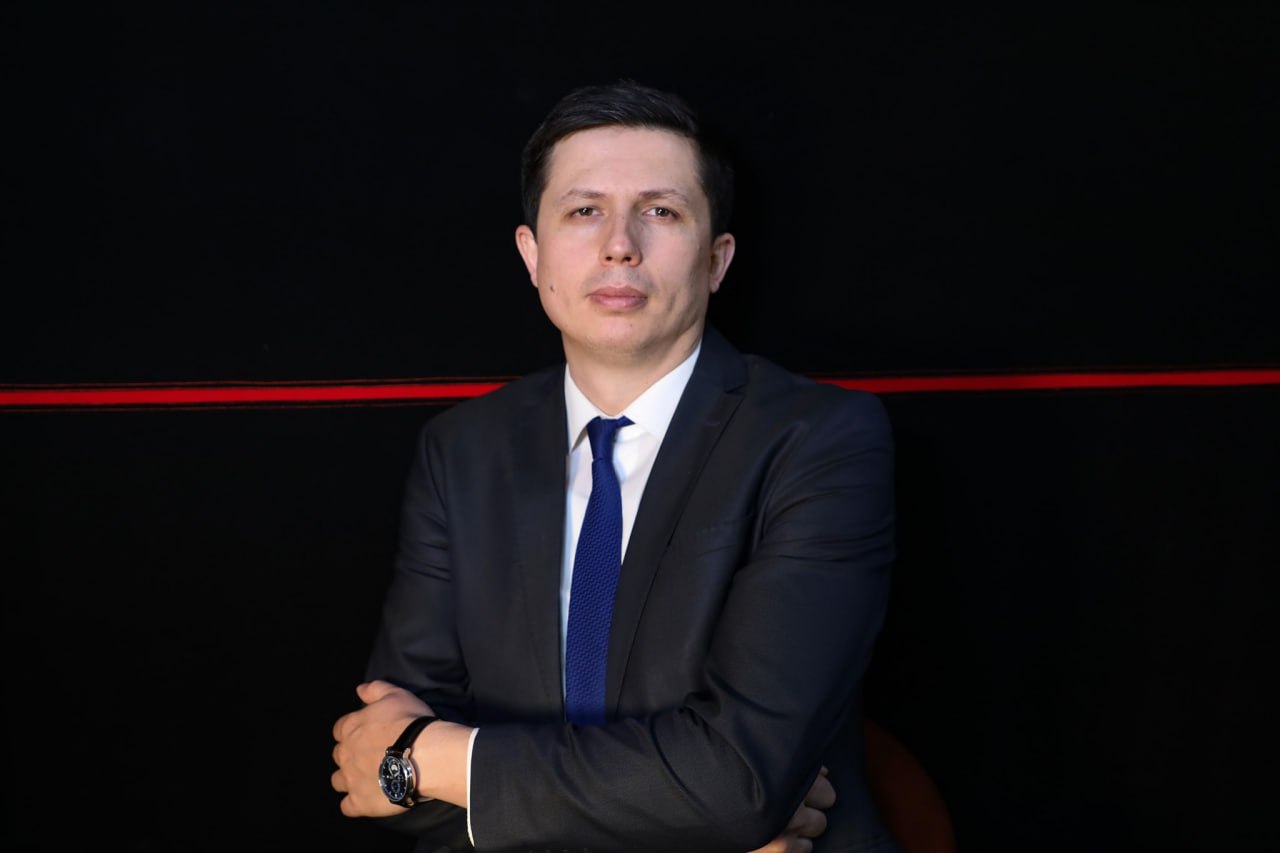
Among those who condemned the criminal charges against Turdiyev for murder is Tajik lawyer Navrouz Odinayev, who commented on the situation on his Facebook page.

Odinayev stated that Turdiev’s conflict with the group of young men was triggered by their insults toward women, and that his use of a knife was a response to provocation. He argued that Turdiyev was reacting to a serious violation of public order while defending the rights and interests of others in a public place. According to Odinayev, if four individuals are attacking one person and shoot at him with a flare gun, the person has the right to defend himself.

He referred to the Russian Criminal Code, Article 37, Part 1, which states: "Harm caused to an intruder in a state of necessary defense is not considered a crime, i.e., when defending oneself or others, protecting public interests or the interests of the state from a public danger." He believes that, based on the circumstances, Turdiev should be fully exonerated from criminal liability.

"Even if the Russian investigators conclude that Turdiyev exceeded the limits of self-defense, the legal qualification should be changed to Part 1, Article 108 of the Criminal Code — murder committed while exceeding the limits of necessary defense," Odinayev added. "The maximum punishment for this article is up to two years in prison."

He stressed that Turdiyev should receive qualified legal defense and a competent lawyer to represent his case in court.

"Based on all available data and published videos, it is clear that Turdiev acted without criminal intent, with good intentions, and in defense of others and public order, which was being severely violated by a group of young men," Odinayev reiterated.

Additionally, according to some reports, the young men involved, including the deceased, may have been part of neo-Nazi groups, he noted. "Membership in such organizations doesn’t justify the taking of life, but the character of the individuals, combined with other circumstances, is significant for a legal assessment of the events," Odinayev added.

It is important to note that crimes or offenses committed by migrants or people from Central Asia in Russia are widely covered in local media and often condemned. Meanwhile, crimes against migrants are frequently ignored, with media and authorities either avoiding coverage or presenting them in a biased manner. A notable example is the murder of 10-year-old Qobijon Aliyev, killed by a 15-year-old Russian teenager at a school, which sparked outrage in Tajikistan and other Central Asian countries but was barely reported in Russian federal media, or was treated as a regular criminal incident.

Labor disputes and rising tensions at Chinese-run gold mine in Tajikistan UPDATED

0
Zeravshan

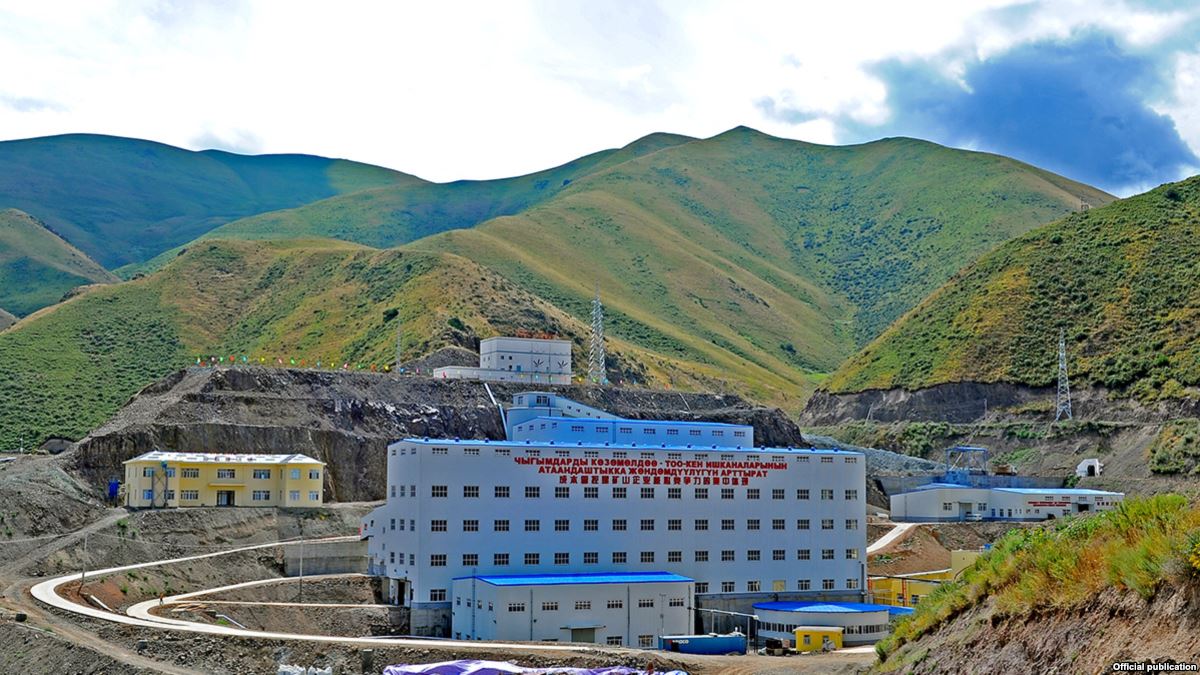
An article by Radio Liberty’s Tajik Service says Chinese companies in Tajikistan are facing increasing challenges from local communities, particularly in the mining sector. One of the latest flashpoints occurred in November at the Zarafshon gold mine near Panjakent, one of the country’s largest Chinese-run ventures.

Tajik workers at Zarafshon, frustrated by stagnant wages and alleged salary disparities with Chinese colleagues, petitioned management for a raise. They argued that their current wages, ranging from 2,000 to 4,000 somonis ($215 to $430), do not reflect the rising cost of living. For many miners in this demanding and hazardous field, this petition marked a rare act of collective protest.

Two anonymous workers told RFE/RL that their wages have remained unchanged despite rising consumer prices. "The work is physically demanding and risky," one miner explained. "We expect salaries to reflect that." They also called for equal pay with Chinese workers, whose conditions have sparked growing resentment.

However, the company rejected the wage increase request, offering instead a modest bonus system to begin in 2026. Bonuses would include 200 somonis ($21) for birthdays and 500 somonis ($53) for Navrouz, the Persian New Year. Workers expressed frustration, saying the bonuses wouldn’t address their core concerns. "Bonuses are nice, but they are not enough to change our lives month-to-month," one miner said.


Company response (UPDATE)

In a statement provided to RFE/RL after publication, the Zarafshon mining company said it operates in full compliance with Tajikistan’s labor legislation and remains committed to responsible employment practices and the long-term social and economic development of local communities.

The company stated that it employs around 3,000 people in Tajikistan, 97 percent of whom are Tajik citizens, and that the majority of management positions are held by locally hired staff.

Zarafshon also said that employee salaries are on average 3.2 times higher than the national average wage, adding that, according to aggregated payroll data, the wages of Tajik employees increased by 16 percent year-on-year between 2024 and 2025, reaching an average of approximately 7,927 somonis ($850) per month.

Tajikistan’s Ministry of Labor, Migration, and Employment told RFE/RL that it imposed fines on Zarafshon in 2024 following inspections related to labor protection and workplace safety. However, the ministry said it did not find evidence of wage differences between local and foreign workers during its review.

This dispute at Zarafshon reflects broader tensions between Chinese enterprises and local communities in Tajikistan, where China is the largest foreign investor. Since 2007, Chinese companies have invested over $5.1 billion in various sectors, including mining and infrastructure.

While these investments have contributed to economic growth, they have also led to dissatisfaction among local workers. At Zarafshon, some Tajik employees claim significant pay disparities between local and Chinese staff. One former employee anonymously claimed that while Tajik engineers earn between 5,000 and 7,000 somonis, Chinese engineers make up to 30,000–40,000 somonis. Some Tajik workers reportedly labor up to 11 hours a day to earn more, despite the standard eight-hour workday.

The Tajik government, which has publicly praised Chinese investments, denies these allegations. In response to RFE/RL, the Ministry of Labor, Migration, and Employment stated that it imposed fines on Zarafshon for labor violations in 2024 but found no evidence of wage disparities. Despite this, local suspicions persist that Chinese workers receive preferential treatment.


Wider discontent and environmental concerns

The Zarafshon mine, which accounts for 70% of Tajikistan’s gold production, has become a symbol of both opportunity and inequality. President Emomali Rahmon praised the mine during his visit in July 2023, emphasizing its importance to the economy. However, local workers have raised concerns about environmental damage linked to mining activities. A 2024 RFE/RL investigation found that nearby communities reported health issues, including premature births and respiratory illnesses, which they attribute to mining. These claims have been denied by Tajik officials, but they highlight growing mistrust of Chinese-backed projects.

Compounding the issue, security risks surrounding Chinese ventures are increasing. In December 2025, construction on a key section of the Dushanbe–China highway was halted after two deadly attacks near the Afghan border. On November 30, gunmen killed two Chinese workers and injured two others at a construction site in the Darvoz district. The attacks, attributed to an "armed terrorist group," have raised concerns about the safety of Chinese nationals in Tajikistan.


The bigger picture

Tajikistan's dependence on Chinese investments continues to grow, with Chinese companies now accounting for 84% of the country’s gold production. Major Chinese-backed projects include the Pokroud gold deposit and the $136 million TALCO Gold mine in the northern Ayni district.

However, with rising living costs, stagnant wages, and increasing safety concerns, the long-term stability of Chinese projects in Tajikistan may be at risk. Workers at Zarafshon and other ventures remain dissatisfied, and local authorities are caught in a complex dispute between foreign investors and their communities.

For now, the frustrations of Tajik workers signal a widening gap between the promises of foreign investment and the realities faced by local populations. It remains uncertain whether Chinese-backed projects will address these concerns or if further unrest will follow.