Home Blog Page 74

International donors begin financing the Roghun hydropower plant project

0
photo_2026-01-29_14-41-35

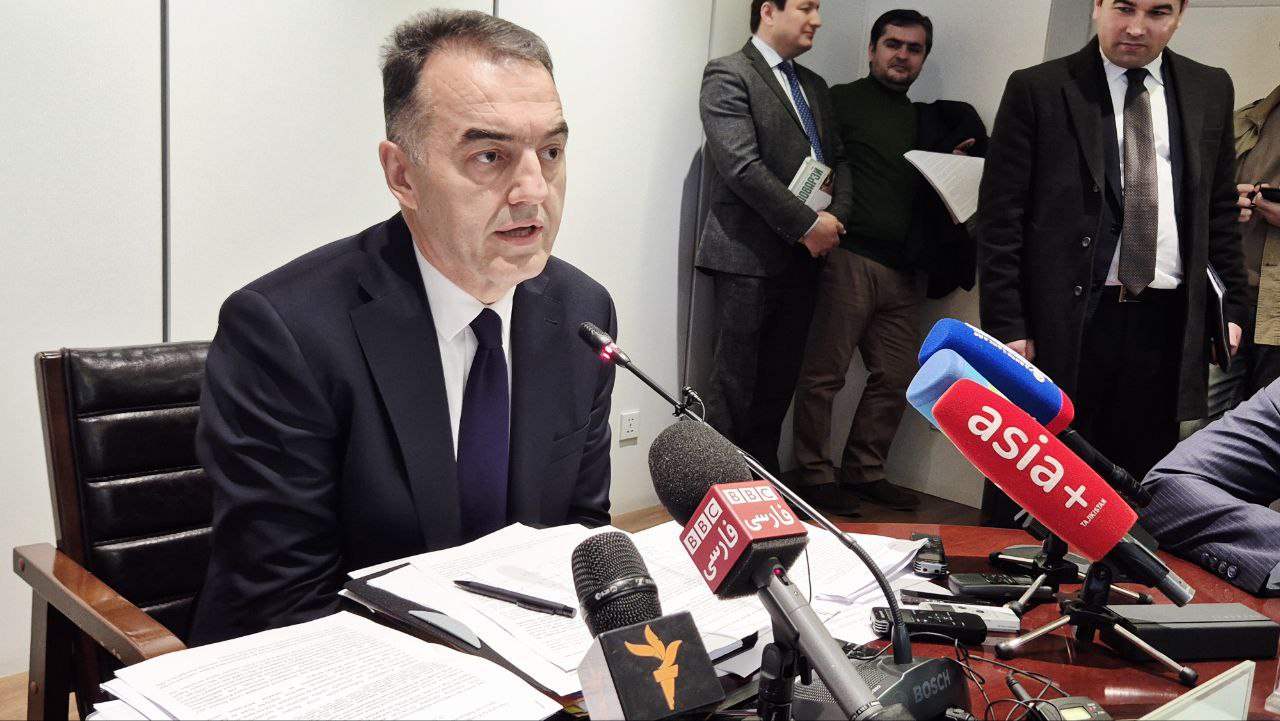
International financing agreements for the construction of the Roghun Hydropower Plant (HPP) have now come into effect, according to Tajikistan’s Minister of Energy and Water Resources, Daler Juma. He announced this during a news conference in Dushanbe on January 29.

"To activate the financing agreements signed in 2024-2025, several conditions had to be met, which took some time," the minister explained. He added that by December last year, some of these agreements had been finalized, marking the beginning of funding for the project.

"This will allow us to speed up the implementation process for 2026, aiming to launch the third unit of the power station on schedule," Juma said. Initially, the third unit was planned to be operational by September 2025, but its launch has now been postponed to September 2027.

Currently, the project is being fully funded by internal resources. Earlier, the government of Tajikistan announced that agreements with development partners have secured more than $2 billion for the completion of construction of the Roghun HPP, including grants from the World Bank ($650 million), loans from the Asian Infrastructure Investment Bank ($500 million), the Islamic Development Bank, and Arab funds ($450 million), as well as a grant from the Qatar Fund for Development ($50 million). Negotiations are ongoing for an additional $1.7 billion.

Since 2008, over 48.1 billion somoni (around $4.2 billion) have been spent from the state budget and other sources on financing the Roghun hydropower plant project. An additional $6.4 billion is needed to fully complete the station.

For 2026, the country’s budget allocates around 15 billion somoni (over $1.6 billion) for the fuel and energy complex, with most of these funds directed toward the completion of the Roghun HPP.

The lower house (Majlisi Namoyandagon) of Tajikistan’s parliament recently passed a bill regarding the use of the National Bank of Tajikistan’s reserve fund to finance the Roghun hydropower plant project . The bill allows for the use of 916 million somonis (about $100 million) from the reserve fund, formed from the 2024 financial activities of the National Bank, for this purpose.

As of January 2026, almost 60% of the construction work at the site has been completed. The dam has reached a height of 1,116 meters above sea level, with a total height of 151 meters. Since the commissioning of two units of the Roghun HPP in 2018 and 2019, they have generated 9.9 billion kilowatt-hours of electricity.


About the Roghun hydropower plant

With a capacity of 3,780 MW, the Roghun HPP will be the largest hydropower plant in Central Asia. Once fully operational, it is expected to produce over 14.5 billion kWh of electricity annually. The plant will have six units, each with a capacity of 630 MW. The final unit is expected to be operational in 2029.

Currently, two units of the Roghun HPP are operating at partial capacity and were commissioned in 2018 and 2019.

Tajikistan Increases agricultural exports by 40% in 2025

0

Tajikistan earned approximately $80 million from agricultural exports in 2025, marking a 40% increase compared to 2024. This was announced during a news conference by the Ministry of Agriculture on January 29.

In total, around 191,000 tons of agricultural products were exported in 2025, valued at $79.2 million. This represents a 13.5% increase in volume (an additional 22,683 tons) and a 39.7% increase in value (an additional $22.5 million).

The highest-value exports included dried fruits, fresh grapes, apricots, lemons, pistachios, and onions.

Minister of Agriculture Qurbom Hakimzoda stated during the press conference that Tajikistan is focusing not on expanding the area of cultivation, but on increasing crop yields through innovative technologies and ensuring their environmental sustainability.

Tajik agricultural products were shipped to 26 countries, both near and far. Of the total volume, 89% was sent to countries of the Commonwealth of Independent States (CIS), while 11% was exported to distant foreign countries.

U.S. reserves right to launch preemptive strike on Iran, says U.S. Secretary of State

0
Rubio

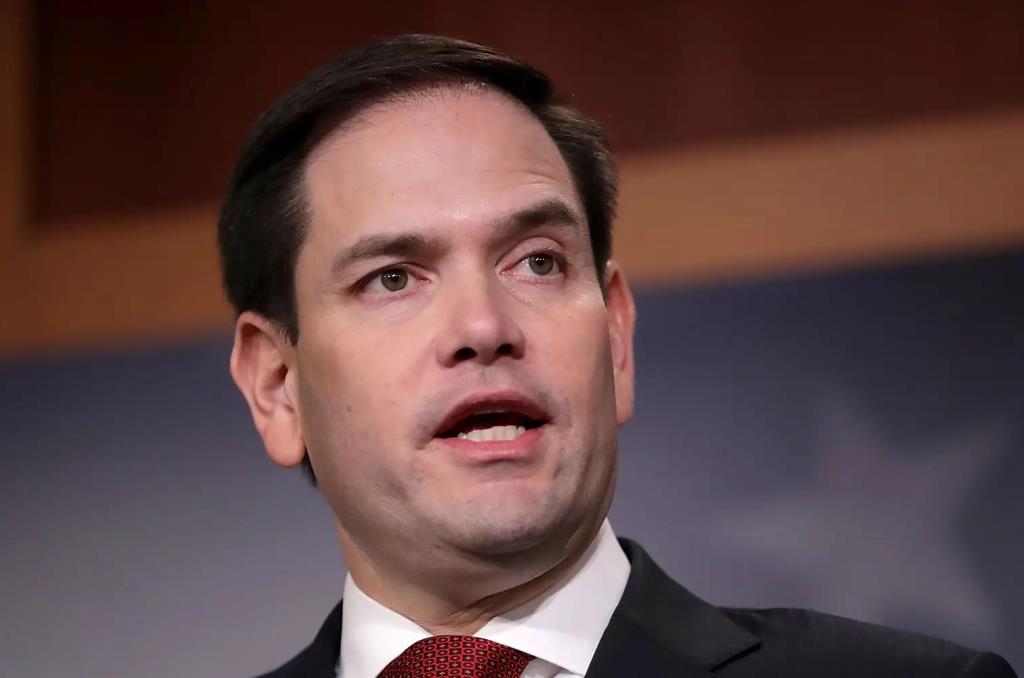
The United States may carry out a preemptive strike if it perceives an imminent threat from Iran against American forces in the region, U.S. Secretary of State Marco Rubio stated, according to RIA Novosti.

“The President always reserves the right to take preemptive defensive action,” Rubio said on January 28 during his testimony before the Senate Foreign Relations Committee. He reportedly expressed hope that such an action would not be necessary, but emphasized that Washington considers the threat of Iranian attacks to be real, given that American military bases are within range of Iran’s weaponry. As a result, he stated that the U.S. is looking at the current situation as an opportunity to deploy sufficient forces in the region to protect itself from a "potential threat."

Earlier in the day, President Donald Trump confirmed that an American naval armada, led by the aircraft carrier “Abraham Lincoln,” is heading toward Iran. He warned that Iran could face an even more devastating attack than the one it experienced in June of the previous year, urging the country to "avoid a repeat" of those events.

According to Fox News, on Monday, a strike group led by the “Abraham Lincoln” entered the area of responsibility for U.S. Central Command in the Indian Ocean.

Meanwhile, the Middle East Eye reported that this week, the U.S. may carry out pinpoint strikes against Iranian officials and commanders believed to be responsible for the deaths of protesters.


Islamic State targets Chinese citizens in Afghanistan: a strategic move amid rising tensions

0
Afghan

The recent bombing of a Chinese restaurant in Kabul, claimed by the Islamic State-Khorasan Province (IS-K), has raised concerns about the growing threat to Chinese citizens in Taliban-controlled Afghanistan. An article posted on Radio-Liberty’s website reports that on January 19, a suicide attack on the Lanzhou Chinese Noodles restaurant killed at least seven people and injured 13, including one Chinese national. IS-K, the regional affiliate of the extremist group, quickly took responsibility, citing China's policies in Xinjiang, where over a million Uyghurs, Kazakhs, Kyrgyz, and other Muslim minorities have been detained in mass internment camps.

According to Michael Semple, an expert on Afghanistan, extremist jihadists view China as an enemy of Muslims, and many remain active under Taliban rule. This, he says, has forced China to bolster its security measures for its citizens in the region. The January attack is part of a broader campaign targeting Chinese interests across Central Asia, including recent attacks in Pakistan and Tajikistan, likely aimed at discouraging Chinese investment in the region.


IS-K’s strategic focus on China

Since the Taliban's return to power in 2021, the group has clashed with IS-K, viewing the latter's ambitions to establish a regional caliphate as a direct threat to its governance in Afghanistan. IS-K, however, continues to target Chinese nationals, seeking to disrupt China's economic presence in the region and undermine the Taliban's legitimacy. By instilling fear, the group aims to prevent Chinese companies from investing, doing business, and extracting resources, ultimately weakening the Taliban's control.

Lucas Webber, a senior analyst at Tech Against Terrorism, explained that the recent attacks on Chinese targets are part of a larger strategy by IS-K to expose vulnerabilities in the Taliban's security claims and to challenge its relationships with foreign partners, particularly China. Webber noted that IS-K is using these attacks as a propaganda tool to strengthen its regional influence.


Chinese nationals as pawns in Taliban-IS rivalry

China has become one of the Taliban’s most significant diplomatic and economic partners since the group regained power, despite not officially recognizing the Taliban government. This partnership has made Chinese citizens — from engineers to restaurant owners — visible symbols of the Taliban's legitimacy, and, consequently, attractive targets for IS-K militants.

Semple argues that IS-K’s attacks on Chinese nationals also serve as a message to the Taliban, showing that the extremist group still retains the ability to carry out successful attacks despite ongoing efforts to eliminate it. The recent bombing further casts doubt on Taliban assertions that IS-K has been eradicated from Afghanistan.

In April 2024, Taliban spokesman Zabihullah Mujahid declared that IS-K had been suppressed and no longer posed a threat. However, political analyst Sami Yousafzai noted that while IS-K lacks bases within Afghanistan, its activities are not entirely contained. The group’s reach extends into neighboring Pakistan and Tajikistan, where Chinese nationals have also been targeted in recent months.


Cross-border threats and regional attacks

In November 2025, two separate attacks in Tajikistan, near the Afghan border, resulted in the deaths of five Chinese workers and injuries to five others. Tajik authorities confirmed that the attacks originated from Afghan territory. Following these attacks, Taliban officials pledged cooperation with Tajikistan to investigate the incidents. In response, Taliban forces raided an IS-K hideout near the Tajik border, which they believe was connected to the November assaults.

IS-K has targeted Chinese nationals in the past, including a 2022 bombing of a Chinese-owned hotel in Kabul. The group has also ramped up its recruiting and propaganda efforts since the Taliban’s takeover. Webber highlighted that, ahead of the Taliban’s return to power, IS-K-linked media outlets issued threats against China, criticizing the country’s growing influence in Afghanistan.

As IS-K’s rivalry with the Taliban intensifies, it is likely that the group will continue to target Chinese nationals, particularly as the Taliban’s diplomatic ties with China deepen. Webber warned that IS-K may escalate attacks on Chinese infrastructure, including energy lines in Central Asia, and could conduct cross-border operations targeting Chinese interests.


Conclusion

The rise in attacks on Chinese nationals and interests in Afghanistan and its neighboring countries signals the increasingly complex geopolitical dynamics in the region. IS-K’s ongoing campaign against China, fueled by ideological opposition and strategic objectives, underscores the challenges facing the Taliban as it attempts to consolidate power while balancing international relations, particularly with Beijing. As the rivalry between IS-K and the Taliban intensifies, Chinese citizens and businesses will likely remain in the crossfire.


India and Central Asia Transforming Vision into Value Through Strategic Economic Partnerships

0
India

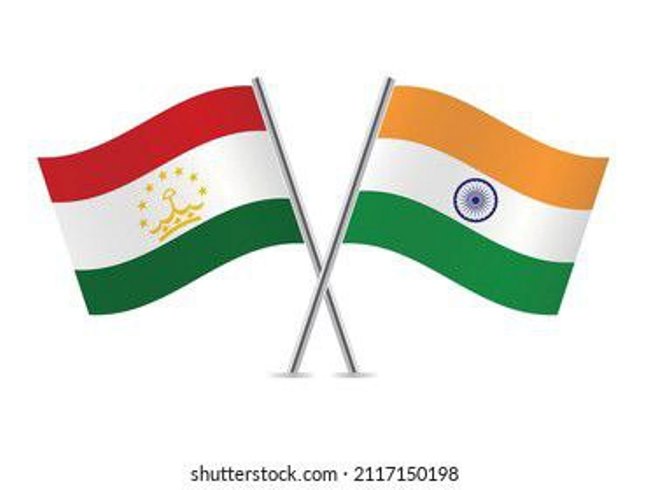
India and Central Asia are entering a decisive phase in their economic and strategic partnership, moving from diplomatic symbolism to practical cooperation. With bilateral trade at US$1.72 billion and the potential to reach USD 10–15 billion in the coming decade, both regions are leveraging strengths in energy, manufacturing, technology, and connectivity. Enhanced corridors such as the International North–South Transport Corridor and Chabahar Port, supported by expanding investments, institutional coordination, and security cooperation, are building a resilient, development-oriented partnership based on mutual benefit, long-term stability, and shared prosperity.

The Rise of a Strategic Eurasian Partnership

India-Central Asia relations, rooted in shared history, cultural affinities, and diplomatic goodwill, are now evolving into a practical, project-driven partnership grounded in trade, connectivity, and development cooperation. With India’s growing global economic stature and Central Asia’s steady structural transformation, both regions are discovering unprecedented opportunities for mutual growth.

At present, India–Central Asia bilateral trade stands at about US$1.72 billion. However, this hardly reflects the true potential of bilateral economic relations. With improved logistics, stronger institutional engagement, and expanding private-sector participation, trade could realistically reach USD 10–15 billion over the next decade. In a world marked by geopolitical uncertainty and supply chain realignments, Central Asia is emerging as a critical Eurasian hub, while India is positioning itself as a reliable long-term economic and development partner.

Central Asia’s Economic and Strategic Relevance

Over the past two decades, Central Asia has undergone a remarkable economic transition. The five republics, Kazakhstan, Uzbekistan, Turkmenistan, Kyrgyzstan, and Tajikistan, together constitute a USD 547 billion economy in 2025, supporting a population of nearly 80 million. Since 2000, their combined economies have expanded more than fourfold, reflecting sustained modernisation, institutional reforms, and diversification efforts.

Size of Central Asian Allies

Country

GDP Size of the Economy (US$ billions)

Kazakhstan

300

Kyrgyz Republic

20

Tajikistan

17

Turkmenistan

72

Uzbekistan

138

Total

547

Source: IMF (Figures are rounded off)

Kazakhstan dominates the regional landscape, accounting for nearly 58 per cent of total GDP, with an economy of USD 300 billion and a population of about 20 million. Uzbekistan follows with a GDP of around USD 138 billion and a population of 37 million, increasingly driven by industrial expansion and domestic consumption. Turkmenistan’s gas-rich economy has reached nearly USD 72 billion, while the Kyrgyz Republic and Tajikistan remain smaller at USD 20 billion and USD 17 billion, respectively.

Beyond economic size, Central Asia’s strategic importance lies in its geography. Situated at the intersection of China, Europe, Russia, and the Middle East, the region is becoming a vital land bridge for transcontinental trade. As maritime routes become costlier and more vulnerable to disruption, overland corridors through Central Asia are gaining prominence. The region is no longer a peripheral transit space; it is emerging as a central node in Eurasian connectivity.

India’s Economic Momentum and Global Integration

India’s rise as one of the world’s fastest-growing major economies provides the foundation for deeper engagement with Central Asia. With average real GDP growth exceeding 7.5 per cent from FY 2021–22 to 2024–25 and foreign trade accounting for nearly half of GDP, India has consolidated its position as a key driver of global demand and innovation.

India’s strengths in manufacturing, digital technology, pharmaceuticals, engineering services, and information technology make it a natural partner for countries seeking industrial upgrading and technological modernisation. At the same time, India’s expanding industrial base requires stable access to energy resources, minerals, and strategic raw materials, assets that Central Asia possesses in abundance.

This convergence of needs and capabilities creates a mutually reinforcing partnership. For Central Asia, India represents a vast market and a source of affordable technology. For India, Central Asia offers energy security, resource diversification, and access to Eurasian markets.

India – Central Asia Connectivity and Trade Corridors

For decades, the principal constraint on India–Central Asia trade was not a lack of interest but a lack of access. The absence of direct land routes and the impossibility of transiting through Pakistan forced reliance on long, expensive sea–land routes. This logistical disadvantage limited trade volumes and discouraged large-scale investment.

Today, this constraint is gradually being dismantled. The International North–South Transport Corridor, linking India with Russia and Central Asia via Iran and the Caspian Sea, aims to significantly reduce transit time and costs. Complementing this is India’s long-term development of Iran’s Chabahar Port, which provides a direct gateway to Afghanistan and beyond into Central Asia.

A 10-year agreement on Chabahar and sustained efforts to operationalise INSTC feeder routes reflect India’s shift from declaratory diplomacy to infrastructure delivery. New multimodal routes through Azerbaijan and Turkmenistan, along with electrified railways, inland ports, and digitised customs systems, are transforming regional logistics. Geography, once a barrier, is increasingly becoming a strategic advantage.

Trade Complementarity and Industrial Synergies

The economic structures of India and Central Asia display strong complementarities. India has established global competitiveness in automobiles, pharmaceuticals, machinery, electronics, chemicals, processed foods, medical equipment, and IT services. These promising sectors perfectly align closely with the Central Asia’s development priorities, including industrialisation, healthcare modernisation, agricultural upgrading, and service-sector expansion.

On the import side, Central Asia offers India access to natural gas, uranium, metals, petrochemical feedstocks, fertiliser inputs, and rare earth elements. These resources are critical to India’s energy security and manufacturing competitiveness. In addition, Central Asian countries are expanding in tourism, renewables, textiles, agribusiness, and logistics, areas where Indian enterprises possess technological and managerial expertise.

This alignment lays the foundation for long-term, value-added trade rather than narrow commodity exchanges. As industrial ecosystems deepen, bilateral trade is likely to become more diversified and resilient.

Investments, Finance, and Development Partnerships

Indian investments in Central Asia reflect growing engagement. Between April 2000 and March 2024, Indian companies invested approximately US$392 million in Kazakhstan, US$24 million in the Kyrgyz Republic, US$18 million in Uzbekistan, and US$5 million in Tajikistan. Nearly two-thirds of this investment has gone into coal, oil, and gas.

While energy investments are strategically important, they also highlight the scope for diversification. Kazakhstan offers opportunities in petrochemicals, healthcare, agritech, mining, and renewable energy. Uzbekistan is opening up opportunities in agricultural processing, chemical manufacturing, and tourism. Turkmenistan’s gas reserves enable joint ventures in pipeline and petrochemical projects. The Kyrgyz Republic and Tajikistan seek partnerships in hydropower, textiles, mining technologies, and digital connectivity.

India complements these opportunities through engineering services, project finance, ICT, pharmaceuticals, and skills development. Lines of Credit, business councils, and project financing mechanisms help translate political dialogue into bankable projects.

Security Cooperation as an Economic Enabler

Sustainable development and investment cannot thrive without stability. India’s security cooperation with Central Asian states provides a critical foundation for economic engagement. Through defence training and counter-terrorism cooperation, India contributes to regional stability. Regular consultations on terrorism and security risks help reduce uncertainties that would otherwise deter investors and delay infrastructure projects. These partnerships enhance India’s standing as a constructive stakeholder committed to regional prosperity rather than short-term geopolitical manoeuvring.

Institutional Architecture and Policy Coordination

Recognising that trade growth requires robust governance frameworks, India and Central Asian countries have strengthened institutional cooperation. Regular summits, ministerial dialogues, and sector-specific working groups focus on connectivity, customs procedures, pharmaceuticals, and industrial investments.

Efforts are underway to harmonise customs systems with World Customs Organisation standards, reduce border delays, and expand digital border management. Trade finance diversification, including direct banking links and rupee-based settlements, is being explored to mitigate currency risks. Cooperation in education, culture, telemedicine, and vocational training further deepens institutional and societal ties.

Pragmatic Competition and Development Credibility

India has adopted a pragmatic approach rather than competing on scale; it focuses on projects that deliver high local value, institutional strengthening, and long-term sustainability. By prioritising IT, pharmaceuticals, mining partnerships, training, and digital public infrastructure, India maximises development impact. This selective financing model enhances credibility and avoids unsustainable debt burdens. Indian private-sector investments in mining and services are already creating jobs and building confidence among regional partners.

Scaling Trade to Strategic Potential

With improving connectivity and institutional alignment, India–Central Asia trade is poised for significant expansion. Over the next decade, bilateral trade could reach USD 10–15 billion. India is strengthening its presence in automobiles, engineering goods, pharmaceuticals, processed foods, and energy technology, while imports will increasingly focus on minerals and energy resources.

Strategic cooperation in green hydrogen, LNG, solar energy, and modernised mining will foster long-term economic interdependence. Faster operationalisation of corridors, improved customs systems, and scaled-up project finance for health and digital infrastructure will further accelerate growth.

From Diplomatic Intent to Development Impact

India’s engagement with Central Asia has evolved from symbolic diplomacy to tangible impact. Through patient diplomacy, institutional engagement, selective financing, and on-the-ground delivery, India has earned a reputation as a credible development partner. Central Asian governments increasingly view India not merely as a friendly voice in international forums but as a partner that delivers tangible outcomes, ports, corridors, training programmes, digital systems, and industrial projects. This transformation reflects a decisive shift from rhetoric to results.

A Partnership Whose Time Has Arrived

India and Central Asia now stand at a historic juncture. Deep historical ties, converging strategic interests, and evolving economic structures have created ideal conditions for sustained cooperation. India brings capital, technology, manufacturing capacity, and market scale. Central Asia contributes energy security, natural resources, emerging consumer bases, and strategic connectivity.

After decades of logistical and geopolitical constraints, both regions are entering an era of practical, growth-oriented engagement. Infrastructure improvements, trade facilitation, and investment reforms are laying the groundwork for deeper integration. With sustained political commitment and private-sector participation, this partnership is poised to become a major pillar of Eurasian economic cooperation.

In conclusion, the journey from vision to value is well underway. The coming decade promises to transform India–Central Asia relations into one of the most dynamic growth partnerships in the global economy.
 

Construction of Qala-i-Khumb – Vanj road nearing completion

0

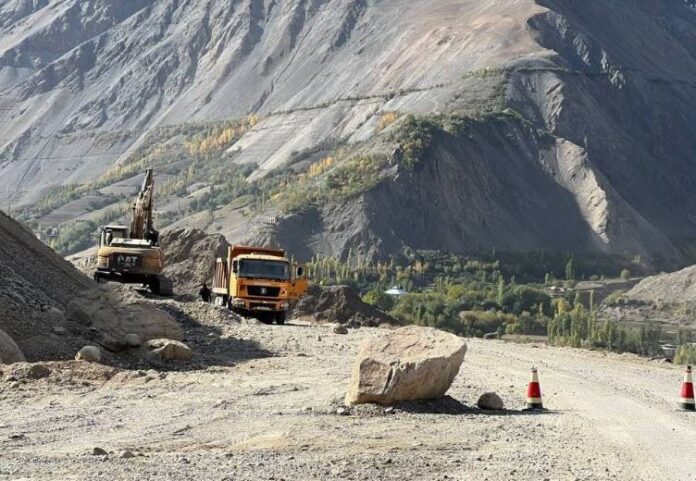
The construction of the road connecting Qala-i-Khumb, the administrative center of Darvoz districts in the Gorno-Badakhshan Region (GBAO) to GBAO’s Vanj district, which is a section of the Dushanbe-Khorog-Kulma (China border) highway is progressing with local workers handling most of the tasks, said Tajikistan's Minister of Transport, Azim Ibrohim, during a news conference in Dushanbe on January 28.

He noted that the main works on this section are completed, and only finishing tasks such as concrete pouring, as well as the installation of ventilation and signaling systems inside the tunnels, remain. Local builders are responsible for these tasks.

"We only need Chinese consultants for this, while the physical work is being done by local workers," said Ibrohim, although he did not specify when Chinese workers from China Road and Bridge Corporation, the project's contractor, would return to the site.

The minister emphasized that work continues and assured that the project would be completed within the timeframe agreed upon in the contract.


Security incident delays progress

On November 30, 2025, in the village of Shodak (Shodaki) in GBAO’s Darvoz district, Afghan border violators carried out an armed attack on employees of the Chinese company involved in the construction of the Qala-i-Khumb-Vanj section of the road. The attack resulted in the deaths of two Chinese nationals and injuries to two others. Following the incident, Chinese staff left the project site at the request of the Chinese Embassy in Dushanbe and have yet to return.

According to the Ministry of Transport, the qala-i-Khumb-Vanj section, which crosses the mountainous Darvoz district, is one of the most challenging stretches of road in the country. It had not been repaired for many years.


Expected benefits of the road upgrade

Once the reconstruction and modernization of this road section is complete, including the construction of two tunnels totaling 5.2 kilometers in length, the travel distance will be reduced by 16.7 kilometers. The overall length of the section will decrease from 109 km to 92.3 km, with 53 km passing through the Darvoz region and 39.3 km through Vanj.

The Ministry of Transport emphasized that the primary goal of the project is to improve safety, ensure smooth transportation year-round, and bring the road up to international standards.

Tajikistan reports average housing prices and construction growth in 2025

0
8

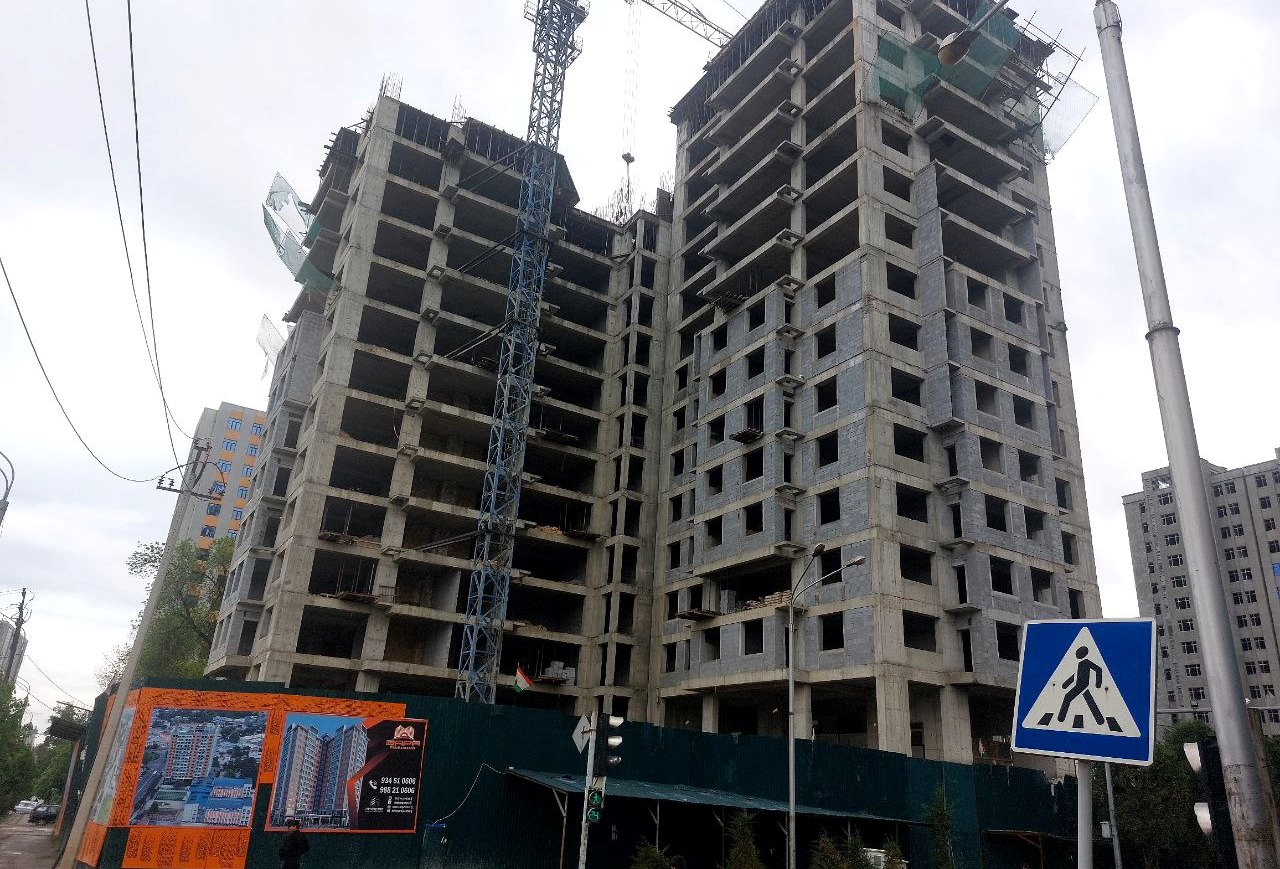
The average cost of one square meter of housing in Dushanbe is 8,207 somonis (approximately $877), Nizom Mirzozoda, Chairman of the Committee for Architecture and Construction of Tajikistan, told reporters in Dushanbe on January 29. Mirzozoda also noted that Tajikistan has the lowest housing prices among former Soviet republics.

Across the country, the average price per square meter reportedly exceeds 5,000 somonis. Specifically, the cost per square meter in various cities is as follows:

·         In Khujand — 5,350 somonis;

·         In Hisor — 4,650 somonis;

·         In Kulob — 4,000 somonis;

·         In Vahdat — 5,000 somonis;

·         In Tursunzoda — 4,500 somonis;

·         In Bokhtar — 4,000 somonis.

In February 2025, Mirzozoda had stated that the average cost of one square meter in Dushanbe was $780.


Housing construction in Tajikistan in 2025

During 2025 an overall space of 2.13 million square meters in residential buildings was reportedly made available in the country, which is 22.3 percent more than in 2024.

Mirzozoda reported that investments in fixed capital reached 28.7 billion somonis, reflecting a 23% growth in real terms.

In addition to residential buildings, the country saw the completion of new infrastructure, including:

·         50,805 student places in new general education schools, nearly 1.9 times more than in 2024;

·         1,038 new healthcare facilities with a capacity for one shift, a threefold increase;

·         8,385 new preschool places, 3.1 times more than in the previous year.


Plans for Tajikistan’s 35th Independence Anniversary

In preparation for Tajikistan's 35th anniversary of independence, a total of 30,869 facilities were planned for construction by January 1, 2026. To date, over 28,000 of these facilities (90.7%) have been completed, while construction continues on an additional 2,500 sites (8.1%).


Dust storms in Tajikistan reach record numbers in 2025

0

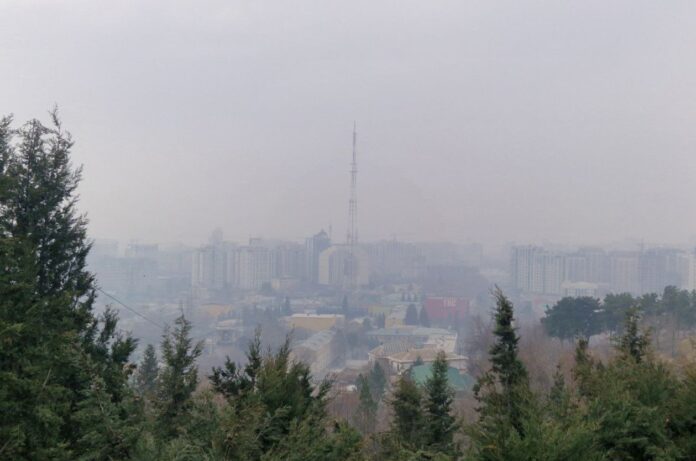
In a report released at a news conference in Dushanbe, Bahodour Sheralizoda, Chairman of the Committee for Environmental Protection, revealed on January 29 that in 2025, Tajikistan recorded 63 dust storms, which lasted a total of 216 days. 

"Each dust storm that reaches our country lasts for several days. The sources of these storms are the deserts of North Africa and the Middle East, where dust and sand are carried by cyclones to our region," Sheralizoda explained.

Last year, the Committee for Environmental Protection reported 35 dust storms in 2024, although the number of days was not specified. According to the report "Situational Analysis: Dust and Sand Storms in Central Asia," the frequency of such storms in Tajikistan has increased more than tenfold over the past 30 years. While only 2-3 dust storms were recorded annually in the early 1990s, today more than 35 such storms are registered each year.

Dushanbe has consistently ranked among the most polluted cities in Central Asia for several years, with the situation continuing to worsen. In 2024, the annual average concentration of PM2.5 in Dushanbe was 46.3 µg/m³, which is 7-9 times higher than the World Health Organization's recommended limit.

Tajikistan ranked 6th globally for PM2.5 pollution in 2024, and Dushanbe had previously been listed among the top four most polluted capitals in the world.


Why are dust storms increasing in Central Asia?

The first reason is the sharp decline in rainfall in the region due to global climate change. This leads to droughts, which result in the loss of vegetation cover. As a result, wind easily lifts dust, sand, and salts into the atmosphere. According to the UN, 152.06 million hectares, or 38.43% of the land area in Central Asia, is experiencing drought conditions, with 1.33% under severe drought and 0.23% under extreme drought. 

The second cause is the degradation of irrigated lands, which has intensified desertification. As a result, sand and dust are easily blown into the air, even with a slight breeze, reaching mountain peaks. Today, approximately 30% of the agricultural land in the region is subject to severe degradation.

A third factor is the drying up of the Aral Sea, which has led to increased dust, sand, and salt being lifted from its bed over the past six months. Combined with the "Afghan winds" blowing from the desert regions of Afghanistan, dust storms have reached mountainous areas.

The fourth reason, according to experts from the UN Convention to Combat Desertification (UNCCD), is that while dust and sand storms (DSS) are a seasonal natural phenomenon, poor land and water resource management exacerbates the problem. This includes excessive siltation of irrigation canals and waterways caused by DSS and drifting sands, transport disruptions, and deteriorating surface water quality.

Finally, the fifth factor contributing to the frequency of DSS is the rise in construction projects across the region, particularly in major cities. Often, these projects proceed without adequate landscaping, which leads to the suspension of dust and sand particles in the air during windy conditions. Additionally, high-rise buildings trap wind, dust, and sand in urban areas, further exacerbating the pollution.

Tajikistan faces shortage of over 1,400 medical workers

0

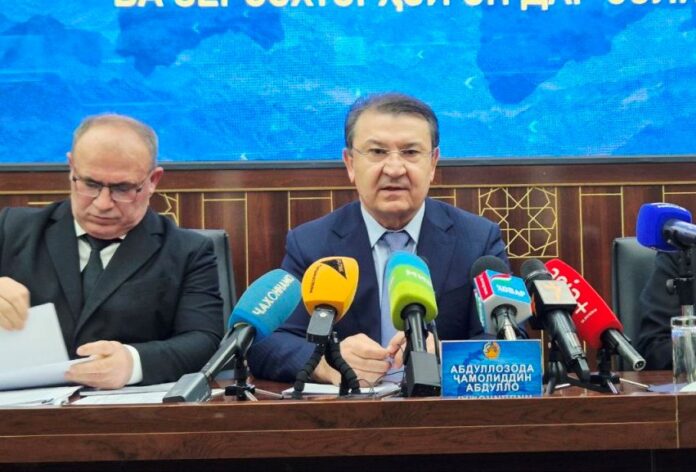
As of early 2026, Tajikistan has 22,419 doctors and 64,909 mid-level medical professionals, representing a 1.9% and 2.3% increase, respectively, compared to the previous year. However, the country is still facing a shortage of 1,432 medical specialists, Jamoliddin Abdullozoda, the Minister of Health and Social Protection, told reporters in Dushanbe on January 28.

Abdullozoda also reported that the staffing rate for doctors is 94.3%, while the mid-level medical staff rate is 99.7%, reflecting an increase of 0.8% and 0.1%, respectively, compared to the previous year.

In July 2025, Abdullozoda had revealed that the country’s healthcare sector was short of 1,600 specialists in the first half of the year. The gap has since reduced by nearly 170 specialists in the second half of 2025.

He pointed out that there is a particular shortage of family doctors, as well as specialists in addiction medicine, tuberculosis, radiology, and in some areas, gynecologists and surgeons. To address this issue, the ministry has compiled lists of district doctors who will work on a rotating basis in remote areas.

“We also suggest that districts facing shortages, for instance, in radiology, could temporarily fill these positions with surgeons or traumatologists, who would undergo additional training and then serve in the area where the need is most pressing,” said Abdullozoda.


Increase in medical students in Tajikistan

The issue of staffing shortages in Tajikistan’s healthcare system is expected to be addressed by medical university graduates. Minister Abdullozoda emphasized that if at least 50% of the medical students graduating from Tajik universities enter the workforce, the shortage problem will be resolved.

In the 2025-2026 academic year, the number of students in Tajikistan's medical universities grew significantly. The Tajik State Medical University, named after Abu Ali ibn Sino, enrolled 13,860 students, while the Khatlon State Medical University had 2,875 students, and the medical faculty at Tajik National University registered 5,759 students. Additionally, the Tajik Medical and Social Institute had 4,417 students, bringing the total number of medical students in these institutions to 26,911—an increase of 2,738 students from the previous year (24,173).

Meanwhile, Tajikistan’s medical colleges also saw a rise in enrollment, with 80,000 students in the 2025-2026 academic year, up by 7,240 from the 2024-2025 year, when 72,760 students were enrolled.

Number of migrant children in Russia decreases by nearly 25%

0

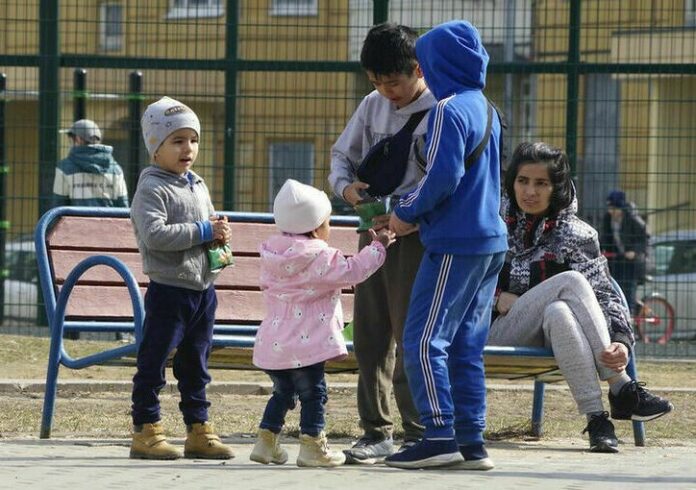
The number of migrant children in Russia has decreased by almost 25% over the past year, according to Irina Volk, the official spokesperson for Russia's Ministry of Internal Affairs (MVD). She shared this information on her Telegram channel.

"Compared to the beginning of 2025, the number of foreign minors residing in Russia has decreased by nearly 25%," Volk said.

She also emphasized that serious violations by foreign citizens regarding the legal stay of children and their right to receive basic general education could lead to a decision to recognize their presence in Russia as undesirable.

Volk reminded that starting January 28, a federal law will take effect, which provides for the exchange of information about foreign children between the MVD and educational authorities.

"This initiative is aimed at monitoring the stay of foreign minors in Russia and includes interagency cooperation based on the MVD's information resources. In the future, this data will be included in the digital profile of the foreign citizen," she added.

Starting April 1, 2025, a new law will require migrant children to pass a Russian language proficiency test and undergo verification of the legality of their stay in the country before being allowed to attend schools.

In August, Vyacheslav Volodin, the Speaker of the State Duma (Russia’s lower chamber of parliament), announced a significant reduction in the number of migrant children allowed to attend primary and secondary schools in Russia.

Later, in November, Anzor Muzayev, head of the Federal Service for Supervision in Education and Science (Rosobrnadzor), reported that only 19% of migrant children were able to enroll in Russian schools following the introduction of the new requirements.

According to data from the Human Rights Council under the President of the Russian Federation, as of June 2025, more than 785,000 foreign minors were living in Russia, but only about 192,000 of them (24.5%) were enrolled in schools.