Home Blog Page 85

Tajikistan’s security service reports elimination of four militants on the Afghan border

0

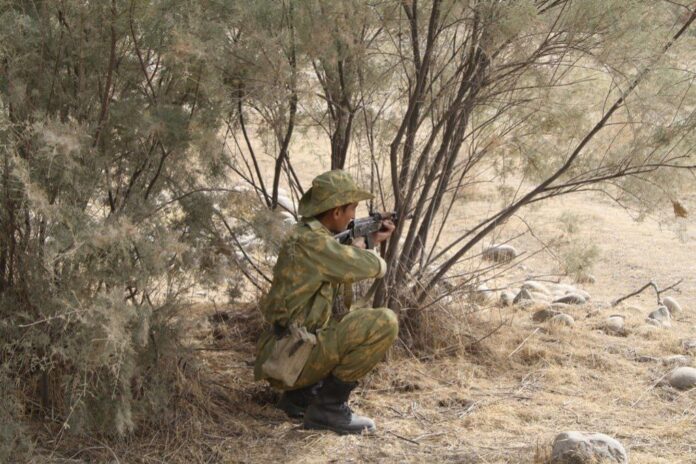
Border troops of Tajikistan’s State Committee for National Security (SCNS) have reported the elimination of four members of a terrorist organization who illegally crossed the state border from Afghanistan.

The incident occurred at around 12:30 a.m. on January 18 at the 7th border outpost “Khirmanjo” of the “Yol” border detachment, stationed in the Shamsiddin-Shohin district, Khatlon province. According to the authorities, the armed individuals entered Tajik territory from the village of Darbandak in the Khoun district of Afghanistan’s Badakhshan province.

The SCNS Border Guard Directorate stated that the intruders ignored lawful demands to surrender and opened armed resistance. During the ensuing clash, all four militants were neutralized. No casualties among Tajik border guards have been reported.

Three Kalashnikov assault rifles, one Krug rifle, six magazines, 183 rounds of ammunition, three mobile phones, a radio transmitter and a boat were seized at the scene.

Criminal proceedings have been instituted under three articles of Tajikistan’s Pena Code: Article 179 – terrorism. Article 335 — illegal crossing of the state border of the Republic of Tajikistan; and Article 195 — illegal trafficking of weapons, ammunition, explosives and explosive.  An investigation is under way.  

The SCNS said the situation along the Tajik-Afghan border remains under control and assured that all necessary forces and resources will continue to be deployed to ensure border security.


Border escalation

In recent months, the situation along the Tajik-Afghan border has significantly deteriorated. The latest incident is the fourth since late November last year.

On November 26 and 30, 2025, two attacks from Afghan territory targeted border areas of Tajikistan, killing five Chinese nationals and injuring five others. The attacks first struck the base of the Shohin-SM mining company in Khatlon’s Shamsiddin-Shohin district and later a road construction company in the Darvoz district of the Gorno-Badakhshan Autonomous Region (GBAO).

Tajikistan strongly condemned the attacks and demanded that the Taliban authorities ensure security along the shared border and detain all those responsible. Afghanistan’s Taliban-run Foreign Ministry said the attacks were carried out by groups seeking to “create instability and distrust among countries in the region.”

Another armed incursion occurred on the night of December 23–24 in the area of responsibility of the “Sarchashma” border detachment in Khatlon’s Shamsiddin-Shohin district. Three militants were killed during a clash with border guards, while two officers of the GKNB Border Troops were also killed.

According to the Afghan outlet Hasht-e Subh, the militants killed by Tajik border forces were members of the terrorist group Jamaat Ansarullah.

Tajikistan’s plastic footprint: 9 million tons of waste each year

0

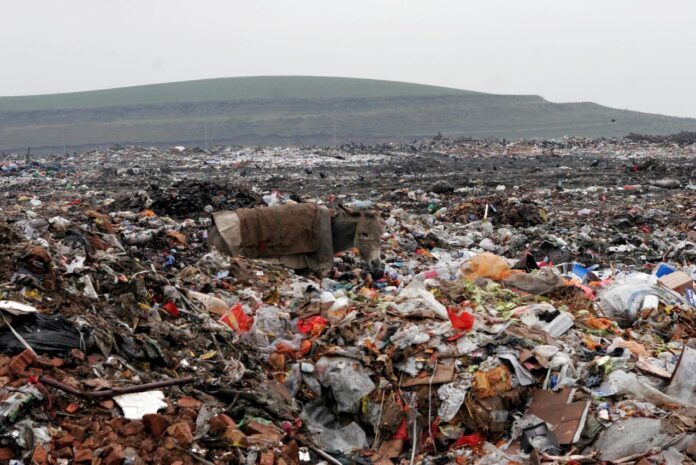
More than 9 million tons of municipal solid waste are generated annually in Tajikistan, including 321,900 tons of plastic waste. In major cities, each resident discards over 1 kilogram of waste per day, more than 100 grams of which is plastic.

According to World Population Review, Tajikistan was ranked among countries with a very high level of waste pollution in 2024. The country’s Mismanaged Waste Index (MWI) reached 87.1%, meaning that most waste is either not collected or disposed of improperly.

Plastic waste frequently ends up in landfills, rivers, and streets, polluting soil and water, harming wildlife, and reducing quality of life. The situation reflects the global plastic waste crisis: worldwide, only about 9% of plastic is recycled, while the rest accumulates in the environment.

Environmental experts say Tajikistan’s high MWI highlights the urgent need to improve waste collection and sorting, expand recycling, and reduce the use of single-use plastics.


How much plastic is thrown away daily?

Detailed data on waste generation were presented by Naim Nematzoda, an official from the Committee for Environmental Protection under the Government of Tajikistan, at a conference on plastic waste held on November 29, 2024. As more recent official statistics are not yet available, these figures are used to illustrate the current situation.

Cities and districts were divided into three groups based on waste generation levels.

The “Mega” group includes 10 major cities and districts with a combined population of 4.2 million, including Dushanbe, Khujand, Istaravshan, Panjakent, Hisor, Vahdat, and Tursunzade. Waste generation here averages 1.013 kg per person per day, with plastic accounting for 9.5%, or 148,200 tons annually.

The medium group consists of 10 cities and districts with 1.99 million residents, including Bokhtar, Kulob, Konibodom, Vakhsh, and Danghara. Waste generation averages 0.902 kg per person per day, producing 62,400 tons of plastic waste per year.

The remaining districts and cities fall into the small regions group, with a population of 4.06 million and waste generation of 0.79 kg per person per day.

Overall, only about 8,500 tons of plastic waste, or 2.6%, is recycled in Tajikistan. More than 83% is buried in landfills, while around 46,000 tons are lost during transportation.


Growth in recycling and production

According to the Agency for Statistics under the President of Tajikistan, production of goods made from recycled plastic increased significantly between 2020 and 2023. In 2023, plastic profile production rose by 250%, reaching 19,300 tons.

Output of metal-plastic products grew by 200% to 596,000 square meters, indicating greater use of recycled plastic in construction. Production of plastic pipes increased by 132%, plastic goods by 144%, plastic boxes by 151%, and plastic caps by 439%.

The Ministry of Industry and New Technologies reports that the number of plastic and rubber manufacturing enterprises rose to 278 in 2022–2023. Production volumes increased from 522,400 tons in 2022 to 533,500 tons in 2023.


Where does the plastic come from?

According to the Customs Service of Tajikistan, plastic products are imported from more than 50 countries, with Russia and Central Asian states as the main trade partners. Total imports and exports of plastic products exceed 23,000 tons.


How to reduce plastic use

Environmental experts propose several measures to address plastic waste, including a ban on the production and use of plastic tableware and packaging thinner than 15 microns.

Such measures, they argue, would significantly reduce non-recyclable plastic waste and ease environmental pressure, particularly on rivers and other ecosystems.


Plastic and human health

Experts also warn about plastic’s impact on human health. Toxic substances found in plastics, such as bisphenols and phthalates, can disrupt the endocrine system and increase the risk of diabetes, obesity, and cancer.

As plastic degrades, it releases harmful elements into soil, water, and air, causing long-term damage to ecosystems. Reducing plastic use, expanding recycling, and switching to environmentally friendly materials are seen as key solutions.


Persistent challenges

Despite some progress, plastic waste remains a serious challenge in Tajikistan. The country lacks an effective system for waste separation, and only 19 small enterprises are involved in plastic recycling — far below actual needs.

There is also no specific legislation regulating toxic chemical additives in plastics. Environmentalists stress that without developing recycling infrastructure and introducing clear regulatory measures, the negative impact of plastic waste on public health and the environment will continue to grow.

Tajikistan’s 2026 state budget: where the money will go

0

According to the draft state budget of Tajikistan for 2026, government revenues are projected at 65 billion somoni, while expenditures are expected to reach 67 billion somoni. The budget deficit is estimated at around 1% of GDP.

The largest share of funding is set to be allocated to the fuel and energy sector, as well as to education. Significant resources are also earmarked for social protection programs.

 The budget deficit will be covered through domestic and external borrowing, along with the issuance of government bonds.


BUDGET DEFICIT

State budget deficit — 1.95 billion somonis (this equals 1% of the country’s GDP)

Sources of deficit financing:

1 billion somonis — sale of government securities

764.5 million somonis — grants and loans from international financial organizations

60 million somonis — privatization and leasing of state property

50 million somonis — savings from public procurement

70.15 million somonis — excess revenues of local budgets

10 million somonis — available budget funds

 Source: Law of the Republic of Tajikistan on the State Budget for 2026  Asia-Plus

How a young Tajik developer creates AI in his native language

0

There are many programs today that can convert text into speech and speech into text. However, solutions that work accurately in the Tajik language remain extremely limited. To address this gap, a young Tajik programmer, Abdulaziz Avezov, developed TajikVoice AI, an artificial intelligence system designed specifically for the Tajik language.

TajikVoice AI enables users to generate speech from text and convert audio into text, automatically add subtitles to videos, and use the system in call centers and on news websites. In 2024, the project won first place at the national competition “Science — the Light of Enlightenment.”

Speaking to Asia-Plus, Abdulaziz explained how the idea for the project emerged and what capabilities the system offers.

“I got tired of using online translators. I kept thinking — why does YouTube automatically generate subtitles in Russian but not in Tajik?” he said.

According to him, most programming tutorials are available only in English. Facing this challenge, Abdulaziz decided to create a tool that would allow him and others to work with content in their native language.

“Sometimes I wanted to listen to audiobooks instead of music, but I simply couldn’t find the books I needed in Tajik. Every time I reflected on my own needs, I added new features to the program,” he explained.


A well-deserved award

Abdulaziz presented TajikVoice AI at the “Science — the Light of Enlightenment” competition in the category Artificial Intelligence and Programming. The project scored 77 points, secured first place, and received a cash prize of 70,000 somoni.

This national competition was not his first success. During his school years, Abdulaziz twice won regional competitions for young inventors. His interest in modern technology began in childhood, when he independently studied the basics of robotics through YouTube videos.

“There was no equipment needed to build robots in my village, and I had no idea about online stores back then. I bought remote-controlled cars in the city and used their parts to assemble robots,” he recalled.

Later, he became an apprentice to a mobile phone repair technician, which further strengthened his interest in programming.


What TajikVoice AI can do

According to Abdulaziz, TajikVoice AI removes background noise using 16 kHz technology and recognizes only standard literary speech. The system can convert up to 10,000 words into audio in just 23 seconds.

When integrated into news websites, the program can read articles aloud like a professional news anchor. Speech-to-text accuracy reaches 90–95%, while text-to-speech accuracy is around 85%.

The developer emphasizes that the system is continuously improving. The more actively users interact with it and help it learn new words and correct pronunciation, the higher its performance becomes.

TajikVoice AI can also be used in call centers, where it can analyze call volumes, caller locations, and common inquiries.

“My goal is to make this program, like Russia’s ‘Alice,’ capable of executing voice commands in Tajik — whether in smart homes or office environments,” Abdulaziz says.

At present, TajikVoice AI is not yet available as a mobile application, but it is expected to be released to the public soon. The developer also plans to introduce paid Pro and Business plans in the future.

Abdulaziz hopes that by 2026 the platform will have more than 30,000 users, after which he plans to launch his own startup.


Looking ahead

Abdulaziz believes that young people in Tajikistan have great potential in programming and innovation. One of the main challenges, he says, is the country’s low internet speed, which significantly slows down access to educational materials and software.

After completing his bachelor’s degree at the Osimi Technical University, Abdulaziz plans to pursue a master’s degree at a university in Singapore and eventually work for global companies such as Google, Microsoft, or Amazon.

“Anyone who sets a goal and makes the effort to achieve it will succeed. I truly believe that,” he concludes.

Eight fake security officers detained in Tajikistan for large-scale fraud

0
photo_2026-01-16_15-04-26

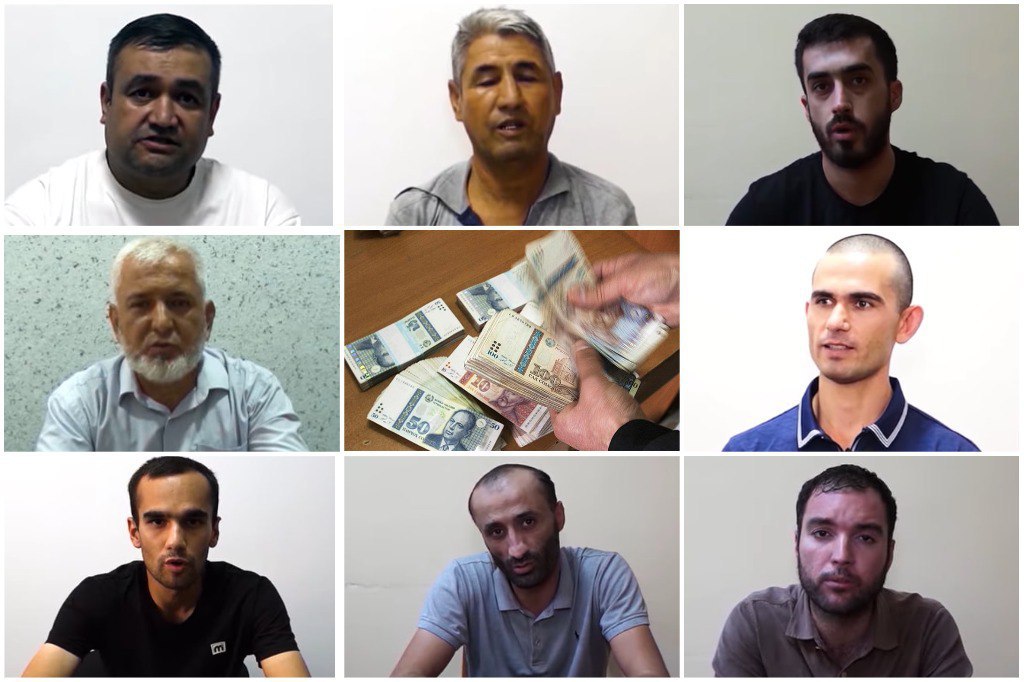
In Tajikistan, eight individuals have been detained for fraud after posing as members of security and law enforcement agencies and extorting large sums of money from citizens by promising to resolve their problems. The State Committee for National Security (SCNS) reported this. Video footage related to the case was aired on Tajikistan state television on January 16.

The detainees have been identified as Ilhom Amonqulov, Fazliddin Mirzoyev, Jamoliddin Tolibzoda, Hojiabdullo Salimov, Mahmadullo Saidov, Fathiddin Davlatov, Yoqub Bozorov, and Husein Murodov.

According to the SCNS, Ilhom Amonqulov received 240,000 somonis from a Dushanbe resident, Muhabbatkhon Majidova, after promising to secure the release of her husband, Alisher Majidov, who had been arrested on charges of links to the Salafiya movement.

Fazliddin Mirzoyev, pretending to be an SCNS officer, demanded 50,000 somoni from brothers Mahmadali and Amonali Barotov, claiming he could arrange the release of their brother Mirzoali, who had been sentenced to five years in prison.

Jamoliddin Tolibzoda, Hojiabdullo Salimov, and Mahmadullo Saidov allegedly extorted 25,000 somoni and gold jewelry from Afghan nationals Otifa Ahmadi and Masuma Ahmadi by threatening them with deportation.

Fathiddin Davlatov demanded 30,500 somoni from a Dushanbe resident, promising assistance with employment in Germany. Yoqub Bozorov, who had previously been convicted three times and served prison sentences of up to eight years, posed as a “senior SCNS official” and extorted money by claiming he could secure the release of detainees’ relatives.

Husein Murodov is accused of taking 86,000 somoni from a 23-year-old resident of Isfara after promising to provide a forged military ID.

In the video released by the authorities, all suspects confess to the crimes, though the circumstances under which the confessions were recorded have not been disclosed. The official positions of the suspects and the alleged victims have not yet been made public.

Criminal cases have been opened against all suspects under Article 247 of the Criminal Code of Tajikistan (“Fraud”), which carries a sentence of five to eight years’ imprisonment.

The State Committee for National Security has urged citizens who may have fallen victim to these individuals to contact the agency at 221-37-37.

President implements personnel changes in law enforcement and security agencies

0
photo_2026-01-16_13-31-44

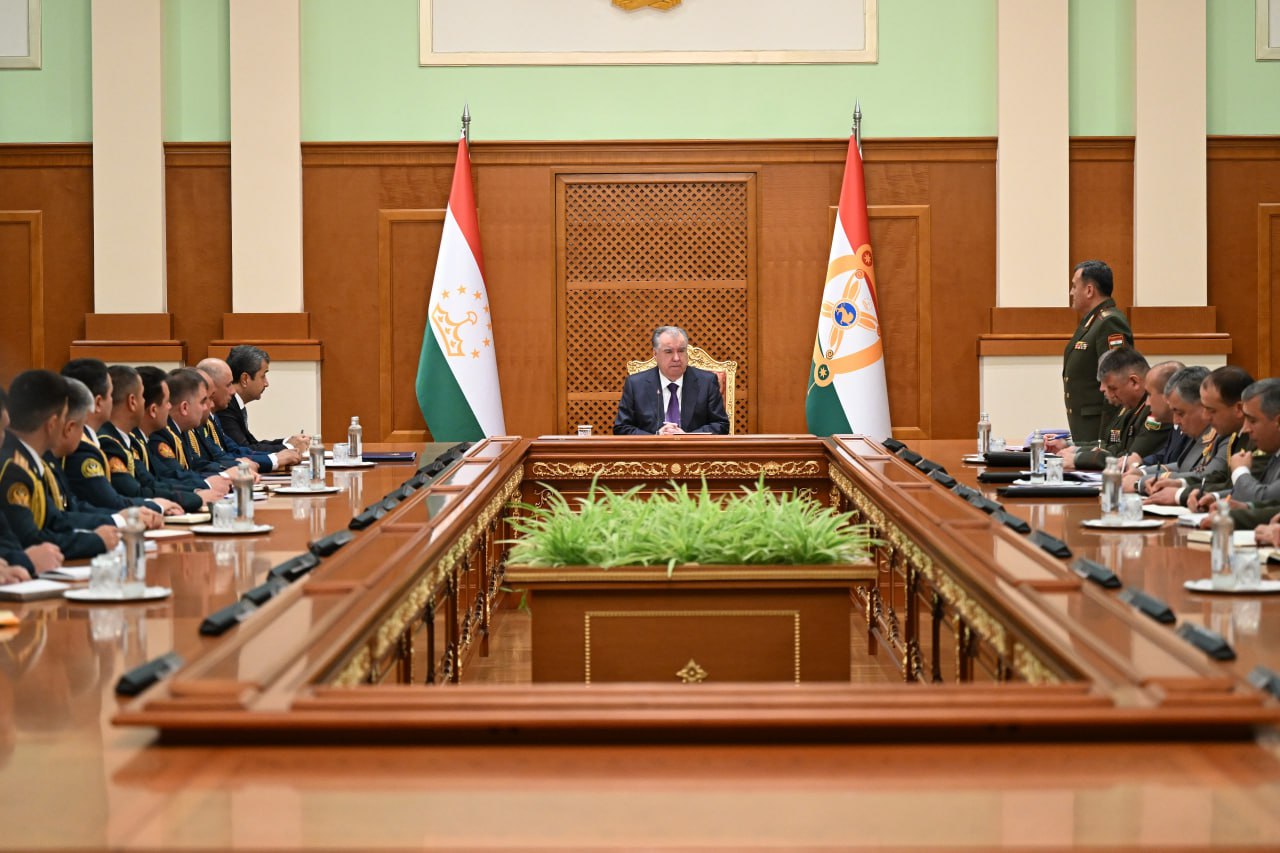
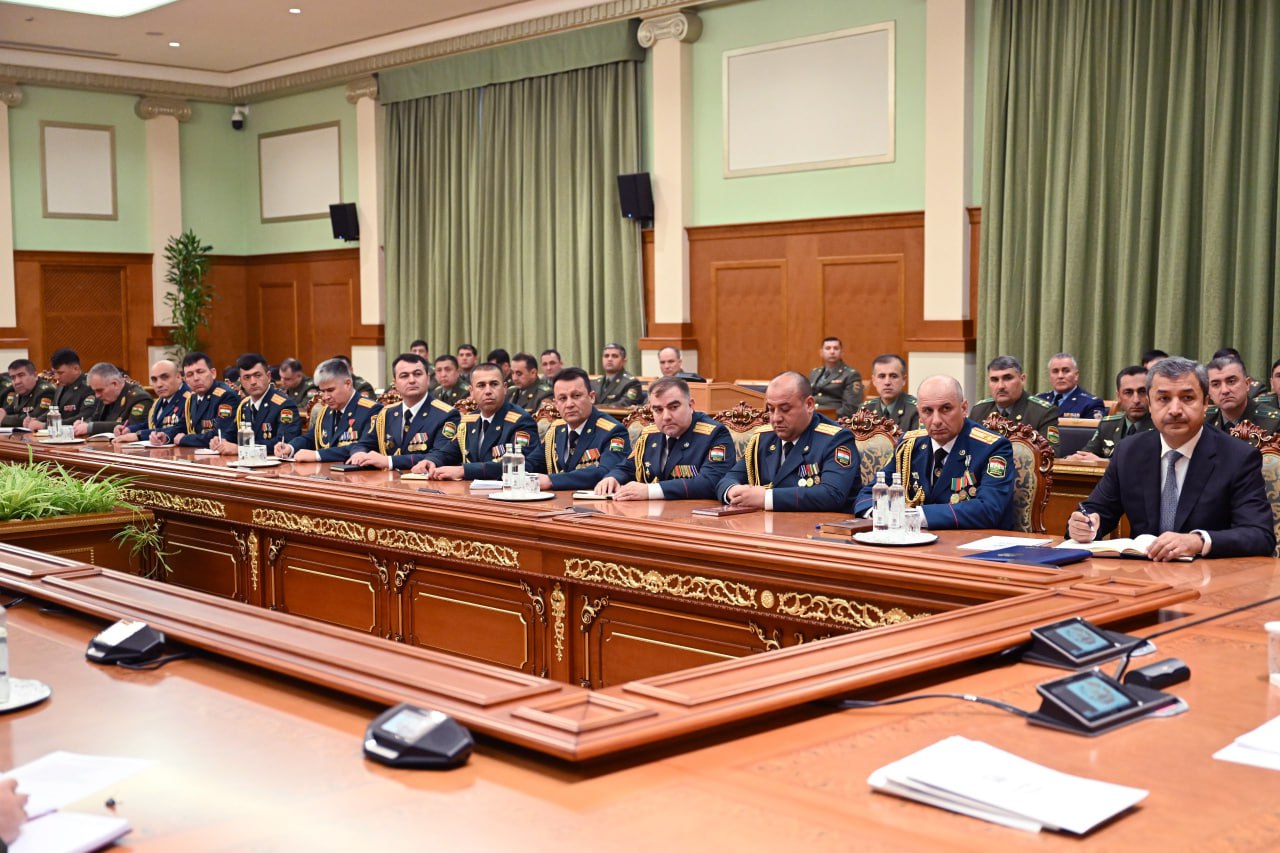
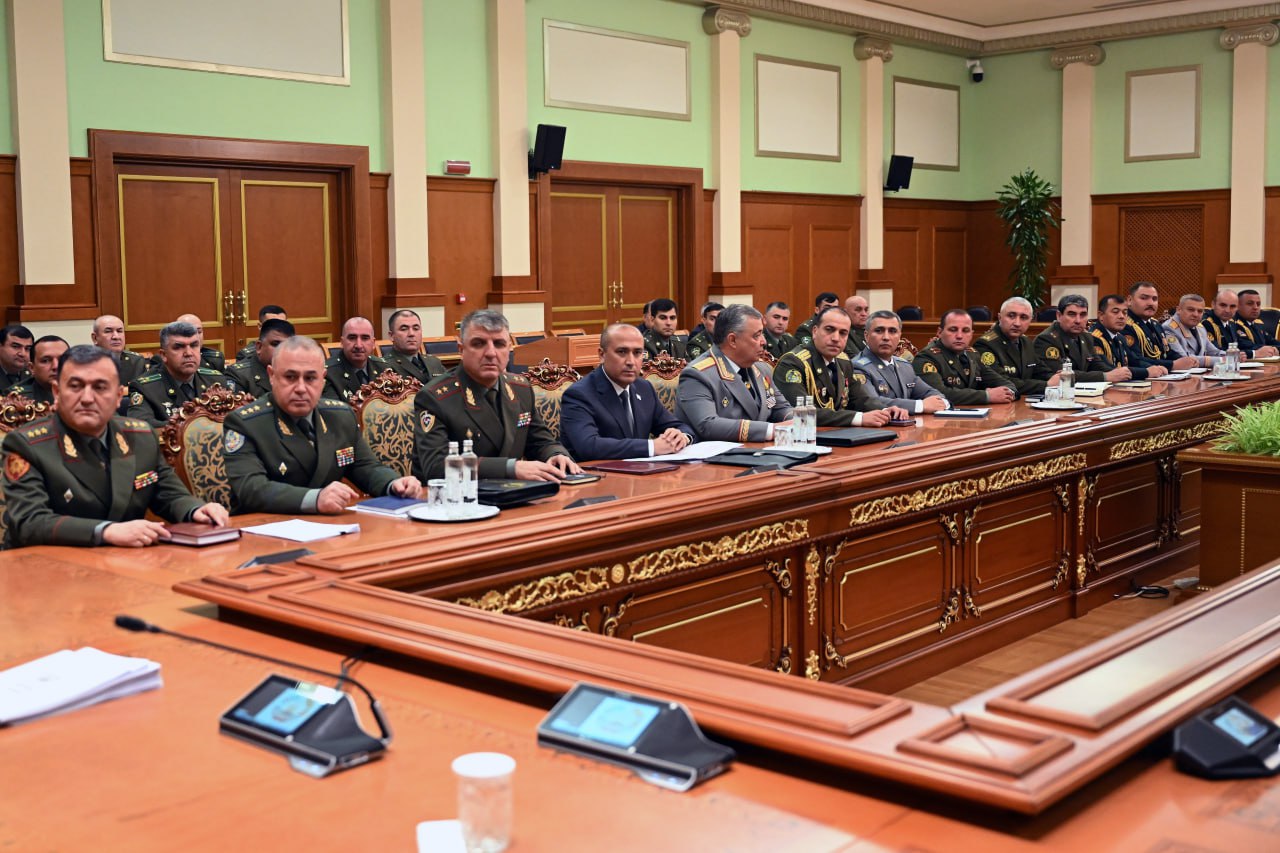
On January 16, Tajikistan’s President Emomali Rahmon made a series of personnel changes within the Ministry of Defense, the National Guard, Border Troops, the Agency for State Financial Control and Combating Corruption, and the Main Department for the Execution of Criminal Punishments of the Ministry of Justice. This was reported by the Tajik president’s official website. 

According to the press release, young, experienced professionals with a high level of training, courage, and patriotic spirit were appointed to key positions within these structures.

Rahmon reportedly emphasized that the changes involve roles such as the first deputy head of the State Institution "Defense Support" within the Ministry of Defense, leaders in the central apparatus of the Ministry of Defense and the General Staff, as well as commanders in the Border Troops, National Guard, and other relevant structures.

In addition, experienced specialists were appointed to the positions of heads of military registration and enlistment offices in several cities and districts, including Mir Said Ali Hamadani, Danghara, Vakhsh, Abdurahmon-Jami, Yovon, and Shahriston districts.

During his discussions with the newly appointed personnel, the President reportedly analyzed the readiness of the Armed Forces and other structures in light of the current regional and global situation. He assigned specific tasks to these agencies related to ensuring peace, security, and stability in the country.

A special focus was placed on strengthening border security, preventing violations such as armed incursions, and the smuggling of weapons and drugs. Rahmon also highlighted the need to increase the combat readiness of the Armed Forces and instructed the study of foreign languages, the mastering and effective use of modern equipment and technologies.

Moreover, the President emphasized the importance of building trust-based, familial relationships between soldiers and unit commanders to strengthen camaraderie, understanding, and mutual respect within the armed forces. He also provided recommendations for improving the quality of service execution and compliance with sectoral regulations in each of the mentioned agencies.

Tajikistan reportedly plans to invest around $1 billion in Eurasian transport corridors projects

0

The Eurasian Development Bank (EDB) has published a report titled “Eurasian Transport Corridors: Project Observatory and Interactive Map,” which provides data on the development of infrastructure for transport corridors and routes within the Eurasian Transport Framework (ETF). The aim of the document is to support the monitoring and coordination of ETF projects.

As of July 1, 2025, the report analyzed 325 projects within the ETF, with a total investment volume of $234.1 billion. More than 60% of these projects are in the implementation phase, 12.8% are in the project documentation preparation phase, and 27.2% are in the planning stage.

More than half (51.9%) of the total investments planned for the development of international transport corridors within the ETF until 2035 will be directed towards road infrastructure development. The report emphasizes the importance of creating high-quality express highways, especially in landlocked countries and regions. By 2035, over 10,000 km of express highways will be operational across at least seven Eurasian countries, playing a crucial role in the development of trade and tourism.

Central Asia is of particular importance, where road transport is vital for enhancing transportation connectivity. The region is set to receive more than 22% of the total investments for the ETF's development, amounting to around $53 billion. Nearly two-thirds of these investments will be directed towards building and improving the main highway network.

Tajikistan plans to invest approximately $1 billion in ETF-related projects. These investments will include both the implementation of new routes and the modernization of existing ones.

The report also highlights key transport corridors passing through Tajikistan, including roads within the TRACECA project, such as:

·         Tashkent — Kanibadam — Andijan

·         Bukhara — Karshi — Termez — Kurgan-Tyube (Currently Bokhtar) — Kulob

·         Dushanbe — Termez

·         Sherkhan Bandar (Afghanistan) — Lower Panj — Dushanbe — Vahdat — Jirgatol — Karamyk (Kyrgyzstan)

·         Mazar-e Sharif — Pul-e Khumri — Lower Panj — Dushanbe — Sary-Tash

·         Termez — Saryasia — Dushanbe — Vahdat — Kulob — Khorog — Murgab — Kulma — Karasu (China)

Additionally, the South Eurasian Corridor includes routes linking cities from Istanbul (Turkey) to Xi'an (China).

The EDB report covers 13 countries in the Eurasian region: Azerbaijan, Armenia, Afghanistan, Belarus, Georgia, Iran, Kazakhstan, Kyrgyzstan, Mongolia, Russia, Tajikistan, Turkmenistan, and Uzbekistan. Data updates on project status are sourced from open platforms, including national and international transport development programs, expert assessments, and other available materials. 

Tajikistan increases fines for tax evasion

0

In Tajikistan, administrative fines for tax evasion and other mandatory payments have been increased following amendments made to the Administrative Offenses Code (CoAP), which came into effect in December 2025. The changes affect Article 599 of the CoAP, which deals with "Evasion of Taxes and Other Mandatory Payments," and apply to both individuals and legal entities.

For individuals, the fine has been doubled, now ranging from 15 to 20 calculation units (previously from 8 to 10 calculation units). For legal entities, the fine has increased from a range of 150 to 200 units to 250 to 300 units, marking an increase of about 1.5 times.

Fines for officials and individual entrepreneurs remain unchanged, at between 150 and 200 units.


How are fines calculated?

Fines in Tajikistan are calculated based on a "calculation unit," which is established annually in the state budget law. As of January 1, 2026, the value of one calculation unit increased by 4% — from 75 somonis to 78 somonis.

Taking into account the current value of the calculation unit, the fine for administrative tax evasion is:

·         Individuals: 1,170 somonis – 1,560 somonis

·         Legal entities: 19,500 somonis – 23,400 somonis

·         Officials and individual entrepreneurs (IE): 11,700 somonis – 15,600 somonis

It is important to note that officials are fined not for their personal taxes but for their role in allowing or organizing the evasion of taxes within their official duties. This includes individuals such as CEOs, chief accountants, or financial directors, who are responsible for the calculation, retention, and payment of taxes.


When do fines become criminal liability?

Tajikistan distinguishes between two levels of liability for tax evasion:

·         Administrative liability applies to tax violations that do not constitute a criminal offense, such as hiding income or taxable objects, underreporting the tax base, or isolated violations involving small sums.

·         Criminal liability applies when tax evasion becomes a criminal act, particularly in terms of the method of execution (e.g., falsification of data) and/or the amount of unpaid taxes.

Article 599 of the CoAP punishes tax evasion without criminal characteristics, and in such cases, administrative fines and tax recalculations are applied without criminal prosecution.

However, if evasion is intentional, involves the submission of knowingly false information, failure to submit required reports, and leads to significant tax arrears, criminal liability applies under the Criminal Code of Tajikistan. Specifically:

·         Article 292 of the Criminal Code provides for criminal liability for tax evasion by legal entities through the falsification of accounting records or tax reports, when the damage to the budget is substantial.

·         Article 293 applies to individuals who fail to submit mandatory declarations or provide knowingly false information, resulting in substantial tax arrears.

Thus, the boundary between fines and criminal responsibility lies not only in the amount but also in the nature of the violation: administrative penalties apply to minor violations, while criminal responsibility is for intentional and serious evasion causing significant damage to the budget. 

Tajikistan discusses prospects for energy cooperation with the EU and India

0

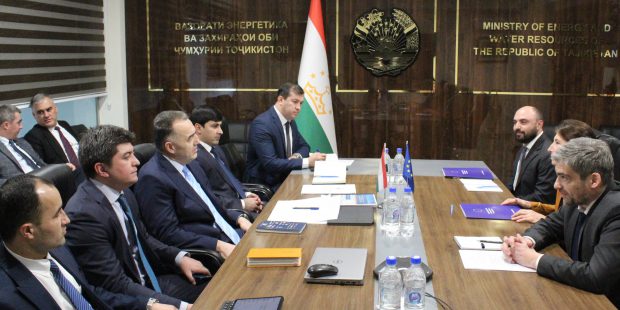
Tajikistan's Minister of Energy and Water Resources, Daler Juma, has held meetings in Dushanbe with representatives from the European Union and India to discuss bilateral cooperation in energy and water resources. This was reported by the press service of the Ministry of Energy and Water Resources of Tajikistan (MoEWR).

During the meeting with Isabelle Uritz Hernandez, Head of the Cooperation Section of the EU Delegation to Tajikistan, which took place on January 15, the parties reportedly reviewed the current state of their cooperation and prospects for its further development. It was noted that Tajikistan, with its significant hydropower potential, attaches great importance to the implementation of large-scale energy infrastructure projects and is interested in expanding cooperation with the European Union in this field.

On the same day, Daler Juma met with the Ambassador of India to Tajikistan, Rajesh Uike.

The discussion focused on expanding cooperation, including the implementation of investment projects in renewable energy sources. The parties reportedly also touched upon issues of scientific and technical collaboration, staff training, experience exchange, and participation in joint regional and international programs.

Following the meetings, both sides expressed their readiness to continue constructive dialogue and develop mutually beneficial cooperation.

Construction of a new tourist complex begins at Lake Iskanderkul

0
615826708_1547912647092143_7565131909087624639_n

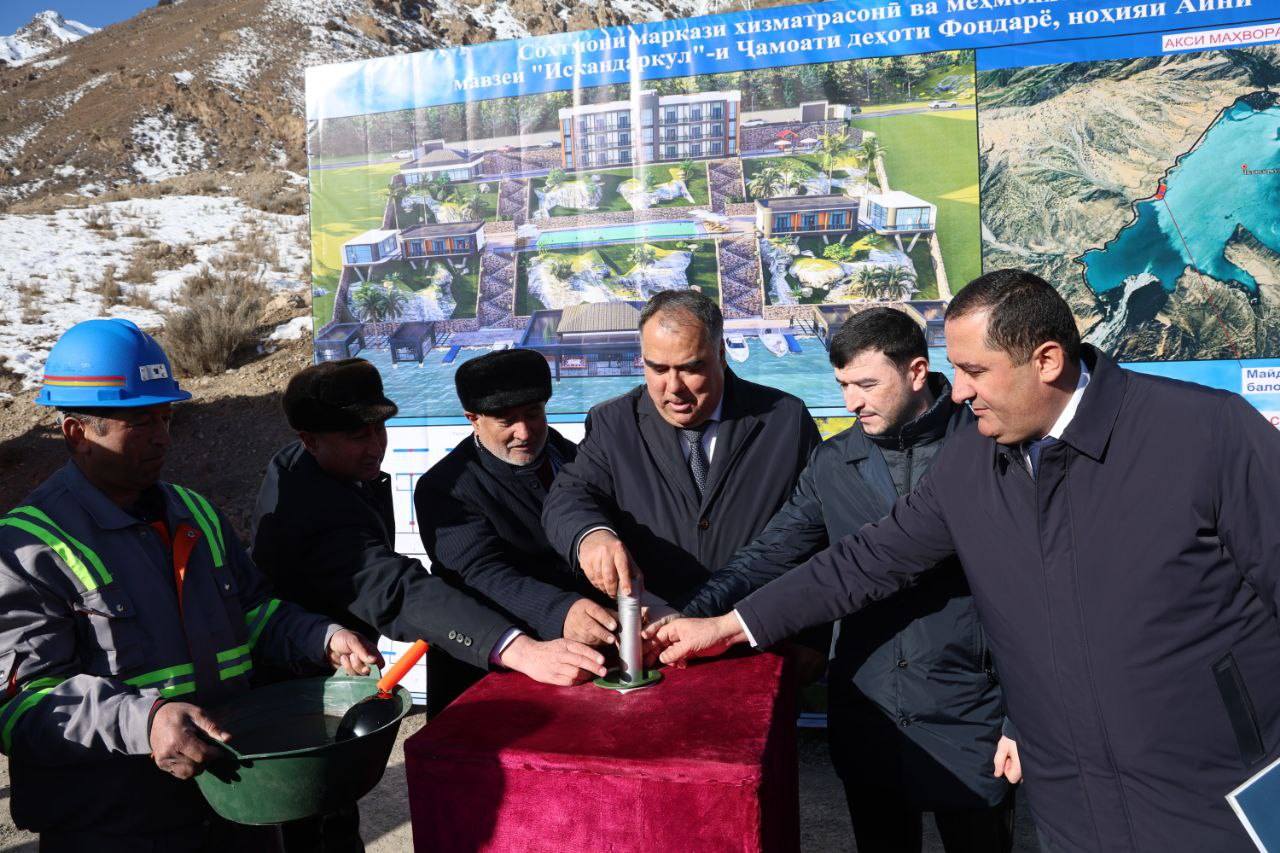
Construction of a new tourist complex has begun at Lake Iskanderkul, aimed at developing tourism and improving the quality of service for visitors to the region. The press service of the Sughd region administration reported this.

The project is being implemented with the support of local entrepreneurs. The groundbreaking ceremony took place on January 14 and was attended by the Sughd governor, Rajab Ahmadzoda.

The complex will be built in the Fondaryo Jamoat area, covering 1.08 hectares. The project includes the construction of three three-story buildings and five one-story structures. It will also feature parking facilities, a sports ground, a restaurant and cafe, walking areas, a children's playground, and other  

Iskanderkul is a mountain lake of glacial origin in Sughd province. It lies at an altitude of 2,195 meters on the northern slopes of the Hisor Range in the Fann Mountains. Triangular in shape, it has a surface area of 3.4 square kilometers and is up to 72 meters deep. Formed by a landslide that blocks the Saratogh river, the outflow of the lake is called the Iskander Darya, which joins the Yaghnob River to form the Fon Daryo, a major left tributary of the Zarafshon River.

134 km from Dushanbe and 23 km from the Dushanbe—Khujand road, Iskanderkul is a popular tourist destination.

It is considered one of the most picturesque mountain lakes in Tajikistan, attracting tourists from both near and far abroad every year. The lake is also a popular leisure spot among local residents.

According to scientists, the water level of the lake was much higher in ancient times, as evidenced by marks on the surrounding mountainsides, located more than 120 meters above the current lake level.  

The lake takes its name from Alexander the Great's passage in Tajikistan: Iskander is the Persian pronunciation of Alexander, and kul means lake in many Turkic languages. There are two legends connecting the lake to Alexander. The first one states it used to be a location the inhabitants of which resisted Alexander's rule, and in fury, the king ordered to divert a river and annihilate them. The second legend states that Alexander the Great’s legendary warhorse Bucephalus had drowned in the lake.