Home Blog Page 86

Nearly 100 million somonis to be allocated for culture and arts in Tajikistan: where the funds will go

0

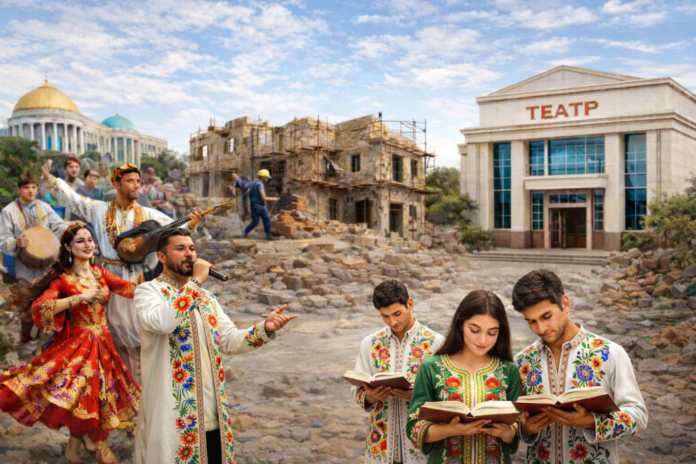
Tajikistan plans to allocate nearly 100 million somonis to develop the culture and arts sector over the next five years. The funding will be used to hold festivals and competitions, support theaters, digitize libraries, train personnel, conduct academic research in the field of culture, reform management systems, and equip institutions with modern technology.

Asia-Plus has reviewed the draft State Program for the Development of Culture and Arts for 2026–2030.

The total budget of the program amounts to 94.14 million somonis, to be financed from various sources. Funding is expected to increase more than fourfold over the five-year period — from 5.8 million somonis in 2026 to 24.9 million somonis in 2030.

A significant portion of the budget will be allocated to infrastructure development. In particular, the program provides for the construction of cultural centers in the Vakhsh and Panj districts at a cost of 15.2 million somonis. Cultural parks are also planned in the Ayni (9 million somonis), Murgab (9 million somonis), Baljuvon (8 million somonis), and Sangvor (6 million somonis) districts.

The program notes that Tajikistan currently has 368 cultural institutions in need of major repairs, while 75 facilities are in an emergency condition.

The location of cultural institutions is also a concern. A total of 886 facilities are situated in areas that are difficult for visitors to access: 77 operate in private houses, 154 in schools, 270 in public buildings, and 60 in medical facilities.

Libraries face particularly serious challenges. The national library collection is dominated by books in foreign languages, as well as outdated publications in terms of content and subject matter. Only 38% of the collection consists of books in the state language.

Staff shortages are another issue in the culture and arts sector. Of 10,814 established positions, only 10,245 are currently filled.

In addition to addressing these problems, the state program provides for the organization of 18 festivals, competitions, and regular cultural events, some of which will be held for the first time. Special emphasis is placed on poetry and music events, for which 240,000s somoni have been allocated.


Tajikistan allocates nearly 100 million somonis for the development of culture and arts state program for 2026–2030

💰 Key areas of funding

🏗 Construction, repair and reconstruction of cultural facilities – 60.8 million somonis: construction of  cultural centers, renovation of museums, and development of cultural parks;

🎪 Cultural and mass events — 12.8 million somonis: festivals, competitions, and creative clubs across the country;

📚 Protection and promotion of cultural heritage6.7 million somonis: UNESCO registration, book publishing, and field expeditions;

👨🎓 Training and capacity building4.9 million somonis: seminars, training courses, and professional development for specialists;

💻 Modern technical equipment4.9 million somonis: purchase of computers, musical instruments, and modern devices

🏛 Organization and management system — 1.4 million somonis: improvement of the legal and regulatory framework and sector management;

🔬 Research Activities — 1.4 million somonis: scientific studies and applied cultural research;

🖥Library automation — 0.7 million somonis: implementation of the Aleph system and digitization of library services

🏪 Strengthening the material and technical base — 1.5 million somonis: shops, internet networks, and development of electronic libraries
 

Seven European countries deploy troops to Greenland for intelligence mission

0
b58d86247445887189819aeb4bea24b4

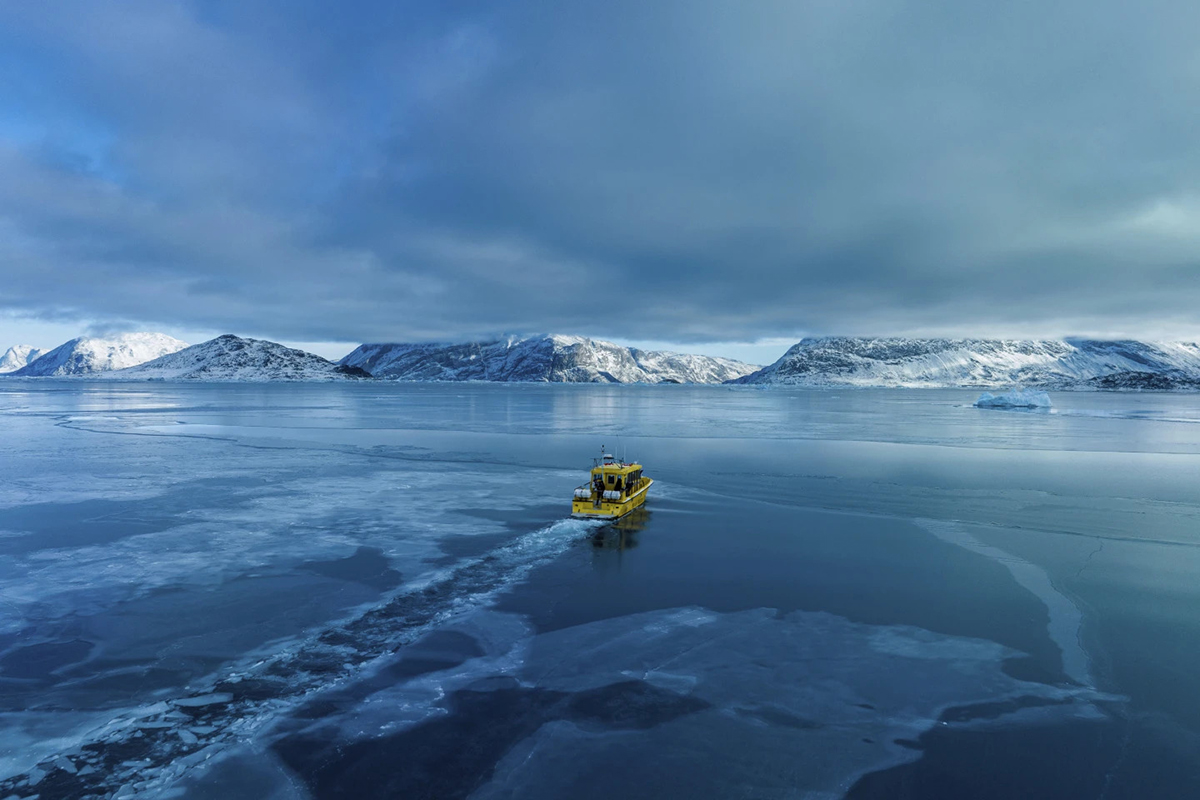
Seven European countries have deployed military personnel to Greenland to take part in an intelligence mission aimed at strengthening security in the Arctic region.

According to Reuters, France sent the largest contingent, consisting of 15 service members. Germany deployed 13 troops, Sweden sent three officers, Finland and Norway dispatched two each, while the United Kingdom and the Netherlands each sent one. The first group of troops arrived in Greenland’s capital, Nuuk, on January 14 aboard a Danish Air Force aircraft.

The following day, a German contingent joined them. Berlin had previously stated that its mission would run from January 15 to 17. The duration of deployment for troops from the other countries has not been specified.

As reported by Meduza, European states sent their personnel to assist Denmark — which governs the island — in preparing for large-scale military exercises scheduled for late 2026.

Danish Defense Minister Troels Lund Poulsen said it remains unclear how much NATO’s presence in Greenland may expand. However, he emphasized the importance of being able to plan for a more permanent and substantial NATO presence in 2026 in order to demonstrate the significance of Arctic security for the entire alliance.

Meanwhile, the White House stated that the arrival of European troops would not affect U.S. President Donald Trump’s plans regarding Greenland. White House Press Secretary Karoline Leavitt said on January 15 that the presence of European forces would not alter either the decision-making process or Trump’s objective of gaining control over the island.

The deployment of European troops coincided with talks between representatives of the United States, Denmark, and Greenland, which took place in Washington on January 14. The White House described the meeting as productive, but Danish authorities acknowledged that they were unable to persuade Trump to abandon his plans for Greenland.

Donald Trump has repeatedly stated that Greenland is of strategic importance to U.S. and European national security, citing concerns over a potential increase in Russian or Chinese influence in the region. The White House has also indicated that the U.S. president is considering various options to establish control over Greenland, including the use of force.

Young man detained in Sughd province on suspicion of killing his neighbor

0
image_2026-01-16_09-40-54

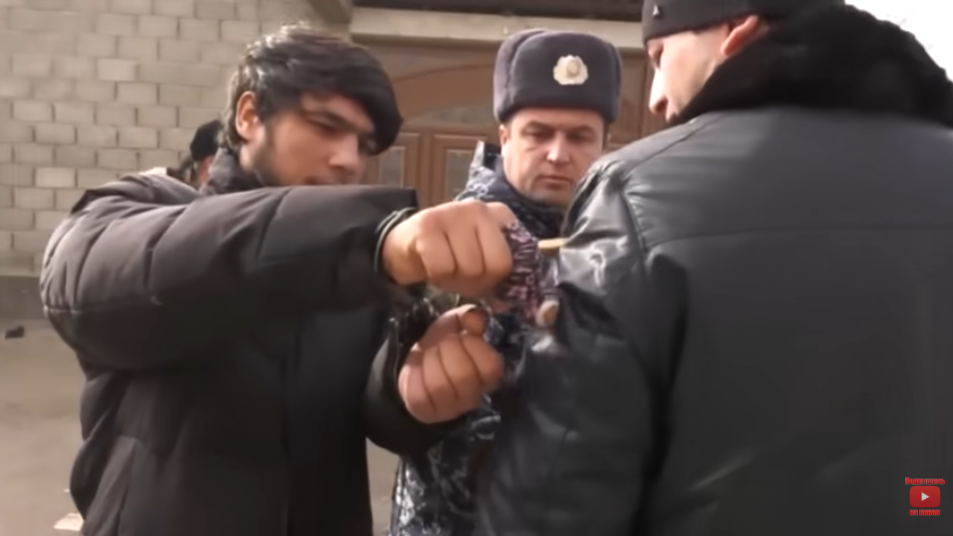
A 23-year-old resident of the Bobojon-Ghafourov district in the northern province of Sughd has been detained on suspicion of killing his neighbor. Criminal proceedings have been instituted against him, and he faces up to 15 years in prison, the Interior Ministry reported.

According to the ministry, the suspect is Komron Komiljonzoda. In a video released by the authorities, he stated that he stabbed 22-year-old Shahrom Jourayev due to personal hostility and long-standing animosity.

Investigators established that the incident occurred on January 6 on Karl Marx Street in the administrative center of the Bobojon-Ghafourov district. Komiljonzoda claimed that the victim had previously insulted members of his family, which allegedly triggered the conflict.

The suspect said he only intended to scare Jourayev and stabbed him once in the left side of the chest. However, the wound proved to be fatal.

The victim was taken to hospital in critical condition and later died from his injuries.

Criminal proceedings have been instituted against Komron Komiljonzoda under Article 110 (3) of Tajikistan’s Criminal Code — intentional infliction of grievous bodily harm, which carries a sentence of 12 to 15 years’ imprisonment.

The official position of the suspect and his relatives has not yet been made public.

Earlier, the Sughd Regional Court handed down a verdict in another high-profile case. A young man was sentenced to 24 years in prison for killing his girlfriend after she refused to marry him.

The 20-year-old resident of the Zafarobod district Shhahboz Nourulloyev was arrested in September on suspicion of the brutal murder of the 19-year-old Charos Asrorova, with whom he had been in a relationship. The court found Nourulloyev guilty under Article 104 (2) of Tajikistan’s Criminal Code – murder with extreme cruelty.

According to investigators, he stabbed the young woman 16 times and then attempted to conceal the crime by dousing her body with gasoline and setting it on fire. The court determined that the motive for the murder was revenge following the victim’s refusal to accept his marriage proposal.

Uzbekistan strengthens border security with special unit equipped with Bayraktar drones

0

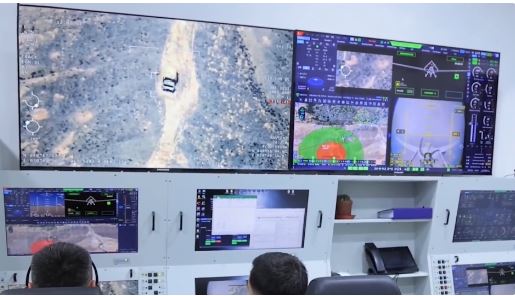
Uzbekistan has established a new special unit on its state border equipped with Bayraktar unmanned aerial vehicles. The announcement was made on January 13 at an expanded meeting of the Security Council chaired by President Shavkat Mirziyoyev, according to Fergana. The information was presented by the head of the State Security Service (SSS), Bakhodir Kurbonov.

According to Kurbonov, the unit has already begun active duty. At the same time, Uzbekistan is carrying out a large-scale modernization of its border security system. Currently, 42% of the border is equipped with video surveillance systems, 1,117 kilometers of fiber-optic communication lines have been laid, and border units have been supplied with modern drones.

Kurbonov noted that border troops are equipped with armored vehicles at 98%, watercraft at 88%, weapons and ammunition at 100%, and electro-optical systems at 78%. Combat training indicators for personnel have also been significantly improved.

In addition, the State Security Service has assumed responsibility for guarding the country’s international airports. The “Lochin” brigade has been reorganized, with its armaments fully upgraded and around 100 units of equipment replaced.

A new security system based on patrol and inspection groups has been introduced at Tashkent’s airports. Starting in 2026, this model is expected to be implemented at all airports across the country.

Addressing the Security Council, Kurbonov identified four key threats to national security: terrorism, cross-border challenges, illicit drug trafficking, and corruption. In 2025, authorities prevented 11 terrorist attacks and disrupted the activities of 11 radicalized individuals from Central Asian countries.

As a result of strengthened border protection, the number of border violations has decreased by 1.5 times, while the volume of seized goods has increased by 20%. At the same time, the drug situation has worsened: the amount of confiscated narcotics rose from 1,700 kilograms in 2024 to 3,600 kilograms in 2025.

The number of detained individuals increased to 4,500, and 15 clandestine laboratories were dismantled.

Particular concern is being raised by the spread of synthetic drugs among young people. In 2025 alone, more than 180 kilograms of synthetic substances and over one million psychotropic pills were seized.

Efforts to combat corruption are also ongoing. In 2025, a total of 1,083 employees were dismissed from state institutions for corruption-related and other crimes, and 661 individuals were brought to criminal responsibility.

Sharp temperature drop and snowfall expected in Tajikistan

0
photo_2026-01-16_07-41-04

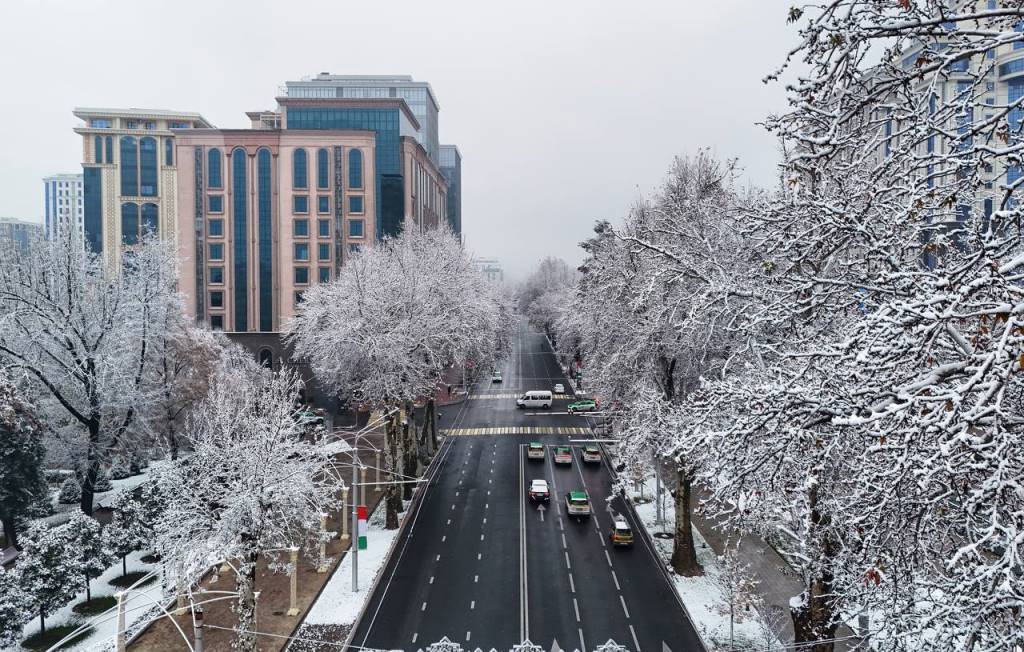
Tajikistan is set to experience a significant drop in temperatures, precipitation, and increased avalanche risk in the coming days, according to the country’s Agency for Hydrometeorology (Hydromet).

The agency reports that on January 16–17, air temperatures in most valley and foothill areas will fall by 8–10 degrees Celsius.

On January 16, precipitation is expected in valley and foothill regions, mainly in the form of rain, with rain turning into wet snow by evening. In mountainous and high-altitude areas, snowfall will prevail.

On January 17, snowfall is forecast across most regions of the country, with heavy precipitation expected in some areas.

The Hydromet has also issued a warning about precipitation on January 16 along the Dushanbe–Chanak highway, particularly on the 51–74 km and 80–81 km sections. In addition, snow avalanches are expected in the avalanche-prone areas of Maikhoura and Zideh in the Varzob district.

Meanwhile, forecasters do not rule out the possibility of abnormally cold weather toward the end of winter and in early spring.

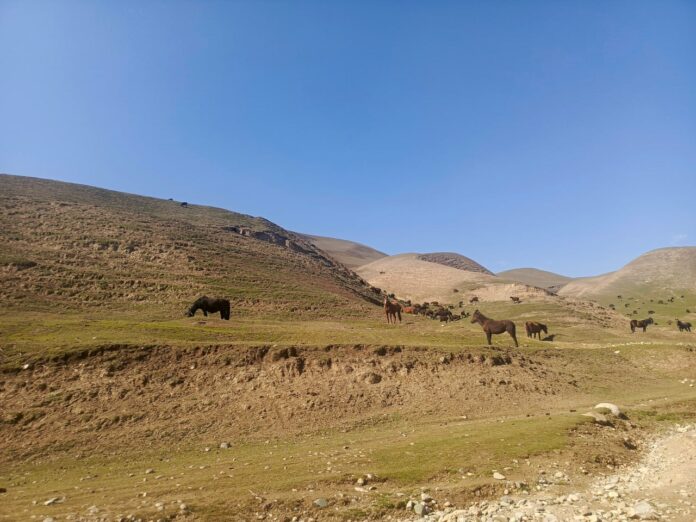
Despite the upcoming cold spell, this winter has generally been unusually warm for Tajikistan, with average temperatures in most regions exceeding the climatic norm by 1–2 degrees Celsius.


Who creates and manages Tajik Wikipedia?

0

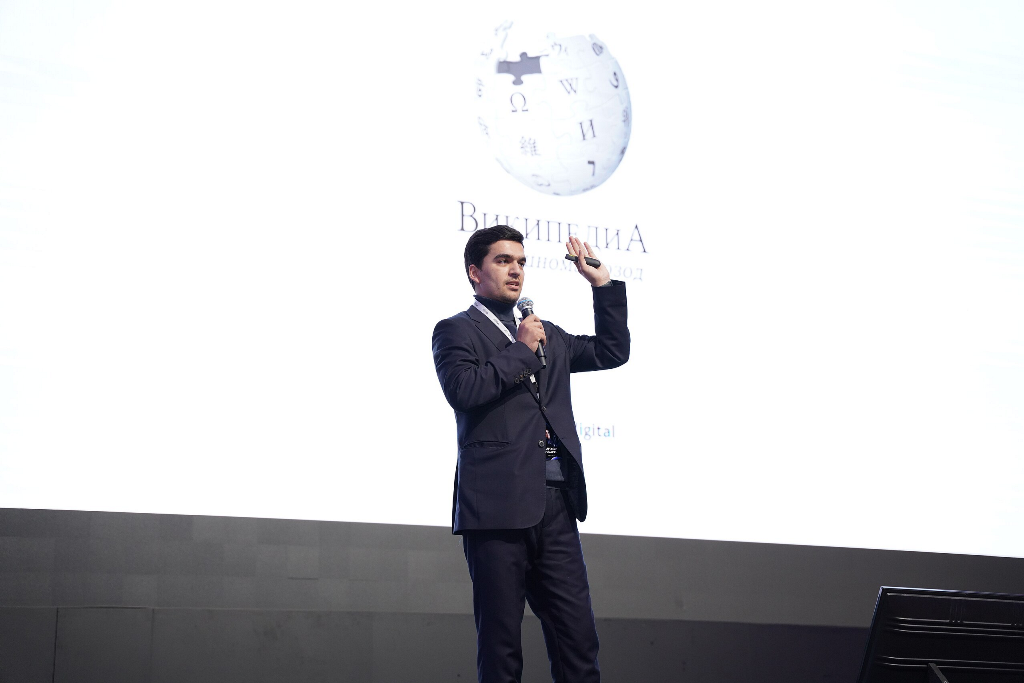
Wikipedia is a free and open online encyclopedia with global reach. Its name comes from the word wiki, meaning “fast,” combined with a derivative of the word “encyclopedia.” While the platform has administrators, anyone can contribute content.

Zinhor Nasriddinzoda, one of the administrators of Tajik Wikipedia, told Asia-Plus about the project’s achievements over more than two decades and the challenges it faces going forward. According to him, 116,305 articles have been published in Tajik Wikipedia over the past 22 years. In 2025 alone, the platform was accessed approximately 69 million times.

Currently, Tajik Wikipedia has 105,645 registered users, but only 145 of them contribute actively on a regular basis.


Who writes for Wikipedia?

Nasriddinzoda noted that Wikipedia operates under strict rules and editorial standards. Articles that fail to meet these requirements are removed.

“There are seven administrators working on Tajik Wikipedia who review articles daily and verify sources. If a publication lacks sources or contains unreliable information, it is deleted,” he said.

He emphasized that users cannot write articles about themselves; all content must be based on verifiable sources such as books, newspapers, or official websites.

In addition, the Wikimedia Foundation provides grants to active contributors to research specific topics and prepare articles. “This is the only financial support mechanism available to the platform,” Nasriddinzoda said.


Who administers Tajik Wikipedia?

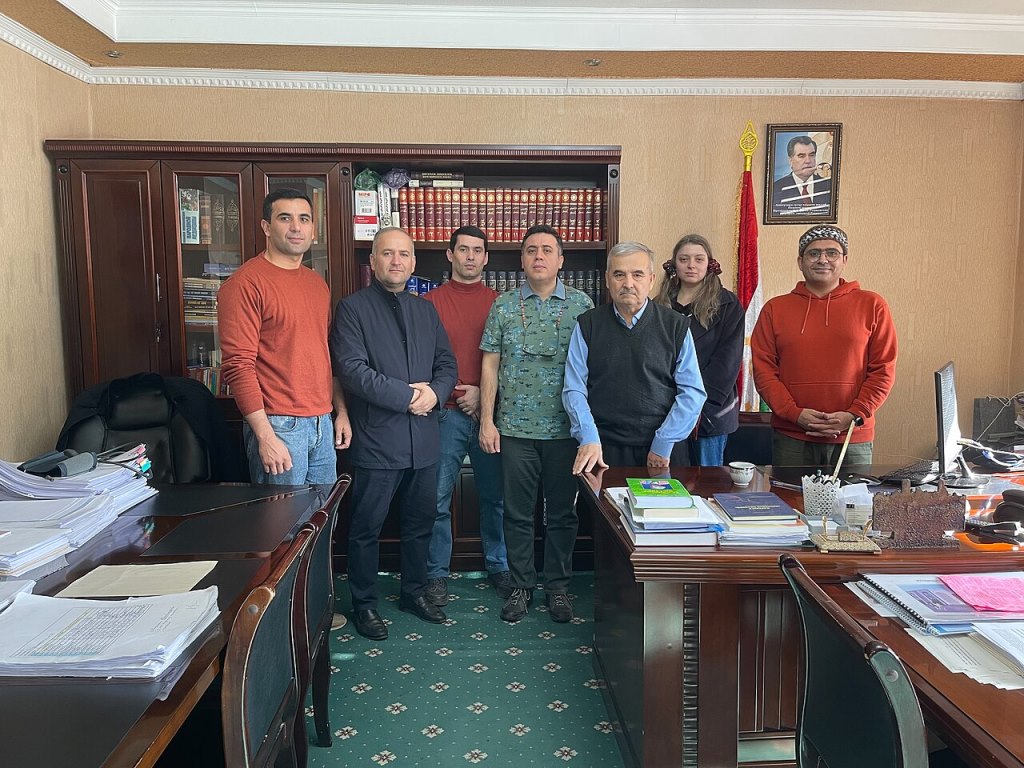
According to Nasriddinzoda, most administrators and active users of Tajik Wikipedia are employees of the Main Editorial Office of the Tajik National Scientific Encyclopedia under the Ministry of Culture. They oversee content quality and upload articles from the national encyclopedia to Wikipedia.

All administrators work on a voluntary basis without pay. Active contributors may also become administrators through a voting process on Wikipedia’s administrative pages.

There is also the role of global administrator, whose representatives take part in international Wikimedia events and exchange experience with contributors worldwide. Tajik Wikipedia currently has two global administrators, elected for a two-year term.


Lack of contributors and quality issues

One of the main challenges facing Tajik Wikipedia is the presence of errors and inaccuracies in articles and statistical data, which Nasriddinzoda attributes to a shortage of volunteers.

In some cases, scientifically edited articles are later simplified by other users who replace terminology with words borrowed from Russian. Since any user can edit content, administrators must repeatedly revise articles to restore accuracy and language standards.

“For a platform of this size, seven administrators is clearly not enough,” Nasriddinzoda said.

He added that much of the content from the Tajik National Encyclopedia has not yet been fully uploaded to Wikipedia. “The work is ongoing, but the pace remains insufficient,” he noted.

According to him, Tajik Wikipedia should aim to approach the Persian-language Wikipedia, which contains millions of articles and ranks among the world’s leading versions.


Future plans

The development of Wikipedia is entirely voluntary, meaning administrators and contributors cannot dedicate themselves to the project full time.

“At present, we lack the time and resources to actively promote Wikipedia in universities and educational institutions. Nevertheless, last year we held several meetings at universities to attract new contributors,” Nasriddinzoda said.

Plans include establishing a Wikimedia Foundation presence in Tajikistan and creating a shared workspace for contributors, enabling them to publish more content and support the platform’s growth.

Despite existing challenges, Tajik Wikipedia holds a strong position among global editions and is considered one of the leading Wikipedia projects in Central Asia in terms of both article quantity and quality, Nasriddinzoda concluded.

The medal may be in Trump’s hands, but peace prize is not his, Nobel officials say

0
Trump

Media reports say Venezuelan opposition leader María Corina Machado ‘presented’ her Nobel Prize to Trump in White House meeting.  In an apparent attempt to win back Donald Trump’s favor, Venezuelan opposition leader María Corina Machado told reporters she had “presented” her gold Nobel peace prize medal to the US president during a private meeting at the White House on Thursday.

The Guardian reported that Machado, who received the Nobel Peace Prize last year for her struggle against what the Nobel committee described as Nicolás Maduro’s “brutal, authoritarian state,” said she offered the medal “in recognition of his unique commitment to our freedom.” It remains unclear whether Trump formally accepted the medal.

Trump later addressed the matter on his Truth Social platform, writing: “María presented me with her Nobel Peace Prize for the work I have done. Such a wonderful gesture of mutual respect. Thank you María!” He did not post a photo of the medal, and it is unknown whether he retained possession of it.

While Trump expressed gratitude for the gesture, Nobel institutions swiftly reiterated long-standing rules governing the award. In a press release dated January 9, the Nobel Peace Center stated: “Once a Nobel Prize is announced, it cannot be revoked, shared, or transferred to others. The decision is final and stands for all time.”

Earlier on Thursday, Nobel organizers reinforced the point in a post on X, formerly Twitter, saying: “A medal can change owners, but the title of a Nobel Peace Prize laureate cannot.”

The Guardian also recalled that Machado’s dramatic escape from Venezuela to attend the Nobel ceremony in Norway last December drew international attention. Analysts reportedly view her decision to present the medal to Trump as an attempt to revive her political movement, whose prospects dimmed after Maduro was removed from power and later detained in New York.

Meanwhile, the BBC reported that Trump has largely maintained a distant stance toward Machado, despite her recognition for a long campaign for democracy in Venezuela. In 2023, she won the opposition primary by a landslide but was barred from running against Maduro, whose re-election the following year was widely denounced as illegitimate.

However, after a U.S.-led operation ousted Maduro earlier this month, Trump surprised observers by backing Maduro’s vice president, Delcy Rodríguez, stating that Machado was “not respected” enough to lead the country.

Rodríguez, speaking at her first press conference as interim president on Wednesday, said Venezuela was entering a “new political era” marked by increased tolerance for “ideological and political diversity.”


Tajikistan’s health ministry denies claims linking Pantogam drug to child deaths

0
photo_2026-01-15_14-42-12

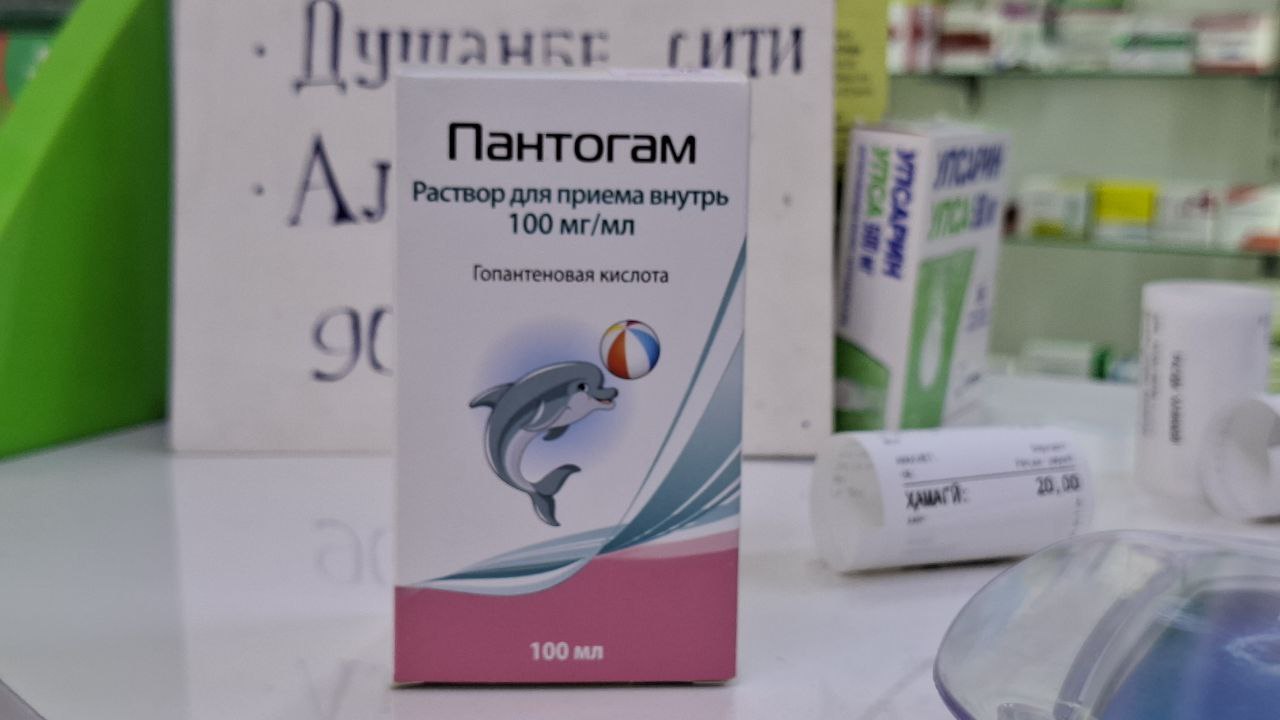
Tajikistan’s Ministry of Health and Social Protection of the Population (MoHSPP) has denied claims that the drug Pantogam is harmful or linked to the deaths of children, stating that reports circulating on social media are unfounded and lack medical evidence.

In recent days, social media posts alleged that Pantogam had caused health complications in children with neurological conditions and had led to fatal outcomes.

According to a MoHSPP, following the spread of this information, the State Health Control Service conducted additional laboratory tests and quality inspections. The results confirmed that the drug, manufactured by the Russian pharmaceutical company Pik-Pharma Lek LLC, fully complies with quality and safety standards required for medicines distributed in Tajikistan.

Medical specialists from the ministry, including toxicologists and neurologists, said there is no scientific basis for claims that Pantogam could cause the deaths of children with nervous system disorders. They noted that the drug is approved for use and has official instructions, and that when taken in accordance with medical recommendations, the risk of side effects is minimal.

The ministry emphasized that, like any medication, Pantogam has contraindications and must be used strictly as prescribed. Failure to follow instructions may result in side effects such as headaches or sleep disturbances. It was also noted that prolonged use of the drug in combination with other nootropic medications and stimulants may be undesirable.

The Health Ministry also reported that a social media claim made by a citizen alleging that two of his children had died and one had been hospitalized after taking Pantogam was investigated and found to be unsubstantiated.

According to official information, the complainant, Komiljon Latipov, brought his four-month-old daughter, Zakiya Komiljonzoda, to the pediatric department of Istiqlol Hospital on January 10 with symptoms including drowsiness, lethargy, general weakness, cold extremities, and vomiting. The child’s parents suggested that their daughter’s condition may have worsened after taking the drug Pantogam. In addition, Komiljon Latipov claimed that three children had allegedly died as a result of using the medication; however, no such cases have been recorded by medical institutions, the MoHSPP said.

 Doctors diagnosed the infant with toxic encephalopathy with signs of central nervous system depression and admitted her for treatment. Her condition is currently reported as stable.

The Ministry of Health urged citizens to be cautious and to rely only on official sources for information regarding medicines and healthcare services.

For questions or concerns related to the use of medications, citizens are advised to contact the health ministry’s hotlines: +992 888 000 303; +992 931 119 191; and +992 37 250 35 33.

What risks an abnormally warm winter poses to Tajikistan

0

Tajikistan has entered 2026 with an unusually warm winter. Meteorologists forecast not only above-average temperatures but also sharp cold spells toward the end of winter and early spring. Such climate volatility is raising serious concerns among farmers, as it may negatively affect agriculture and future harvests.


Warm January and the threat of severe frosts

January 2026 has been significantly warmer than usual across Tajikistan. Average temperatures in most regions are expected to be 1–2 degrees Celsius above the long-term norm, while precipitation levels remain below average.

According to the Agency for Hydrometeorology of Tajikistan, nighttime temperatures in lowland areas will range from –5°C to +2°C, while daytime temperatures may reach between +2°C and +12°C. Rain, sleet, and snowfall, as well as stronger winds, are possible in the second half of the month.

At the same time, forecasters warn of sharp temperature fluctuations in February and March. During the third ten-day period of January and in February, abnormally low temperatures of –17°C to –20°C at night cannot be ruled out.

Such fluctuations could severely damage plants and fruit trees that have already emerged from dormancy, posing additional risks to the agricultural sector.


Risks to agriculture

The lack of a stable snow cover combined with mild winter conditions increases the vulnerability of crops. One of the main threats is the early awakening of vegetation.

In southern Tajikistan, early sprouting and bud swelling have already been observed in some fruit trees. If frosts follow, flowers and buds could be damaged, leading to significant crop losses.

“If frost hits plants that have already begun to develop or bloom, the consequences could be very serious,” warns agronomist Bakhtiyor Hoitboyev.

Warm winters also allow insect pests, harmful bacteria, and fungi to survive and multiply. This poses a particular threat to winter crops, which normally benefit from the protective effect of snow cover.


Farmers’ concerns

Farmers across the country are increasingly worried about the situation.

“If snow does not fall and frost comes when plants start growing, we could lose a large part of the harvest,” said a farmer from Hisor. He noted that irrigation can help in some areas, but access to water remains limited in many regions.

Orchard owners share similar concerns. “After frost damage to vineyards in 2021, we started covering them with plastic. But if cold weather arrives earlier than expected, the risks remain high,” said one grower.


Expert recommendations

Doctor of Sciences in Agriculture Qurbonali Partoyev advises farmers, especially those working on irrigated land, to carry out winter irrigation.

“Winter irrigation helps delay premature plant growth and destroys pest larvae that could damage crops in spring,” he explained. In the absence of snow, this measure becomes particularly important.

Experts also recommend mulching, which helps retain soil moisture and reduce damage from summer heat.


Adapting to climate change

Scientists and agricultural experts emphasize the need to adapt Tajikistan’s agriculture to climate change. The country is already implementing programs to modernize irrigation systems and improve water management.

Key adaptation measures include introducing drought-resistant crop varieties, expanding drip irrigation, and using modern methods to protect plants from pests and diseases.

“Training farmers in modern agricultural technologies is one of the key factors for ensuring resilience in the face of climate change,” agronomist Bakhtiyor Hoitboyev noted.

Tajikistan’s capital ranks among cities with the lowest cost of living worldwide

0
photo_2026-01-15_13-12-27

Tajikistan’s capital, Dushanbe, has been ranked among the cities with the lowest cost of living globally, according to the Cost of Living Index by City 2026 published by the analytical platform Numbeo.

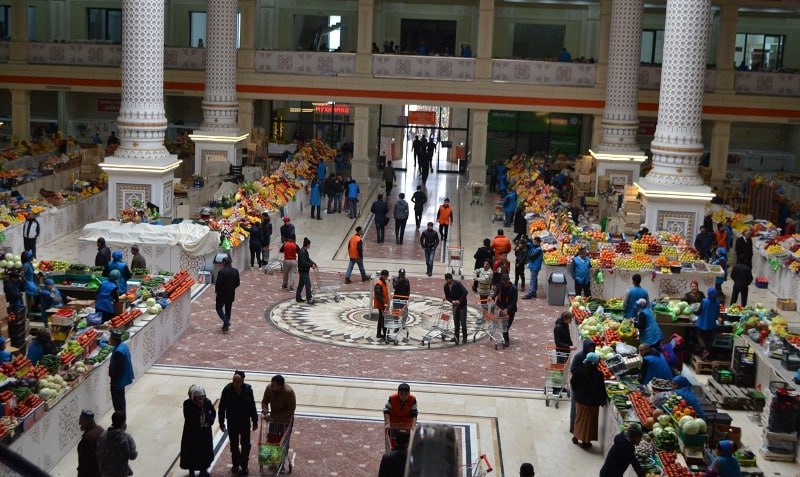
According to the ranking, Dushanbe placed 437th among 479 entries, positioning it among the most affordable cities to live in. The city’s cost of living index stood at 28.6 points, meaning that basic living expenses are nearly 3.5 times lower than in New York, which serves as the benchmark for the index.

Low figures were also recorded across other categories. Dushanbe’s rent index amounted to 11.3, while the overall cost of living index including rent reached 20.9, indicating a relatively modest burden on household budgets. Restaurant prices in the city also remain among the lowest globally, with a restaurant price index of 20.6.

Overall, cities in Central Asia tend to occupy the lower end of global cost-of-living rankings. In addition to Dushanbe, the Numbeo list includes Astana, Almaty, Tashkent, and Bishkek. The region is characterized by low costs for housing, food, and services, although relatively low income levels limit local purchasing power.

According to Numbeo, Astana demonstrates the most favorable balance between incomes and prices among Central Asian cities. In Dushanbe, local purchasing power is estimated at 36.2 points, reflecting a constrained ratio between household incomes and expenses.