Home Blog Page 87

Why is Tajik honey not exported to Europe?

0
DSC_4763

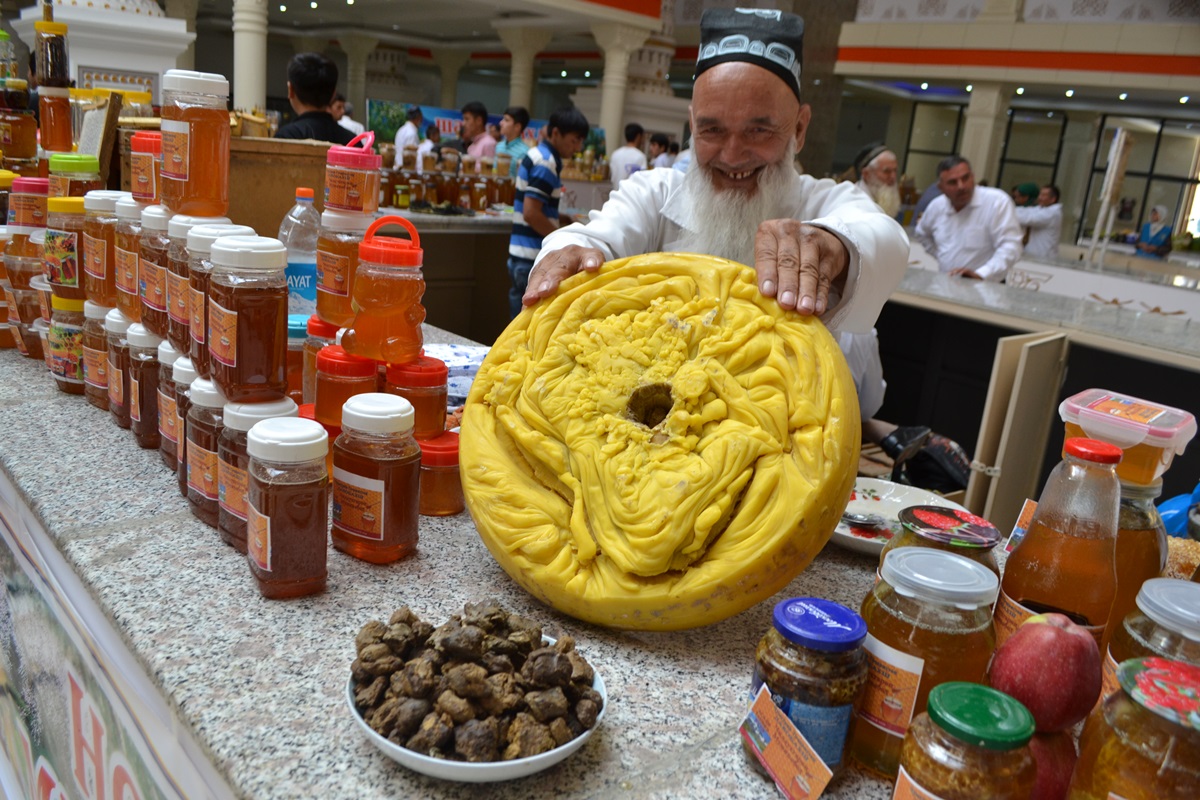
Tajikistan produces significant volumes of honey that regularly receive high praise at international exhibitions for their taste and environmental purity. However, Tajik honey remains absent from European store shelves. Despite its recognized quality, exports to the European Union remain out of reach.


Production is growing, exports are not

Honey production in Tajikistan has increased substantially over recent decades. While the country had around 60,000 bee colonies in the early 1990s, the number now exceeds 260,000–280,000. Annual production has grown from several hundred tons to 4,000–4,800 tons, equivalent to 0.4–0.5 kilograms per capita.

Despite this growth, exports remain minimal. According to customs data, Tajikistan exported only about 2.3 tons of honey in 2024, while imports totaled 4.2 tons, highlighting serious challenges in accessing foreign markets.


The price gap

The average retail price of honey in the EU is about €15 per kilogram, while wholesale prices range from $2 to $4. This gap reflects costs related to processing, packaging, branding, logistics, and marketing.

Tajik honey is mainly sold as raw material without processing or branding, significantly reducing its market value and appeal to international buyers.


Regulatory barriers block access to the EU

High product quality alone is insufficient for entry into the EU market. European regulations impose strict safety and control requirements.

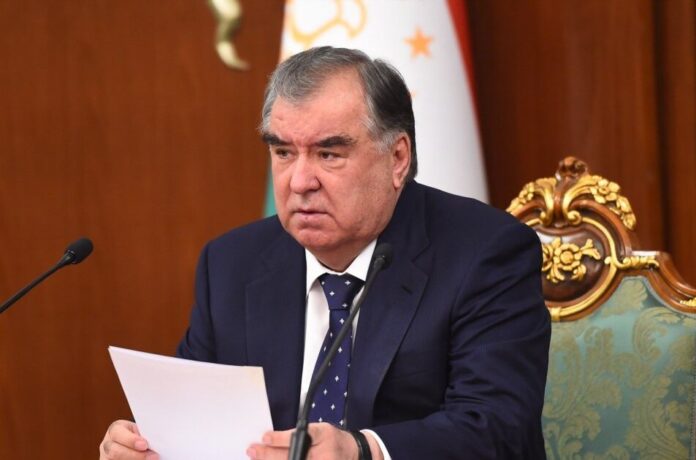
President Emomali Rahmon has previously noted that despite favorable conditions for beekeeping, Tajikistan’s honey production and exports fall short of their potential, stressing the need to improve quality control and certification systems.

To export honey to the EU, a country must be included in the EU’s official list of approved third countries. It must also implement a national monitoring program for pesticide and antibiotic residues and operate accredited laboratories meeting EU standards.

Tajikistan has not yet completed this process. Although a monitoring program has been developed, it has not been approved by the European Commission, remaining the main obstacle to exports.


Quality control challenges

Laboratory tests have not always yielded satisfactory results. In one recent study conducted in Germany, no pesticides were found, but antibiotic residues were detected in about half of the samples, in some cases exceeding permitted levels.

“Chemicals lead to the death of bees. Farmers must inform us in advance about the use of chemicals on their fields,” says beekeeping expert Abdughani Toshmatov from Khujand.


Structural issues in the sector

Beyond regulatory hurdles, the sector faces structural challenges. Most apiaries in Tajikistan are small-scale, making it difficult to ensure consistent export volumes. Experts emphasize the need for cooperatives to collect, standardize, process, and package honey for export.

A lack of modern storage and processing facilities further limits the industry’s export potential.


The path to the European market

Experts agree that Tajik honey is environmentally clean and of high quality. However, access to the EU market requires proof of safety, traceability, and compliance at every stage — from production to transportation.

To achieve this, Tajikistan needs to:

·         finalize approval of the national residue monitoring program;

·         establish internationally accredited laboratories;

·         train beekeepers and farmers in controlled chemical use;

·         develop cooperation and processing capacities;

·         implement traceability and quality control systems;

·         improve packaging, branding, and marketing.

These steps represent only part of the extensive requirements. Meeting them would allow Tajikistan to compete with major honey producers and bring its honey to European consumers. 
Around 400 new industrial enterprises launched in Tajikistan in 2025

0

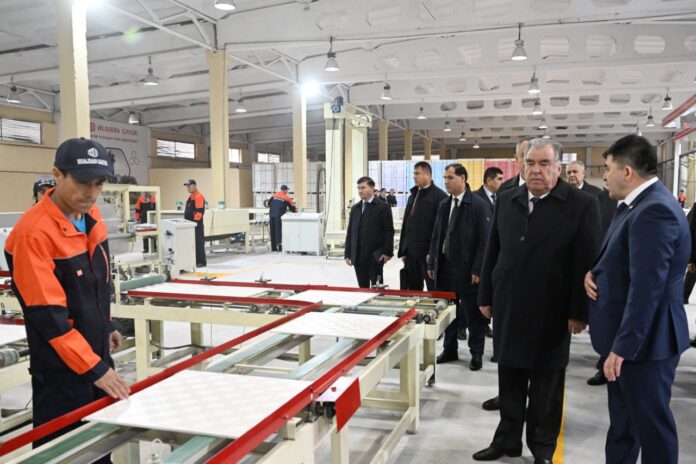
Approximately 400 new industrial enterprises began operations in Tajikistan in 2025. Overall, more than 2,600 industrial facilities have been built and commissioned across the country over the past seven years, creating more than 87,000 new jobs.

The state-run news agency Khovar, citing the Ministry of Industry and New Technologies, reports that industrial output growth reached 22% in 2025. Over this period, total industrial production reportedly increased 2.5-fold and reached 66 billion somoni by the end of the year.

To further accelerate industrial development, a draft of a new Accelerated Industrialization Program for 2026–2030 is expected to be developed by the end of the first quarter of this year and submitted to the government for consideration. Once approved, the program will serve as the foundation for implementing new industrial initiatives.

In addition, a program for the development and processing of non-ferrous, rare, and precious metals, as well as other strategically important raw materials, is set to be adopted during the same period. These measures aim to improve the efficiency of natural resource utilization and strengthen the country’s export potential.

As noted in President Emomali Rahmon’s address to a meeting of both chambers of the Majlisi Oli (Tajikistan’s Parliament) on December 16, 2025, the implementation of the accelerated industrialization strategy has significantly strengthened the mineral resource sector. Output in the mining and minerals sector increased 3.4 times—from 7.7 billion somoni in 2020 to 27 billion somoni in 2025—while the range of manufactured products expanded from three to 17 items.

Compared to 1991, gold production in Tajikistan has increased sevenfold, silver production sixfold, and lead powder production ninefold. The president emphasized the need to ensure annual industrial growth of at least 25% over the next five years.

In this regard, the government has been instructed to take additional measures, with the involvement of domestic and foreign capital, to establish new enterprises focused on deep processing of domestic raw materials, including minerals, non-ferrous and rare metals, as well as agricultural products and medicinal herbs.

Tajikistan implements licensing system reform

0

Tajikistan has completed one of its most significant reforms in recent years, eliminating 44 types of permit documents and 43 subcategories of related activities. This was announced by the State Committee on Investment and State-owned Property Management (GosKomInvest) of the country.

As a result of the reform, the total number of permits, confirmation documents, and approval acts has been reduced from 208 to 164, while the number of issuing authorities has decreased from 33 to 30.

The reform covers three main regulatory groups and is aimed at simplifying the business environment and improving the investment attractiveness of Tajikistan.

"In particular, the number of active permits has been reduced from 78 to 68, permit-related documents from 71 to 56, and confirmation and approval acts from 56 to 37," the GosKomInvest’s statement reads.

The reform was implemented through amendments to the licensing system legislation, signed by the President of Tajikistan on December 17, 2025, and coming into force on December 23 of the same year.

The GosKomInvest emphasizes that, following international best practices, Tajikistan is gradually improving its legislation in the area of the licensing system, digitalization, and streamlining regulations under a unified legal framework.

"With the adoption of the Law of Tajikistan ‘On the Licensing System’ in its 2023 version, the number of permit-related documents was reduced by 72 positions, or by 25%, from 280 to 208," the statement notes.

According to the GosKomInvest, these measures not only reduce the number of documents required for doing business but also limit the legal grounds for inspections by government bodies.

"The initiative to simplify permit procedures significantly reduces administrative burdens and risks for entrepreneurs, enhances transparency and efficiency, and creates favorable conditions for sustainable business development and attracting both domestic and foreign capital," the GosKomInvest points out.

In conclusion, the GosKomInvest states that these reforms reflect Tajikistan's commitment to aligning with global trends in creating a favorable business and investment environment and positioning the country competitively to attract foreign investments.

Emomali Rahmon signs decree to increase salaries, pensions, and scholarships

0

President Emomali Rahmon has signed a decree to increase the salaries of civil servants, employees of state institutions, and the amounts of pensions and scholarships, effective September 1, 2026.

According to the document, the minimum wage for workers in all economic and social sectors of the country will be set at 1300 somonis per month.

The President also approved the following changes:

·         A 25% increase in salaries for staff at preschool and general education institutions;

·         A 20% raise in salaries for workers in other sectors such as education, science, culture, sports, healthcare, social protection, law enforcement, military personnel, as well as government and public administration bodies;

·         A 20% increase in the base salary for healthcare workers, bringing it to 893 somonis;

·         The establishment of a base salary for calculating the salaries of senior category civil servants at 1614 somonis, for first, second, third, and fourth category civil servants at 1506 somonis, and for fifth, sixth, and seventh category workers at 1668 somoni;

·         A 20% increase in student scholarships, including presidential scholarships (excluding cadets of military educational institutions and the Ministry of Internal Affairs Academy);

·         A 20% increase in the salaries of military personnel, law enforcement officers, and other workers in these sectors;

·         The establishment of a base salary for calculating coefficients for military ranks and special positions of law enforcement officers, ranging from 2002 somonis for privates to lieutenants, and 1800 somonis for senior lieutenants to army generals;

·         The establishment of a base salary of 1800 somonis for civil servants holding administrative positions of the highest, first, second, third, and fourth categories in military and law enforcement structures, and 2002 somoni for fifth, sixth, and seventh category administrative positions;

·         Indexing (increasing) insurance, labor, and social pensions, as well as related allowances, to match the inflation rate of 2025, but by no less than 15%.

A statement accompanying the decree emphasized that improving the living standards and quality of life of the population is "one of the top priorities of the country’s economic and social policy."

In his address to Parliament in December 2025, Emomali Rahmon instructed the government to raise the salaries of military personnel, law enforcement officers, and other budgetary workers, as well as to increase scholarships and pensions.

It is worth noting that in 2024, the president also ordered an increase in salaries and social payments from September 1, 2025. Salaries were raised by 30% for employees in preschool and general education institutions, and by 20% for workers in other sectors such as education, science, culture, sports, healthcare, social protection, and government bodies. Additionally, pensions were indexed by 10%, and the minimum monthly wage was increased from 800 to 1000 somonis.


Iran closes airspace amid fears of US strikes

0

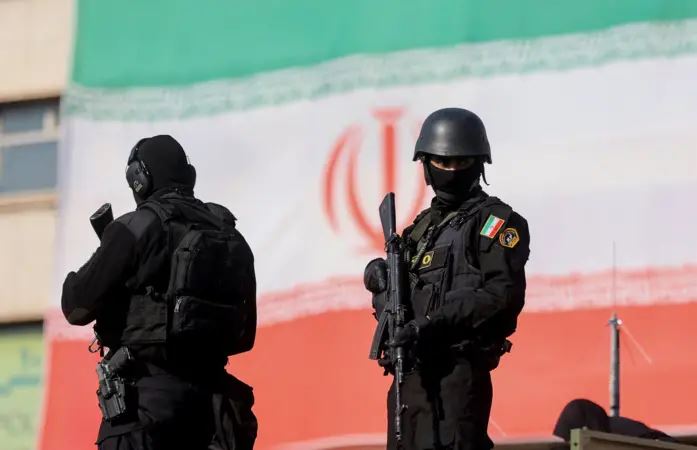
Iranian authorities have temporarily restricted the use of the country’s airspace. On the evening of January 14, Iran’s Civil Aviation Organization announced that all flights were suspended except for international ones that had received prior approval. The restrictions, initially set to last for two hours, were later extended until the morning of January 15, according to the Associated Press.

The decision comes amid escalating tensions with the United States. Reuters, citing European officials, reported that the U.S. may carry out strikes against Iran within the next 24 hours.

Earlier, U.S. President Donald Trump had stated that Washington was considering several “extremely tough” options regarding Iran in response to the crackdown on protests, including potential strikes on Iranian territory and even the deployment of troops.

However, Trump later stated that, according to "reliable sources," Iranian authorities had backed off plans to execute detained protesters. He added that the Iranian government had ceased its violent suppression of protests and abandoned plans for mass executions of protest leaders.

When asked about the possibility of the U.S. backing away from a military option, Trump noted that Washington would continue to closely monitor developments. He also mentioned receiving “very positive signals” from sources well-informed about the situation.

Earlier, the head of Iran’s judiciary, Gholam Hossein Mohseni-Ejei, announced plans to expedite the processing of cases for approximately 18,000 individuals detained during protests and suggested the possibility of death sentences for some of them. In response, Iran’s foreign minister assured Fox News in an interview that the authorities had no plans to execute protesters.

Amid the intensifying situation, the United States has also taken precautionary measures in the region. According to reports from Reuters, AFP, and CNN, U.S. authorities have recommended that certain military personnel and civilian staff temporarily leave the Al Udeid Air Base in Qatar, which houses about 10,000 American military and civilian personnel.

Since late December 2025, large-scale anti-government protests have erupted across Iran. Media and human rights organizations report that the authorities are taking harsh measures to suppress the unrest. Hundreds are said to have been killed, and thousands have been detained. Reliable information about the situation in Iran is scarce, as the country has had its internet access cut off for several days. 

US suspends immigrant visa processing for 75 countries

0

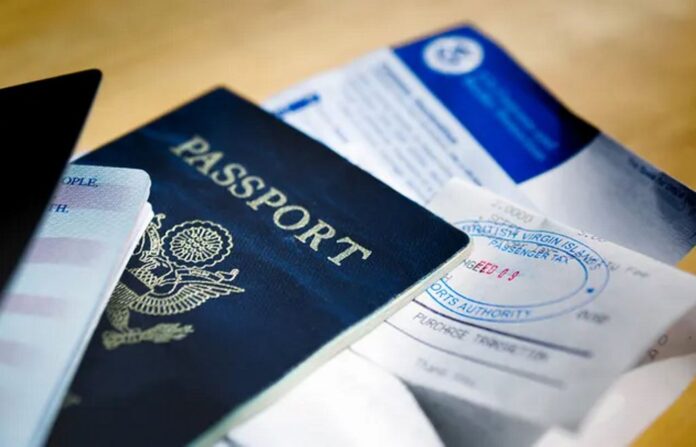
The United States has announced a suspension of immigrant visa processing for applicants from 75 countries, marking a significant escalation in its immigration policies. The move, confirmed by a State Department spokesperson, is part of an ongoing crackdown under the Trump administration, aimed at reducing the number of immigrants entering the country.

According to Reuters, the suspension will affect applicants from a wide range of countries, including Latin American nations such as Brazil, Colombia, and Uruguay; Balkan states like Bosnia and Albania; South Asian countries such as Pakistan and Bangladesh; as well as many nations across Africa, the Middle East, and the Caribbean. The pause in processing is set to begin on January 21, 2026.

CNN reports that the suspension specifically targets immigrant visas, including those for employment or family reunification. However, it does not apply to non-immigrant visas, such as student or tourist visas. As such, individuals planning to attend events like the World Cup in the U.S. this summer will not be affected by the suspension.

Al Jazeera further clarified that the U.S. State Department indicated the decision was driven by concerns over migrants from these countries who are perceived to be accessing welfare programs at rates deemed “unacceptable” by the American government. The department stated that the freeze would remain in place until the U.S. can ensure that new immigrants will not impose a financial burden on American taxpayers.

Fox News Digital reports that the list of countries affected by the visa suspension includes Afghanistan, Brazil, Iran, Iraq, Egypt, Nigeria, Syria, Yemen, Thailand, Russia, Belarus, Kazakhstan, Kyrgyzstan, Uzbekistan, Armenia, Azerbaijan, and several others.

Tajikistan is not included in the list published by Fox News. However, the U.S. Embassy in Dushanbe previously announced that the suspension of the Green Card lottery also includes a halt to the issuance of immigrant visas. Despite this, applicants can still submit their documents and attend interviews.

This move is expected to further tighten the Trump administration’s stance on immigration, which has been a central theme throughout his presidency.

Tajikistan launches its first large-scale solar energy project

0

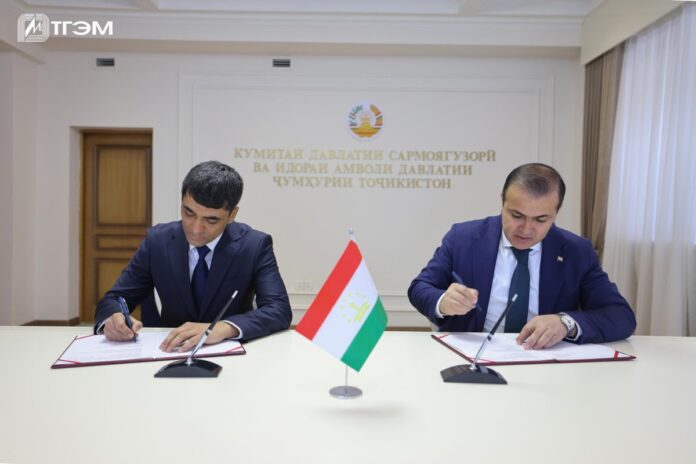
An investment agreement between the Government of Tajikistan and Ayon Energy LLC to implement the country’s first large-scale solar energy project was signed in Dushanbe on January 13, according to the State Committee on Investment and State-owned Property Management (GosKomInvest).

The project provides for the construction of two solar photovoltaic power plants, each with a capacity of 250 megawatts, in Asht district of Sughd province and in Jayhoun district of Khatlon province.  

According to GosKomInvest, this is the first time in the country’s history that a solar power project of such installed capacity is being implemented, marking a clear step toward the use of alternative and renewable energy sources.

The project will be carried out in line with directives from the President of Tajikistan and national programs aimed at developing green energy.

Once operational, the solar power plants are expected to strengthen the country’s energy independence, reduce seasonal electricity shortages—particularly during the winter months—and improve the reliability of power supply for both households and the economy.

Under the terms of the agreement, the investor has committed to completing the design, construction, and commissioning of the facilities during this year. The total investment is estimated at $250 million.

Officials described the project as a significant milestone on Tajikistan’s path toward green energy, a sustainable economy, and an environmentally friendly future, noting that it also lays a solid foundation for achieving long-term energy independence.

Ayon Energy LLC has been described in the media as a Tajik company. However, detailed information regarding its corporate structure, founders, history, or previous projects has not been made publicly available.

As it had been reported earlier, during the Dushanbe Invest–2025 International Investment Forum held in October last year, Tajikistan’s Ministry of Energy and Water Resources signed a series of agreements aimed at strengthening the country’s energy security and accelerating the development of renewable energy.

The agreements included three protocols and two memorandums of understanding focused on the construction of solar and wind power plants, as well as educational initiatives in the energy sector.

A key outcome of the forum was an agreement to develop solar power plants in several regions of Tajikistan, supporting the country’s transition to cleaner and more sustainable energy sources. In particular, Ayon Energy LLC signed a protocol to build solar power facilities with a combined capacity of 500 megawatts in the Khatlon and Sughd provinces. The document underscores the growing role of the private sector in advancing environmentally friendly energy projects.

Despite having one of the most favorable climates for solar energy generation, Tajikistan has yet to fully exploit its solar potential, which is estimated at around 25 billion kilowatt-hours annually. At present, solar energy is used only to a limited extent, mainly for water heating.

Tajikistan’s geographic location, between 36°40′ and 41°05′ north latitude, places it within what meteorologists describe as the “golden belt” of solar intensity. According to the Agency of Hydrometeorology of Tajikistan (Hydromet), the country receives between 2,100 and 3,166 hours of sunshine each year, with 260 to 300 sunny days annually.

These conditions highlight the strong potential for solar power to become a reliable and sustainable energy source. As global demand for clean energy continues to grow, experts say Tajikistan is well positioned to expand its renewable energy portfolio—particularly solar and wind power—to complement its existing hydropower infrastructure and enhance long-term energy security.

Tajikistan’s MoT and Kuwaiti consulting company sign contract for rehabilitation of Ayni – Kuhistoni Mastchoh road

0
1

Tajikistan and Kuwaiti consulting company have reached an agreement o rehabilitation of the Ayni – Kuhistoni Mastchoh road in Sughd province.  An appropriate agreement was signed in Dushanbe on December 29, 2025, according to the Ministry of Transport (MoT)’s press center.  The document for the development of reconstruction project for this road inked by Mr. Azim Ibrojhim, the Minister of Transport of Tajikistan and Mr. Ahmad Makhrus Ahmad Muhammad Aish, the authorized representative of NARCO – Dr. Nabeel Abdul-Raheem Consultants. The contract came into force on January 12, 2026.

Under the agreement, NARCO will develop the technical and economic justification and detailed design for the reconstruction of the Ayni – Kuhistoni Mastchoh road, which was originally constructed in the 1960s and was designated a republican-level road in 2015. The project will include road surface modernization, widening of the roadway, and the updating of engineering systems.

The primary goal is to improve the transport infrastructure, enhancing safety and comfort for both drivers and passengers.

The total length of the Ayni – Kuhistoni Mastchoh road is 162 kilometers. After reconstruction, the road will meet international standards and be classified as a category IV road. The route will be divided into two sections:

·         The first section: from the Ayni district to Mehron village, the administrative center of the Kuhistoni Mastchoh district — 80 km;

·         The second section: from Mehron village to Dehhisar village — 82 km.

The project includes the construction of 27 bridges and 405 culverts.

According to the MoT’s statement, the project aims to improve regional transport connections, create new jobs, and enhance the quality of life for citizens. It is expected that the road’s modernization will provide more convenient and safer travel along this important route, which will have a positive impact on the region’s economic development.

NARCO provides engineering consulting services in infrastructure, including project design, project management, preparation of tender documentation, and technical-economic justification for projects. With over 45 years of experience in engineering, the company has participated in the implementation of more than 50 major international projects, including in the Kuwait Fund for Arab Economic Development.

Without education, without rights: how thousands of migrant children in Russia are left without schooling

0

After the introduction of a law requiring migrant children to pass a language proficiency test before enrolling in Russian schools, thousands of children have been left without education.

Since April 1, 2025, it became mandatory for migrant children to demonstrate a certain level of Russian language knowledge before being accepted into educational institutions. However, this law has faced criticism from human rights defenders and some Russian officials, as well as from the realities that migrants face.


“We cannot accept them in school”

Tahmina Karimova (the names have been changed), a migrant from Tajikistan living in Kaluga, encountered the problem of enrolling her daughters in the first grade this year. “I prepared all the documents as required, took them to one of the schools in the city. However, they told me: ‘We cannot accept your children because they don’t know Russian, and there are no available spots,’” she says. Her attempts to apply to other schools also failed, leaving her children without education.

Another migrant, Jafar Ibrohimov, also could not enroll his brother in a school in the Leningrad region despite applying to several schools. One of the directors frankly said: "Every day, the number of you (migrants) increases, and we are not obligated to accept everyone. Besides, you don’t know Russian."

After his brother was denied school enrollment, Ibrohimov was forced to send him back to Tajikistan to continue his education there.


The new law and its consequences

As of April 1, 2025, a law requiring the testing of migrant children’s Russian language proficiency before school enrollment came into force. This move has caused many problems for migrants, with their children being excluded from the education system. According to the Federal Service for Supervision in Education (Rosobrnadzor), after the implementation of the new law, only about 12% of applicants were accepted into schools. Around 88%, or 20,600 children, were denied education.

This law has faced criticism from human rights advocates and some Russian officials, such as Rustam Minnikhanov, President of Tatarstan Republic, who pointed out that children should have the right to education regardless of their language skills.


Protecting the rights of migrant children

International laws, such as the UN Convention on the Rights of the Child, guarantee the right to education for all children, regardless of their background or language. In Russia, the Federal Education Law also ensures that foreign nationals have the right to education on equal terms with Russian citizens.

Experts emphasize that despite the existing laws, migrants often face rejections from schools. Shuhrat Latifi, a migration expert, explains that in cases of denial, parents should demand an official document stating the reason for refusal. If the refusal is unlawful, parents can appeal to the prosecutor's office or the courts, as well as file a complaint with the Children’s Ombudsman.


Lack of Tajik classes and distance learning

Tahmina Karimova’s attempts to find a school with Tajik language classes or arrange distance learning proved unsuccessful. She admits that she did not approach the prosecutor or the courts because she does not believe that Russian authorities would protect her children’s rights. “My search for a school or at least a Tajik class didn’t succeed. I couldn’t find them in other cities. As far as I know, there are no Tajik classes or schools in Russia,” she says.

The Ministry of Education of Tajikistan had previously stated that there are no Tajik schools or classes in Russia. Distance learning for Tajik children abroad was also not organized, and the reason given was low internet speeds and energy limitations.

“If such classes were available and official, my children wouldn’t be left without education,” says Tahmina. She has been forced to send her children back to Tajikistan to learn Russian, and after that, she plans to try enrolling them again in Russia.

Major industrial enterprises in Sughd province plan significant production increases in 2026

0

In 2026, the largest industrial enterprises in Sughd province plan to significantly increase their production volumes, according to their executives during meetings with the region’s governor, Rajabboy Ahmadzoda.

The discussions focused on the development of the industry, meeting production commitments, and the contribution of enterprises to the region’s socio-economic development, as reported by the provincial administration’s press service.

Special attention during the meetings was given to the implementation of instructions from President Emomali Rahmon, aimed at increasing the country's industrial potential, introducing modern technologies, and encouraging enterprises to actively participate in regional beautification efforts.

One of the key enterprises in the region is the Tajik-Chinese gold mining company Zarafshon, which continues to show steady growth in production figures. In 2025, the industrial production volume at Zarafshon reached over 7.9 billion somonis (approximately $850 million), an increase of 2.1 billion somonis compared to 2024. The company plans to increase its production volume to 10 billion somonis in 2026.

The growth in production at the enterprise is accompanied by an increase in the number of employees and higher wages. Zarafshon provides more than 70% of Tajikistan's gold production and has a nearly complete technological cycle—from ore extraction to gold refining.

The leadership of the successful Ayni district enterprise, CJSC TALCO Gold, also announced plans to increase production volumes in 2026. Over four years of operation, the company has made significant progress and plans to continue gradually implementing modern technologies. In 2026, TALCO Gold aims to increase its industrial production to 2 billion somonis and also to actively participate in local beautification projects and the creation of new jobs.

Another significant contributor to the region’s industrial development is the CJSC Tajik-Chinese mining company. Since 2015, the production volume at the company has increased from 852.5 million somonis to nearly 3.4 billion somoni in 2025. As part of preparations for the 35th anniversary of Tajikistan's independence, the company plans to raise production volumes to more than 4.2 billion somonis in 2026.

According to the Sughd provincial administration, the total industrial production in the region in 2025 amounted to more than 39.1 billion somonis, with the industry growth rate reaching 123.5%. The effective operation of large industrial enterprises plays a key role in the implementation of national programs, strengthening the region’s economic potential, and promoting Tajik-Chinese economic cooperation.