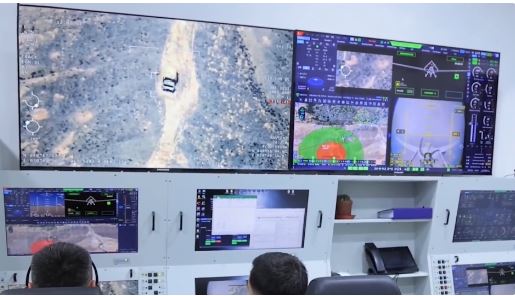
Uzbekistan has established a new special unit on its state border equipped with Bayraktar unmanned aerial vehicles. The announcement was made on January 13 at an expanded meeting of the Security Council chaired by President Shavkat Mirziyoyev, according to Fergana. The information was presented by the head of the State Security Service (SSS), Bakhodir Kurbonov.
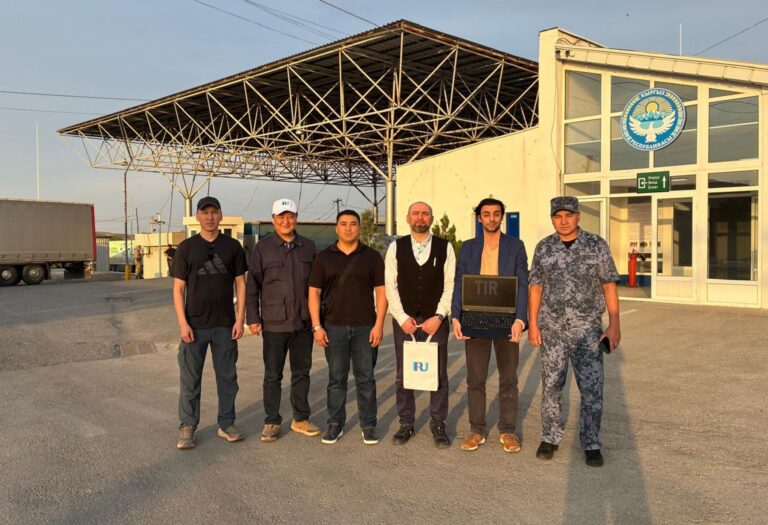
According to Kurbonov, the unit has already begun active duty. At the same time, Uzbekistan is carrying out a large-scale modernization of its border security system. Currently, 42% of the border is equipped with video surveillance systems, 1,117 kilometers of fiber-optic communication lines have been laid, and border units have been supplied with modern drones.
Kurbonov noted that border troops are equipped with armored vehicles at 98%, watercraft at 88%, weapons and ammunition at 100%, and electro-optical systems at 78%. Combat training indicators for personnel have also been significantly improved.
In addition, the State Security Service has assumed responsibility for guarding the country’s international airports. The “Lochin” brigade has been reorganized, with its armaments fully upgraded and around 100 units of equipment replaced.
A new security system based on patrol and inspection groups has been introduced at Tashkent’s airports. Starting in 2026, this model is expected to be implemented at all airports across the country.
Addressing the Security Council, Kurbonov identified four key threats to national security: terrorism, cross-border challenges, illicit drug trafficking, and corruption. In 2025, authorities prevented 11 terrorist attacks and disrupted the activities of 11 radicalized individuals from Central Asian countries.
As a result of strengthened border protection, the number of border violations has decreased by 1.5 times, while the volume of seized goods has increased by 20%. At the same time, the drug situation has worsened: the amount of confiscated narcotics rose from 1,700 kilograms in 2024 to 3,600 kilograms in 2025.
The number of detained individuals increased to 4,500, and 15 clandestine laboratories were dismantled.
Particular concern is being raised by the spread of synthetic drugs among young people. In 2025 alone, more than 180 kilograms of synthetic substances and over one million psychotropic pills were seized.
Efforts to combat corruption are also ongoing. In 2025, a total of 1,083 employees were dismissed from state institutions for corruption-related and other crimes, and 661 individuals were brought to criminal responsibility.